

Key Takeaways :
- Bitcoin experienced a sharp intraday decline of approximately $5,300 as regulatory uncertainty in the U.S. resurfaced and investors braced for key macroeconomic data.
- A delay in U.S. market structure legislation until 2026 undermined near-term confidence in regulatory clarity for digital assets.
- Derivatives markets signaled overheating conditions before the drop, with elevated open interest and funding rates.
- Year-end liquidity contraction, U.S. employment and inflation data, and potential Bank of Japan policy tightening are compounding market caution.
- While short-term volatility risks remain elevated, structural trends in blockchain adoption and institutional involvement remain intact.
1. Sudden Bitcoin Decline Reflects Heightened Market Anxiety
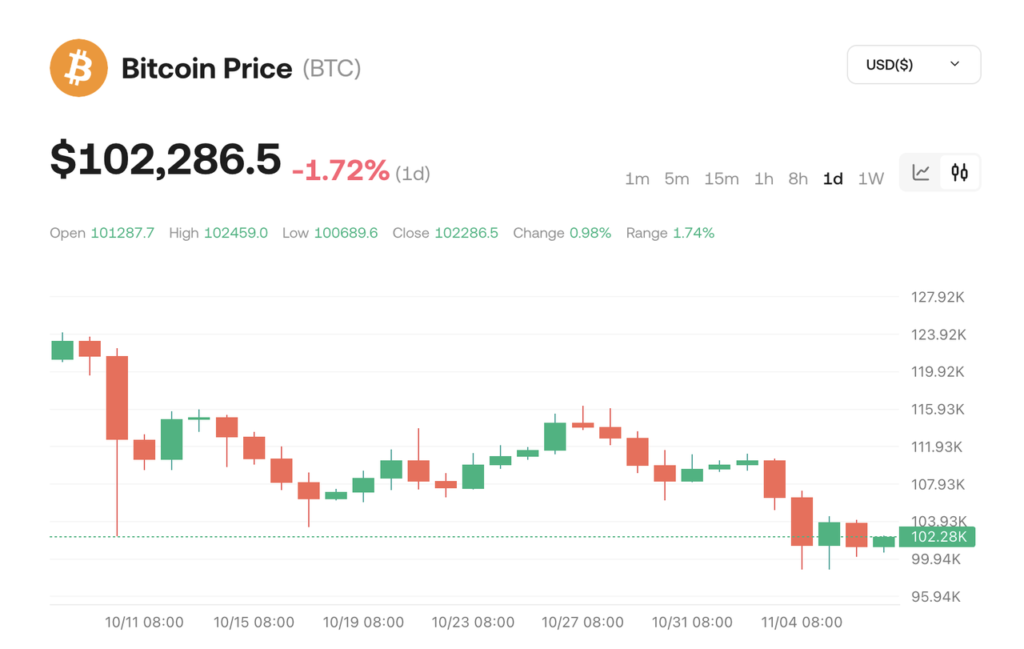
Bitcoin (BTC) saw a sudden pullback of roughly ¥800,000, equivalent to approximately $5,300, within a 24-hour window. This move rattled market participants who had grown accustomed to relatively resilient price action in recent weeks.
The immediate catalysts were twofold. First, the U.S. Senate confirmed that deliberations on comprehensive Market Structure Legislation—expected to clarify oversight responsibilities between the SEC and CFTC—would be postponed from late 2025 into 2026. Second, investors awaited the delayed release of critical U.S. employment data, previously postponed due to the government shutdown.
Together, these factors reignited uncertainty at a time when market positioning was already stretched, leading to rapid deleveraging.
[Bitcoin price movement mid-December 2025]
2. Regulatory Delays Undermine Short-Term Confidence
Regulatory clarity has long been one of the most significant swing factors for crypto market sentiment. The postponement of U.S. market structure legislation was interpreted not merely as a scheduling issue, but as a sign that political consensus on digital asset oversight remains fragile.
For institutional investors—particularly asset managers and banks exploring tokenization, custody, and settlement use cases—this delay prolongs uncertainty around compliance costs, reporting obligations, and permissible business models.
From a market perspective, regulatory delays tend to:
- Reduce risk appetite in the short term
- Encourage profit-taking after strong rallies
- Increase sensitivity to macroeconomic data
While the long-term trajectory toward clearer regulation remains intact, the near-term impact was unambiguously negative for sentiment.
3. Derivatives Markets Signaled Overheating Before the Drop
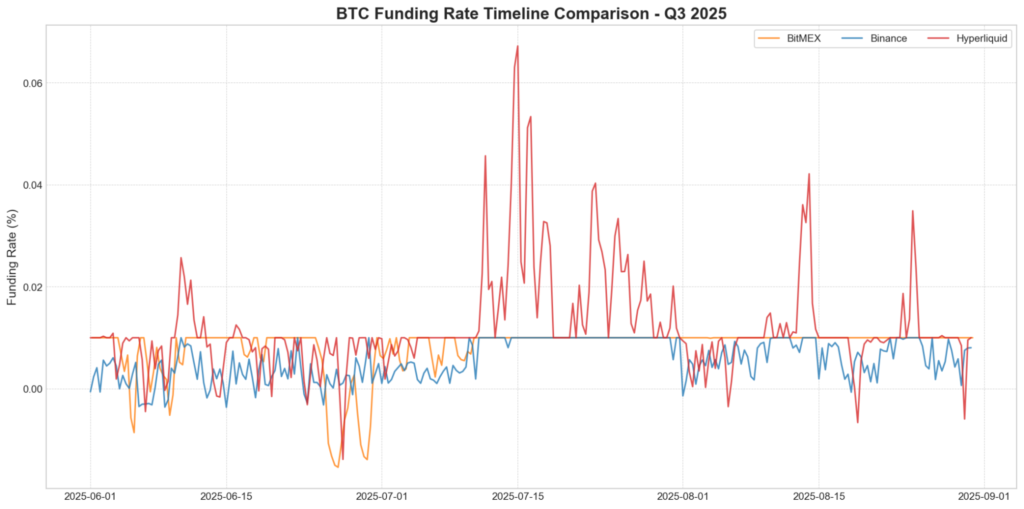
A closer look at derivatives data reveals that the correction was not entirely unexpected. Prior to the decline, open interest (OI) across major futures venues had been steadily rising, accompanied by elevated funding rates—a classic sign of crowded long positioning.
This buildup suggested that traders were increasingly using leverage to chase upside, creating fragility in the market structure. Once spot selling pressure emerged—particularly during U.S. trading hours—forced liquidations accelerated the downside move.
[Open interest and funding rate trends]
4. Spot Market Selling Concentrated in U.S. Hours
Order flow analysis indicates that intermittent but persistent spot selling occurred primarily during U.S. market hours. This pattern suggests that macro-focused investors, rather than retail participants, were leading the risk reduction.
Such behavior aligns with broader cross-asset positioning ahead of key economic releases. When traditional markets face uncertainty, crypto—still considered a high-beta risk asset—often becomes a source of liquidity.
5. Altcoin Markets Show Cooling Speculative Excess
Interestingly, while Bitcoin corrected sharply, many altcoins displayed signs of cooling rather than panic. The narrowing gap between spot and futures prices across several major altcoins indicates a gradual unwinding of excessive leverage rather than disorderly capitulation.
This divergence suggests that speculative froth in parts of the market is being reduced in a relatively healthy manner, potentially laying the groundwork for more sustainable price action in the coming months.
6. Macro Events Dominate the Near-Term Outlook
The week ahead is packed with macroeconomic catalysts:
- December 16: U.S. Employment Report
- December 18: U.S. Consumer Price Index (CPI)
- December 19: Bank of Japan Monetary Policy Meeting
- December 19: Major U.S. Options Expiration (SQ)
- From December 19 onward: Christmas holidays in Western markets
Each of these events has the potential to impact liquidity, risk sentiment, and cross-border capital flows.
7. Bank of Japan Policy Risk and the Yen Carry Trade
Particular attention is being paid to the Bank of Japan’s policy meeting on December 19, where speculation of further tightening has emerged. Historically, periods of BOJ tightening have coincided with yen carry trade unwinds, which can trigger sharp corrections in global risk assets—including Bitcoin.
As Japanese investors repatriate capital, selling pressure can ripple through international markets. This dynamic adds an additional layer of downside risk during an already fragile period.
8. Year-End Liquidity and the “Simpsons Chart” Phenomenon
As markets approach the Christmas and New Year holidays, liquidity typically thins. In crypto markets, this environment often produces erratic price movements colloquially referred to as the “Simpsons Chart”—characterized by sharp, irregular spikes and drops.
Low liquidity amplifies the impact of large orders, making markets more vulnerable to sudden volatility. For traders and investors, this means heightened short-term risk even in the absence of major news.
9. Implications for Investors and Builders
For readers seeking new crypto assets, revenue opportunities, or practical blockchain applications, the current environment calls for selectivity rather than retreat.
Short-term traders should be cautious with leverage, while long-term participants may view volatility as an opportunity to:
- Accumulate fundamentally strong assets
- Explore yield opportunities with robust risk controls
- Focus on real-world blockchain use cases such as payments, tokenization, and settlement
Institutional adoption, infrastructure development, and regulatory engagement continue to progress beneath the surface, even as prices fluctuate.
Conclusion: Volatility as a Feature, Not a Flaw
Bitcoin’s recent pullback underscores a familiar reality: crypto markets remain highly sensitive to regulatory signals, macroeconomic data, and liquidity conditions. The convergence of regulatory delays, key U.S. economic releases, potential BOJ tightening, and year-end illiquidity created a perfect storm for heightened volatility.
Yet, volatility itself is not a sign of failure. Rather, it reflects a market still in the process of integrating into the global financial system. For disciplined investors and builders focused on long-term value creation, periods like this often serve as inflection points—separating speculative excess from sustainable growth.


