Main Points :
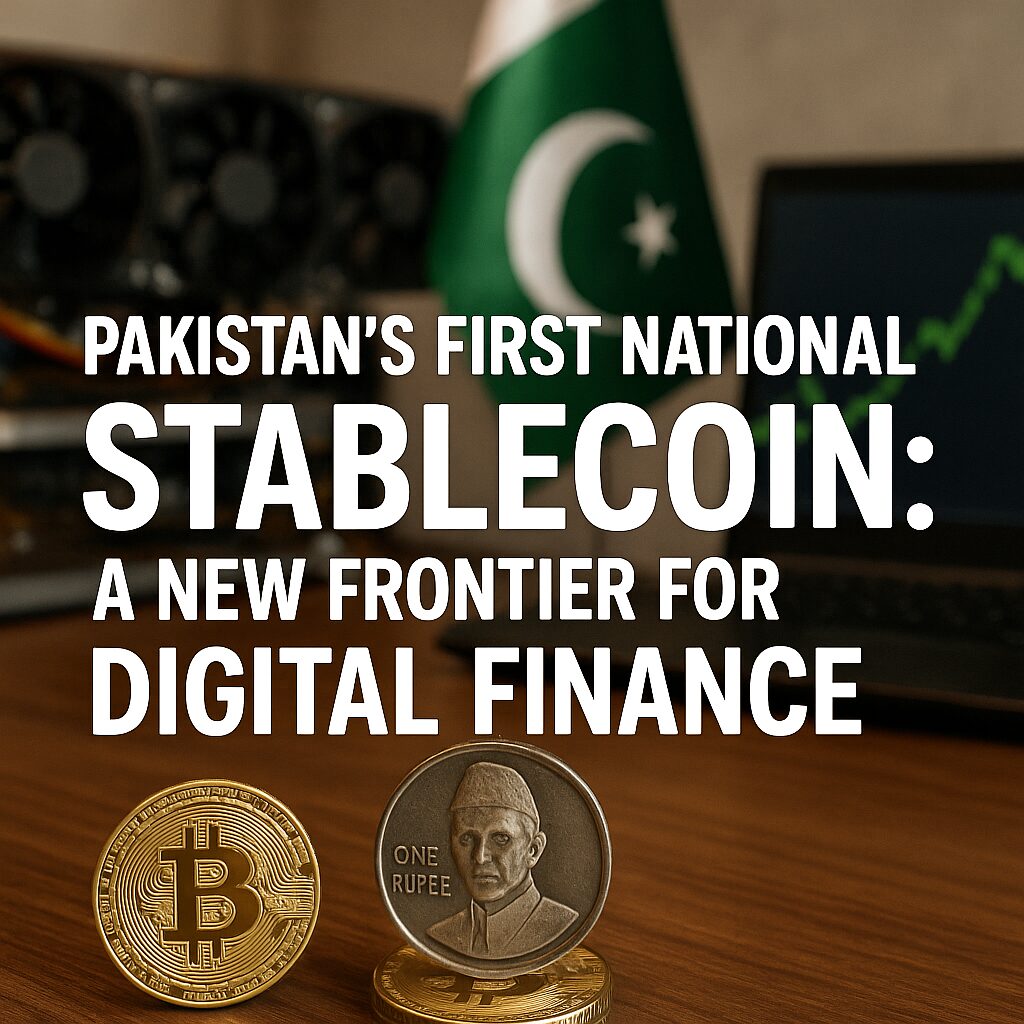
- Pakistan will issue its first-ever national stablecoin, signaling a major push into digital finance.
- The initiative is positioned as a method to strengthen government debt management and modernize the economy.
- Pakistan is investing heavily in Bitcoin mining (2,000 MW allocation) and AI-powered immigration systems.
- The stablecoin plan aligns with global growth trends in crypto adoption and government-backed digital assets.
- The move creates opportunities for investors, digital asset builders, and cross-border settlement innovators.
Introduction: Pakistan Steps Into the Global Digital Finance Arena
Pakistan has formally announced that it will issue the country’s first national stablecoin, marking a decisive step toward integrating digital asset infrastructure into its national economy. The announcement came from Bilal bin Saqib, Chairman of Pakistan’s Virtual Asset Regulatory Authority (PVARA), during Binance Blockchain Week on December 5, 2025. According to Saqib, Pakistan is “ready to stand at the forefront of global financial innovation,” and sees the stablecoin as a strategic tool for strengthening its digital financial ecosystem.
The declaration places Pakistan among emerging economies actively adopting blockchain innovations to improve transparency, speed, and cross-border financial efficiency. For investors and builders working in decentralized finance, this development signals a new direction: a large-population emerging market adopting digital assets not merely as speculative tools, but as mechanisms for national growth and governance efficiency.
Why Pakistan Wants a National Stablecoin
Government Debt and Stability Management
Saqib emphasized that Pakistan views stablecoins as a “powerful method of managing government debt.” While he did not specify the underlying reserve structure, the statement suggests a model where blockchain-based assets help reduce inefficiency in debt issuance, settlement, and circulation.
In many emerging markets, government debt markets suffer from a lack of transparency and slow clearing processes. Tokenized debt systems—or stablecoins backed by sovereign bonds—allow real-time auditing, instantaneous transferability, and reduced reliance on intermediaries. For Pakistan, such modernization could significantly improve liquidity and investor confidence.
A Push to Lead in Digital Innovation
Pakistan’s leadership expressed frustration that countries with large populations and strong technological potential tend to lag behind in digital finance adoption. Saqib argued that “clear and innovation-friendly regulation” is essential for driving economic growth and international competitiveness.
This message aligns with global regulatory trends. Over the past 24 months:
- The UAE has rolled out comprehensive crypto frameworks.
- Hong Kong has opened licensing for exchanges and stablecoin issuers.
- The EU’s MiCA regulation (2024–2025 implementation) created the world’s first unified crypto rulebook.
- Japan has encouraged stablecoin issuance backed by Japanese yen and foreign assets.
Pakistan now joins these jurisdictions with the intention of positioning itself as a competitive digital asset hub.
Pakistan’s Broader Digitalization Strategy
1. Bitcoin Mining Infrastructure
In May 2025, Pakistan announced a national Bitcoin mining and AI data infrastructure program, allocating 2,000 megawatts of power capacity to the initiative.
Converted to USD terms, the estimated infrastructure build-out cost—based on comparable global data center benchmarks—is between $1.2 billion and $2 billion.
This represents one of the largest national-level investments in mining infrastructure outside the Middle East and North America.
2. AI-Powered Immigration and Identity Systems
Pakistan is aggressively integrating AI into border control operations.
The government will begin test operations in Islamabad, using AI to detect:
- Fake documents
- Incomplete visa submissions
- Identity mismatch attempts
- Illicit “visa creation businesses”
Interior Minister Mohsin Naqvi announced:
- Individuals with fake or incomplete documentation will be denied entry.
- Those deported for fraud will not be reissued visas.
- Enforcement against unauthorized immigration agents will be intensified.
AI validation is becoming a national security priority. This aligns with Pakistan’s use of AI in government digital transformation, improving efficiency in identity verification—a crucial component for any future stablecoin-powered financial network.
How the Stablecoin Fits Into Pakistan’s Digital Vision
Financial Inclusion and Digital Payment Modernization
Pakistan has more than 240 million people, but a significant portion remains unbanked. A national stablecoin, accessible through mobile wallets, can reduce frictions in:
- Domestic payments
- Merchant settlements
- Government-to-person (G2P) disbursements
- Digital savings and remittances
Given Pakistan’s massive diaspora, stablecoin-based corridors may significantly reduce remittance fees, which currently average 6% to 8% per transaction—one of the highest for any developing region.
Integration With AI and Blockchain Infrastructure
With 2,000 MW dedicated to Bitcoin and AI operations, Pakistan can create a hybrid model where:
- AI systems ensure compliance, fraud detection, and identity integrity.
- Blockchain systems guarantee transparency, immutability, and fast settlement.
This dual architecture positions Pakistan not just as a stablecoin issuer but as a future digital financial ecosystem builder.
Global Stablecoin Trends Strengthening Pakistan’s Position
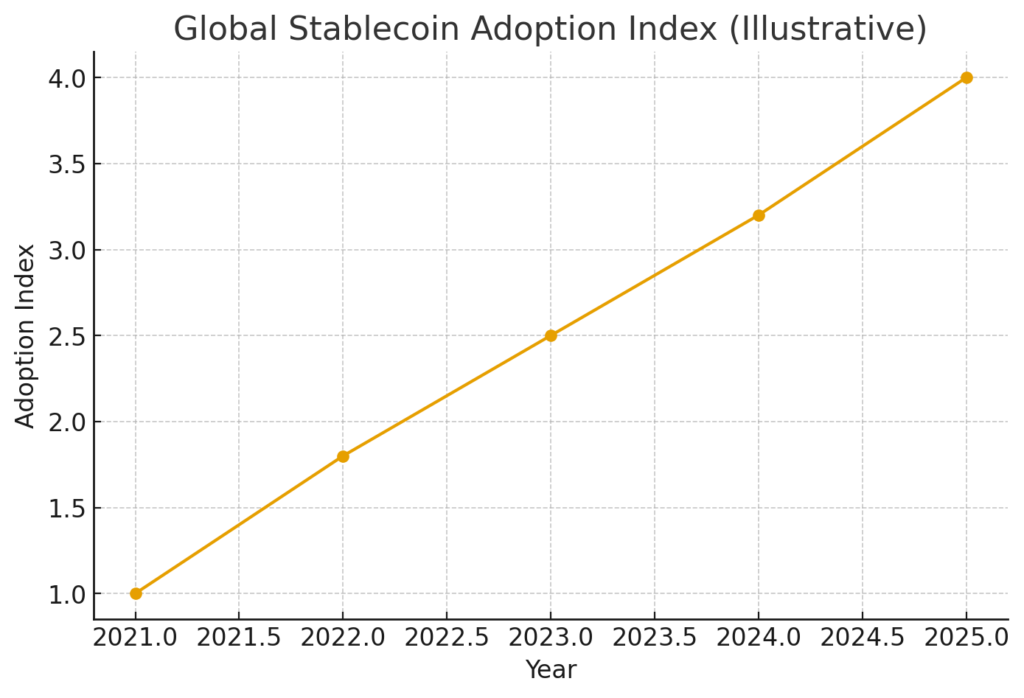
Below is an illustrative chart representing global stablecoin adoption trends, which Pakistan aims to join:
Although the chart uses illustrative data, it reflects a global movement where:
- Stablecoin transactions surpassed $9 trillion in annual on-chain volume (2024).
- Cross-border stablecoin usage grew three times faster than traditional remittances.
- Corporations increasingly use stablecoins for treasury operations, especially in Southeast Asia and Latin America.
If Pakistan introduces a regulated, transparent, reserve-backed stablecoin, it may attract both domestic and foreign businesses seeking efficient settlement options.
Potential Structures for Pakistan’s Stablecoin
Based on international models, Pakistan might choose one of the following frameworks:
1. Fiat-Backed Stablecoin (USD or PKR reserves)
Pros:
- Straightforward
- High stability
- Fastest path to adoption
Cons:
- Requires strict reserve auditing
2. Government Bond-Backed Stablecoin
Pros:
- Supports national debt liquidity
- Encourages institutional adoption
Cons:
- Bond volatility may affect stability
3. Commodity-Backed Stablecoin (e.g., gold)
Pros:
- Attractive to markets with inflation concerns
Cons:
- Complex custody logistics
Saqib’s remarks suggest strong interest in a bond-backed or hybrid structure, which could modernize Pakistan’s sovereign debt market.
Implications for Investors and Builders
1. New Market for Digital Asset Products
A regulated stablecoin creates opportunities for:
- Yield products
- Liquidity pools
- Tokenized enterprise finance
- Merchant payment rails
- AI-verified identity payments
2. Cross-Border Business Expansion
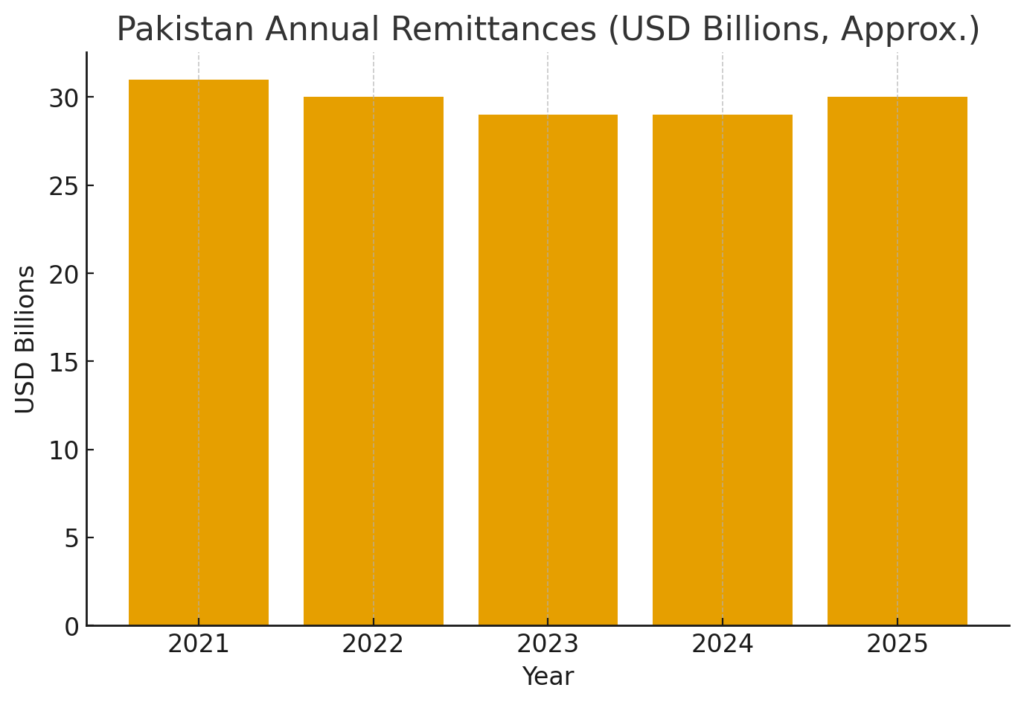
Pakistan’s diaspora sends more than $29 billion per year in remittances.
A national stablecoin can drastically reduce friction and FX spreads in these corridors.
3. Web3 Infrastructure and Miner Demand
The 2,000 MW allocation for BTC and AI will increase:
- ASIC demand
- Data center development
- Cloud infrastructure partnerships
4. Opportunities for Compliance, RegTech, and Travel Rule Vendors
AI-driven identity systems will require:
- RegTech providers
- Travel Rule integrations
- KYT analytics
- Fraud detection tools
Pakistan’s new regulatory climate opens doors for service providers globally.
Conclusion: A Transformative Moment for Pakistan and Emerging-Market Crypto
Pakistan’s planned stablecoin issuance is more than a technical upgrade—it is a geopolitical and economic repositioning. With significant investment in AI, Bitcoin mining, and immigration digitization, Pakistan is preparing for a digitally integrated economic future.
For investors, builders, and companies exploring new markets, Pakistan represents:
- A large, underserved population
- A rapidly digitalizing government
- A unique intersection of AI, blockchain, and national finance
- A stablecoin initiative backed at the highest levels of government
As Pakistan begins this transition, it may become one of the most important emerging markets in the global digital finance landscape.