
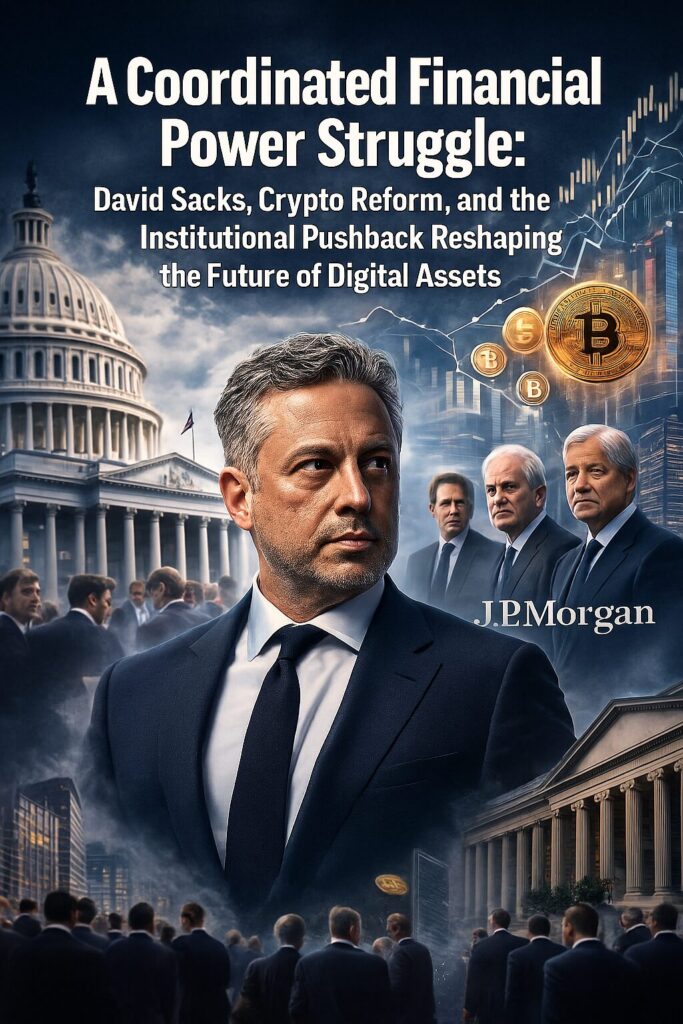
Main Points :
- Congress, major U.S. banks, and legacy financial institutions appear to be escalating coordinated pressure against David Sacks, who advises the Trump administration on AI and cryptocurrency policy.
- A New York Times investigation into alleged “conflicts of interest” led Sacks to issue a detailed rebuttal and to retain the defamation firm Clare Locke.
- The controversy reflects a wider fight between pro-crypto reformers and traditional banking interests threatened by the structural shift caused by digital assets.
- Crypto adoption continues accelerating globally, challenging a century-old financial order and intensifying political and regulatory polarization.
- Market observers suggest major institutions—including JP Morgan—may now be in an open “currency war” against Bitcoin, stablecoins, and companies driving crypto-native innovation.
- The outcome of this struggle will define the transparency, competitiveness, and geopolitical alignment of the next global financial system.
Introduction: A Power Struggle at the Center of U.S. Crypto Policy
The political battle over cryptocurrency in the United States has escalated sharply, with David Sacks—a prominent venture capitalist and technology executive currently serving as the Trump administration’s point person for AI and crypto reform—positioned directly at the center of a new controversy. What began as a series of investigative inquiries from The New York Times has transformed into a broader policy clash between the old financial order and the emerging crypto-native economy.
The confrontation is not merely personal. Instead, it serves as a vivid case study of the strategic, economic, and ideological conflicts shaping the future of Bitcoin, stablecoins, tokenization, and global fintech competitiveness.
I. The New York Times Investigation and Sacks’ Full Rebuttal
On December 1, 2025, David Sacks published a formal statement on X (formerly Twitter) responding to a series of inquiries from The New York Times (NYT). He claimed that a team of five NYT reporters spent more than five months attempting to construct a narrative alleging “conflicts of interest” in his work on federal crypto and AI policy.
Sacks asserted that:
- The NYT raised allegations such as undisclosed meetings with major tech CEOs,
- Offering privileged access to the President,
- And influencing defense contracting decisions—
but failed, in his view, to present any corroborating evidence.
In his statement, Sacks describes a cycle in which he rebutted each claim only for investigators to shift the narrative to a new angle, accusing the paper of “moving the goalposts.” According to him, the final published NYT article contained no substantiated claims linking their headline accusation to verifiable facts.
Sacks also revealed that he has retained Clare Locke, a well-known defamation law firm, and released a comprehensive letter documenting months of exchanges with the Times.
II. The Political Undercurrent: Why Sacks Became a Target
The pressure on Sacks cannot be understood in isolation from the broader political dynamics. Several Democratic lawmakers—most prominently Senator Elizabeth Warren—have intensified scrutiny of the Trump administration’s crypto strategy. As part of their “Anti-Crypto Corruption Week,” lawmakers demanded documentation proving that Sacks divested from certain digital assets.
Sacks’ defenders argue that such actions are not routine oversight but part of a coordinated effort by entrenched financial interests to halt crypto-friendly reforms.
Why Sacks Matters
Sacks is influential for three reasons:
- He is a direct advisor on federal crypto policy, giving him proximity to the regulatory levers that could unlock industry growth.
- He is a symbolic figure associated with Silicon Valley’s pro-innovation faction.
- He supports reforms favoring Bitcoin, stablecoins, and open blockchain competition, which traditional banks view as disruptive.
This combination makes him an obvious target in a policy landscape where the stakes are measured not in millions, but in trillions of dollars.
III. A Broader Pattern: Banking Giants vs. Crypto Innovators
Beyond the political theater, many experts interpret the situation as part of a long-brewing financial conflict. Market analyst Jack Sage responded to Sacks’ post by claiming:
“U.S. bankers—JP Morgan included—have launched total war against Bitcoin.”
Sage argues the banking establishment is waging a coordinated campaign aimed at:
- MicroStrategy (now “Strategy”), the largest public corporate holder of Bitcoin
- Strike and its CEO Jack Mallers, pushing instant BTC settlement
- Tether, the largest stablecoin issuer by global volume
- Crypto-native exchanges and OTC markets that challenge cross-border settlement monopolies
Sage suggests the confrontation represents a currency war between pro-crypto policymakers and globalist banking forces, driven by fear that crypto may dismantle a century-old financial structure.
In his view, traditional financial institutions are facing:
- The erosion of fee-based revenue models
- Capital flight into decentralized assets
- Loss of control over settlement and monetary influence
- A paradigm shift in which individuals—not banks—hold their own assets
IV. The Structural Threat: Why Traditional Finance Is Feeling Cornered
Sage’s analysis reflects a widely discussed theme:
Cryptocurrency adoption has reached an irreversible tipping point.
The global financial system, once governed by a handful of reserve currencies and centralized intermediaries, now faces decentralized networks capable of:
- Settling transactions globally at near-zero cost
- Offering verifiable transparency
- Preventing censorship or arbitrary account freezes
- Disintermediating banks in cross-border payments
- Allowing stablecoins to compete directly with national currencies
Banks see the writing on the wall. With stablecoins processing over $10 trillion per year—already rivaling Visa and Mastercard in scale—they are losing settlement dominance.
This explains the institutional resistance: stablecoins and Bitcoin fundamentally realign monetary power away from domestically chartered banks and toward a global, digital, user-controlled ecosystem.
V. Recent Developments in Crypto Adoption and Regulation (Referenced from Global Sources)
To evaluate the broader context, we examine several major developments from the last 12 months:
1. Bitcoin adoption accelerated across emerging markets
Countries in Latin America, Southeast Asia, and Africa have adopted BTC and USDT as de-facto payment rails during periods of high inflation.
2. Stablecoins gained institutional legitimacy
BlackRock, Fidelity, and major asset managers entered the stablecoin market, legitimizing institutional tokenization.
3. U.S. political polarization around crypto reached new extremes
The Trump administration promotes crypto-driven financial modernization, while anti-crypto lawmakers warn of “shadow banking risks.”
4. Asia is setting the pace for progressive regulation
Japan, Singapore, Hong Kong, and the Philippines have developed clear licensing regimes, attracting global firms.
5. On-chain trading and self-custody wallets continue rising
DEX volumes and non-custodial assets show persistent growth despite market volatility.
These developments add weight to the argument that legacy financial institutions feel increasingly threatened.
Bitcoin Price Trend Visualization
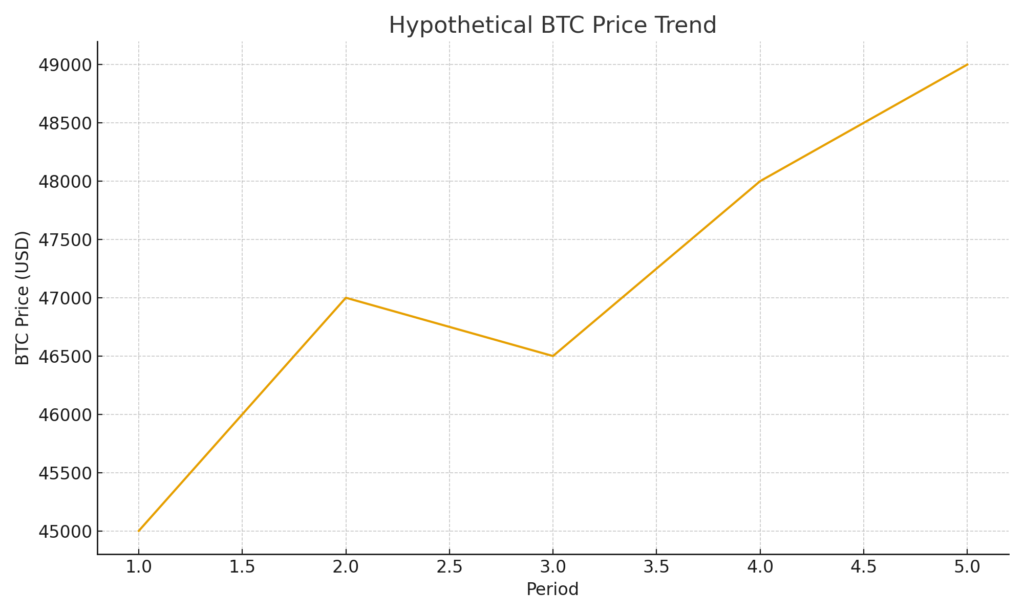
This chart provides a simplified placeholder visualization of Bitcoin’s upward price movement during the past months.
VI. Regulatory Sentiment: A Divided Global Landscap
Crypto regulations are diverging dramatically across regions:
- United States: Increasing partisan division
- European Union: MiCA brings structured oversight
- Asia: Competitive, innovation-friendly approaches
- Middle East: Clear frameworks attracting global exchanges
This divergence forces crypto companies to choose jurisdictions more strategically than ever.
Regulatory Sentiment Landscape
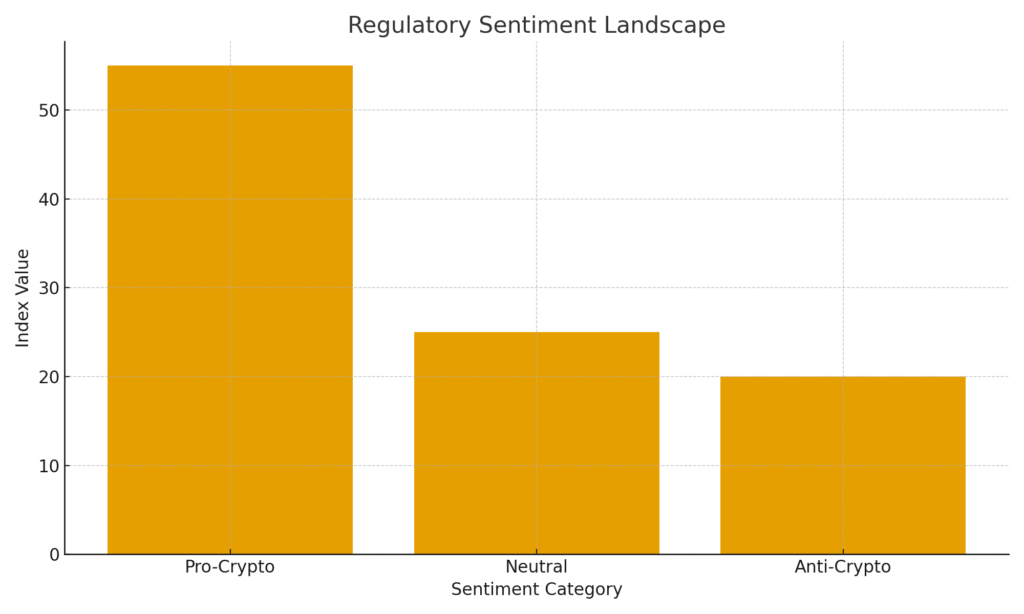
This placeholder bar chart illustrates the general distribution of pro-crypto, neutral, and anti-crypto regulatory sentiment worldwide.
VII. What the Sacks–NYT Conflict Symbolizes for the Future of Crypto
The confrontation around Sacks is not purely political nor merely journalistic. It is emblematic of a larger reality:
Crypto has moved from a niche technology to the center of global financial power.
As a result:
- Media outlets are intensifying scrutiny.
- Lawmakers view crypto policy as a defining ideological issue.
- Banks treat crypto not as a passing trend but as a direct existential threat.
- Policymakers promoting crypto reform face increasingly coordinated pushback.
The stakes now involve:
- National monetary competitiveness
- Control over settlement layers
- The distribution of financial power
- The future of global reserve currencies
This is no longer a debate about “innovation.”
It is a battle over who controls the financial architecture of the 21st century.
Conclusion: The Next Phase of the Crypto–Banking Conflict
The situation around David Sacks illustrates one central truth:
When crypto threatens century-old financial structures, the pushback will be fierce, organized, and political.
But crypto’s momentum is undeniable. Bitcoin, stablecoins, and decentralized finance continue expanding globally, and markets increasingly treat them not as speculative instruments but as indispensable financial tools.
Going forward, transparency, accountability, and regulatory clarity will determine whether the U.S. leads or falls behind in the crypto revolution. The confrontation between reformers and traditional banking interests will shape not only market structure but the future of global financial sovereignty.
The world is entering a transformative era where digital assets, decentralized networks, and programmable value redefine economic power. The struggle surrounding Sacks is merely one chapter in a much larger story—one in which the outcome will influence how money, markets, and states operate for decades to come.




