Main Points :
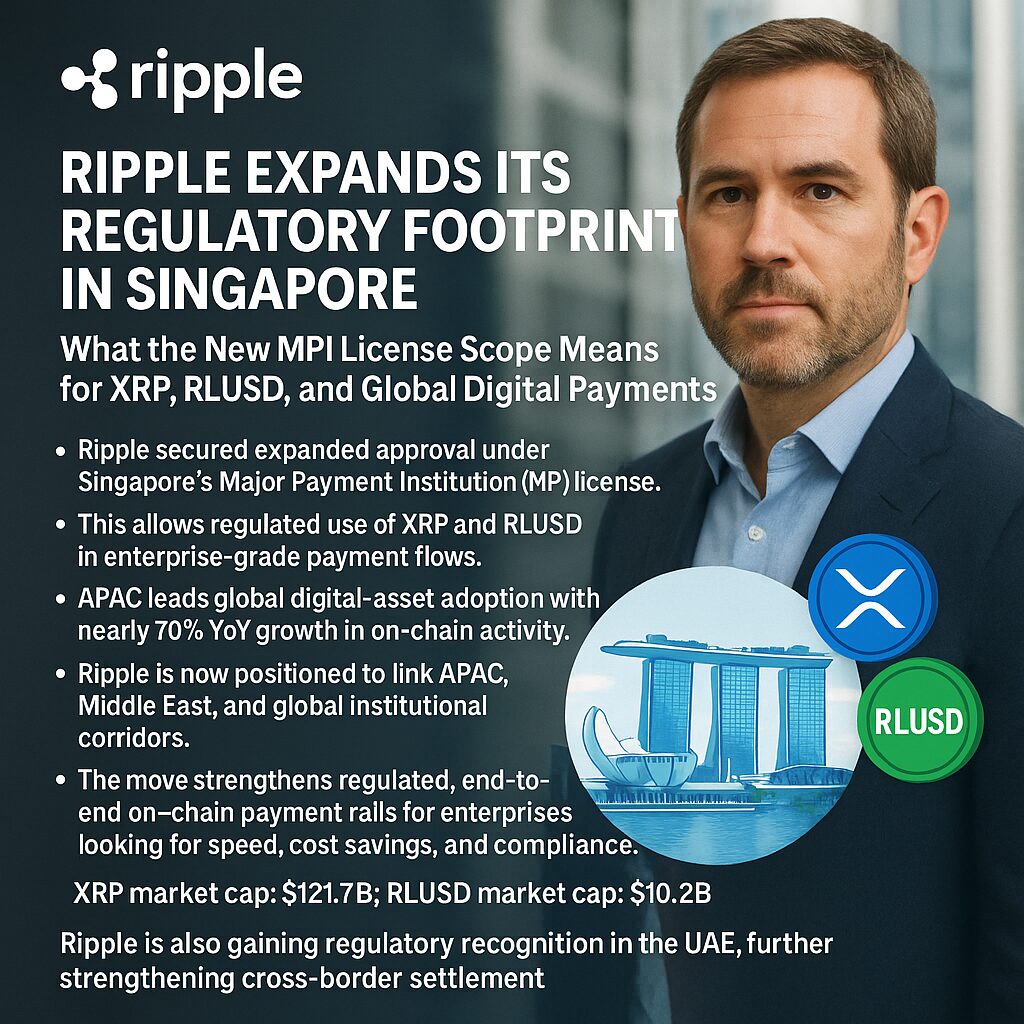
- Ripple secured expanded approval under Singapore’s Major Payment Institution (MPI) license.
- This allows regulated use of XRP and RLUSD in enterprise-grade payment flows.
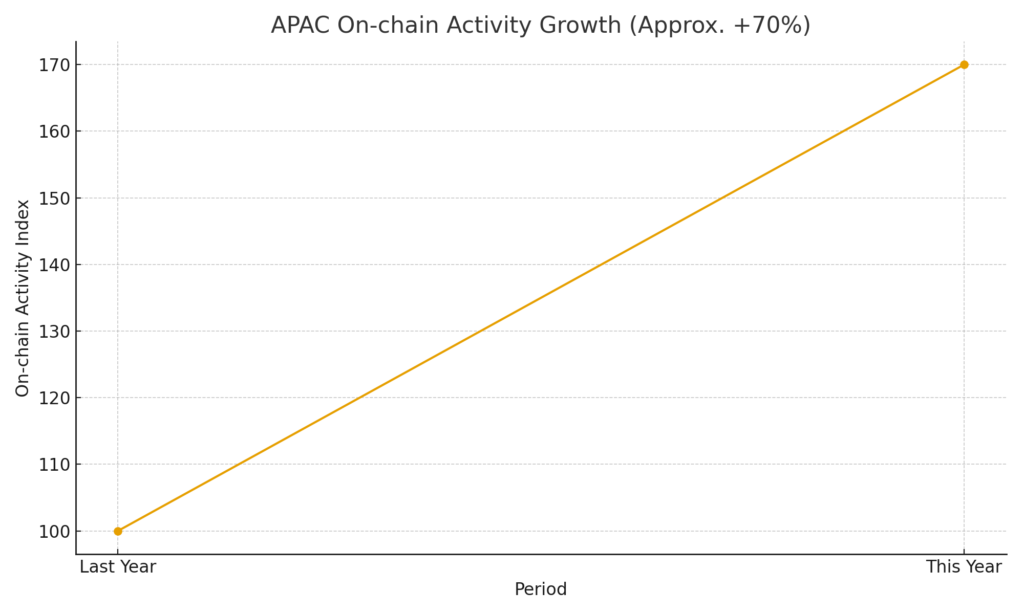
- APAC leads global digital-asset adoption with nearly 70% YoY growth in on-chain activity.
- Ripple is now positioned to link APAC, Middle East, and global institutional corridors.
- The move strengthens regulated, end-to-end on-chain payment rails for enterprises looking for speed, cost savings, and compliance.
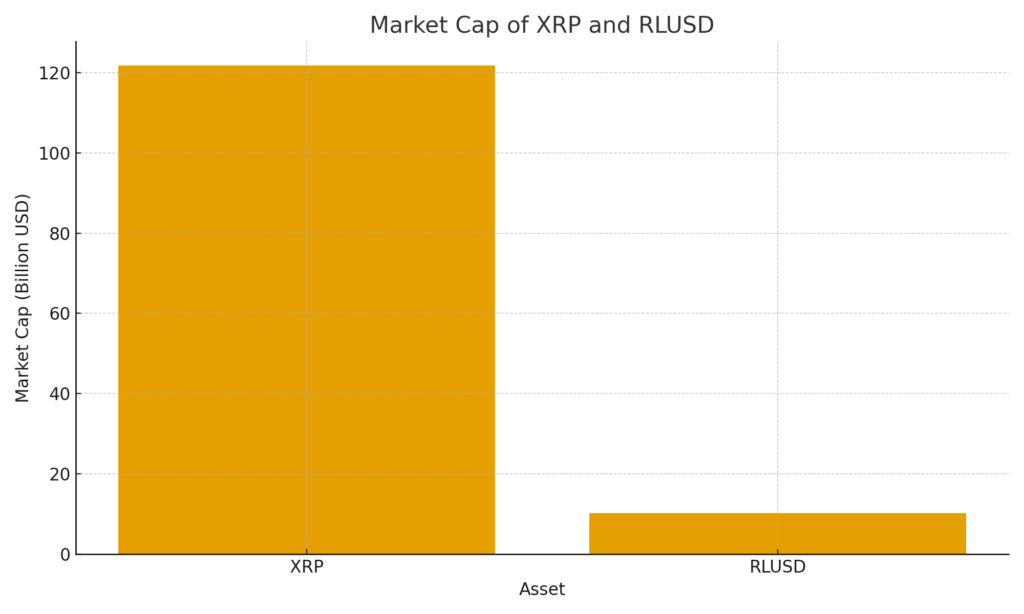
- XRP market cap: $121.7B; RLUSD market cap: $10.2B.
- Ripple is also gaining regulatory recognition in the UAE, further strengthening cross-border settlement.
1. Introduction — A New Regulatory Milestone for Ripple
Ripple has taken another decisive step in its long-term strategy of building globally compliant blockchain payment infrastructure. On December 1, the company announced that it has secured expanded approval from the Monetary Authority of Singapore (MAS) under its Major Payment Institution (MPI) license. The approval was granted to its subsidiary, Ripple Markets APAC Pte. Ltd., and widens the scope of regulated payment activities the firm may conduct in Singapore.
This is not merely a procedural update. MPI licenses—especially ones enabling regulated use of digital payment tokens (DPTs)—are extremely selective, and only a small number of blockchain-related companies possess them globally. Ripple’s expanded MPI scope now reinforces its compliance credibility in one of the world’s most important digital-asset jurisdictions.
The approval empowers Ripple to scale enterprise-grade payment services using XRP and RLUSD, its USD-backed digital asset designed for institutional settlement. With this, Ripple becomes one of the few players capable of delivering fully regulated, on-chain settlement for corporate treasuries, financial institutions, and fintech processors in Asia.
2. Why Singapore Matters: APAC Leads the World in Real Digital-Asset Use
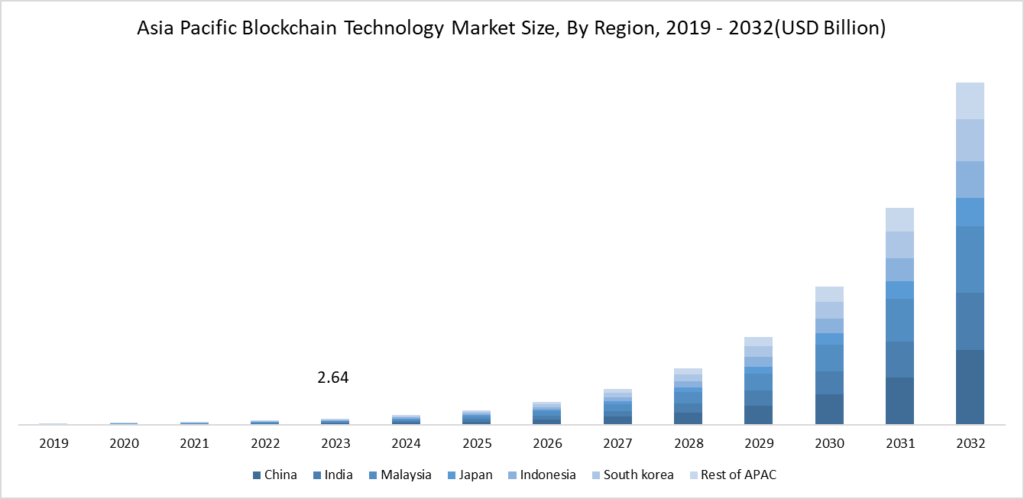
According to Ripple APAC Managing Director Fiona Murray, the Asia-Pacific region is now the world leader in real digital-asset utility. On-chain transactions in APAC have grown by approximately 70% year-over-year, reflecting demand for faster, programmable, and cross-border financial rails.
This is an important backdrop for Ripple. Singapore—in contrast to the patchwork of global regulatory environments—has established itself as a mature, innovation-friendly, but strict regulatory hub for digital assets.
Key reasons Singapore is strategic for Ripple:
- Clear regulatory frameworks under MAS
- High concentration of global payment companies
- Strong demand for cross-border settlement infrastructure
- Proximity to high-growth markets like Indonesia, the Philippines, Vietnam, and India
Ripple has long identified APAC as its highest-growth region. This expanded MPI license cements the company’s ability to address institutional demand for fast and compliant digital settlement.
3. What the Expanded MPI Scope Allows Ripple to Do
Under the enhanced license, Ripple may now offer:
• End-to-end payment flows with XRP and RLUSD
Ripple Payments can handle collection, holding, conversion, and payout entirely on-chain with digital payment tokens such as XRP and RLUSD.
• Fully regulated digital-token settlement for enterprises
Institutions do not need to build their own infrastructure or manage multiple banking partners. Ripple’s unified payment solution abstracts the complexity.
• Faster settlement finality—measured in minutes
Traditional correspondent banking networks often take 1–3 days. Ripple’s payment rails aim for completion in minutes.
• Integrated treasury operations
Corporates can manage liquidity, working capital, and settlement flows inside a single on-chain framework.
This is a key differentiator in Asia’s crowded fintech market. Most regional payment processors provide fragmented solutions across different banking channels. Ripple, on the other hand, offers a unified, DLT-based settlement layer.
4. The Role of XRP and RLUSD in Ripple’s Strategy
Ripple’s payments ecosystem relies on two core digital assets:XRP — A Deep-Liquidity, Fast-Settlement Digital Asset
As of December 2, data from CoinMarketCap shows:
- XRP Market Capitalization: $121.7 billion
- Highly liquid across global exchanges
- Designed for fast, low-cost cross-border settlement
- Already widely used in enterprise pilots and payment corridors
RLUSD — A Regulated USD-Backed Settlement Token
RLUSD, Ripple’s fiat-referenced USD token, is engineered for institutional use:
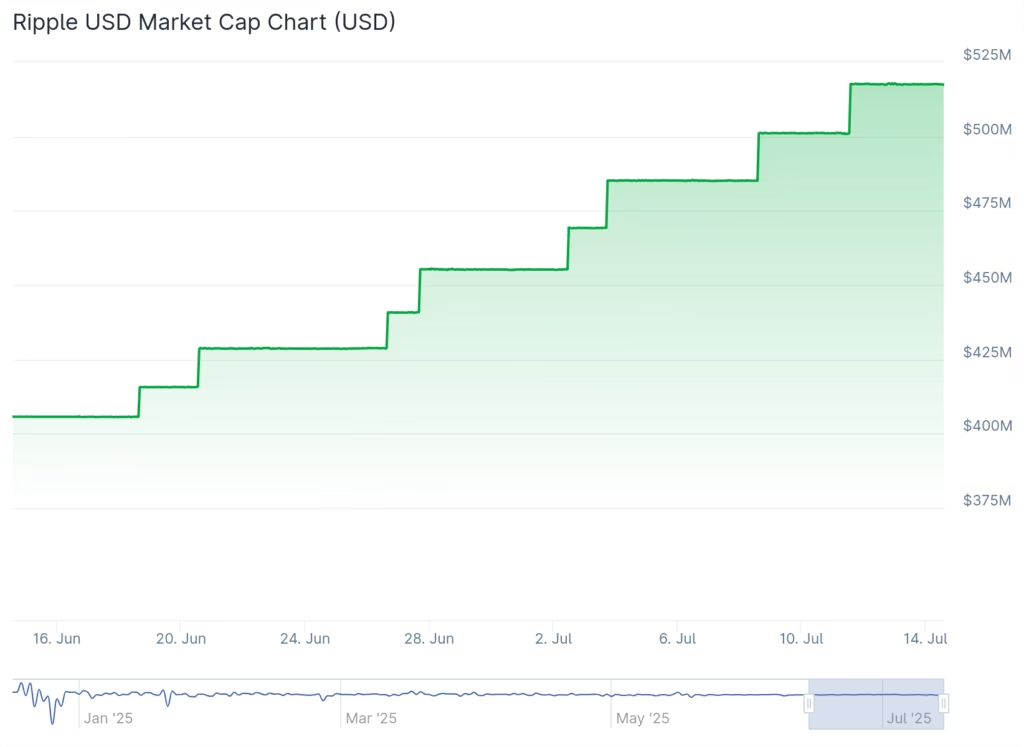
- Market Cap: $10.2 billion
- Fully backed and compliant
- Enables stable on-chain settlement
- Acts as corporate on-chain liquidity for inbound and outbound flows
Ripple’s dual-asset architecture—XRP for value transfer, RLUSD for stable settlement—is central to how the company builds regulated financial infrastructure.
5. The Global Regulatory Landscape: Ripple Gains Ground in the Middle East
A few days prior, on November 27, the Financial Services Regulatory Authority (FSRA) of Abu Dhabi Global Market recognized RLUSD as an Approved Fiat-Referenced Token.
This positions Ripple at a unique intersection:
- Singapore → APAC regulatory leadership
- Abu Dhabi → Middle East institutional finance hub
- USA → Ongoing litigation clarity improving over time
- Europe → Increasingly harmonized under MiCA
As institutional capital begins moving on-chain, regulated corridors connecting Asia and the Middle East will become increasingly important.
6. Market Growth Context — Why Regulated On-Chain Payments Are in Demand
Several macro trends are fueling institutional demand for regulated blockchain settlement:
(1) Rising cost pressure on cross-border payments
Banks and remittance companies face higher operational and compliance costs. Blockchain rails lower cost per transaction.
(2) Demand for intraday liquidity and faster treasury settlement
Enterprises want real-time cash visibility and capital efficiency.
(3) Expansion of B2B and B2C cross-border commerce
APAC’s digital platform economy creates millions of daily settlement events that require automation and speed.
(4) Regulatory clarity
More jurisdictions now recognize the need for compliant, tokenized settlement layers—especially for stablecoins and fiat-referenced tokens.
Ripple’s regulatory wins align with these trends.
7. Chart: Market Cap Comparison (Insert Here)
8. Chart: APAC On-Chain Activity Growth (Insert Here)
9. Strategic Impact for Investors and Businesses
Ripple’s expanded license scope is not only a regulatory achievement—it directly influences investment and business strategy.
For crypto investors:
- XRP’s infrastructure value increases as institutional utility expands.
- RLUSD’s role as a regulated stable settlement token strengthens its adoption curve.
For businesses:
- They gain access to compliant, faster, cheaper cross-border settlement.
- Treasury and liquidity operations improve with on-chain programmability.
For new crypto-asset seekers:
APAC is producing more institutional corridors using regulated digital assets, meaning:
- More enterprise-grade tokens
- Better liquidity
- Improved settlement quality
- Reduced counterparty risk
10. Global Competitive Landscape
Ripple’s competitors include:
- Circle (USDC)
- Stellar ecosystem participants
- JP Morgan’s Onyx network
- Traditional correspondent banks adapting tokenized deposits
Yet Ripple’s combination of regulatory licensing + dual-asset system + global enterprise partnerships gives it a differentiated position.
11. Conclusion — A New Phase of Regulated On-Chain Payments
Ripple’s newly expanded MPI license in Singapore marks the beginning of a more mature phase of global blockchain-based payments. With APAC leading the world in real usage, Singapore at the center of regulated innovation, and Ripple connecting payment corridors from Asia to the Middle East, the next decade of digital-asset settlement will be shaped by companies that can operate under strict regulatory standards.
For investors and businesses seeking new opportunities in blockchain infrastructure, Ripple’s regulatory wins and growing multi-asset payment ecosystem signal significant potential. XRP and RLUSD, backed by licensing and compliance, now have a clearer global runway for institutional adoption.