

Key Takeaways :
- Bitcoin fell below $80,000 on February 1, 2026, triggering a sharp market-wide sell-off
- Total crypto market capitalization dropped by approximately $183 billion in a single day
- The nomination of Kevin Warsh as the next Federal Reserve Chair raised fears of prolonged monetary tightening
- Over $2.5 billion in leveraged positions were liquidated within 24 hours
- Escalating U.S.–Iran tensions amplified risk-off sentiment across global markets
Introduction: A Sudden Shock to the Crypto Ecosystem
On February 1, 2026, the global cryptocurrency market experienced one of its sharpest single-day declines in recent years. Within hours, Bitcoin plunged below the psychologically critical $80,000 level, triggering a cascade of liquidations across derivatives markets. By the end of the day, approximately $183 billion had been erased from total crypto market capitalization.
This sell-off did not occur in isolation. Instead, it reflected a convergence of macroeconomic, political, and structural factors: the nomination of Kevin Warsh as the next Chair of the Federal Reserve, rising geopolitical tensions between the United States and Iran, and the fragility of a highly leveraged crypto market structure. Together, these elements created a perfect storm that forced investors to reassess risk across digital assets.
A $183 Billion Market Contraction in Just One Day
Broad-Based Declines Across Major Assets
On the day of the crash, Bitcoin briefly touched levels near $76,000, marking its lowest point since April 2025. Ethereum followed suit, dropping to approximately $2,200, while most major altcoins recorded double-digit percentage losses. The synchronized nature of the decline underscored the systemic nature of the sell-off rather than isolated weakness in any single token.
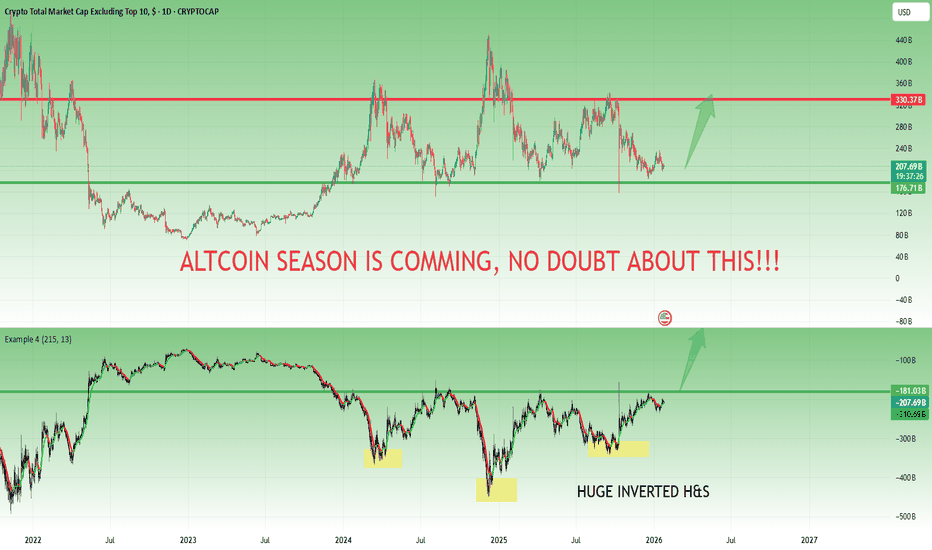
Chart showing total crypto market capitalization before and after the February 1 sell-off
Analysts noted that the speed of the decline suggested forced selling rather than discretionary exits. As prices breached key technical levels, margin calls and automated liquidations accelerated the downward momentum.
Bitcoin’s Breakdown: Liquidation Cascades and Structural Weakness
Leveraged Positions Unwind at Record Speed
According to multiple market data providers, more than $2.5 billion worth of leveraged positions were liquidated within a 24-hour window. Ethereum accounted for roughly $1.1 billion of these liquidations, while Bitcoin contributed approximately $800 million.
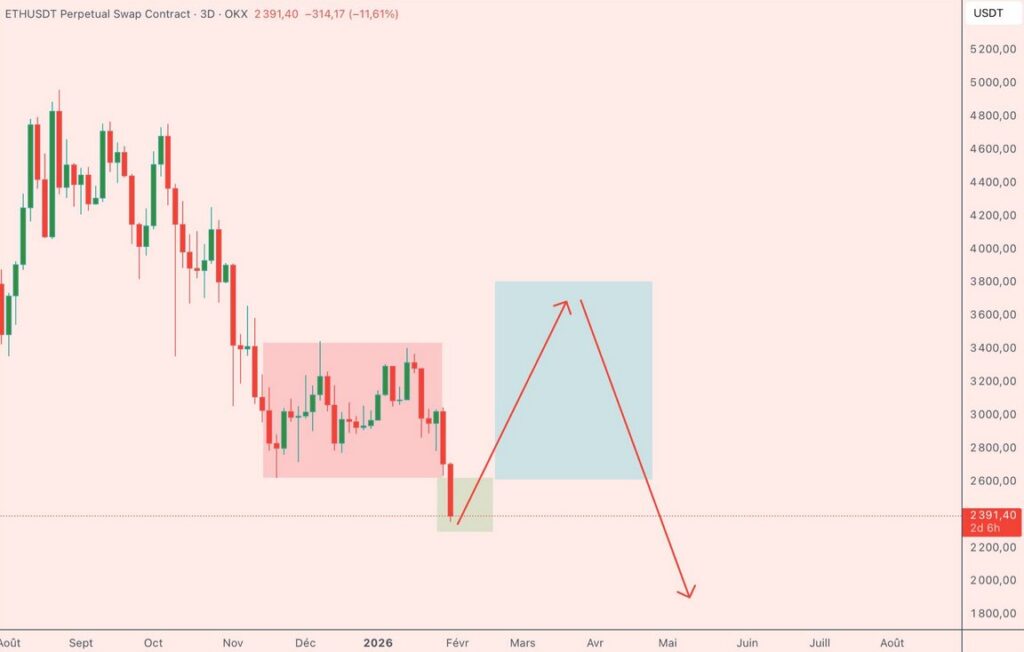
Visualization of leveraged liquidation volume by asset
This scale of liquidation highlights a recurring vulnerability in crypto markets: excessive reliance on leverage. When prices fall rapidly, automated systems amplify volatility, draining liquidity from order books and pushing prices even lower.
The Fed Chair Nomination That Spooked Markets
Kevin Warsh and the Return of Hawkish Fears
A key catalyst behind the sell-off was the announcement by U.S. President Donald Trump that Kevin Warsh would be nominated as the next Federal Reserve Chair.
While Warsh has recently expressed a more nuanced view toward digital assets, his historical record paints him as a monetary hawk. In 2011, he opposed quantitative easing, and he has previously criticized Bitcoin for lacking intrinsic value. Markets interpreted his nomination as a signal that expectations for near-term monetary easing were premature.
Economists warned that even the perception of prolonged tight monetary policy could weigh heavily on speculative assets, including cryptocurrencies. Brian Jacobsen, Chief Economist at Annex Wealth Management, noted that the sell-off served as a reminder of how sensitive crypto markets remain to macroeconomic signals.
Institutional Risk-Off: ETFs and Exchange Flows
Capital Flight From Regulated Products
Institutional behavior reinforced the bearish narrative. In the final week of January, Bitcoin ETFs managed by BlackRock recorded net outflows of approximately $950 million. This marked one of the largest weekly outflows since spot Bitcoin ETFs were introduced.
On-chain data further revealed that centralized exchanges experienced heavy selling pressure. At Kraken alone, roughly 17,000 BTC were reportedly sold within a short time frame, with similar activity observed on Binance and Coinbase.
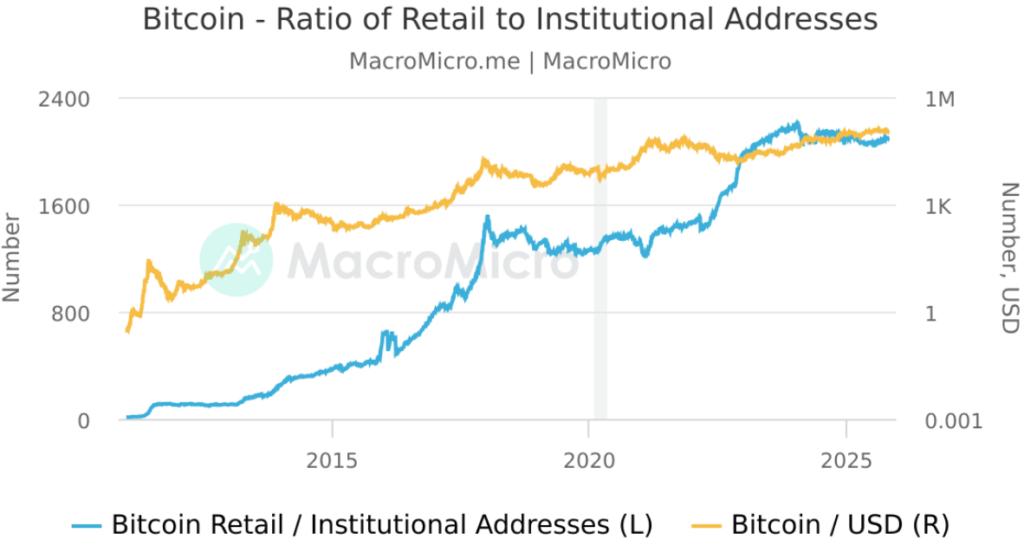
Chart comparing ETF outflows and exchange BTC selling volume
Geopolitical Pressure: U.S.–Iran Tensions Resurface
Crypto Fails to Act as a Safe Haven
Geopolitical risk added another layer of stress. Escalating tensions between the United States and Iran pushed investors toward traditional safe-haven assets such as gold and the Swiss franc. Contrary to the “digital gold” narrative, Bitcoin did not benefit from this flight to safety.
Compounding these concerns, the U.S. Treasury’s Office of Foreign Assets Control (OFAC) sanctioned two UK-based crypto exchanges accused of facilitating transactions linked to Iran’s Revolutionary Guard. This marked the first time such platforms were explicitly targeted, raising fears of broader regulatory crackdowns.
Technical Signals Point to Further Downside
Key Support Levels Under Threat
From a technical perspective, Bitcoin broke below its 50-week moving average after forming a rising wedge pattern, traditionally viewed as a bearish signal. Analysts now identify $78,000 as the next critical support level. A failure to hold this range could open the door to declines toward the mid-$70,000s or even $60,000 under extreme conditions.
Veteran trader Peter Brandt cautioned that a decisive breakdown could invalidate the broader bullish structure that has defined the post-ETF era of Bitcoin.
Fear at Extremes: A Contrarian Signal?
On-Chain Data Suggests a Potential Turning Point
Interestingly, sentiment indicators reached historically extreme levels. The Crypto Fear & Greed Index fell to 16, signaling “extreme fear.” In previous cycles, such readings have often preceded medium-term rebounds, though timing remains uncertain.
On-chain metrics show that long-term holders have largely refrained from selling, suggesting that panic remains concentrated among leveraged traders and short-term speculators.
What Comes Next: Scenarios for Investors
Looking ahead, several factors will shape the next phase of the market:
- The U.S. Senate approval process for the Fed Chair nomination
- Upcoming U.S. inflation and employment data
- Developments in Middle Eastern geopolitics
- Regulatory signals from U.S. and international authorities
Prediction markets remain divided, with roughly equal odds assigned to a recovery toward $100,000 or a deeper correction toward $69,000.
Conclusion: Volatility as the Cost of Transition
The February 2026 crypto market crash serves as a reminder that digital assets are no longer isolated from global macroeconomic and geopolitical forces. As institutional participation grows, cryptocurrencies increasingly respond to the same signals that drive traditional markets.
For investors seeking new crypto assets, revenue opportunities, or practical blockchain applications, this period underscores the importance of risk management, liquidity awareness, and macro literacy. While volatility remains a defining feature of the crypto landscape, it is precisely during such moments of stress that the foundations of the next market cycle are often laid.
