

Key Takeaways :
- Bitcoin’s price has retreated below $90,000, signaling a pause in the early-year crypto rebound.
- Spot Bitcoin ETFs recorded approximately $480 million in net outflows, raising questions about institutional sentiment.
- While Bitcoin shows short-term weakness, selected altcoins such as Dogecoin have significantly outperformed.
- Macroeconomic forces—particularly expectations around U.S. Federal Reserve rate cuts and falling global bond yields—remain the dominant drivers.
- For investors and builders, the current phase represents consolidation, not collapse, with structural opportunities emerging beneath the surface.
Market Snapshot: Bitcoin’s Retreat Below $90,000
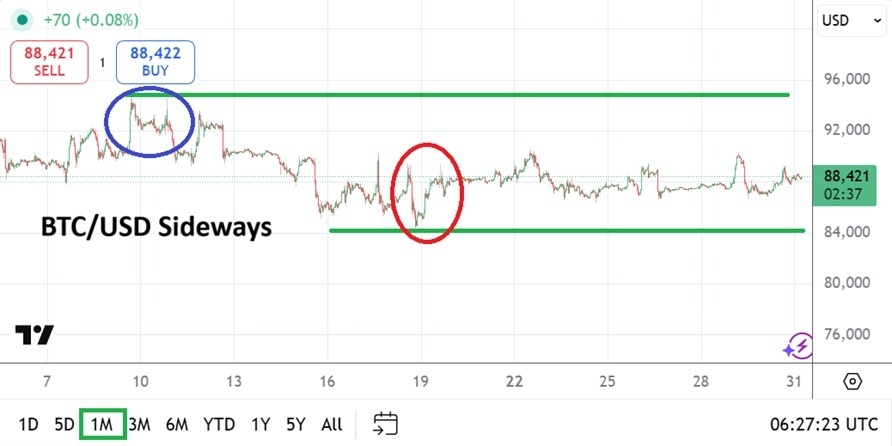
Bitcoin (BTC) slipped below the psychologically important $90,000 level on January 8, 2026, marking a notable shift from the strong rebound that characterized the opening days of the year. Over the previous 24 hours, BTC declined roughly 2%, although it still maintained a weekly gain exceeding 3%.
This price action reflects a market that is no longer moving purely on momentum. Instead, participants are reassessing risk after a sharp year-end rally, particularly as institutional flows begin to reverse.
Bitcoin has historically demonstrated periods of sharp consolidation following strong advances, and the current movement appears consistent with that pattern rather than signaling structural weakness.
[Bitcoin Price Trend (Dec 2025 – Jan 2026)]
ETF Outflows: $480 Million That Changed the Narrative
One of the most discussed data points behind Bitcoin’s pullback is the approximately $480 million in net outflows from spot Bitcoin ETFs. These products, once hailed as a gateway for institutional capital, have increasingly become a sentiment barometer rather than a one-way inflow mechanism.
ETF outflows do not necessarily imply a mass institutional exit from Bitcoin. Instead, they often reflect:
- Portfolio rebalancing after year-end gains
- Tactical de-risking ahead of macro announcements
- Short-term rotation into cash or bonds
Importantly, many institutions now treat Bitcoin ETFs as liquid trading instruments, not long-term buy-and-hold vehicles. This structural shift means ETF flows can amplify short-term volatility without altering the long-term investment thesis.
Altcoins Tell a Different Story: Risk Appetite Has Not Disappeared
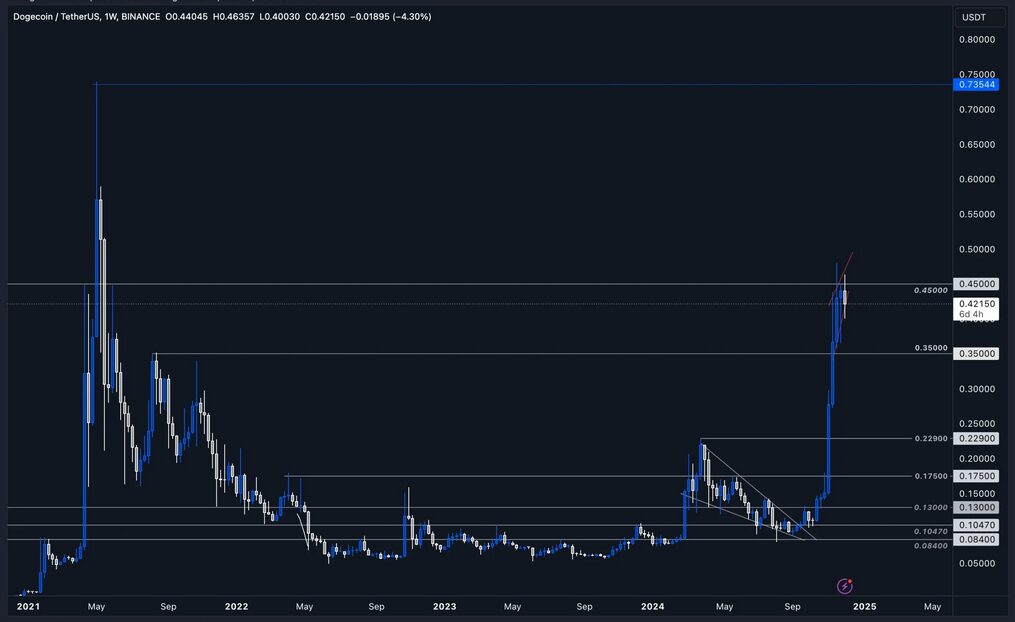
Despite Bitcoin’s hesitation, the broader crypto market has not uniformly weakened. Dogecoin (DOGE), for example, posted a weekly gain of approximately 22%, making it the strongest performer among major tokens.
Dogecoin’s surge highlights an important market nuance: risk appetite is rotating, not vanishing. Capital appears to be selectively flowing into assets with high beta, strong community engagement, or renewed narratives.
This divergence suggests that investors are not exiting crypto altogether, but are instead repositioning within the ecosystem—an environment that often precedes the next thematic cycle.
[Weekly Performance Comparison – BTC vs Major Altcoins]
The Macro Backdrop: Rates, Bonds, and Liquidity
Crypto markets in early 2026 are inseparable from macroeconomic expectations. The dominant forces currently shaping price action include:
- Growing expectations of U.S. Federal Reserve rate cuts
- Rising prices (and falling yields) in global government bond markets
- A gradual return of global liquidity after a prolonged tightening cycle
Lower yields reduce the opportunity cost of holding non-yielding assets such as Bitcoin, while rate-cut expectations tend to revive speculative capital across risk assets.
Federal Reserve policy signaling therefore remains a central driver—not only for Bitcoin, but for the entire digital asset complex.
Bitcoin’s Structural Position: Consolidation, Not Breakdown
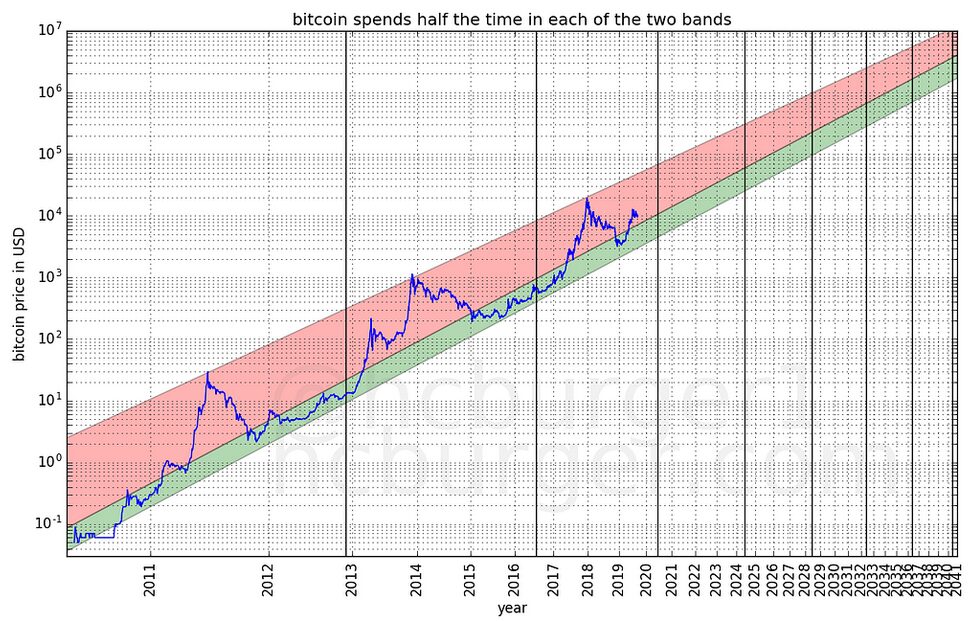
From a structural perspective, Bitcoin’s move below $90,000 should be viewed as consolidation within a higher range, rather than a breakdown. Compared to previous cycles, the current market is supported by:
- Institutional custody infrastructure
- Regulated on-ramps via ETFs and brokers
- Increased corporate treasury exposure
- Mature derivatives and hedging markets
These elements tend to compress downside volatility while extending consolidation phases.
[Bitcoin Market Structure – Cycles and Consolidation Zones]
Implications for Investors Seeking New Opportunities
For readers searching for new crypto assets or income opportunities, the current environment offers several strategic insights:
- Short-term weakness can favor accumulation strategies, particularly for infrastructure-grade assets.
- ETF-driven volatility creates arbitrage and timing opportunities for sophisticated participants.
- Selective altcoin strength signals that thematic trades—payments, memecoins, or application-specific tokens—remain viable.
- Builders should focus on practical blockchain use cases, as capital increasingly rewards real utility over speculation.
Conclusion: A Market Pausing, Not Reversing
Bitcoin’s dip below $90,000 and the $480 million ETF outflow headline may appear alarming at first glance. However, when placed in proper context, they describe a market digesting gains, recalibrating expectations, and rotating risk, rather than one entering a bearish phase.
For investors, developers, and institutions alike, early 2026 represents a transition period—one where discipline, selectivity, and long-term vision matter more than momentum chasing.
The crypto market is not ending its story; it is turning the page.
