

Key Takeaways :
- A severe winter storm in the United States caused a temporary ~10% drop in Bitcoin’s global hashrate, one of the largest short-term declines in recent years.
- Major U.S.-based mining pools, including Foundry USA and Luxor, experienced dramatic reductions in active computing power as miners shut down voluntarily or were forced offline.
- The slowdown led to longer block times (approaching 12 minutes), slightly reduced throughput, and longer confirmation times—without triggering serious congestion.
- While temporary, the incident highlights systemic concentration risks in Bitcoin mining and renews debate around geographic diversification, energy sourcing, and operational resilience.
- For investors and builders, these events reveal both hidden risks and emerging opportunities across mining infrastructure, energy integration, and decentralized resilience strategies.
1. The Winter Storm That Shook U.S. Bitcoin Mining
In late January 2026, a powerful winter storm named Fernan swept across large parts of the United States, bringing extreme cold, snow, and ice. The storm placed extraordinary strain on regional power grids, triggering widespread blackouts that affected more than one million households. Electricity providers issued emergency conservation alerts, urging industrial consumers to reduce load to prevent grid collapse.
Bitcoin mining facilities, which consume large amounts of continuous power, were among the first industrial operations impacted. In many regions, miners voluntarily shut down operations to support grid stability, while others were forcibly taken offline due to outages. The result was one of the sharpest short-term declines in Bitcoin’s hashrate seen in recent years.
This event was not caused by protocol failure, economic stress, or regulatory action. Instead, it was a purely physical-world shock, underscoring the fact that even the most decentralized digital networks remain deeply tied to real-world infrastructure—especially energy.
2. Hashrate Collapse: What Actually Happened
The impact was particularly visible in the United States, now home to a significant share of global Bitcoin mining capacity.
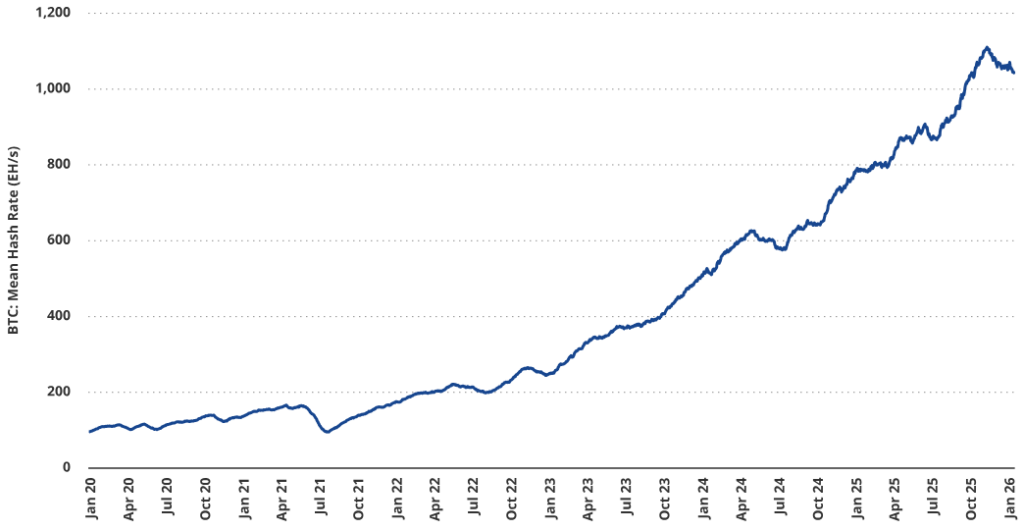
Foundry USA, the world’s largest Bitcoin mining pool by hashrate, saw its computing power plunge by nearly 60% beginning Friday, January 23, 2026 (local time). The pool’s hashrate fell from a recent peak of approximately 328 exahashes per second (EH/s) to around 139 EH/s. Foundry alone accounts for roughly 23% of global mining pool market share, making this drop highly visible at the network level.
Another major North American pool, Luxor, experienced a similar shock. Its hashrate declined from approximately 45 EH/s to around 26 EH/s during the same period. Other U.S.-centric pools and independent miners reported comparable disruptions, compounding the effect.
(Image of sudden drop in hash rate of major mining pools)
3. Slower Blocks, Longer Confirmations
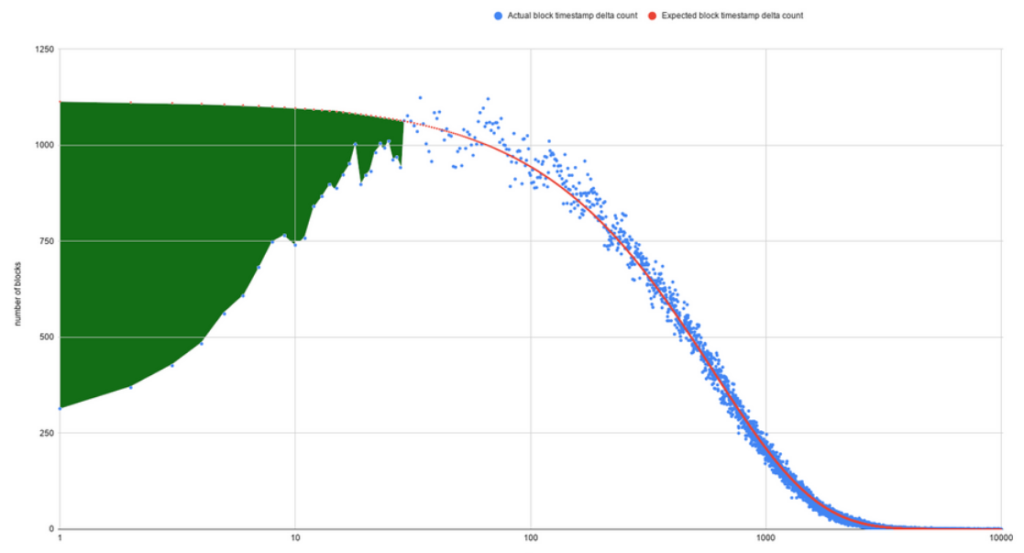
With fewer machines competing to secure the network, Bitcoin’s block production slowed. The average block time drifted toward 12 minutes, significantly above the protocol’s long-term target of approximately 10 minutes.
This slowdown temporarily reduced transaction throughput and extended confirmation times. However, analysts noted that the network did not experience severe congestion. Mempool backlogs remained manageable, and transaction fees did not spike dramatically.
This behavior highlights one of Bitcoin’s core design strengths: graceful degradation. Even under sudden and severe hashrate shocks, the network continues to function predictably, albeit more slowly, until the next difficulty adjustment restores equilibrium.
4. Short-Term Effects on Miners and Market Dynamics
From a miner’s perspective, short-term hashrate drops can have nuanced effects. With fewer competitors online, the probability of solo mining success marginally increases, and remaining miners face less immediate competition for block rewards.
However, these benefits are fleeting. Once power is restored and temperatures stabilize, mining operations typically resume rapidly. Historically, such disruptions are resolved well before the next difficulty adjustment, minimizing long-term economic impact.
For investors, the key takeaway is not profit opportunity from short-lived inefficiencies, but insight into operational risk exposure—particularly for publicly listed miners whose revenues depend on continuous uptime.
5. Structural Vulnerability: Geographic Concentration Risk
While temporary, the Fernan incident exposed a deeper issue: geographic concentration.
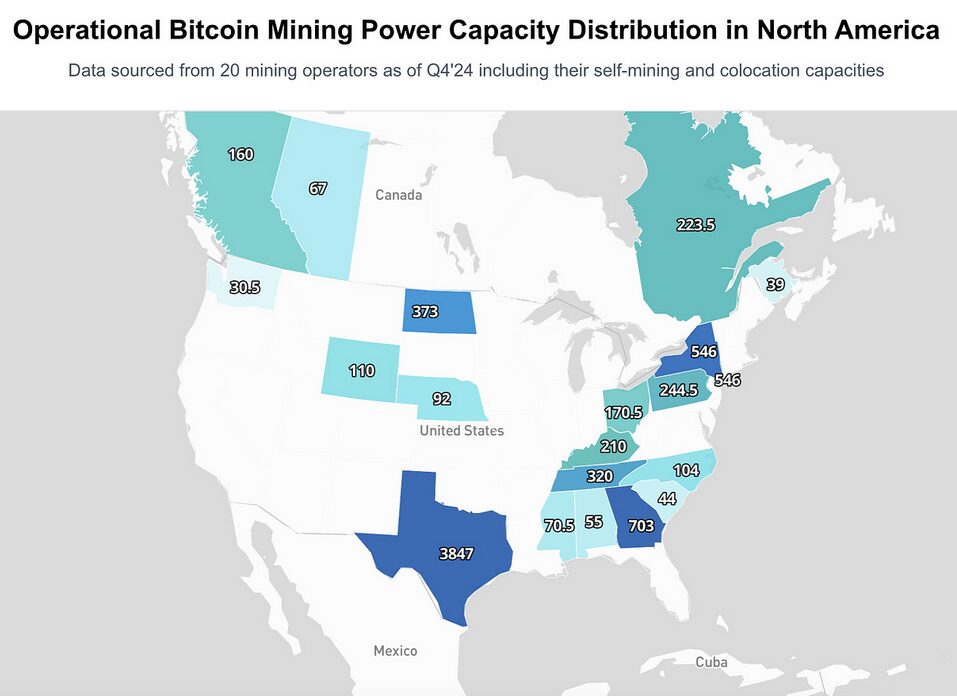
Over the past several years, North America—especially the United States—has become a dominant hub for Bitcoin mining due to regulatory clarity, capital availability, and access to energy markets. However, this concentration means that regional extreme weather events now have outsized influence on global network performance.
As climate volatility increases, storms, heatwaves, droughts, and grid stress events may occur more frequently. Each event may only cause a brief disruption, but collectively they raise questions about long-term resilience.
(A conceptual diagram showing the geographic concentration of Bitcoin mining)
6. Energy Strategy and the Push Toward Resilience
The incident has reignited debate around energy sourcing and infrastructure design in Bitcoin mining.
Some operators are accelerating investments in renewable energy, including hydro, wind, and solar, paired with battery storage. Others are exploring off-grid or hybrid models, reducing reliance on stressed public grids. Geographic diversification—spreading facilities across multiple climates and jurisdictions—is also gaining renewed attention.
For blockchain builders and investors, this trend opens doors to new revenue models: energy-aware mining software, grid-balancing services, demand-response integrations, and tokenized energy infrastructure.
7. What This Means for the Broader Blockchain Ecosystem
The Fernan storm was not a crisis, but a stress test. Bitcoin passed it—but the lessons extend beyond mining.
They apply to any blockchain system that relies on physical infrastructure: data centers, validators, oracles, and cross-chain bridges. Resilience is no longer just a cryptographic problem; it is an engineering, geographic, and energy problem.
Projects that can bridge digital decentralization with physical-world robustness are likely to gain strategic advantage in the coming decade.
8. Conclusion: Temporary Shock, Lasting Lessons
The winter storm Fernan caused a noticeable but temporary disruption to Bitcoin mining, reducing hashrate, slowing block times, and reminding the industry of its dependence on real-world energy systems.
Yet, the network remained stable. Transactions continued. Trust was not broken.
For miners, investors, and builders, the incident underscores a clear message: resilience is the next frontier. Those who design systems—whether mining operations, blockchain protocols, or energy integrations—with climate and infrastructure risk in mind will be best positioned to capture the next wave of opportunity in the crypto economy
