
Main Key Points :
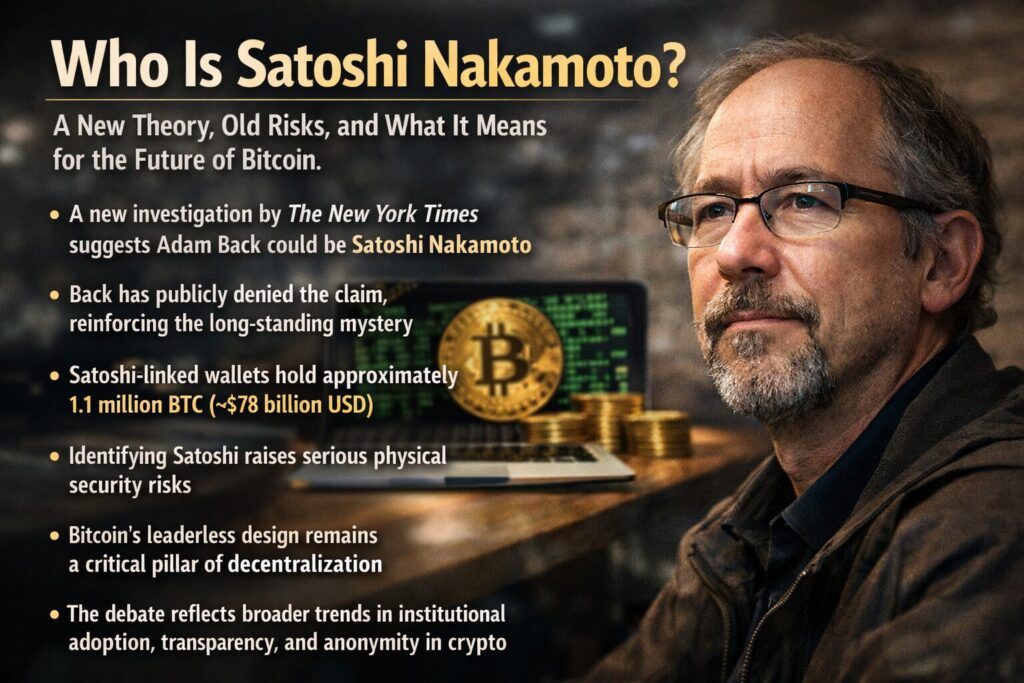
- A new investigation by The New York Times suggests Adam Back could be Satoshi Nakamoto
- Back has publicly denied the claim, reinforcing the long-standing mystery
- Satoshi-linked wallets hold approximately 1.1 million BTC (~$78 billion USD)
- Identifying Satoshi raises serious physical security risks
- Bitcoin’s leaderless design remains a critical pillar of decentralization
- The debate reflects broader trends in institutional adoption, transparency, and anonymity in crypto
Introduction: The Mystery That Refuses to Die
For over a decade, the identity of Satoshi Nakamoto has remained one of the greatest unsolved mysteries in modern finance and technology. Despite countless theories, investigations, and speculative claims, the creator of Bitcoin continues to remain anonymous—by design or by circumstance.
Recently, The New York Times reignited the debate with a bold new claim: that Adam Back, a respected British cryptographer and co-founder of Blockstream, may in fact be the elusive Satoshi.
While the theory is not entirely new, the weight of a major global publication has once again pushed the conversation into the spotlight—raising not only technical questions, but ethical, financial, and even personal safety concerns.
The New York Times Theory: Why Adam Back?
The investigation by The New York Times draws on several key arguments:
1. Writing Style and Linguistic Analysis
The report highlights similarities between Satoshi’s writings and those of Adam Back, including tone, terminology, and technical framing.
2. Historical Timeline Alignment
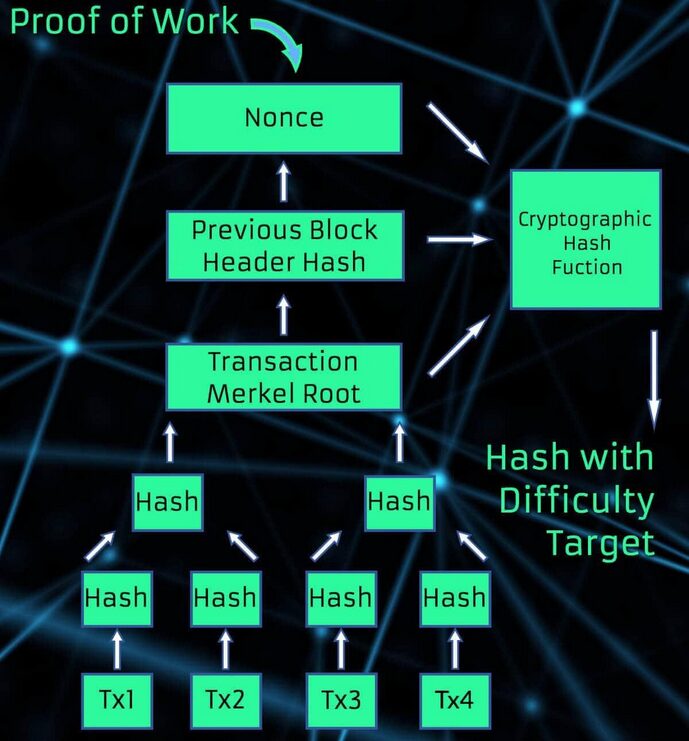
Back developed Hashcash, an early proof-of-work system referenced in the Bitcoin whitepaper. His involvement in cryptographic communities predates Bitcoin, placing him in the right intellectual and temporal context.
3. Online Activity and Connections
Archived forum posts and email exchanges suggest that Back had knowledge and engagement with ideas central to Bitcoin before its launch.
However, despite these arguments, Back has clearly and repeatedly denied being Satoshi.
Denial and the Persistence of Uncertainty
Shortly after the report, Adam Back responded publicly, stating:
“I am not Satoshi.”
This denial follows a familiar pattern seen in past accusations involving figures like Peter Todd and Dorian Nakamoto—both of whom were thrust into the spotlight against their will.
The persistence of these theories highlights a paradox: the more Bitcoin succeeds, the more the world seeks a human origin story.
The $78 Billion Question: Why Identity Matters
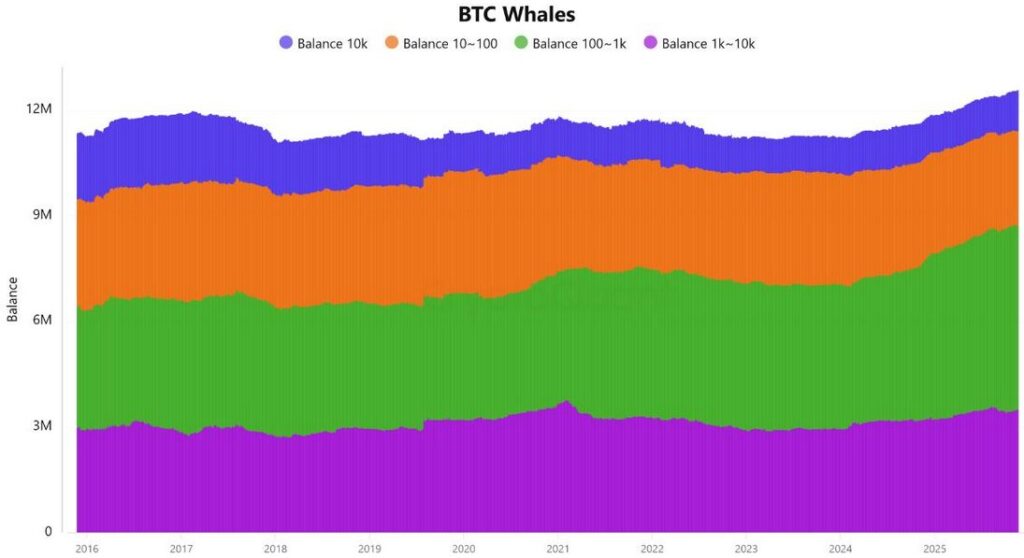
According to data from Arkham Intelligence, wallets believed to belong to Satoshi contain approximately:
- 1.1 million BTC
- Equivalent to roughly $78 billion USD
This makes Satoshi one of the wealthiest entities on Earth—if the coins are still accessible.
Security Risks
Identifying Satoshi is not merely an academic exercise. It introduces real-world dangers:
- Kidnapping and extortion
- Targeted cyberattacks
- Financial coercion
A real example includes Peter Todd, who reportedly had to go into hiding after being publicly identified in a documentary.
Bitcoin’s Design Philosophy: Why No Leader Matters
At its core, Bitcoin was designed to eliminate the need for centralized authority.
Key Principle: Leaderless Trust
Bitcoin operates on:
- Open-source code
- Distributed consensus
- Cryptographic verification
If a central figure existed—or worse, exerted influence—the system could be compromised.
Adam Back himself emphasized that Bitcoin’s value as a mathematically scarce digital commodity depends on the absence of a controlling leader.
Broader Industry Context: Transparency vs Anonymity
The renewed focus on Satoshi’s identity reflects deeper tensions within the crypto industry:
1. Institutional Adoption
Major financial institutions are entering crypto markets, demanding transparency, accountability, and regulatory clarity.
2. Privacy and Cypherpunk Ideals
Early Bitcoin philosophy emphasized anonymity and decentralization—values that may conflict with modern compliance requirements.
3. Market Psychology
Narratives matter. Identifying Satoshi could:
- Shake market confidence
- Trigger speculative volatility
- Redefine Bitcoin’s origin story
Bitcoin Supply Distribution (Estimated)
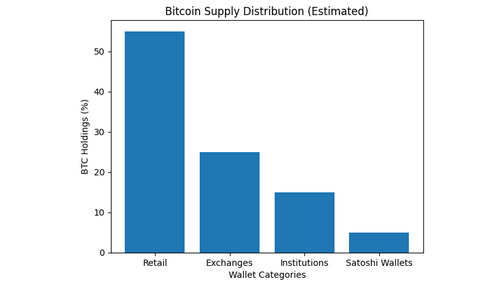
(※Below is a conceptual visualization you can generate for presentation)
- X-axis: Wallet categories (Retail, Exchanges, Institutions, Satoshi Wallets)
- Y-axis: BTC Holdings (%)
- Highlight: Satoshi wallets ≈ 5% of total supply
Risk Exposure if Satoshi Is Identified
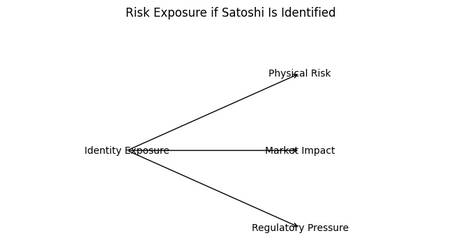
- Diagram showing:
- Identity exposure → Physical risk
- Identity exposure → Market impact
- Identity exposure → Regulatory pressure
Implications for Investors and Builders
For readers seeking new crypto opportunities and practical blockchain applications, this discussion offers several insights:
1. Decentralization Is a Competitive Advantage
Projects that minimize reliance on individuals are more resilient and scalable.
2. Narrative Risk Is Real
Markets are influenced not only by fundamentals but by stories, speculation, and media narratives.
3. Security Must Be Multi-Layered
From protocol design to personal safety, risk management extends beyond code.
4. Hidden Supply Dynamics Matter
Large dormant wallets (like Satoshi’s) represent latent market risk—should they ever move.
Conclusion: The Power of the Unknown
The identity of Satoshi Nakamoto may never be definitively proven—and perhaps that is precisely the point.
Bitcoin’s success does not depend on its creator. In fact, its resilience may stem from the absence of one.
As the industry evolves—balancing institutional trust with decentralized ideals—the mystery of Satoshi continues to serve as both a philosophical anchor and a practical safeguard.
In a world increasingly driven by identity, Bitcoin’s greatest strength may be that its creator chose to disappear.
