
Main Points :
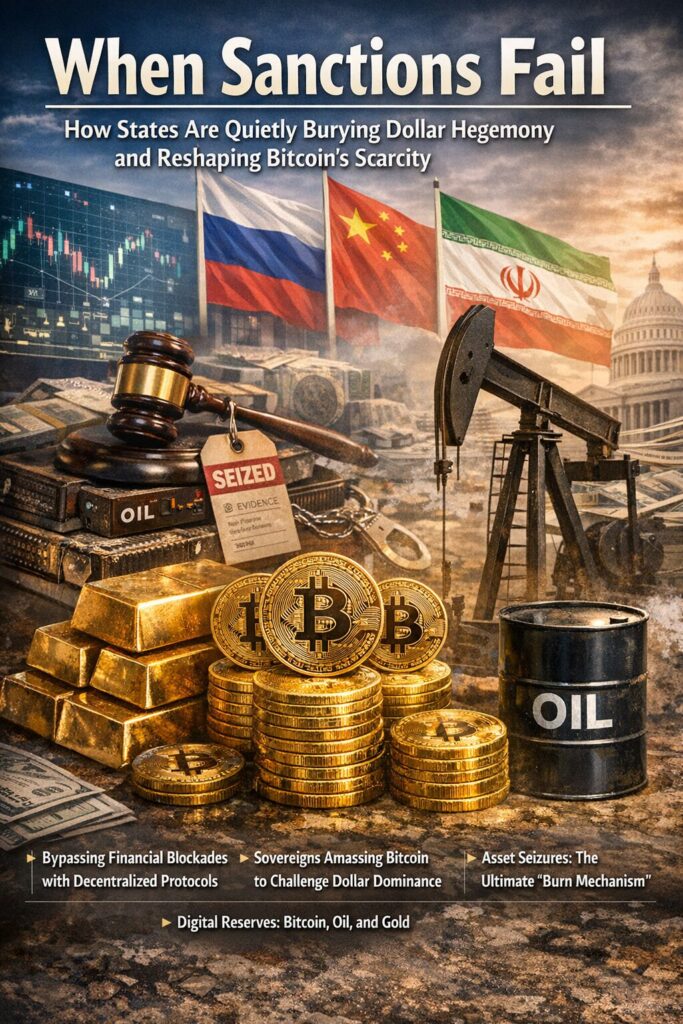
- Decentralized protocols are increasingly used by sanctioned states to bypass traditional financial blockades.
- Bitcoin accumulation by sovereign actors represents a direct structural challenge to U.S. dollar dominance.
- Judicial seizures and freezes unintentionally function as an ultimate “burn mechanism,” removing supply from circulation.
- Digital assets are emerging as strategic reserves alongside oil and gold.
- The competition for Bitcoin is evolving from individuals to institutions—and now to nation-states.
1. The Absolute Advantage of Decentralized Protocols That Penetrate the Physical Wall of Economic Sanctions
[“How Decentralized Networks Bypass Economic Sanctions”]
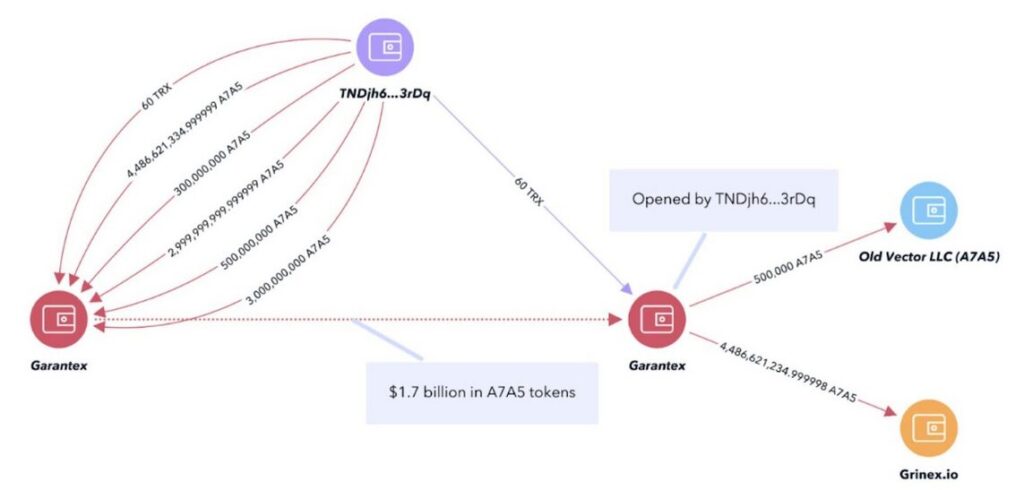
The covert accumulation of Bitcoin by sanctioned governments—most notably Venezuela—is no longer a speculative rumor but a geopolitical reality reshaping the global balance of power. What began as isolated tactics by economically cornered regimes has evolved into a systematic strategy that exploits the fundamental properties of decentralized networks.
Traditional international finance has long operated under a centralized architecture where access to reserves, settlement rails, and liquidity can be unilaterally severed by U.S.-aligned institutions. Sanctions, asset freezes, and correspondent banking cutoffs have functioned as effective tools of economic warfare. Bitcoin, however, introduces a radically different paradigm.
As a borderless, censorship-resistant protocol governed by mathematics rather than political authority, Bitcoin enables sovereign actors to convert physical commodities—most notably oil—into digital value that cannot be easily confiscated or blocked. This transition represents not merely a workaround, but an outright rebellion against the existing monetary order.
By escaping central bank custody and international clearing systems, sanctioned states are effectively opting out of dollar hegemony. The implications are profound: national survival strategies are no longer constrained by diplomatic isolation. Instead, they are safeguarded by cryptographic consensus operating 24/7 across a global network.
As of 2026, this approach is increasingly viewed not as an extremist measure, but as a rational component of national security planning. Capital pools growing beyond the reach of U.S. enforcement are quietly eroding the leverage of sanctions-based diplomacy and accelerating the transition toward a multipolar financial world.
2. The Ultimate Unintentional Burn Mechanism: Judicial Freezes and the Fear of Circulation Halt
[“Judicial Seizures as a De Facto Supply Burn”]
A critical irony defines the current phase of Bitcoin’s evolution. Each time state-level accumulation is uncovered, U.S. law enforcement agencies intensify efforts to seize or freeze associated assets. While politically understandable, this response produces an unintended economic consequence: permanent supply reduction.
Bitcoin confiscated through judicial processes often remains locked for years—sometimes indefinitely—pending legal resolution. During this time, these coins are effectively removed from circulation, inaccessible to markets, investors, or even the state actors who originally accumulated them.
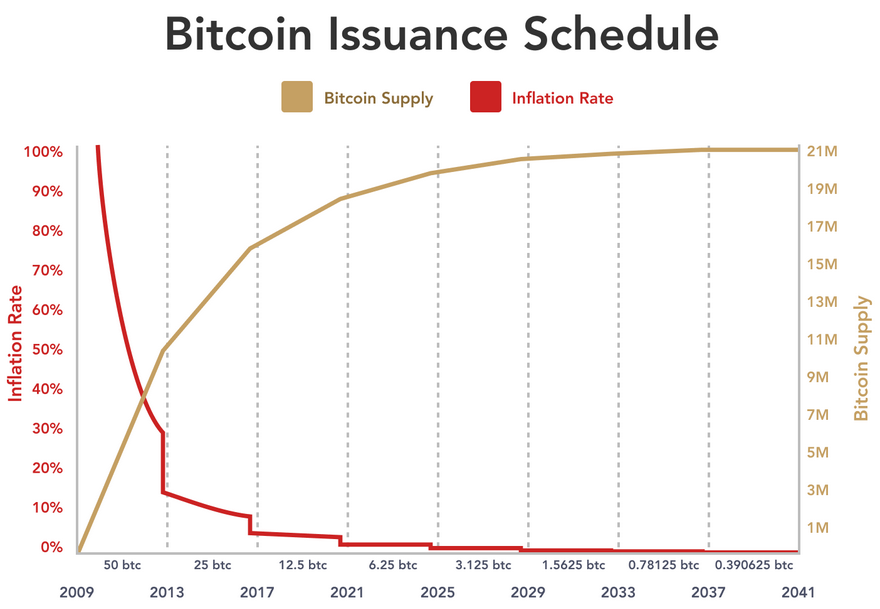
This creates a peculiar feedback loop. Authoritarian regimes accumulate Bitcoin to survive sanctions; the U.S. freezes those holdings to enforce sanctions; and the market experiences an irreversible contraction in liquid supply. The result is an artificial scarcity mechanism more powerful than any protocol-level burn.
By 2026, this phenomenon has become a dominant structural force in Bitcoin markets. Every escalation of geopolitical conflict tightens supply further, exerting upward pressure on price. Ironically, the U.S. government—through enforcement actions—has become one of Bitcoin’s strongest scarcity enforcers.
Coins that should function as liquidity instead vanish into legal limbo, transforming into “dead supply.” The cumulative effect is far more severe than most retail investors realize. When markets fully price in this distortion, Bitcoin’s valuation dynamics shift into a regime where acquisition costs reach unprecedented levels.
3. Digital Code as Strategic Reserves: Redefining National Security
[“From Gold and Oil to Digital Strategic Reserves”]
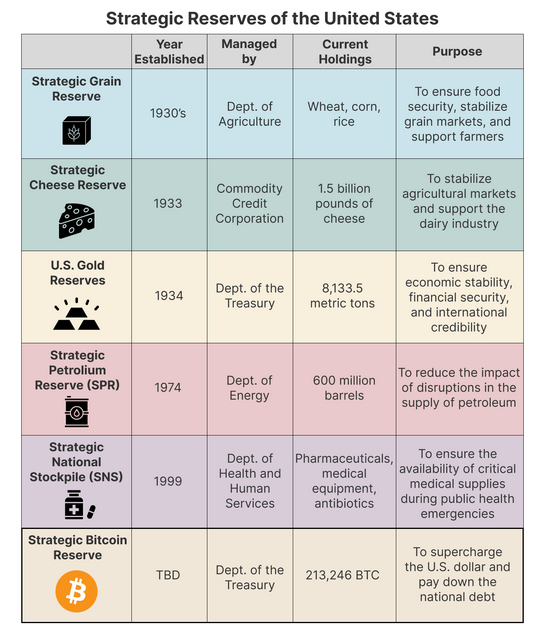
By 2026, the quiet arms race for Bitcoin is spreading beyond a single nation. Other sanctioned states are beginning to treat digital assets as strategic reserves, on par with gold and oil. This marks a fundamental redefinition of national security.
For the first time in human history, a purely digital commodity—secured by cryptography rather than military force—is influencing geopolitical leverage. Bitcoin ownership now functions as an economic shield, reducing vulnerability to external interference and enhancing sovereign autonomy.
This is not speculative mania. It is a structural transition in how value is stored, defended, and deployed at the state level. Nations without digital reserves face increasing exposure to financial coercion, while those with sufficient holdings gain strategic flexibility.
As governments quietly prepare wallets and custody frameworks, individuals face a narrowing window of opportunity. The migration of Bitcoin sovereignty—from individuals to institutions, and now to nation-states—suggests that future access will come at exponentially higher cost.
Looking toward 2027, Bitcoin’s role is no longer confined to investment portfolios. It is becoming a pillar of geopolitical power, a silent determinant of economic independence, and a cornerstone of the next financial order.
Conclusion: The Inevitable Rewriting of Monetary History
The convergence of sanctions evasion, judicial freezes, and sovereign accumulation reveals a stark truth: the existing financial system is structurally vulnerable. Bitcoin exploits these weaknesses not through force, but through design.
What we are witnessing is not a temporary market cycle, but a civilizational transition. As gold, oil, and Bitcoin emerge as the three strategic pillars of national power, digital assets cease to be optional. They become existential.
Those who recognize this shift early—whether states, institutions, or individuals—stand to gain unprecedented economic autonomy. Those who ignore it risk permanent dependency in a world where value increasingly resides beyond borders, beyond banks, and beyond political reach.
History is being rewritten in real time, and Bitcoin sits at the center of that transformation.
