
Key Points :
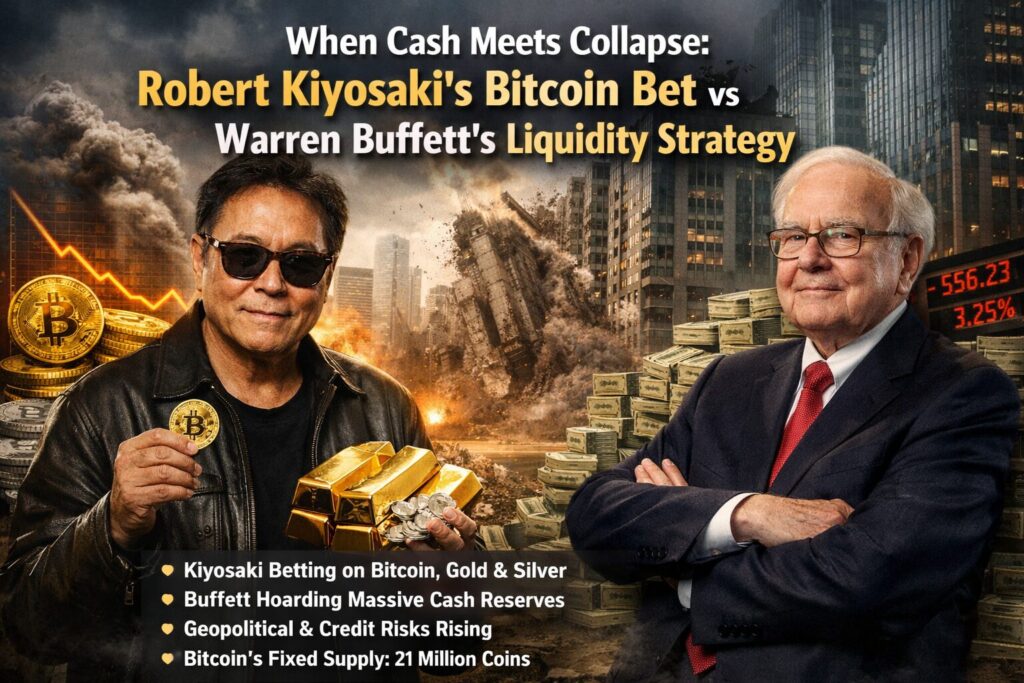
- Robert Kiyosaki is aggressively accumulating hard assets including Bitcoin ahead of a potential financial crash
- Warren Buffett is holding massive cash reserves to deploy during market downturns
- Kiyosaki believes capital does not disappear in crises—it shifts into scarce assets like Bitcoin, gold, and silver
- Private credit stress and geopolitical tensions are increasing systemic financial risk
- Bitcoin’s fixed supply (21 million) positions it as a key beneficiary of capital rotation during crises
Introduction: A Clash of Philosophies in an Uncertain Market
The global financial landscape is entering a period of heightened uncertainty. Inflationary pressures, geopolitical instability, and structural weaknesses in private credit markets are converging into what some analysts describe as a potential systemic turning point. Against this backdrop, two of the world’s most recognizable financial figures—Robert Kiyosaki and Warren Buffett—are adopting starkly contrasting strategies.
Kiyosaki, best known for his book Rich Dad Poor Dad, is doubling down on hard assets, particularly Bitcoin, while Buffett, the legendary investor behind Berkshire Hathaway, is sitting on record levels of cash. This divergence is not merely tactical—it reflects fundamentally different interpretations of risk, opportunity, and the future of money.
Kiyosaki’s Warning: “The Crash Is Accelerating”
Robert Kiyosaki has recently intensified his warnings about an impending financial collapse. According to him, stress is building within private credit markets, where liquidity mismatches and opaque risk structures are beginning to unravel. He points to signs of panic among investors withdrawing capital, placing strain on funds and financial institutions.
In his view, these are not isolated issues but symptoms of a broader systemic fragility—one that has persisted since the unresolved consequences of the 2008 Global Financial Crisis. Unlike traditional economists who may see cyclical corrections, Kiyosaki interprets current conditions as the precursor to what he calls the “biggest crash in history.”
Asset Allocation in Action: From Cash to Hard Assets
Rather than waiting on the sidelines, Kiyosaki is actively reallocating capital. He disclosed that he recently deployed millions of dollars into:
- Oil wells
- Gold and silver
- Bitcoin and Ethereum
This approach reflects his belief that tangible and scarce assets will outperform financial instruments during periods of monetary instability.
In contrast, Warren Buffett’s strategy emphasizes liquidity. Berkshire Hathaway’s massive cash reserves—estimated in the hundreds of billions of dollars—are designed to capitalize on distressed valuations during downturns. Buffett’s philosophy is rooted in patience and optionality: cash provides the flexibility to act decisively when opportunities arise.
Kiyosaki acknowledges this difference openly, stating that Buffett would likely not follow his aggressive accumulation strategy.
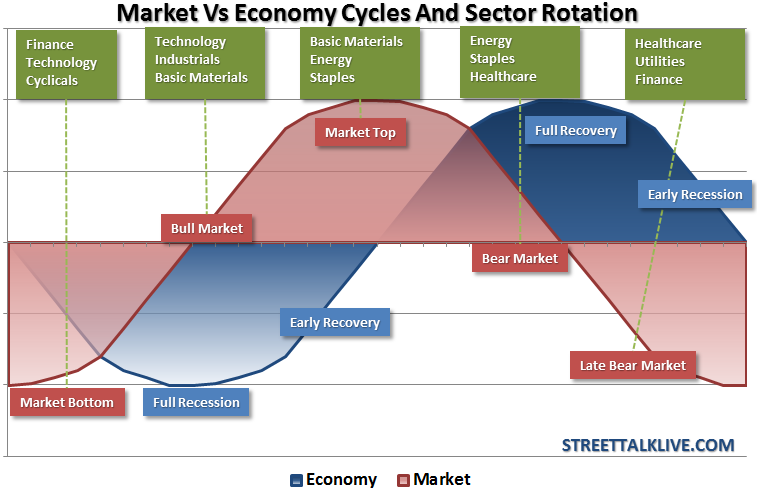
Asset Strategy Comparison Chart
Capital Rotation: Why Crashes Create Opportunity
A central theme in Kiyosaki’s thesis is that wealth does not vanish during crises—it simply moves. When traditional markets falter, capital seeks refuge in alternative stores of value.
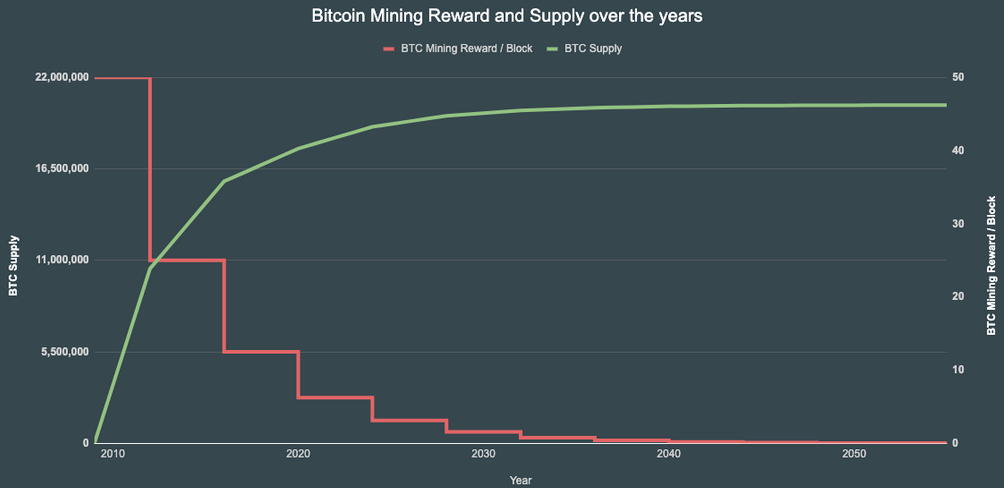
Historically, gold has played this role. However, the emergence of Bitcoin has introduced a new dimension to this dynamic. With its fixed supply of 21 million coins, Bitcoin offers a level of scarcity that is mathematically enforced, unlike fiat currencies that can be expanded through monetary policy.
Kiyosaki argues that during a severe downturn, capital will flow out of equities and bonds—particularly those tied to overleveraged systems—and into assets that cannot be diluted.
Bitcoin as Digital Scarcity: A Structural Advantage
Bitcoin’s design is central to Kiyosaki’s conviction. Unlike traditional financial assets, Bitcoin operates on a decentralized network with predefined issuance rules. This makes it resistant to inflationary pressures that erode the value of fiat currencies.
From an investment perspective, Bitcoin shares characteristics with gold but adds advantages such as:
- Portability across borders
- Verifiability without intermediaries
- Programmability within blockchain ecosystems
As institutional adoption continues—through ETFs, custody solutions, and integration into financial infrastructure—Bitcoin’s role as a macro asset is becoming increasingly recognized.
Bitcoin Supply Curve vs Fiat Expansion
Geopolitics and Energy Markets: The Oil Factor
Kiyosaki’s strategy is not limited to digital assets. His investments in oil reflect a broader view that geopolitical tensions—particularly in regions like the Middle East—will continue to disrupt supply chains and drive energy prices higher.
He specifically referenced risks around the Strait of Hormuz, a critical chokepoint for global oil transportation. Any sustained disruption in this region could significantly impact energy markets, reinforcing the value of direct exposure to oil production.
This multi-asset approach—combining commodities and cryptocurrencies—illustrates a hedging strategy against both financial and geopolitical risk.
Planning vs Panic: The Role of Strategy in Volatility
Despite his aggressive positioning, Kiyosaki emphasizes the importance of having a plan. He cautions that without a clear strategy, investors may be better off doing nothing during market crashes.
This advice aligns with behavioral finance principles: emotional reactions often lead to poor decision-making in volatile environments. Whether one follows Buffett’s liquidity strategy or Kiyosaki’s asset accumulation approach, discipline and preparation are essential.
Broader Market Trends: Institutional Shifts Toward Crypto
Beyond Kiyosaki’s personal views, broader market trends support the growing relevance of Bitcoin and digital assets:
- Institutional investors are increasingly allocating to crypto as part of diversified portfolios
- Major financial institutions are developing blockchain-based payment systems
- Regulatory clarity is improving in key jurisdictions, enabling broader adoption
These developments suggest that Bitcoin is transitioning from a speculative asset to a recognized component of global financial infrastructure.
Conclusion: Two Paths, One Reality
The contrast between Robert Kiyosaki and Warren Buffett highlights a fundamental truth: there is no single correct strategy in uncertain markets. Instead, investors must choose approaches that align with their risk tolerance, time horizon, and understanding of macroeconomic forces.
Kiyosaki’s aggressive accumulation of Bitcoin and hard assets reflects a belief in systemic transformation—one where traditional financial structures give way to decentralized alternatives. Buffett’s cash-heavy position, meanwhile, represents confidence in market cycles and the enduring value of disciplined capital deployment.
What unites these perspectives is a shared recognition of volatility. Whether through liquidity or scarcity, both strategies aim to navigate—and ultimately capitalize on—the opportunities that arise during periods of disruption.
For investors seeking new income streams and exposure to emerging technologies, the key takeaway is clear: preparation, diversification, and a deep understanding of asset dynamics are more critical than ever.
