

Main Points :
- BitMEX co-founder Arthur Hayes says he is not buying Bitcoin right now, despite predicting a long-term price of $250,000.
- Hayes believes Federal Reserve monetary easing will be the real catalyst for the next crypto bull market.
- Geopolitical tensions and potential war spending could trigger liquidity injections from central banks.
- In the short term, Bitcoin could even fall below $60,000 due to market liquidations.
- Other analysts argue that strong Nasdaq performance and macro stabilization could drive Bitcoin and altcoins higher sooner.
1. Arthur Hayes’ Surprising Strategy: Waiting Instead of Buying
BitMEX co-founder Arthur Hayes has long been known as one of the cryptocurrency industry’s most outspoken macro thinkers. His forecasts often combine geopolitical developments, monetary policy, and financial market dynamics. Recently, Hayes surprised many crypto investors by stating that he would not buy Bitcoin at the current moment, even though he remains extremely bullish about its long-term trajectory.
In a recent appearance on the YouTube podcast Coin Stories, Hayes explained that if he had to invest one dollar today, he would not allocate it to Bitcoin immediately. Instead, he would wait.
This statement is notable because Hayes has repeatedly predicted that Bitcoin could reach $250,000 in the current cycle. Yet his strategy highlights an important distinction between long-term conviction and short-term macro timing.
According to Hayes, the key factor determining the next major crypto rally will not simply be adoption or technological development. Instead, it will be global liquidity conditions, particularly the policies of the U.S. Federal Reserve.
For investors seeking new crypto opportunities, this perspective reflects a broader trend: digital asset markets are increasingly influenced by traditional macroeconomic forces.
Bitcoin Price Cycles and Global Liquidity
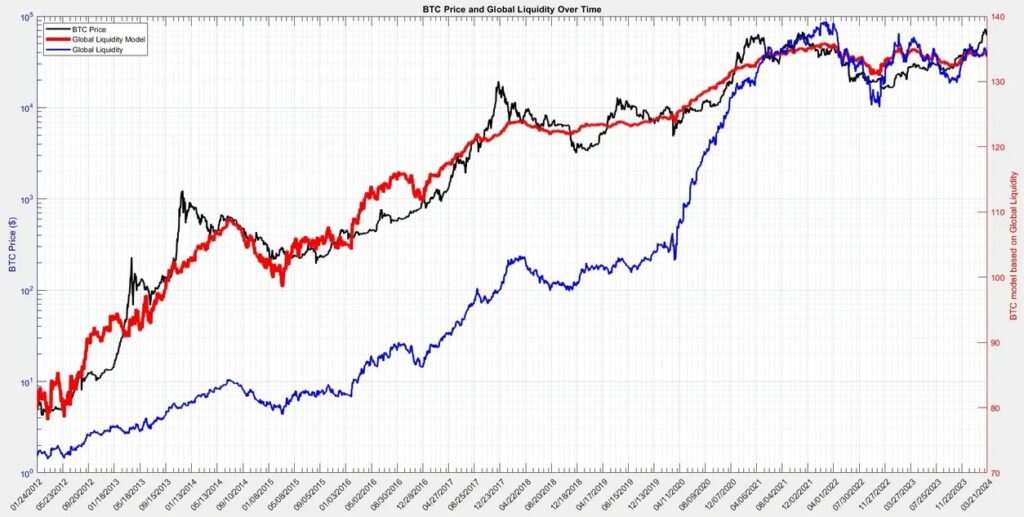
Illustration of how Bitcoin historically reacts to expansions in global liquidity.
2. Why Federal Reserve Policy Matters for Bitcoin
Hayes’ argument centers on one critical idea: Bitcoin thrives in environments where central banks inject liquidity into the financial system.
Historically, major crypto bull markets have coincided with periods when global central banks implemented aggressive monetary easing.
Examples include:
- 2020–2021: Massive quantitative easing during the pandemic drove Bitcoin from about $4,000 to over $60,000.
- 2017: Global monetary expansion helped fuel the first major retail-driven crypto boom.
- 2023–2024: Liquidity injections following banking instability contributed to Bitcoin’s recovery.
Hayes believes that the next major catalyst will again come from monetary expansion, especially if the Federal Reserve begins easing policy to support economic stability.
According to him, once central banks start supplying liquidity again, Bitcoin could quickly resume its upward trajectory.
His perspective reframes a popular narrative within crypto markets. While some people claim that “war is good for Bitcoin,” Hayes argues that this interpretation is incomplete.
Instead, the real driver is the money printing that often accompanies wartime or economic crises.
In other words, it is not conflict itself that benefits Bitcoin—it is liquidity expansion.
3. Geopolitics and the Possibility of a Liquidity Shock
Another reason Hayes is cautious in the short term is rising geopolitical tension.
He warned that if a major conflict—such as a prolonged confrontation involving the United States and Iran—were to escalate, financial markets could initially react negatively.
In such a scenario, investors might liquidate risk assets, including cryptocurrencies.
Hayes suggested that this could trigger a broad market sell-off affecting both equities and Bitcoin.
Historically, Bitcoin has sometimes behaved like a risk asset during crises, particularly when investors rush to cash.
However, Hayes believes the longer-term outcome could be different.
Extended geopolitical conflict often forces governments to increase spending dramatically. This spending frequently requires central banks to inject liquidity into the financial system.
If that happens, Bitcoin could benefit significantly.
Thus, Hayes’ thesis can be summarized as follows:
- Geopolitical tensions may initially push Bitcoin prices lower.
- Governments respond with monetary stimulus.
- Bitcoin ultimately rallies strongly due to increased liquidity.
4. Could Bitcoin Fall Below $60,000?
At the time of Hayes’ comments, Bitcoin was trading around $69,900, roughly 45% below its all-time high of $126,000 recorded in October 2025.
Although Bitcoin has been recovering gradually since touching near $60,000 earlier in the year, Hayes warned that further downside is still possible.
Specifically, he suggested that Bitcoin could temporarily fall below $60,000 if market liquidations cascade across leveraged positions.
Large liquidations have historically played a major role in crypto price swings. Because many traders use leverage, sudden price movements can trigger forced selling.
These liquidation cascades can amplify volatility dramatically.
For example:
- In 2021, Bitcoin experienced several $10,000–$20,000 single-day drops driven by leveraged liquidations.
- Similar events occurred during the 2022 market crash.
Hayes believes that if geopolitical uncertainty intensifies, markets could see another such liquidation wave.
How Liquidation Cascades Drive Crypto Market Volatility

5. Not Everyone Agrees: Bullish Analysts See Near-Term Upside
While Hayes advocates patience, not all analysts share his cautious view.
Crypto analyst Michaël van de Poppe recently argued that the macro environment could actually support a near-term rally.
He pointed out that strong performance in the Nasdaq technology index often correlates with bullish conditions for cryptocurrencies.
Historically, tech stocks and digital assets have been linked through several factors:
- High risk tolerance among investors
- Growth-oriented capital allocation
- Shared investor demographics
According to van de Poppe, the current market environment shows fewer uncertainty signals than earlier in the cycle.
If macro stability continues, Bitcoin and altcoins could experience significant upside.
This divergence of opinions highlights a central truth in crypto investing:
Market timing remains extremely difficult, even for experienced analysts.
6. The Long-Term Outlook: Why Hayes Still Predicts $250,000 Bitcoin
Despite his short-term caution, Hayes remains one of Bitcoin’s most vocal long-term bulls.
His prediction of $250,000 Bitcoin is based on several macroeconomic trends.
These include:
1. Global Debt Expansion
Government debt worldwide continues to grow rapidly. Historically, high debt levels lead to monetary expansion and currency debasement.
Bitcoin, with its fixed supply of 21 million coins, is often viewed as a hedge against this trend.
2. Institutional Adoption
Major financial institutions continue entering the crypto space.
Examples include:
- Bitcoin ETFs
- Digital asset custody services
- Tokenized financial markets
These developments increase demand for Bitcoin as a macro asset.
3. Structural Supply Constraints
Bitcoin’s issuance rate continues declining due to its programmed halving cycles.
Reduced new supply combined with rising demand can produce powerful price movements.
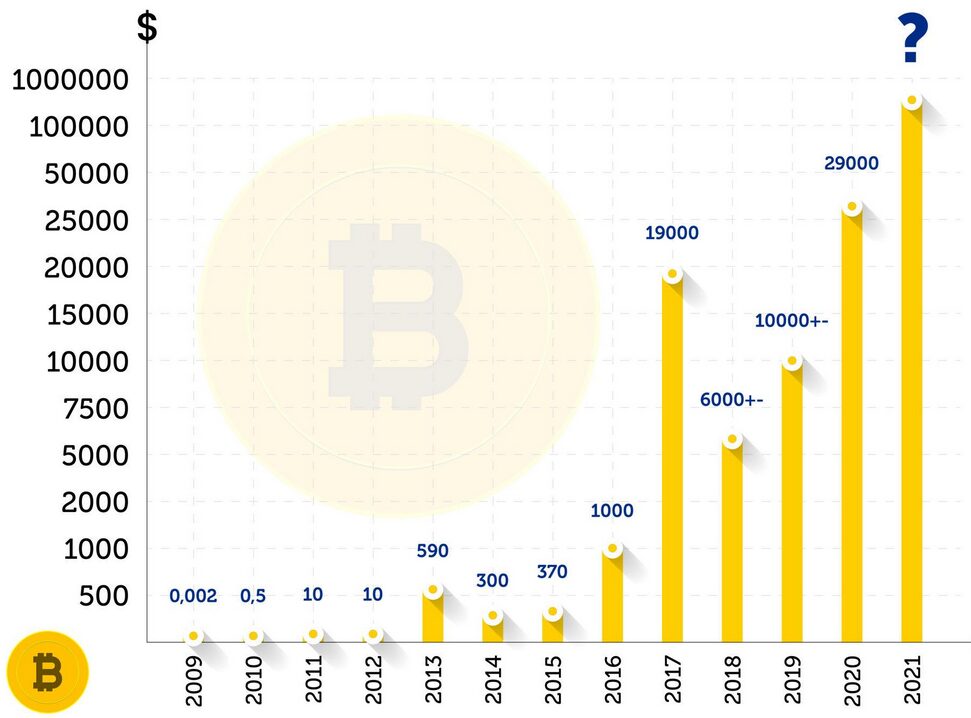
Bitcoin’s Supply Halving Cycle and Long-Term Scarcity
7. What This Means for Crypto Investors and Builders
For investors searching for the next profitable opportunity in digital assets, Hayes’ perspective offers an important lesson.
The cryptocurrency market is no longer isolated from the broader financial system.
Instead, it increasingly behaves like a macro-sensitive asset class influenced by:
- interest rates
- central bank policy
- global liquidity
- geopolitical risk
Understanding these forces can help investors anticipate major market cycles.
At the same time, builders in the blockchain industry should recognize that adoption continues expanding regardless of short-term price movements.
Key developments include:
- tokenized real-world assets
- stablecoin payment networks
- decentralized finance infrastructure
- cross-chain liquidity systems
These innovations may ultimately drive the next phase of crypto growth.
Conclusion
Arthur Hayes’ decision to wait before buying Bitcoin highlights the growing importance of macroeconomic analysis in cryptocurrency investing.
While he remains confident that Bitcoin could eventually reach $250,000, he believes the next major rally will depend on one critical factor: global liquidity expansion driven by central banks.
In the short term, geopolitical uncertainty and market liquidations could push Bitcoin prices lower, possibly even below $60,000.
However, history suggests that when governments respond to crises with monetary stimulus, Bitcoin often emerges as one of the strongest performing assets.
For crypto investors, the message is clear:
The future of digital assets will not be shaped solely by technology or adoption—but also by the global financial system and the flow of liquidity within it.
Understanding this relationship may be the key to navigating the next major phase of the cryptocurrency market.
