

Main Points :
- Virginia’s Senate committee approved SB557 (13–2), a bill authorizing the state treasurer to invest in digital assets that meet strict size and governance criteria—effectively limiting eligibility to Bitcoin.
- Eligibility is market-cap based: only assets with a 24-month average market capitalization of at least $500 billion qualify, creating a conservative, rules-based gateway for public funds.
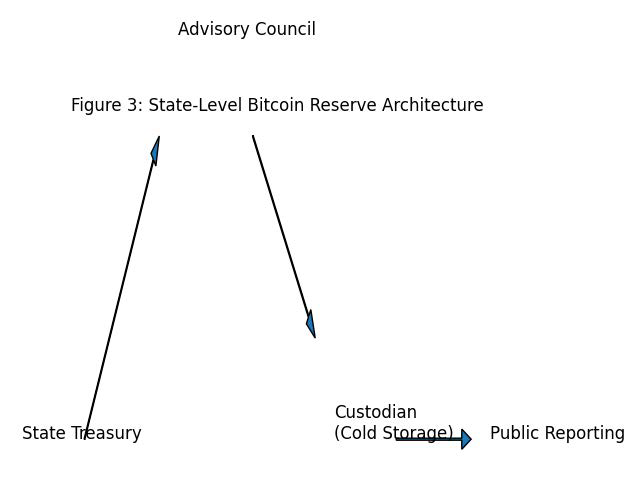
- Robust safeguards are embedded: “prudent person” standard, third-party cold-storage custody, an expert advisory council, and biennial public disclosures.
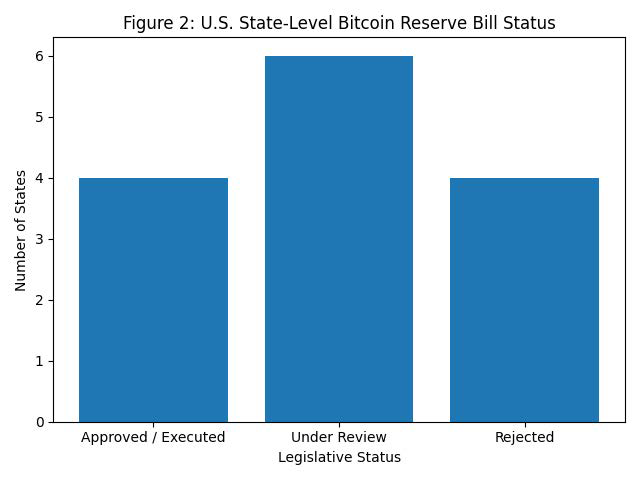
- Momentum is building across U.S. states: New Hampshire, Arizona, and Texas have already moved—Texas executed a $5 million purchase via a BlackRock Bitcoin ETF—while debates continue elsewhere.
- Implications reach beyond price: liquidity, custody infrastructure, compliance tooling, and on-chain/off-chain integrations stand to benefit as public treasuries professionalize crypto exposure.
Introduction: From Corporate Treasuries to State Balance Sheets
Over the past several years, Bitcoin’s role has expanded from a speculative asset to a balance-sheet instrument discussed in boardrooms, asset-manager committees, and now state governments. The latest signal comes from Virginia, where lawmakers have advanced a bill that would allow the state to hold Bitcoin as part of a strategic digital-asset reserve. For readers searching for new crypto assets, next revenue streams, or practical blockchain use cases, this development matters not because it guarantees price appreciation, but because it institutionalizes demand under conservative rules—reshaping liquidity, custody, reporting, and compliance across the ecosystem.
Virginia’s SB557: What Exactly Passed the Senate Committee?
On February 5, Virginia’s Senate committee approved SB557 by a 13–2 vote, clearing a key procedural hurdle. The bill authorizes the state treasurer to invest in digital assets—but only those that pass a high bar for scale and maturity.
Market-Cap Thresholds That Narrow the Field to Bitcoin
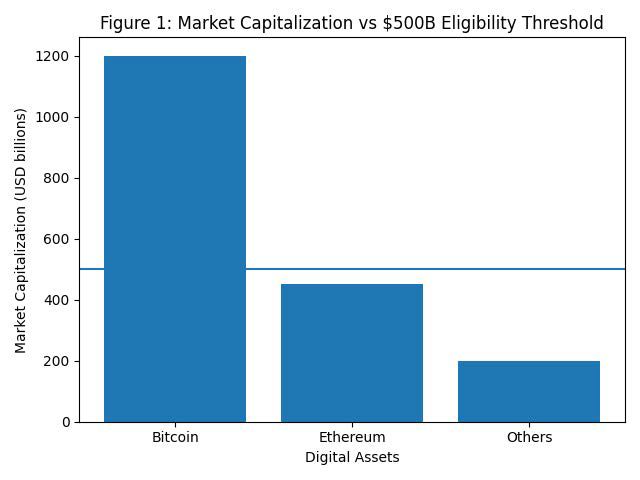
The bill restricts eligible assets to those whose average market capitalization over the past 24 months is at least $500 billion. In today’s market, that criterion excludes every cryptocurrency except Bitcoin. This is not an accident. Lawmakers are signaling that the intent is reserve-like exposure, not venture-style experimentation.
For investors, this matters because it:
- Reinforces Bitcoin’s positioning as “digital reserve collateral” rather than a rotating basket of tokens.
- Reduces headline risk by avoiding assets with shorter histories or higher protocol risk.
- Sets a template other states can copy without reopening the “which coin?” debate.
Governance and Risk Controls Built In
SB557 embeds multiple safeguards designed to satisfy public-sector fiduciary duties:
- Prudent Person Standard: The treasurer must manage investments with the care and caution expected of a prudent investor handling public funds.
- Cold-Storage Custody: The state may contract third-party custodians that use cold storage, mitigating operational and hacking risks.
- Expert Advisory Council: A five-member panel of digital-asset investment specialists will advise on policy and execution.
- Transparency Requirements: By December 31 of every even-numbered year, the treasurer must publish a detailed report of holdings and activity.
These provisions mirror best practices already common among large asset managers and ETFs, signaling that public crypto exposure will look more like pensions than retail wallets.
Why This Matters: Bitcoin as a Public-Sector Reserve Asset
A Shift in the Narrative
Bitcoin’s volatility is often cited as a reason governments should avoid it. Virginia’s approach reframes the debate: rather than timing markets, the state emphasizes rules, custody, and disclosure. This aligns Bitcoin with gold-like reserve logic, where the objective is diversification and long-term optionality, not short-term gains.
Implications for Liquidity and Infrastructure
If even a handful of states allocate small percentages of reserves to Bitcoin:
- Spot and ETF liquidity deepens, reducing slippage and improving price discovery.
- Custody providers see increased demand for audited, insured, policy-compliant storage.
- Compliance and reporting software becomes a growth area, as public entities require auditable trails and standardized disclosures.
For builders, this opens doors in reg-tech, custody-tech, and treasury analytics, not just token issuance.
The Broader U.S. Landscape: States Move at Different Speeds
New Hampshire: First Mover on Allocation Authority
In May 2025, New Hampshire enacted HB302, becoming the first state to allow its treasury to invest up to 5% of public funds in Bitcoin and other digital assets. While the allocation cap remains modest, the precedent is powerful: crypto exposure is now a policy choice, not a legal gray area.
Arizona: Retaining Seized Crypto
Arizona passed HB2749, permitting the state to hold confiscated digital assets rather than liquidating them immediately. This reflects a pragmatic stance: forced sales during downturns may not maximize public value, and custody capabilities have matured enough to justify retention.
Texas: From Law to Execution
Texas** went further. In June 2025, it enacted a Strategic Bitcoin Reserve Fund Act, and on November 20 executed a $5 million purchase of a BlackRock Bitcoin ETF—the first instance of a U.S. state government actually buying Bitcoin exposure with public funds.
Texas approved a $10 million total budget, signaling plans to:
- Use ETFs initially for operational simplicity and compliance.
- Transition part of the allocation to direct, self-custodied Bitcoin once internal systems are ready.
This phased approach is instructive for other states—and for vendors selling custody, key management, and treasury ops.
Resistance and Rejection Elsewhere
Not all states are convinced. South Dakota, Montana, Wyoming, and Florida have rejected similar proposals, citing price volatility, legal uncertainty, or political risk. Importantly, these debates sharpen the contrast: where bills pass, they do so with narrow scope and strong controls, suggesting future approvals will likely follow Virginia’s conservative model.
Bills in the Pipeline
Several states, including Massachusetts and Ohio, are currently reviewing related legislation at the committee level. Even if only a subset passes, the cumulative effect could normalize Bitcoin as a line item in public finance.
Practical Takeaways for Investors Seeking the Next Opportunity
1. Bitcoin’s “Regulatory Moat” Is Deepening
Market-cap thresholds and fiduciary standards effectively create a regulatory moat around Bitcoin. While this does not preclude innovation elsewhere, it concentrates public-sector demand on BTC, benefiting:
- Long-term liquidity
- Derivatives and hedging markets
- Institutional custody and insurance
2. Secondary Opportunities: Picks and Shovels
Public adoption rarely rewards only the asset itself. Secondary beneficiaries include:
- Custodians offering audited cold storage
- Compliance platforms automating disclosure and reporting
- Treasury analytics tools modeling risk under “prudent person” rules
- ETF and index providers bridging traditional finance and crypto
For revenue-oriented readers, these areas may offer more stable cash flows than directional price bets.
3. Builders: Design for Government-Grade Requirements
If states become clients, expectations will include:
- Multi-sig and hardware-secured custody
- Clear segregation of duties
- Disaster recovery and key-rotation policies
- Human-readable reports for legislators and auditors
Designing with these constraints in mind can future-proof products for banks, pensions, and sovereigns.
Visual Aids (Insert as Indicated)
[Insert Figure 1 here]
A simplified chart showing Bitcoin’s market capitalization versus the $500B eligibility threshold, highlighting why BTC alone qualifies.
[Insert Figure 2 here]
A map of the United States categorizing states into: Approved, Executed Purchase, Under Review, Rejected.
[Insert Figure 3 here]
A flow diagram of a state-level Bitcoin reserve architecture: Treasury → Advisory Council → Custodian (Cold Storage) → Reporting.
(These visuals should be provided as image files and embedded at the indicated positions.)
Conclusion: A Quiet but Structural Shift
Virginia’s SB557 is not a speculative headline; it is a structural signal. By anchoring eligibility to size, enforcing conservative custody, and mandating transparency, the bill frames Bitcoin as infrastructure-grade money suitable—at least in small allocations—for public balance sheets.
As more states debate similar measures, the crypto market may see less dramatic announcements but more durable demand. For investors, the message is to look beyond short-term price action and toward institutional plumbing. For builders, the opportunity lies in enabling governments to interact with blockchain safely, audibly, and accountably.
Bitcoin’s journey from cypherpunk experiment to state reserve asset is still unfolding—but Virginia’s vote suggests the path forward will be measured, regulated, and surprisingly pragmatic.
