
Main Points :
- A politically branded DeFi project such as “World Liberty Financial (WLFI)” represents a new fusion between political identity and on-chain capital.
- On-chain liquidity flows may function as a real-time barometer of electoral expectations, potentially more revealing than traditional polls.
- Regulatory easing expectations are driving speculative positioning—but the downside risk of electoral defeat or legal escalation is extreme.
- Political-personality–anchored tokens introduce a structural fragility: value becomes dependent on a single individual’s power trajectory.
- For investors seeking new crypto assets and yield opportunities, political tokens offer volatility-driven upside—but demand disciplined risk management.
1. When Political Branding Consumes DeFi: The Rise of Politically Anchored Tokens
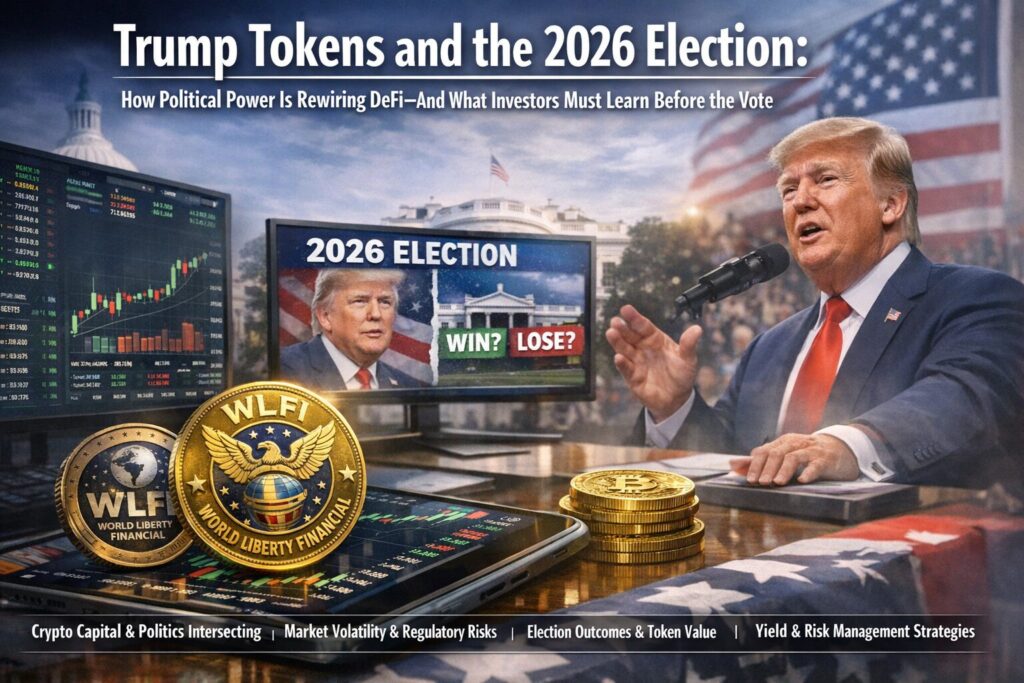
The entrance of a political heavyweight such as Donald Trump into the decentralized finance arena marks one of the most unusual intersections in modern financial history. Whether through officially affiliated ventures or politically themed tokens that orbit his brand, the phenomenon often referred to as “Trump coins” or projects like “World Liberty Financial (WLFI)” signals a structural transformation: politics is no longer merely influencing markets—it is embedding itself directly into blockchain-based capital formation.
Traditionally, DeFi has been framed as a rebellion against centralized authority. Built on networks like Ethereum, it promised censorship resistance, algorithmic governance, and independence from state power. Ironically, politically branded tokens invert that original ethos. Instead of distancing themselves from political influence, they draw value from it.
In this emerging model, purchasing a token is not simply an investment decision. It becomes:
- A speculative bet on a candidate’s electoral victory.
- An anticipatory position on future regulatory policy.
- In some interpretations, a quasi-political contribution embedded in code.
This shift creates a new hybrid asset class: political-derivative crypto assets.
For investors searching for new crypto narratives and yield vectors, this intersection is powerful. Political tokens do not merely respond to macro liquidity or technological upgrades; they react to speeches, indictments, debate performances, and polling data. The result is a new volatility engine—one that merges media cycles with smart contracts.
But that engine is inherently unstable.
2. On-Chain Liquidity as an Electoral Barometer
In previous election cycles, investors relied on polling averages, betting markets, and macroeconomic signals to gauge potential political outcomes. In 2026, on-chain data adds a new layer of insight.
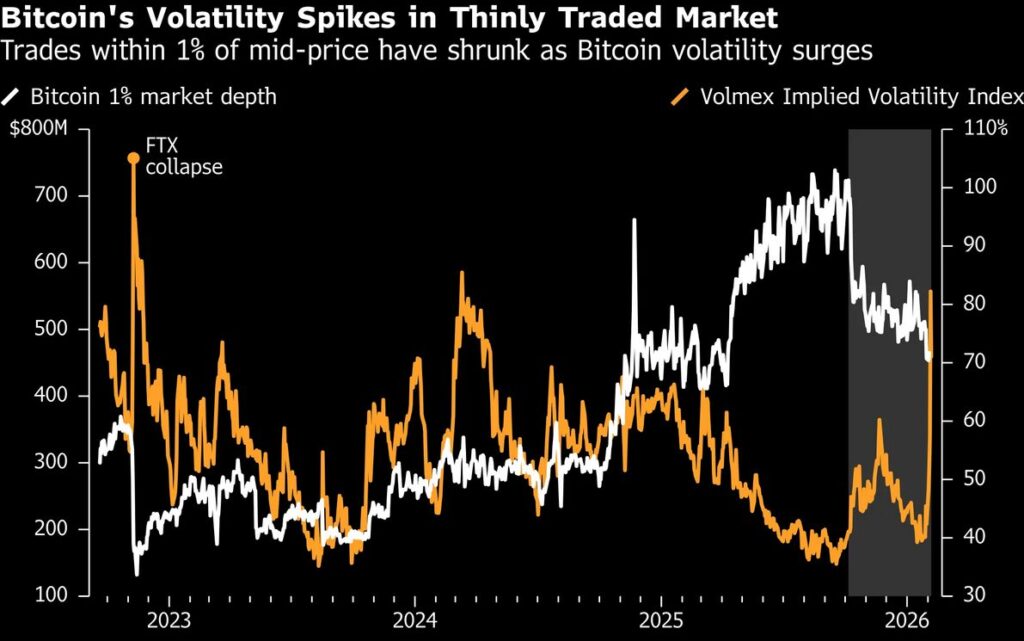
Total Value Locked (TVL), token inflows, staking ratios, and liquidity pool depth in politically affiliated projects may function as a real-time referendum on market expectations.
Unlike opinion surveys, on-chain data represents financial commitment. Capital allocation carries cost. When investors lock assets into a politically aligned protocol, they signal conviction.
For example:
- Rising TVL could imply increasing confidence in regulatory easing.
- Rapid outflows might reflect growing electoral uncertainty.
- Spike-driven volatility often correlates with major legal or campaign events.
Platforms such as CryptoQuant and CoinGlass demonstrate how funding rates, liquidation heatmaps, and derivatives open interest amplify these moves. A speech hinting at deregulation could trigger leveraged long positions; a negative headline might spark cascading liquidations.
What makes this dynamic unprecedented is its transparency. Blockchain data is public. Anyone can monitor wallet clusters, whale movements, and smart contract interactions in near real time.
We are witnessing the quantification of political sentiment.
This also introduces asymmetric advantages. Sophisticated traders who combine political intelligence with on-chain analytics can anticipate moves before retail participants react to headlines. In that sense, political tokens resemble high-frequency event derivatives.
3. Regulatory Easing as a Catalyst—and a Double-Edged Sword
One of the strongest narratives fueling politically branded crypto assets is the promise of regulatory reform.
In the United States, agencies such as the U.S. Securities and Exchange Commission have pursued enforcement actions against exchanges and token issuers. Meanwhile, market participants have debated the implications of ETF approvals, including the historic spot Bitcoin ETF approvals in 2024 involving firms such as BlackRock.
Political candidates who signal a more permissive regulatory stance create forward-looking expectations:
- Reduced enforcement pressure.
- Clearer token classification frameworks.
- Expanded ETF approvals.
- Greater institutional participation.
Speculators front-run these expectations by accumulating politically aligned assets.
However, regulatory easing is not a binary outcome. Even in victory, implementation requires congressional alignment, agency appointments, and judicial durability. Political tokens often price in immediate transformation—an assumption rarely aligned with legislative reality.
Thus, investors must distinguish between:
- Narrative premium (short-term price impact).
- Structural policy change (long-term economic effect).
Failure to separate the two can lead to severe mispricing.
4. The Asymmetric Downside: When Political Defeat Becomes Financial Collapse
The same mechanism that creates upside also introduces existential fragility.
If a token’s valuation depends predominantly on the success of one political figure, its downside scenario is stark:
- Electoral defeat.
- Legal disqualification.
- Criminal escalation.
- Political marginalization.
Unlike diversified DeFi protocols that derive value from utility (lending, swaps, yield optimization), politically anchored tokens rely on brand momentum.
In a worst-case outcome, liquidity evaporates quickly. Smart contracts may remain functional, but their economic relevance collapses. Code without narrative is inert.
This structure transforms electoral events into binary risk catalysts.
The market could experience:
- Sudden $ liquidity drains.
- 50%–90% drawdowns in politically themed tokens.
- Broader spillover into speculative altcoins.
For investors seeking yield, this volatility can be monetized—but only with strict position sizing and hedging strategies.
5. Broader Market Context: Bitcoin, ETH, and Macro Influence
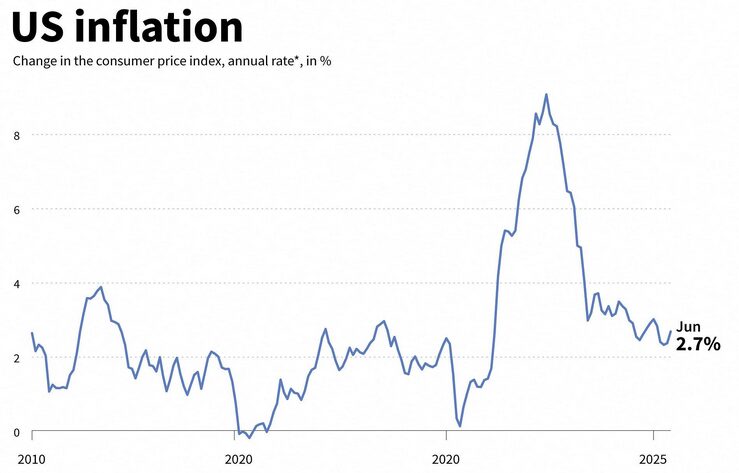
Political token dynamics do not operate in isolation. Broader crypto benchmarks—such as Bitcoin and Ether—anchor overall liquidity conditions.
If Bitcoin trades at $70,000 and Ethereum at $3,500, speculative appetite is typically stronger. In contrast, macro tightening, rising real yields, or dollar strength can compress risk appetite, regardless of political momentum.
In recent cycles, institutional ETF inflows provided structural support to Bitcoin’s price floor. Yet altcoin volatility remains sentiment-driven. Political tokens sit at the far edge of this risk curve.
Investors must therefore monitor:
- U.S. dollar liquidity trends.
- Federal Reserve policy.
- ETF net flows.
- Stablecoin market capitalization.
Political narratives amplify moves—but macro liquidity determines sustainability.
6. Strategic Framework for Investors
For readers actively searching for new crypto opportunities, politically themed tokens represent a high-beta instrument.
Potential strategies include:
- Event-driven trading
Enter positions before known debates, rulings, or primaries; exit before binary risk peaks. - Volatility harvesting
Use derivatives to monetize implied volatility expansion. - Pair trades
Long political token vs. short broader altcoin index to isolate narrative exposure. - Strict allocation limits
Treat as speculative satellite exposure—not core portfolio holdings. - On-chain monitoring
Track whale wallet behavior and liquidity depth changes daily.
Risk management must override emotional enthusiasm. Political charisma is not an investment thesis.
7. The Philosophical Paradox: Centralization Within Decentralization
At a deeper level, politically branded DeFi projects challenge the philosophical foundation of blockchain technology.
Decentralization aimed to remove reliance on powerful intermediaries. Yet political tokens concentrate narrative power in a single personality.
This paradox raises structural questions:
- Is DeFi evolving into programmable lobbying?
- Will regulators classify such tokens as political instruments?
- Could future elections routinely influence crypto liquidity cycles?
We are observing a potential template for the financialization of electoral politics via blockchain rails.
Conclusion: A Historic Gamble at the Intersection of Code and Power
As the 2026 election cycle intensifies, politically themed tokens function simultaneously as speculative assets, sentiment indicators, and ideological statements.
The upside is undeniable: volatility, asymmetric gains, and early positioning before regulatory shifts. The downside is equally extreme: electoral loss could translate directly into market destruction.
For disciplined investors, the opportunity lies not in blind allegiance but in probabilistic thinking.
Blockchain does not eliminate politics—it digitizes it.
In the coming months, on-chain dashboards may reveal electoral conviction faster than polling firms. Yet those same dashboards will also display capital flight the moment confidence fractures.
The lesson is clear:
Treat political tokens as high-volatility instruments embedded in a macro liquidity system anchored by Bitcoin and Ethereum. Separate narrative from structural reform. Size positions defensively. Monitor on-chain data relentlessly.
When the ballots are counted, markets will respond instantly—priced in dollars, reflected on-chain, and remembered as the moment political branding permanently rewired decentralized finance.
