
Main Points :
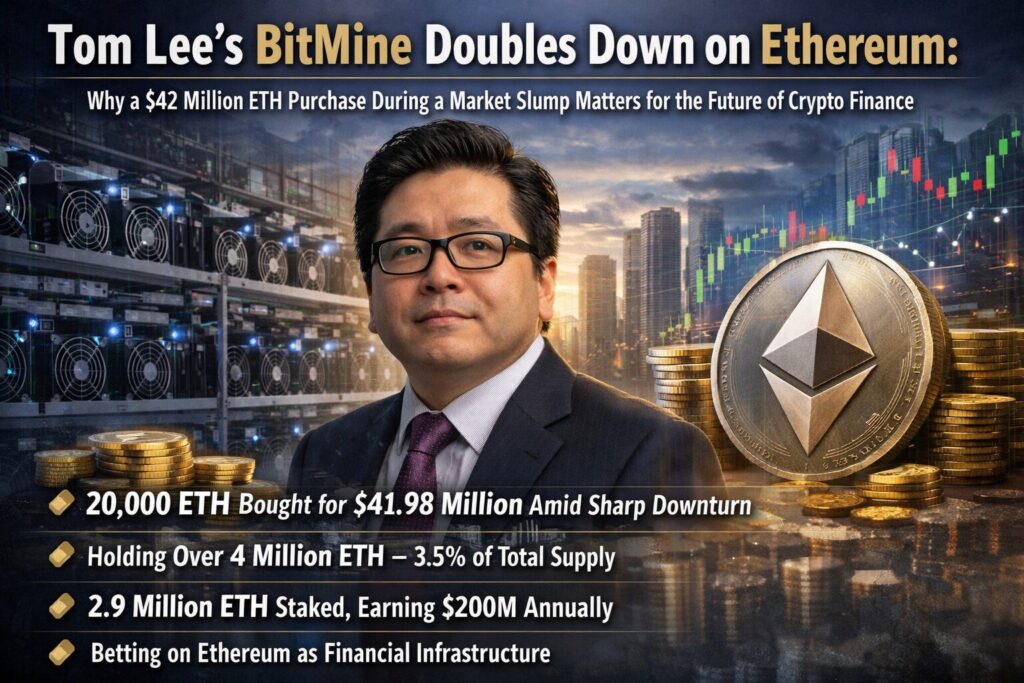
- BitMine, led by Tom Lee, acquired approximately 20,000 ETH (≈ $41.98 million) amid a sharp Ethereum market downturn
- Despite holding an unrealized loss of nearly $8 billion, BitMine shows no forced selling pressure
- The company controls over 4 million ETH, representing roughly 3.5% of total ETH supply
- Nearly 2.9 million ETH are staked, generating close to $200 million annually
- This move signals a corporate-treasury-style conviction in Ethereum as future financial infrastructure
- The case provides a real-world model for long-term crypto balance sheet strategy, not speculative trading
1. Buying Into Fear: BitMine’s Latest Ethereum Accumulation
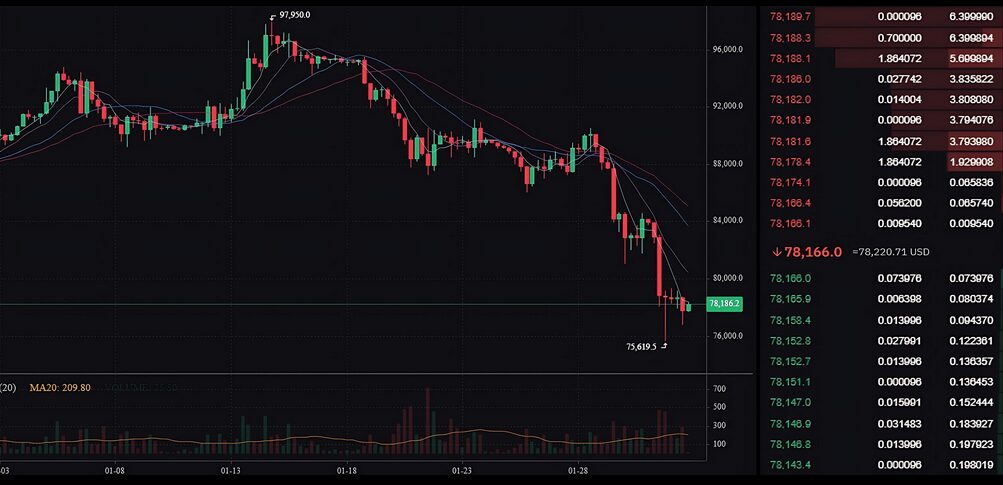
On February 8, blockchain analytics platform Lookonchain, citing Arkham Intelligence data, revealed that BitMine, an Ethereum-focused treasury company led by Tom Lee, purchased approximately 20,000 ETH, valued at around $41.98 million.
This purchase occurred during a period of pronounced market weakness. Ethereum had declined approximately 25–30% over the preceding week, falling to levels not seen for several months. For many market participants, this price action reinforced bearish sentiment. For BitMine, however, it represented an opportunity.
Rather than attempting to time a short-term bottom, BitMine’s strategy appears aligned with a longer-term thesis: Ethereum is not merely a tradable asset, but a foundational layer of future financial systems.
2. “Not a Bug, but a Feature”: Tom Lee’s Market Philosophy
Tom Lee publicly addressed criticism of the purchase by reframing volatility itself. According to Lee, Ethereum’s repeated drawdowns are not structural failures, but inherent characteristics of a nascent financial technology.
Since 2018, Ethereum has experienced seven separate drawdowns exceeding 60%. Each episode was followed by renewed network development, increased institutional participation, and eventual price recovery. From this perspective, volatility is the price of admission for asymmetric upside.
Lee summarized this view succinctly:
“Ethereum is the future of finance. These drawdowns are not bugs — they are features.”
This framing is critical for understanding BitMine’s actions. The firm is not reacting emotionally to price declines; it is executing a thesis that treats ETH as long-duration infrastructure exposure.
3. A Corporate-Scale Ethereum Treasury
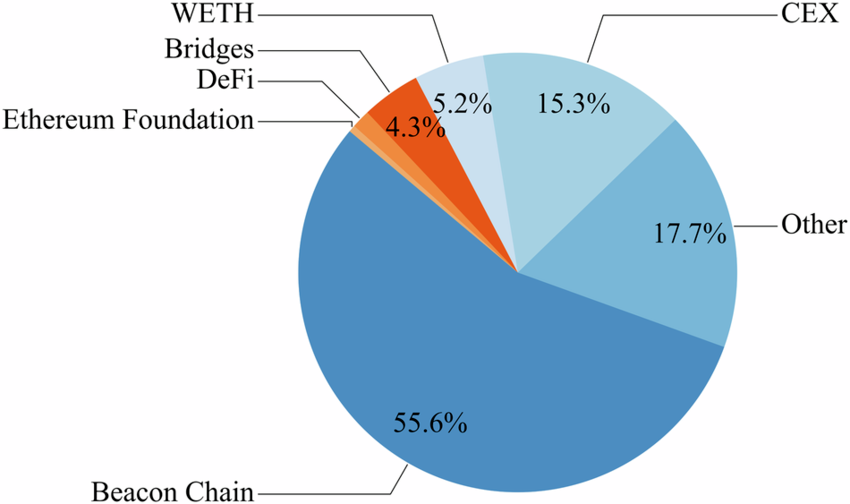
BitMine currently holds over 4 million ETH, valued at approximately $8.0 billion at prevailing prices. This represents roughly 3.5% of Ethereum’s circulating supply, making BitMine the largest known corporate holder of ETH globally.
The average acquisition price across BitMine’s holdings is estimated at around $4,000 per ETH, meaning the company currently sits on an unrealized loss approaching $8 billion.
Yet unlike leveraged crypto firms of previous cycles, BitMine is structurally insulated from liquidation risk.
4. Why There Is No Forced Selling Pressure
One of the most critical aspects of BitMine’s strategy lies not in what it holds, but how it financed those holdings.
- Capital raised primarily through equity issuance, not debt
- No margin calls, loan covenants, or liquidation triggers
- No reliance on short-term liquidity to service obligations
As Lee explained, there are no debt agreements or restrictive covenants forcing asset sales at depressed prices. This sharply contrasts with many crypto-native firms that collapsed during prior bear markets due to leverage.
For institutional readers, this highlights an essential lesson: capital structure matters as much as asset selection.
5. Staking as a Yield Engine, Not a Speculative Bet
Approximately 2.9 million ETH held by BitMine are actively staked on the Ethereum network. At current network yields, this generates close to $200 million per year in staking rewards.
This income stream reframes ETH from a non-yielding speculative asset into a productive, cash-flow-generating digital instrument. While staking returns fluctuate, they provide a baseline yield that partially offsets price volatility.
From a balance-sheet perspective, BitMine is effectively operating a crypto-native treasury strategy comparable to dividend reinvestment in traditional finance.
6. Ethereum as Financial Infrastructure, Not Just an Asset
BitMine’s conviction reflects a broader shift in how Ethereum is perceived:
- Settlement layer for stablecoins
- Backbone of decentralized finance (DeFi)
- Tokenization rail for real-world assets
- Smart-contract infrastructure for programmable money
For readers interested in practical blockchain applications, this distinction is crucial. Ethereum’s value proposition increasingly lies in usage and integration, not purely speculative demand.
7. Market Cycles and Historical Context
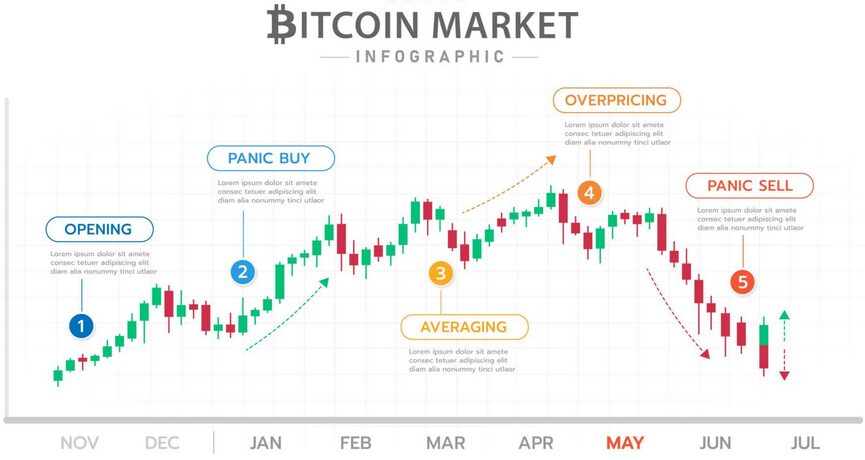
Historically, major Ethereum drawdowns have coincided with:
- Macro tightening cycles
- Regulatory uncertainty
- Overleveraged market participants unwinding
Yet each cycle also produced structural improvements: Proof-of-Stake transition, scaling solutions, institutional custody, and regulatory clarity.
BitMine’s behavior suggests confidence that the current downturn will follow a similar trajectory.
8. Implications for Investors and Builders
For investors seeking new crypto assets or income opportunities, BitMine’s strategy offers several insights:
- Long-term conviction can coexist with near-term losses
- Yield generation (staking) reduces reliance on price appreciation
- Balance-sheet discipline is essential in volatile markets
For builders and enterprises, it reinforces the idea that Ethereum is increasingly treated as infrastructure, not a trade.
9. Where to Insert Charts and Graphs
[Insert Figure 1 here]
Title: Ethereum Price vs. BitMine Accumulation Timeline (USD)
Description: Line chart showing ETH price decline alongside accumulation periods
[Insert Figure 2 here]
Title: BitMine ETH Holdings vs. Total ETH Supply
Description: Pie or bar chart illustrating 3.5% supply concentration
[Insert Figure 3 here]
Title: Staked ETH Annual Yield Contribution
Description: Bar chart showing estimated $200M annual staking income
(※ご指定いただければ、これらを PNG画像ファイルとして即生成します)
10. Conclusion: Conviction in the Face of Volatility
BitMine’s additional $42 million Ethereum purchase during a sharp market downturn is not a reckless gamble. It is a calculated expression of long-term belief in Ethereum as financial infrastructure.
By avoiding leverage, emphasizing yield through staking, and treating volatility as structural rather than exceptional, BitMine offers a blueprint for how institutional crypto strategies may evolve.
For readers seeking the next revenue source, the next asset class, or the next wave of blockchain utility, this case underscores a powerful message:
The future of crypto may belong not to those who trade volatility, but to those who can withstand it.
