
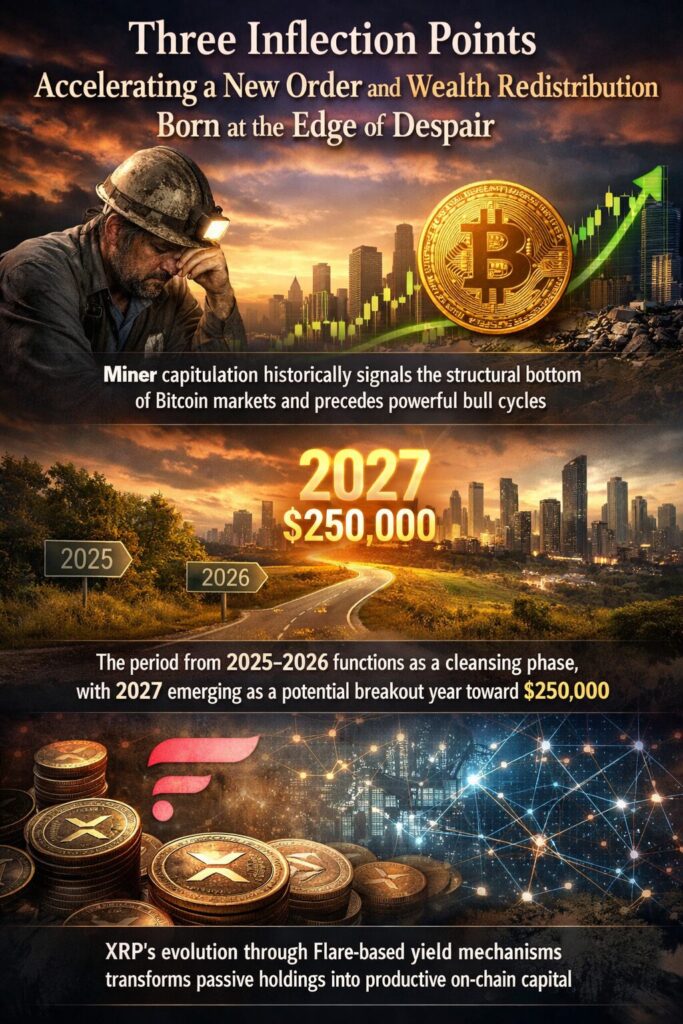
Main Points :
- Miner capitulation historically signals the structural bottom of Bitcoin markets and precedes powerful bull cycles
- The period from 2025–2026 functions as a cleansing phase, with 2027 emerging as a potential breakout year toward $250,000
- XRP’s evolution through Flare-based yield mechanisms transforms passive holdings into productive on-chain capital
Introduction: When Despair Becomes the Birthplace of Wealth
Financial history repeatedly demonstrates a paradox: the greatest redistributions of wealth do not occur during periods of optimism, but at moments when despair is deepest and conviction weakest. The cryptocurrency market is no exception. Beneath surface-level volatility and pessimistic headlines, structural shifts are unfolding that may define the next decade of digital finance.
This article explores three critical inflection points now converging: miner capitulation as a bottoming signal, the macro-political and liquidity-driven path toward a potential $250,000 Bitcoin valuation by 2027, and the emergence of yield-bearing XRP through Flare-based decentralized finance. Together, these forces suggest not merely a cyclical rebound, but the formation of a new financial order.
1. Miner Capitulation: The Most Reliable Signal of a Market Bottom
At the deepest layers of the crypto ecosystem lies the mining sector—the industrial backbone securing blockchain networks. When miners begin liquidating their holdings en masse, it is rarely an act of choice. It is a forced response to economic stress: rising electricity costs, declining margins, and stagnant or falling asset prices.
Historically, such miner capitulation has marked the final phase of bear markets for Bitcoin.
Why Miner Capitulation Matters
Inefficient miners exiting the network reduces sell-side pressure permanently. Hashrate stabilizes after difficulty adjustments, leaving only capital-efficient operators in control. This process removes excess leverage and weak hands from the system, creating a structurally stronger foundation for future growth.
Miner capitulation is not a sign of collapse. It is the market purging fragility.
Chart: Bitcoin price vs miner outflows and hash rate adjustments (historical cycles)
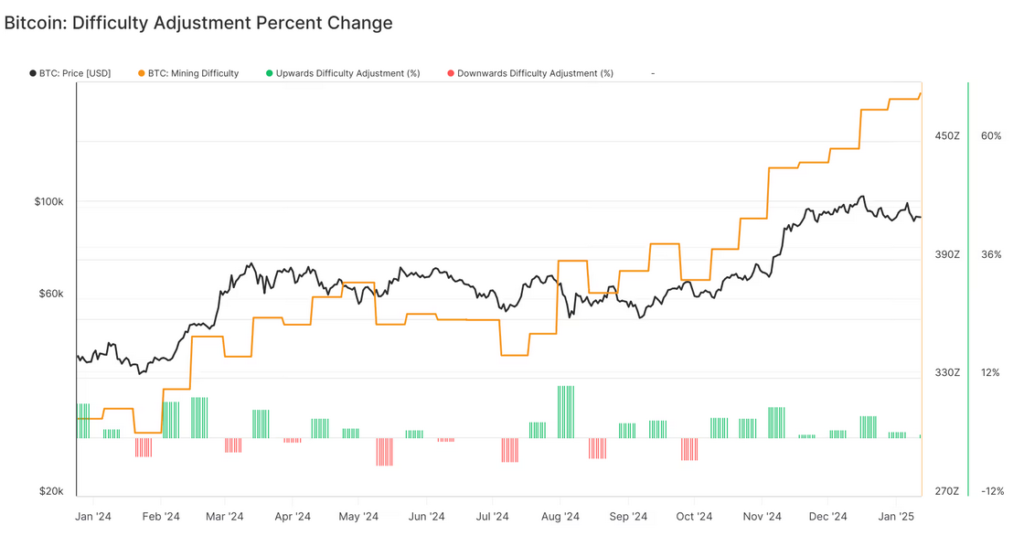
Once this forced selling concludes, supply tightens dramatically. At that point, institutional capital—often invisible during panic—steps in to accumulate at discounted levels. The result is a supply-demand imbalance that fuels the next bullish expansion.
2. The Cleansing Cycle: Why Pain Is a Feature, Not a Bug
Most retail participants interpret mining distress as bearish news. Sophisticated investors understand it as a countdown.
Markets cannot advance on weak structural footing. The liquidation of unprofitable miners is the mechanism by which the network hardens. When combined with reduced issuance following Bitcoin’s halving cycles, the long-term effect is deflationary pressure.
The silence that follows miner capitulation is not emptiness—it is preparation.
Those who exit during this phase transfer future upside to those who remain. This is not ideology; it is capital dynamics.
3. Beyond 2026: The Path Toward $250,000 Bitcoin in 2027
From a long-term perspective, current price fluctuations resemble foothills rather than peaks. Multiple structural forces suggest that Bitcoin’s role is evolving from speculative instrument to strategic reserve asset.
Macro Forces Converging
- Institutional allocation into digital assets
- Sovereign concerns over fiat currency debasement
- Regulatory clarity following political realignments in the U.S.
- Liquidity expansion cycles returning post-tightening
The year 2026 is likely to be turbulent. Regulatory recalibration, geopolitical uncertainty, and macroeconomic volatility will test investor conviction. But turbulence is not contradiction—it is filtration.
Those shaken out in 2026 will not participate in 2027.
Why $250,000 Is Not Fantasy
At $250,000 per Bitcoin, total market capitalization approaches—but does not exceed—that of gold. Even a low-single-digit percentage allocation by global asset managers would justify such a valuation.
Chart: Bitcoin market cap vs gold market cap (USD comparison)
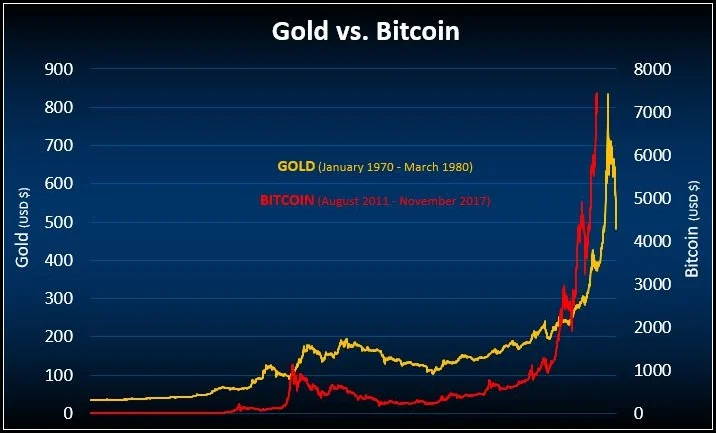
Bitcoin does not need universal adoption to reach this level. It needs recognition as a legitimate hedge.
4. The Irreversibility of Monetary Migration
Once an asset becomes globally recognized as a store of value, capital flows accelerate nonlinearly. This process is irreversible.
Bitcoin’s credibility compounds with each cycle. Each survival through adversity strengthens its narrative as digital hard money. The next wealth transfer will not be slow—it will be abrupt.
5. earnXRP on Flare: Transforming XRP into Productive Capital
While Bitcoin evolves as a macro reserve, XRP is undergoing a parallel transformation at the application layer.
For years, XRP holders endured price stagnation and legal uncertainty. That era is ending.
The launch of earnXRP on the Flare Network enables XRP to generate yield without relinquishing custody. This represents a structural shift from speculative holding to productive ownership.
Yield Without Lock-In
Through decentralized smart contracts, holders can earn approximately 4–10% annual yield—levels unattainable in traditional finance without significant counterparty risk.
Diagram: XRP flow into Flare-based DeFi yield mechanism
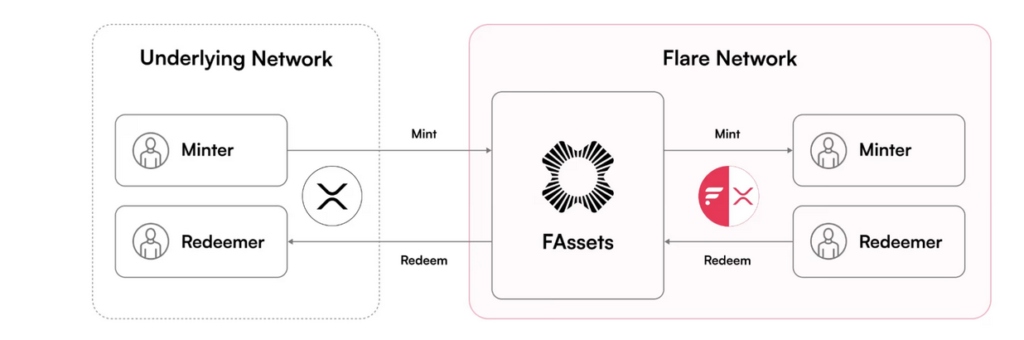
This is not a promotional gimmick. It is programmable finance.
6. XRP as Laboring Capital
When assets generate yield autonomously, ownership itself becomes productive. This model aligns closely with the emerging architecture of decentralized finance, where transparency replaces trust and protocols replace intermediaries.
Flare’s interoperability and security infrastructure amplify XRP’s liquidity rather than fragment it. The result is a virtuous cycle: higher utility supports higher valuation, which attracts further capital.
7. Redefining Utility in Crypto Markets
Yield-bearing XRP redefines what “use case” means. Utility is no longer transactional alone—it is financial.
As passive holders become active allocators, the market rewards those who understand protocols, not just price charts. The distinction between waiting and participating becomes the defining line between stagnation and growth.
Conclusion: The Edge of Despair Is the Threshold of Transformation
We are witnessing one of the largest value migrations in financial history. Miner capitulation signals structural renewal. The 2026 turbulence serves as filtration. And yield-bearing digital assets mark the maturation of blockchain finance.
Those who flee during despair surrender their future claims. Those who remain, allocate, and build conviction stand at the threshold of a new order.
Despair is not the end. It is the entry point.
