
Main Points :
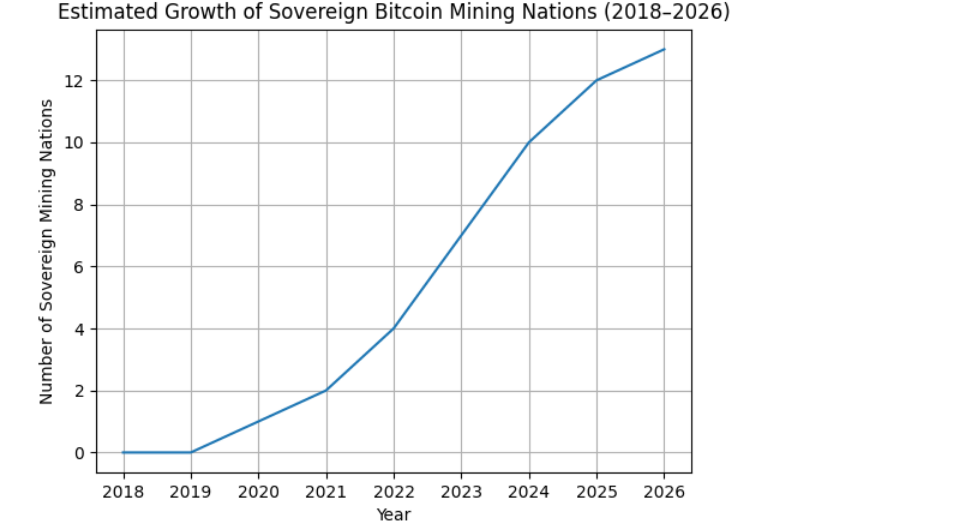
- 13 national governments are directly involved in Bitcoin mining operations.
- Countries such as El Salvador, Bhutan, Ethiopia, Kenya, Iran, and the UAE are leveraging state-owned energy resources.
- Emerging markets are converting surplus electricity into Bitcoin to strengthen fiscal resilience.
- State-level mining may increase decentralization of Bitcoin’s hash rate.
- Sovereign accumulation of BTC could reshape global monetary dynamics.
- However, potential government-led selling pressure remains a key risk factor.
The Rise of Sovereign Bitcoin Mining
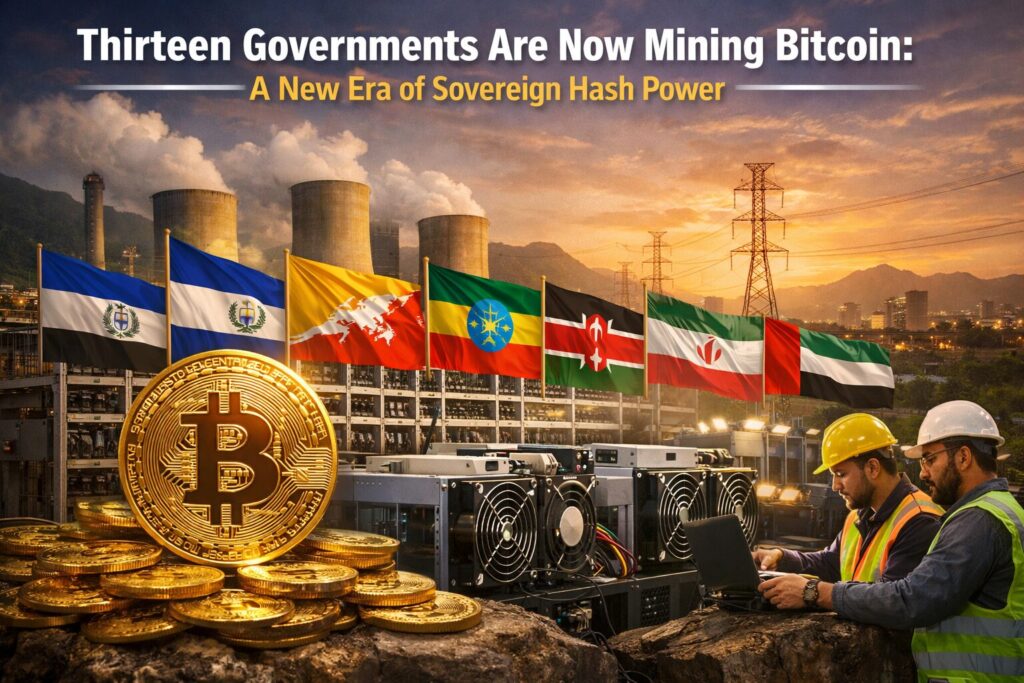
In a recent interview, Matthew Sigel, Head of Digital Asset Research at VanEck, revealed that thirteen national governments are now directly participating in Bitcoin mining. This development marks a profound shift in the evolution of the Bitcoin network. What was once a grassroots, cypherpunk-driven experiment is increasingly becoming a strategic sovereign asset.
Among the countries reportedly involved are El Salvador, Bhutan, Ethiopia, Kenya, Iran, and the United Arab Emirates. These nations are either using state-owned energy resources or supporting mining initiatives aligned with national policy objectives.
For readers seeking new crypto investment themes, revenue models, and practical blockchain applications, this trend signals the institutionalization of Bitcoin at the highest level of governance.
Why Governments Are Mining Bitcoin
Inflation, Dollar Access, and Energy Arbitrage
Many of the participating countries face high inflation, limited access to dollar liquidity, or capital flow restrictions. Bitcoin offers a unique solution: it allows surplus energy to be transformed into a globally liquid digital asset denominated in USD terms.
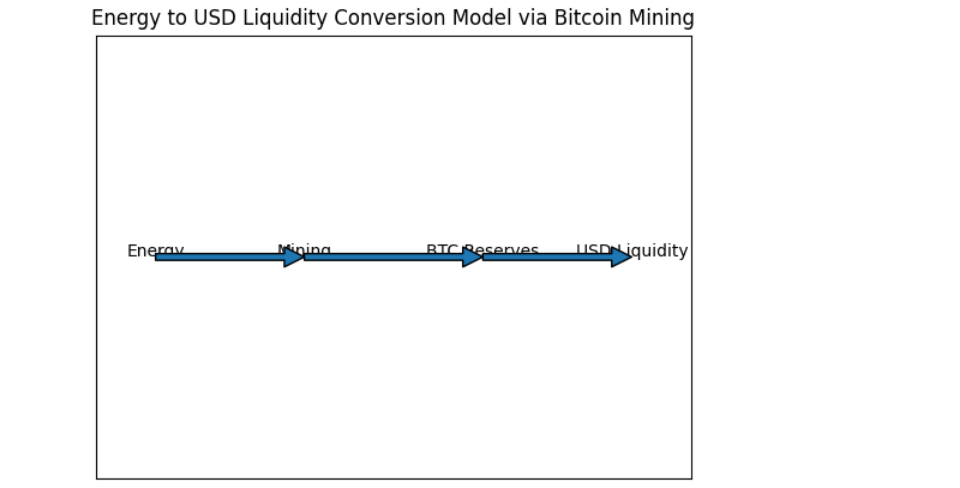
For energy-rich but capital-constrained countries, the equation is straightforward:
Surplus Electricity → Bitcoin Mining → BTC Reserves → USD-Convertible Liquidity
If a country can mine Bitcoin at an estimated production cost of $20,000 per BTC while the market price trades at $45,000–$60,000 per BTC, the embedded arbitrage becomes a form of sovereign seigniorage.
In regions where hydropower, geothermal, or stranded natural gas resources exist, Bitcoin mining effectively monetizes energy that would otherwise be wasted.
Case Study: El Salvador’s Geothermal Strategy
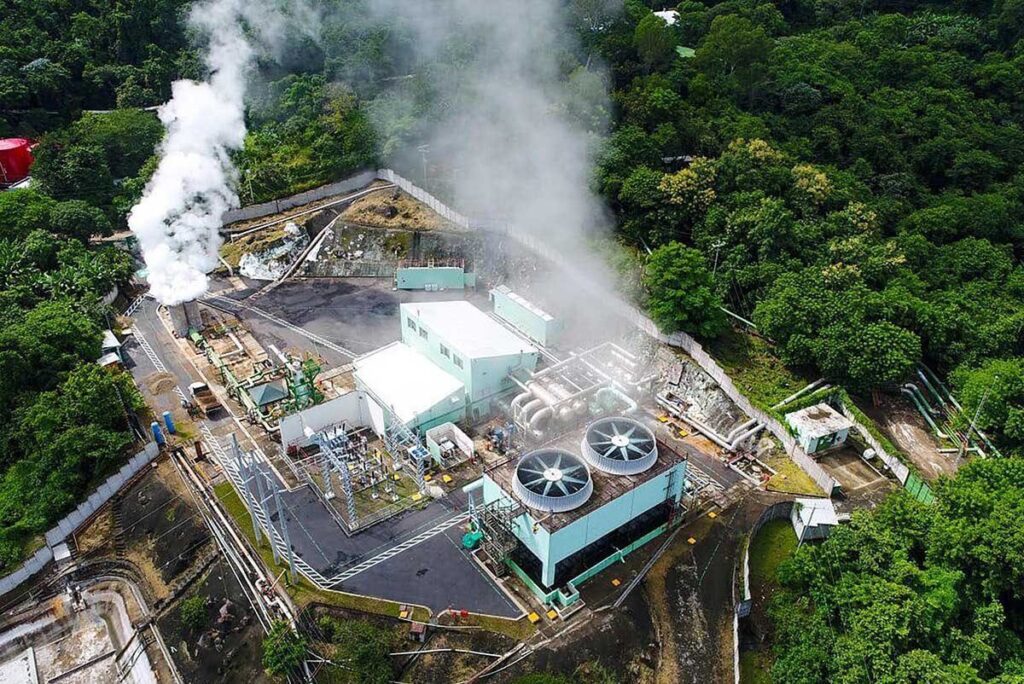
El Salvador has integrated geothermal energy from volcanic sources into its Bitcoin mining operations. The country’s “volcano bonds” concept and geothermal mining facilities illustrate a broader strategy: use renewable state-controlled energy to accumulate BTC as a treasury asset.
This model combines:
- Energy independence
- Digital reserve accumulation
- Reduced reliance on IMF-style dollar financing
For developing nations, this represents a potentially transformative financial architecture.
Bhutan: Quiet but Strategic Accumulation
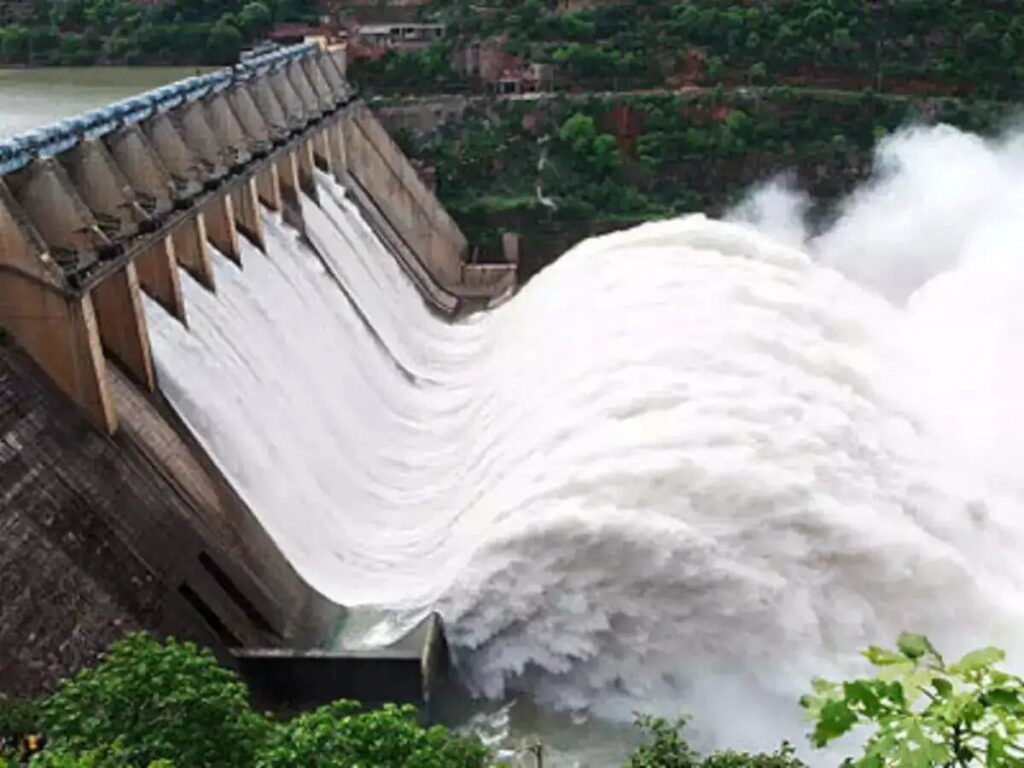
Bhutan has quietly leveraged its abundant hydropower capacity to mine Bitcoin. Unlike El Salvador’s public political framing, Bhutan has taken a more discreet approach.
Hydropower offers:
- Low marginal electricity cost
- Stable baseload generation
- Export-flexible surplus capacity
For crypto investors, this suggests a long-term theme: energy-exporting nations may increasingly prefer exporting “digital energy” (Bitcoin) instead of raw electricity.
Africa’s Emerging Mining Corridor
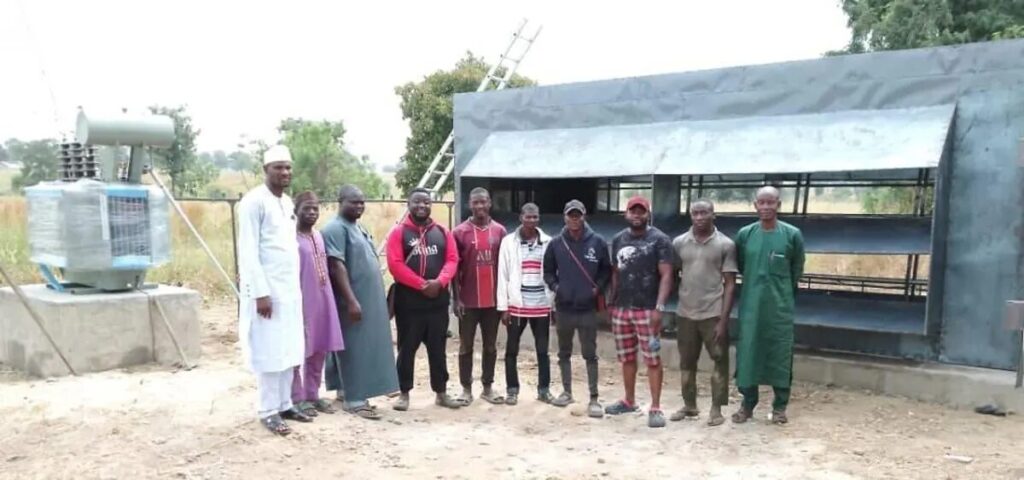
Countries like Ethiopia and Kenya are exploring mining initiatives tied to hydropower and geothermal energy.
Africa presents a compelling macro thesis:
- Rapid population growth
- Expanding power infrastructure
- Limited domestic financial depth
- High mobile penetration
Bitcoin mining can convert infrastructure buildout into hard digital reserves. For blockchain practitioners, this opens opportunities in:
- Energy tokenization
- Mining joint ventures
- Infrastructure-backed digital asset funds
Middle Eastern State Mining and Strategic Hedging
Both Iran and the United Arab Emirates have explored state-aligned mining strategies.
In Iran’s case, mining has historically been used to bypass sanctions constraints and acquire hard assets. In the UAE, the motivation is more strategic diversification—transforming oil and solar energy into digital reserves.
This signals a new paradigm:
Energy → Hashrate → Sovereign Balance Sheet Asset
Decentralization: Strengthened or Compromised?
At first glance, state mining may appear to threaten decentralization. However, when hash power spreads across multiple sovereign jurisdictions, it can reduce concentration risk in single private mining pools or regions.
The diversification of hash rate across 13 governments may:
- Reduce geographic centralization
- Lower dependence on large mining corporations
- Increase resilience against coordinated regulatory crackdowns
However, there is a counter-risk: coordinated state actors could theoretically influence protocol governance indirectly via mining power concentration.
For advanced readers and institutional operators, monitoring hash rate distribution metrics becomes essential.
Sovereign BTC Reserves: The New Digital Gold?
If these governments retain mined Bitcoin rather than immediately selling it, Bitcoin effectively becomes a sovereign reserve asset—similar to gold.
Comparison:
| Asset | Issuer | Supply Limit | Convertibility |
|---|---|---|---|
| Gold | None | Physical | Global |
| USD | Federal Reserve | Elastic | Global |
| BTC | Algorithmic | 21 million | Global |
Bitcoin introduces algorithmic monetary policy immune to political cycles.
If Russia or Argentina join this trend—both energy-rich economies—the cumulative sovereign BTC holdings could materially impact market supply.
Investment Implications for Crypto-Native Readers
For those seeking new digital asset opportunities:
- Energy-Backed Mining Tokens – Projects tokenizing national energy mining operations.
- Infrastructure Plays – ASIC manufacturing, immersion cooling, data center real estate.
- Sovereign Adoption Arbitrage – Identifying countries likely to announce mining initiatives.
- Bitcoin as Reserve Thesis – Long-term accumulation strategies anticipating sovereign demand.
This is not merely about Bitcoin price speculation—it is about macroeconomic restructuring.
Risk: Government Selling Pressure
The most underappreciated risk is sovereign liquidation.
If governments mine Bitcoin but sell aggressively during fiscal stress, they could introduce significant supply shocks.
Therefore, investors must monitor:
- Sovereign fiscal deficits
- Political stability
- Energy export balances
- On-chain flows from known government wallets
Transparency levels differ widely among participating nations.
Chart: Sovereign Bitcoin Mining Growth (Illustrative)
[Line chart showing estimated number of sovereign mining nations from 2018–2026]
[Diagram illustrating Energy → Mining → BTC Reserves → USD Liquidity conversion model]
A Structural Shift in Global Finance
Bitcoin mining is evolving from a private industrial activity into a geopolitical strategy.
This transition reflects:
- Growing distrust in fiat systems
- Strategic hedging against dollar dependency
- Monetization of stranded energy assets
- Desire for sovereign monetary optionality
For blockchain entrepreneurs, developers, and institutional allocators, this signals that Bitcoin is entering a new phase: integration into national balance sheets.
Conclusion
The participation of thirteen governments in Bitcoin mining represents a watershed moment in digital asset history. It reinforces Bitcoin’s transformation from a speculative instrument into a strategic macroeconomic tool.
Yet this evolution introduces complexity. Sovereign mining strengthens decentralization across jurisdictions but introduces potential coordinated risk. It deepens Bitcoin’s legitimacy while creating new supply dynamics.
For investors and blockchain practitioners seeking the next revenue stream or strategic positioning, sovereign mining is not just a headline—it is a structural shift.
Bitcoin is no longer merely mined by corporations and individuals.
It is being mined by nations.
And that changes everything.
