

Main Points :
- The SEC is exploring a new “Innovation Exemption” designed to accelerate crypto and fintech growth without waiting for Congress.
- The proposed exemption focuses on easing capital formation, improving IPO access, and reducing disclosure burdens for small companies.
- A comprehensive overhaul of corporate disclosure rules is underway, with a focus on “materiality” and regulatory proportionality.
- A token-classification framework is expected within months, signaling a more predictable regulatory environment for crypto assets.
- Macro trends—such as declining U.S. listings, increasing offshore token launches, and global digital-asset competition—frame the urgency of reform.
- If implemented, the exemption could shift the center of crypto innovation back to the United States and strengthen legitimate, compliant Web3 development.
Introduction
The U.S. Securities and Exchange Commission (SEC) is preparing for a dramatic realignment of its approach to digital assets, startups, and technological innovation. In a recent CNBC interview, SEC Chair Paul Atkins revealed that the agency is considering the introduction of a sweeping “Innovation Exemption”, a regulatory carve-out designed to accelerate new technologies—particularly cryptocurrency and blockchain—without waiting for new legislation from Congress.
This initiative reflects a major philosophical shift at the SEC: a willingness to stimulate innovation instead of constraining it. For years, U.S. crypto entrepreneurs have argued that the regulatory climate pushed them offshore and decreased American competitiveness. According to Atkins, the United States is now ready to reverse that trend.
Below is a comprehensive analysis of the announcement, its implications for crypto investors and builders, and how broader market trends are shaping the regulatory environment.
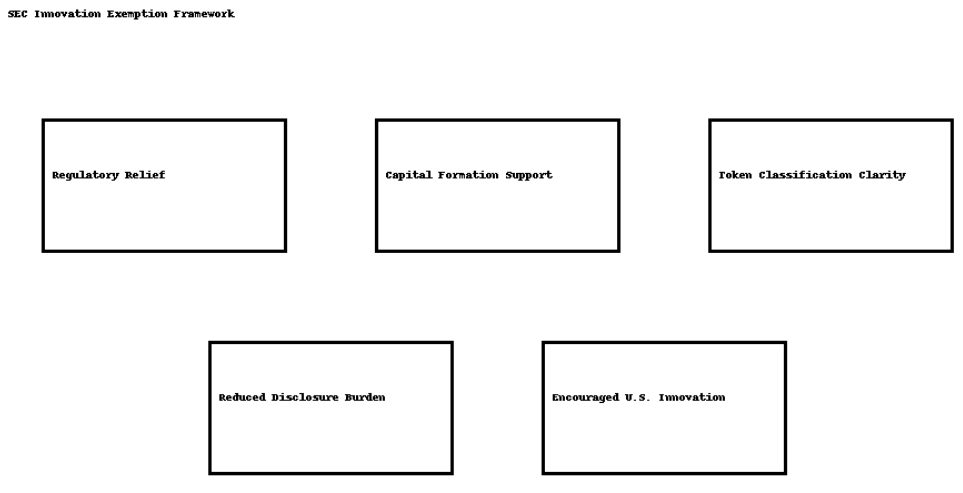
SEC Innovation Exemption Conceptual Framework
1. What Is the “Innovation Exemption”?
Atkins stated that the SEC has the authority to promote innovation without waiting for Congress to pass new laws. The “Innovation Exemption” would leverage this power to create a more flexible environment for crypto issuers, developers, and investors.
Key Characteristics
- Regulatory relief for early-stage crypto projects pursuing legitimate development
- Reduced compliance burdens for startups seeking capital
- Temporary safe-harbor-like conditions while projects mature
- Clearer rules around token classification and investor disclosures
Unlike previous safe-harbor proposals, this exemption could potentially apply across sectors, not just crypto. However, Atkins emphasized that digital assets are a core priority because the U.S. has “rejected” this sector for years and needs to catch up.
Why It Matters
For builders and investors, a predictable regulatory environment reduces both cost and uncertainty. Crypto startups have historically struggled with:
- unclear definitions of securities vs. commodities
- difficult fundraising conditions
- fear of retroactive enforcement
A structured exemption lowers these risks and encourages onshore development instead of offshore relocations.
2. Fixing the U.S. Capital Formation System
Atkins highlighted a significant structural issue:
“A $250 million company faces the same disclosure obligations as a company 100 times its size.”
This phenomenon imposes large-company disclosure burdens on small firms, which often lack the resources to comply. The proposed exemption aims to:
- differentiate between small, mid-size, and large issuers
- implement materiality-based reporting
- streamline IPO pathways
- strengthen U.S. competitiveness versus Asian and European markets
Macro Trend: U.S. Listings Have Halved in 30 Years
The number of publicly listed U.S. companies has dropped by almost 50% over the past three decades. Atkins attributes part of this decline to regulatory overreach and expensive compliance.
Implications for Crypto
Crypto projects seeking:
- token listings
- equity funding
- U.S. exchange partnerships
…would benefit from a more open and less punitive approach.
This also increases the likelihood of more U.S.-based regulated token offerings—an important trend for readers seeking new crypto investment opportunities.
3. Overhauling SEC Disclosure Requirements
Atkins announced a “comprehensive review” of corporate disclosure obligations. He argues that disclosure rules have been distorted to require information with little relevance to investors.
The New Direction
- A return to the principle of materiality
- Eliminating disclosures captured by political or non-financial interests
- Reducing excessive reporting costs
This matters for crypto issuers because unclear or burdensome disclosure demands have historically blocked token launches, even when projects attempted full compliance.
4. Token Classification Framework Coming Within Months
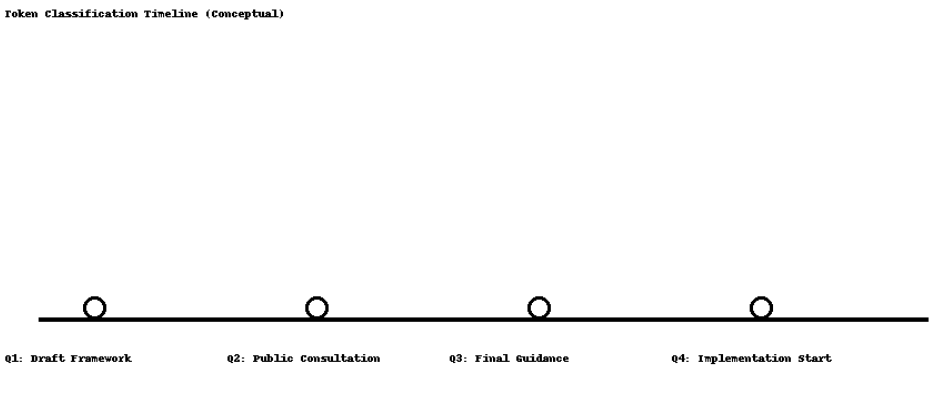
During a fintech conference hosted by the Federal Reserve Bank of Philadelphia on November 13, Atkins confirmed that the SEC will release:
- a token classification system
- a clear breakdown of when crypto assets qualify as securities
- guidelines that clarify the Howey Test in the digital context
Why This Is Crucial
The classification issue has been at the heart of:
- enforcement actions
- exchange delistings
- stalled U.S. blockchain innovation
A standardized taxonomy helps:
- developers structure compliant token models
- investors understand risk
- exchanges list assets with confidence
This could restart U.S.-based token launches after years of stagnation.
Token Classification Timeline (Conceptual)
5. Global Competitive Pressure Is Accelerating Reform
The U.S. faces rapidly increasing competition from:
- EU (MiCA)
- Singapore
- Japan
- Hong Kong
- UAE
These jurisdictions have already implemented crypto licensing frameworks, attracting exchanges, developers, and capital.
Market Trends from Other Sources
- Japan’s FSA is expanding stablecoin regulations and listing frameworks.
- Hong Kong is opening spot Bitcoin and Ethereum ETFs.
- UAE has become a global hub for compliant crypto exchanges.
- Europe’s MiCA allows passporting across 27 countries.
- U.S. venture capital investment in crypto has declined as projects relocate offshore.
The Innovation Exemption could reverse this capital flight.
6. Impact on Crypto Investors Seeking New Opportunities
Readers who are exploring new crypto assets and emerging investment opportunities should focus on several expected outcomes:
(1) More U.S.-based token launches
Once classification and exemptions stabilize, legitimate tokens—especially utility and payment tokens—may launch domestically instead of offshore.
(2) Increased institutional participation
Simplified compliance encourages:
- banks
- asset managers
- payment firms
- regulated exchanges
…to expand their crypto offerings.
(3) Revival of blockchain IPOs
Blockchain infrastructure firms—which have struggled to list—may find the IPO path easier.
(4) Enhanced transparency in token economics
Clear disclosure rules will reduce fraud and increase investor confidence.
(5) Growth in compliant DeFi integrations
Projects can operate within an approved regulatory zone instead of facing enforcement risk.
7. Economic Context and Dollar-Based Market Impact
(All monetary references are converted into USD as requested.)
The U.S. crypto market remains the world’s largest in terms of:
- venture funding
- exchange liquidity
- developer activity
- institutional adoption
However, regulatory barriers have prevented domestic growth. If the Innovation Exemption succeeds:
- U.S. crypto valuations could rise
- Offshore arbitrage opportunities could shrink
- Dollar-denominated market activity would strengthen
- More liquidity would enter compliant exchanges
This environment benefits both professional traders and long-term investors.
8. Challenges and Risks
While promising, the path is not without obstacles:
Legal Constraints
The SEC must ensure its exemption fits within existing statutory authority.
Political Pushback
Congressional and state-level political groups may resist deregulation.
Industry Lobbying
Competing interests (banking, fintech, DeFi, exchanges) may influence the final rules.
Implementation Complexity
Creating standardized token categories may take time and negotiation.
Still, Atkins appears committed to pushing forward despite these risks.
Conclusion
The SEC’s proposed “Innovation Exemption” marks one of the most significant regulatory shifts in U.S. crypto history. Combined with forthcoming token classification rules and a reevaluation of corporate disclosure obligations, this initiative could reestablish the United States as a global leader in blockchain innovation.
For crypto investors and builders—particularly those searching for new assets and business opportunities—the upcoming reforms may create a more predictable, transparent, and supportive environment.
If the policy is executed effectively, the United States may shift from a defensive regulatory posture to a proactive stance that embraces Web3 innovation while maintaining robust investor protection.
