
Main Points :
- The U.S. jobs report has become one of the most influential macro indicators shaping Bitcoin price movements.
- A slowdown in the labor market could ease inflationary pressure and encourage the Federal Reserve to shift toward a more accommodative monetary stance.
- Expectations of lower interest rates and improved liquidity tend to support “risk-on” assets such as Bitcoin.
- However, if labor market weakness signals a broader economic downturn, Bitcoin may face short-term downside risk alongside traditional risk assets.
- Investors must interpret employment data holistically, including wage growth and labor participation, rather than focusing solely on headline numbers.
1. The Labor Market as the Anchor of Federal Reserve Policy
The intense market focus on the U.S. jobs report reflects a fundamental reality of modern monetary policy: the Federal Reserve views labor market conditions as one of its most critical decision-making inputs. Employment data is no longer treated as a backward-looking economic statistic. Instead, it functions as a leading indicator that can reshape expectations for interest rates, liquidity, and global capital flows.
For the Federal Reserve, employment figures are deeply intertwined with inflation dynamics. A tight labor market often fuels wage growth, which in turn feeds into persistent inflation. When wage pressures remain elevated, the Fed is more likely to maintain restrictive monetary conditions, keeping interest rates higher for longer. Conversely, signs of labor market cooling—such as slower job creation, rising unemployment, or easing wage growth—suggest that inflationary pressures may be subsiding.
This relationship explains why a single jobs report can send shockwaves through global markets. Equity indices, bond yields, foreign exchange rates, and increasingly Bitcoin all react almost instantaneously. Bitcoin’s sensitivity to employment data underscores how deeply integrated the cryptocurrency market has become with macroeconomic liquidity cycles.
From a structural perspective, Bitcoin is no longer traded solely as an isolated technological experiment. It has evolved into a globally recognized financial asset whose valuation is influenced by the same macro forces that shape stocks, bonds, and commodities. As a result, the labor market—once considered irrelevant to decentralized assets—now plays a decisive role in Bitcoin’s short-term and medium-term price direction.
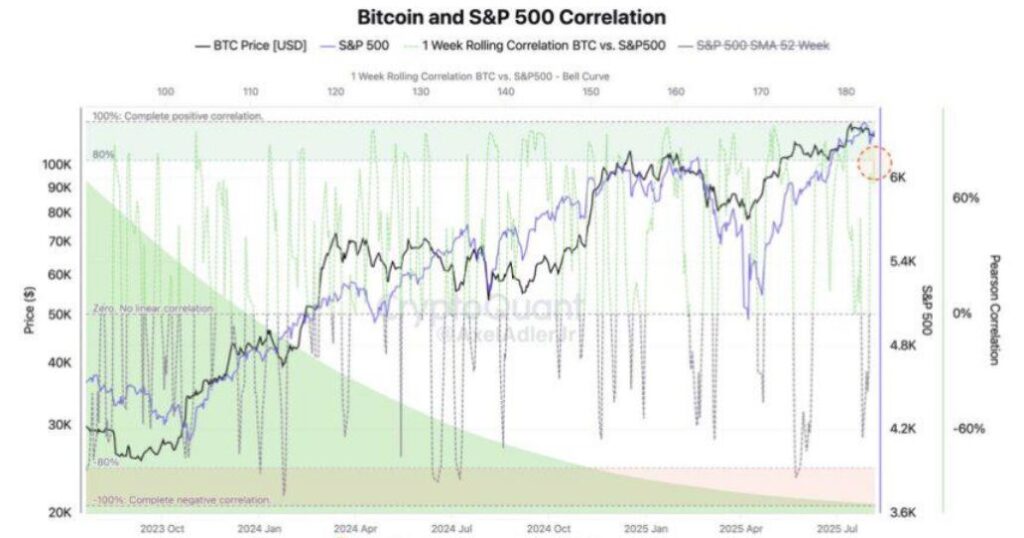
Title: U.S. Unemployment Rate vs. Bitcoin Price ($)
Description: A dual-axis chart showing historical unemployment rates and Bitcoin price movements, highlighting correlation during major policy shifts.
2. Why a Cooling Labor Market Can Be Bullish for Bitcoin
The argument that a slowing labor market could benefit Bitcoin is rooted in expectations about monetary easing. When employment data shows signs of weakening, investors tend to anticipate a shift in Federal Reserve policy—from aggressive tightening toward a pause, and eventually toward rate cuts.
Lower interest rates reduce the opportunity cost of holding non-yielding assets such as Bitcoin. When yields on government bonds decline, capital often seeks alternative assets with higher perceived upside. In this environment, Bitcoin frequently benefits from renewed inflows, particularly from investors seeking exposure to scarce, non-sovereign assets.
Improved liquidity conditions amplify this effect. Monetary easing typically expands global liquidity, increasing the amount of capital available for investment. Historically, periods of expanding liquidity have coincided with strong performance in risk assets, including equities, emerging market assets, and cryptocurrencies.
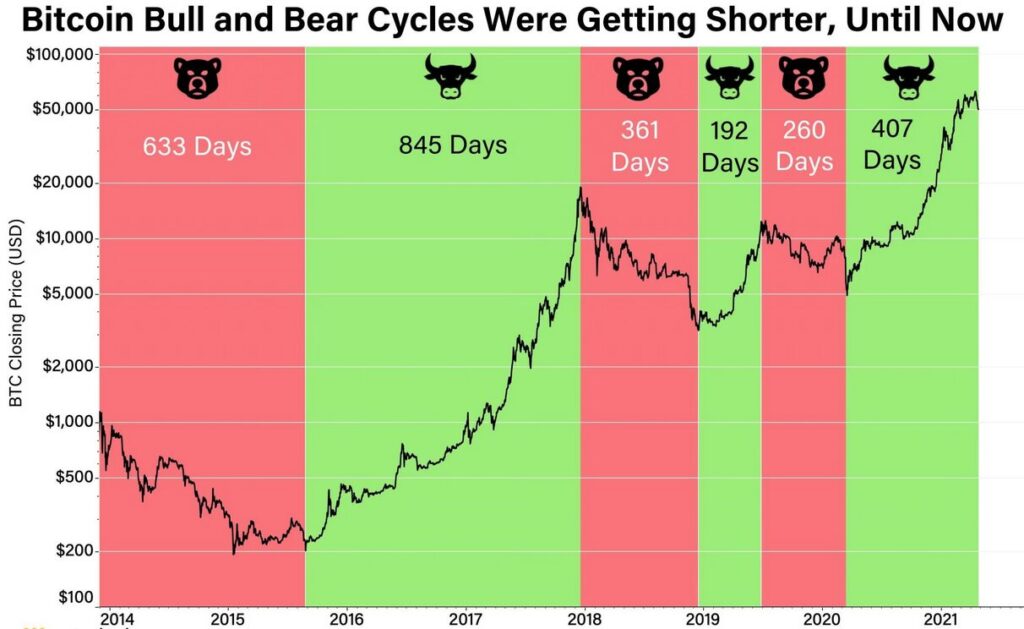
Title: Federal Funds Rate Expectations vs. Bitcoin Market Cycles
Description: A timeline chart comparing expected Fed rate changes with major Bitcoin bull and bear phases.
Bitcoin’s response to liquidity conditions has become especially pronounced in recent years. Institutional adoption, the growth of Bitcoin ETFs, and increased participation by macro-focused hedge funds have all strengthened the link between Bitcoin and broader financial conditions. For these investors, Bitcoin is often positioned as both a risk asset and a hedge against long-term monetary debasement.
In the short term, a jobs report that confirms labor market cooling could act as a powerful catalyst. It may provide the narrative justification investors need to re-enter the market, triggering a “risk-on” shift across asset classes. This dynamic helps explain why Bitcoin often rallies in anticipation of dovish signals, even before any actual policy change occurs.
3. Liquidity, Risk-On Sentiment, and Institutional Capital
One of the most significant consequences of easing labor conditions is the revival of global risk appetite. As expectations for tighter monetary policy fade, investors become more willing to allocate capital to higher-risk, higher-reward assets.
This “risk-on” sentiment extends beyond retail traders and speculative flows. Institutional investors, who often remain sidelined during periods of policy uncertainty, may re-engage when macro conditions become more predictable. For Bitcoin, this is particularly important.
Institutional capital tends to move more slowly, but in much larger volumes. When large asset managers, pension funds, or hedge funds adjust their macro outlook, their reallocations can have a substantial impact on market prices. A credible signal that the Fed is nearing the end of its tightening cycle can unlock this capital, benefiting Bitcoin alongside other risk assets.
Moreover, Bitcoin’s fixed supply narrative gains traction during periods of anticipated monetary easing. As investors expect future currency debasement or sustained liquidity injections, the appeal of a capped asset like Bitcoin strengthens. This narrative often reinforces price momentum once inflows begin.
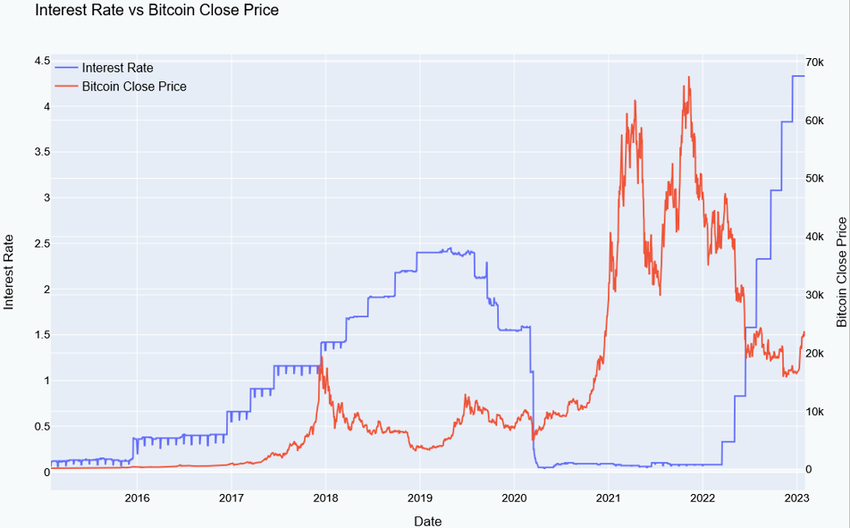
Title: Risk-On vs. Risk-Off Phases and Bitcoin Performance
Description: A comparative chart showing Bitcoin returns during risk-on and recessionary periods.
4. The Fine Line Between Soft Landing and Recession
Despite the bullish potential of labor market cooling, investors must remain cautious. Not all signs of employment weakness are positive. The critical distinction lies between a “soft landing” and the onset of a genuine economic downturn.
A soft landing occurs when inflation declines without a sharp contraction in economic activity. In this scenario, monetary easing supports asset prices while economic fundamentals remain relatively stable. Bitcoin tends to perform well in such environments, benefiting from liquidity without facing severe demand shocks.
However, if labor market deterioration accelerates—marked by rapid job losses, collapsing wage growth, or declining labor participation—it may signal a broader recession. In this case, market sentiment can quickly flip from risk-on to risk-off.
During recessions, investors often prioritize capital preservation. Even assets with strong long-term narratives, including Bitcoin, may face short-term selling pressure as liquidity dries up and risk tolerance collapses. Historical episodes have shown that Bitcoin is not immune to such dynamics, particularly in the early stages of economic stress.
Therefore, interpreting the jobs report requires nuance. Headline employment numbers must be analyzed alongside wage trends, participation rates, and revisions to prior data. Only by examining the full picture can investors assess whether labor market cooling represents a healthy normalization or a warning sign of deeper trouble.
5. What Investors Should Watch Beyond the Headlines
For crypto-focused investors, the U.S. jobs report should not be viewed in isolation. Several secondary indicators provide crucial context:
- Wage Growth: Slowing wage increases suggest easing inflationary pressure, supporting dovish policy expectations.
- Labor Participation Rate: A declining participation rate may mask underlying weakness in employment data.
- Revisions to Prior Reports: Significant downward revisions can signal that the labor market is weaker than initially reported.
- Market Reaction: Bond yields and equity futures often reveal how institutional investors interpret the data in real time.
Bitcoin’s short-term price action often reflects these interpretations rather than the headline figures alone. Sharp moves immediately after the release may reverse once the broader implications become clear.
Conclusion: Employment Data as a Catalyst, Not a Guarantee
The U.S. jobs report stands at the intersection of monetary policy, market psychology, and Bitcoin valuation. A cooling labor market has the potential to act as a powerful tailwind for Bitcoin by easing inflation concerns, encouraging monetary accommodation, and restoring global risk appetite.
At the same time, the risk of misinterpretation remains high. If labor market weakness signals a transition from slowdown to recession, Bitcoin may face temporary headwinds despite favorable long-term fundamentals.
For investors seeking new crypto assets, alternative revenue opportunities, or practical blockchain use cases, understanding this macro backdrop is essential. Bitcoin’s role within the global financial system continues to evolve, and employment data has become one of the key signals guiding that evolution.
In the coming months, U.S. labor market data will likely remain a decisive factor shaping Bitcoin’s trajectory. Those who can read beyond the headlines and assess the broader economic context will be best positioned to navigate both the opportunities and risks ahead.
