
Key Takeaways :
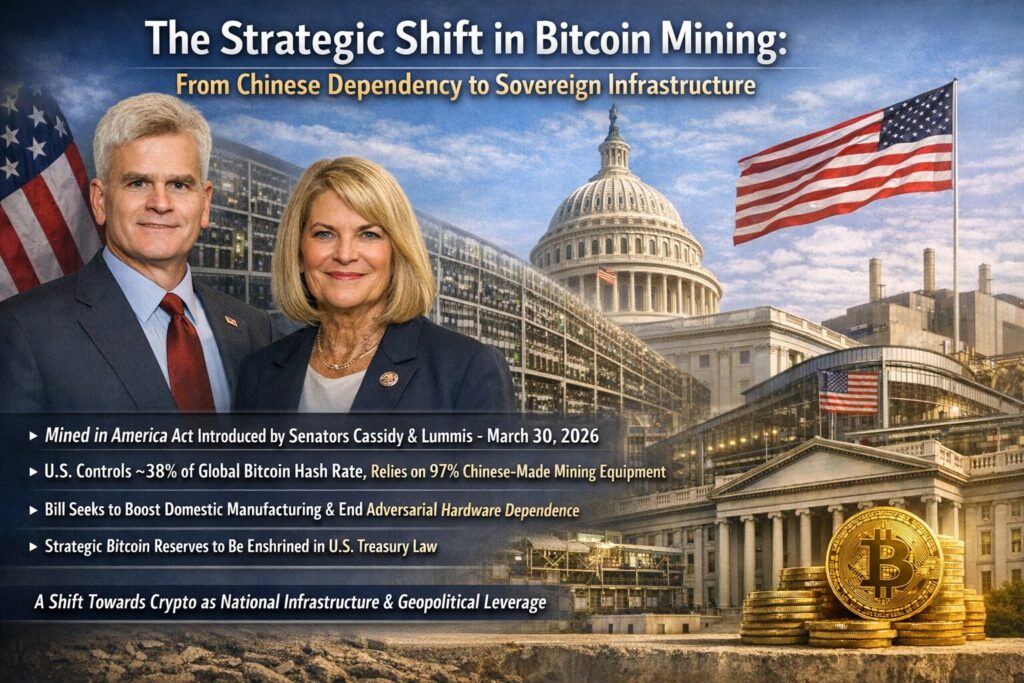
- U.S. senators Bill Cassidy and Cynthia Lummis introduced the Mined in America Act on March 30, 2026
- The U.S. controls ~38% of global Bitcoin hash rate but relies on 97% Chinese-made mining equipment
- The bill aims to eliminate reliance on adversarial hardware and promote domestic manufacturing
- Strategic Bitcoin reserves may become permanent law under the U.S. Treasury
- The move reflects a broader shift toward crypto as national infrastructure and geopolitical leverage
1. A Hidden Vulnerability Behind U.S. Mining Dominance
Despite its global leadership in Bitcoin mining, the United States faces a paradox. While it commands approximately 38% of global hash rate, the physical infrastructure underpinning this dominance—specifically ASIC mining machines—is overwhelmingly manufactured in China.
This imbalance creates a structural vulnerability. In traditional industries such as telecommunications and energy, supply chain dependency has long been viewed as a national security risk. Now, Bitcoin mining infrastructure is being reclassified under the same lens.
The introduction of the Mined in America Act marks a significant turning point. It reframes mining not merely as a private-sector activity, but as a strategic industrial capability tied to national sovereignty.
2. The “Mined in America Act”: Core Objectives
The legislation proposed by Cassidy and Lummis is structured around five core pillars:
(1) Certification Framework
A voluntary certification program will be established under the U.S. Department of Commerce, allowing mining facilities and pools to qualify for federal support.
(2) Elimination of Adversarial Equipment
Certified facilities must gradually transition away from equipment linked to geopolitical rivals, particularly China.
(3) Leveraging Existing Federal Programs
Rather than introducing new fiscal spending, the bill reallocates existing programs—such as energy and rural development funds—to support mining transitions.
(4) Domestic Manufacturing Incentives
Through institutions like National Institute of Standards and Technology (NIST) and Manufacturing Extension Partnerships, the bill promotes the development of secure, energy-efficient mining hardware.
(5) Permanent Strategic Bitcoin Reserve
Perhaps the most impactful provision is the formalization of a U.S. Bitcoin reserve under the Treasury, transforming a temporary executive action into enduring law.
3. Insert Figure 1 Here – Global Hash Rate Distribution (2026)
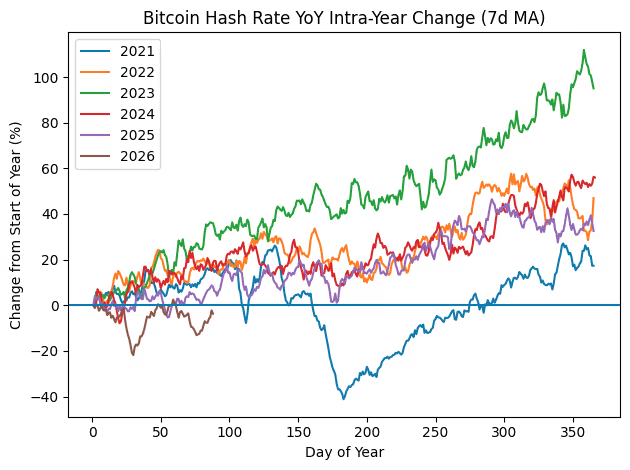
Figure 1 illustrates the geographic concentration of mining power and highlights the discrepancy between operational dominance and manufacturing dependency.
4. Supply Chain Risk Meets Geopolitics
The timing of this bill is not coincidental. Since 2025, trade tensions between the U.S. and China have escalated again, extending beyond semiconductors into broader technology sectors.
Bitcoin mining equipment—particularly ASIC chips—shares critical dependencies with semiconductor supply chains. As such, reliance on Chinese manufacturers introduces multiple risks:
- Hardware backdoor vulnerabilities
- Export restrictions or sanctions
- Price manipulation or supply disruptions
- Strategic leverage in times of geopolitical conflict
From a security perspective, mining infrastructure is no longer just about validating transactions—it is about control over a global monetary network.
5. The Rise of Bitcoin as a Strategic Reserve Asset
The bill also intersects with a broader trend: the institutionalization of Bitcoin as a reserve asset.
Originally established via executive order during the Trump administration in March 2025, the U.S. strategic Bitcoin reserve consists of seized BTC assets held rather than liquidated.
By codifying this reserve into law:
- Future administrations cannot easily dismantle it
- Bitcoin becomes embedded within the sovereign financial system
- The U.S. signals long-term confidence in Bitcoin’s role as “digital gold”
Market analysts have already speculated that such moves could act as catalysts for major price expansions, with projections reaching $150,000 per BTC under favorable macro conditions.
6. Insert Figure 2 Here – Bitcoin Price vs Institutional Adoption
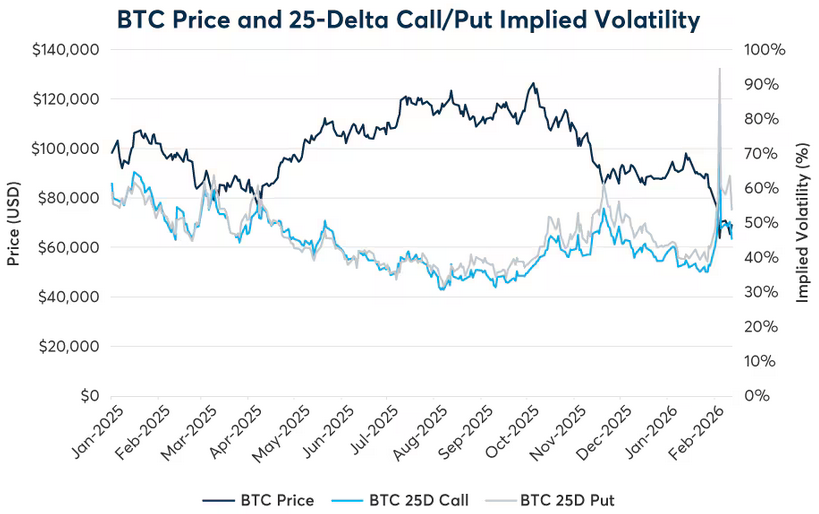
Figure 2 shows the correlation between institutional adoption and Bitcoin price dynamics.
7. Industry Implications: Cost vs Sovereignty
For mining operators, the transition will not be frictionless.
Challenges:
- High capital expenditure for replacing ASIC hardware
- Limited domestic manufacturing capacity (short term)
- Uncertainty around certification criteria
Opportunities:
- Access to federal subsidies and incentives
- Reduced geopolitical risk exposure
- First-mover advantage in compliant infrastructure
Over time, this transition could reshape the competitive landscape, favoring operators aligned with national policy frameworks.
8. The Broader Legislative Context
The mining bill is part of a larger wave of U.S. crypto regulation. Concurrently, lawmakers are advancing:
- Stablecoin regulatory frameworks
- Digital asset taxation policies
- Institutional custody standards
This convergence suggests a coordinated effort to position the United States as a global leader in regulated digital finance.
Rather than suppressing crypto, the U.S. appears to be integrating it into its economic and geopolitical strategy.
9. Strategic Interpretation: Beyond Mining
This development should not be viewed in isolation. It reflects three macro trends:
(1) Financial Sovereignty in the Digital Age
Control over mining equals influence over Bitcoin’s security and neutrality.
(2) Industrial Policy for Crypto Infrastructure
Similar to the CHIPS Act for semiconductors, this bill represents a targeted industrial policy.
(3) Bitcoin as a Geopolitical Asset
Bitcoin is transitioning from speculative asset to strategic reserve and policy tool.
Conclusion
The Mined in America Act represents a pivotal moment in the evolution of Bitcoin mining.
What was once a decentralized, borderless activity is increasingly being shaped by national interests, industrial policy, and geopolitical considerations.
For investors and builders, the implications are profound:
- Mining is becoming infrastructure, not just business
- Bitcoin is becoming policy, not just asset
- Supply chains are becoming strategic battlegrounds
Those who understand this transition early will be best positioned to capitalize on the next phase of the crypto economy.
