
Main Points :
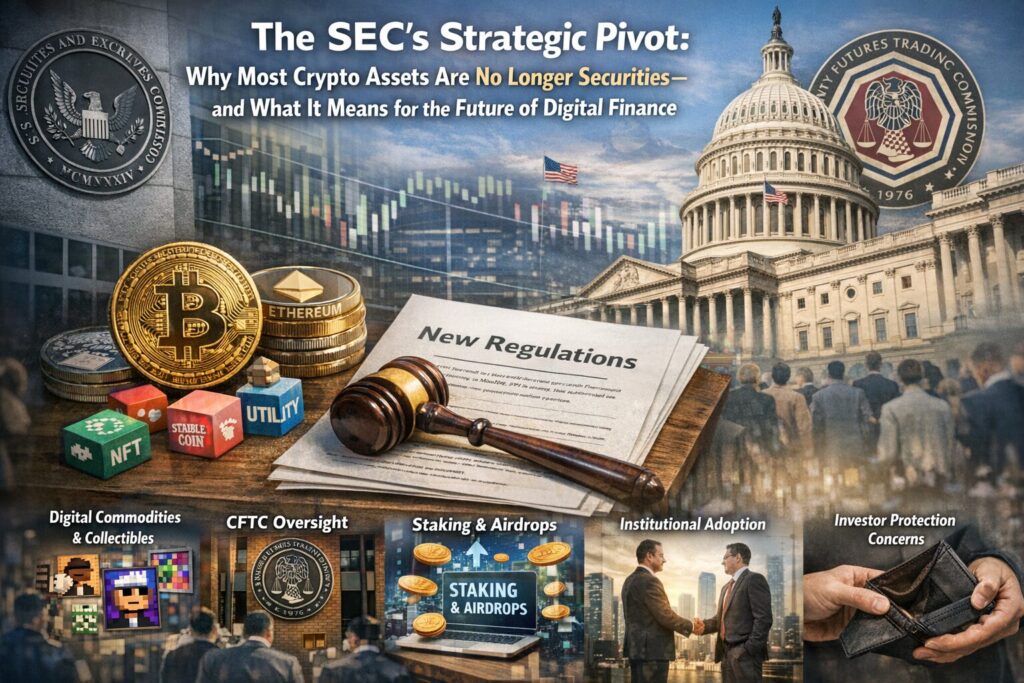
- The U.S. Securities and Exchange Commission (SEC) has clarified that most cryptocurrencies are not securities
- A new token taxonomy defines categories such as digital commodities, collectibles, utilities, stablecoins, and securities
- Regulatory authority is shifting toward the Commodity Futures Trading Commission (CFTC)
- Activities like staking, airdrops, and protocol mining are now more clearly interpreted under securities law
- Institutional adoption may accelerate due to regulatory clarity and reduced compliance ambiguity
- Critics warn that this shift may weaken investor protection
1. A Landmark Regulatory Shift in U.S. Crypto Policy
The United States has entered a new phase in cryptocurrency regulation. In a landmark move, the SEC released interpretive guidance clarifying how “non-security crypto assets” are treated under federal securities law. This follows the signing of a Memorandum of Understanding (MOU) with the CFTC, signaling a coordinated regulatory approach.
For years, uncertainty around whether crypto assets qualified as securities created a fragmented and high-risk environment for both innovators and investors. The SEC’s latest position effectively acknowledges a fundamental reality long argued by industry participants: most crypto assets are not securities in themselves.
This is not merely a technical clarification—it is a structural reset of regulatory philosophy.
SEC Chairman Paul Atkins emphasized that regulators must “draw clear boundaries in plain language,” acknowledging that prior approaches failed to reflect market realities. He also highlighted that investment contracts have a lifecycle—meaning that even if a token begins as a security, it may later evolve into a non-security asset.
This concept introduces temporal classification, a critical innovation that aligns regulatory thinking with decentralized network evolution.
2. Token Taxonomy: A New Framework for Digital Assets
One of the most important contributions of this guidance is the introduction of a consistent token taxonomy.
Key Token Categories
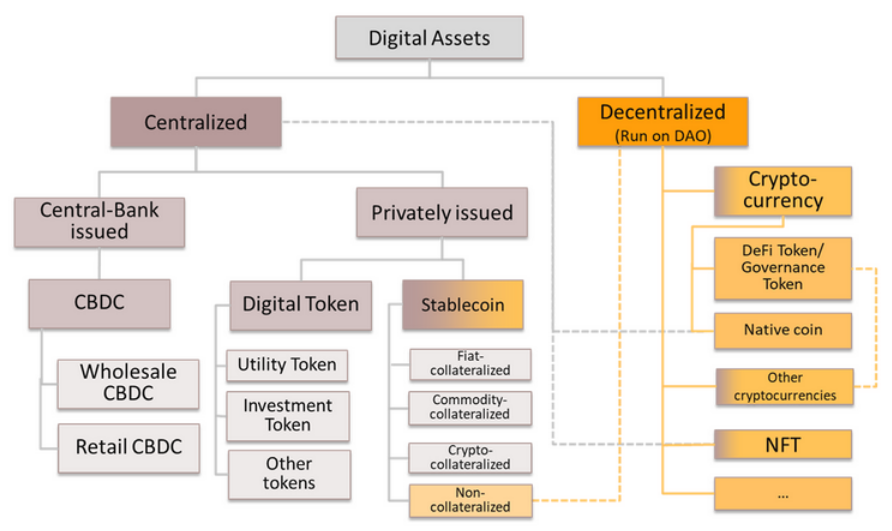
The SEC categorizes digital assets into:
- Digital Commodities (e.g., Bitcoin-like assets)
- Digital Collectibles (NFTs and cultural assets)
- Digital Utilities (tokens with functional network use)
- Stablecoins (value-pegged assets)
- Digital Securities (tokenized traditional financial instruments)
This taxonomy provides a shared language for regulators, developers, and investors. More importantly, it reduces the reliance on ambiguous legal tests like the SEC v. W. J. Howey Co. framework alone, which has long been criticized for its lack of clarity in modern decentralized systems.
3. Redefining “Investment Contracts” in Crypto
The guidance also clarifies when crypto activities may constitute an investment contract.
Activities Addressed
- Airdrops
- Protocol mining
- Staking
- Token wrapping
Previously, these activities existed in a regulatory gray zone. Now, the SEC indicates that not all such activities automatically fall under securities law, especially when they lack centralized managerial efforts or profit expectations tied to a specific issuer.
This is a significant shift. It recognizes that decentralized ecosystems operate differently from traditional capital markets, where a central issuer typically drives value.
4. SEC vs. CFTC: The Emerging Division of Power
The regulatory landscape is also evolving toward a clearer division of responsibilities:
- SEC → Tokenized securities
- CFTC → Digital commodities and broader crypto markets
Regulatory Structure Transition
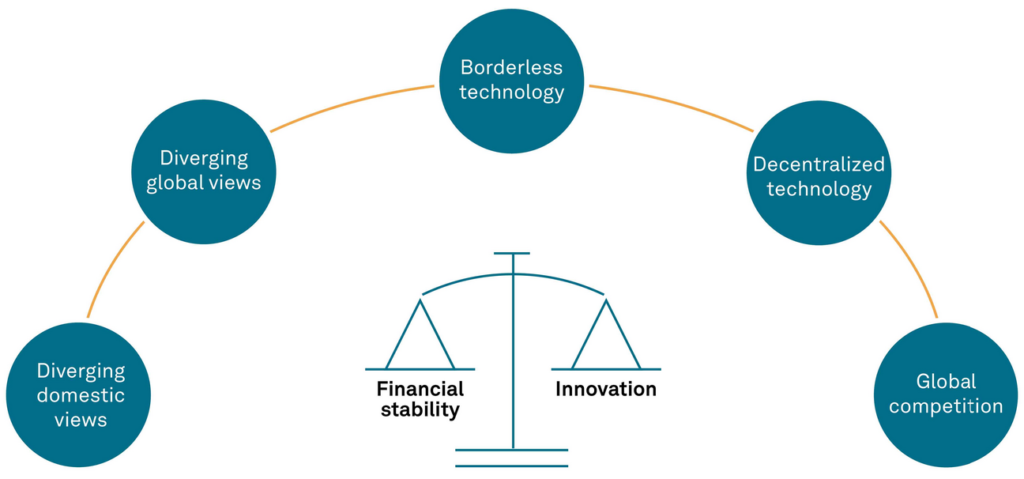
This shift is reinforced by ongoing legislative efforts in the U.S. Senate to pass a digital asset market structure bill. If enacted, it would grant the CFTC significantly expanded authority over crypto markets.
For market participants, this means:
- More predictable compliance frameworks
- Reduced legal risk for innovation
- Increased institutional participation
5. Institutional Adoption: The Real Catalyst
Regulatory clarity is not just a legal matter—it is a capital catalyst.
Historically, most crypto inflows came from self-directed retail investors. However, institutional investors—such as asset managers, pension funds, and banks—require clear regulatory frameworks before allocating capital.
This shift could unlock:
- Portfolio allocations of 1–4% in crypto assets
- Growth in crypto ETFs and structured products
- Expansion of tokenized real-world assets (RWAs)
The transition from self-directed capital to advisor-managed capital marks a structural turning point in the crypto market.
6. Market Implications: Opportunities for New Revenue Streams
For readers seeking new crypto assets and income opportunities, this regulatory shift opens several avenues:
1. Layer-1 and Infrastructure Tokens
With reduced securities risk, foundational networks may see renewed institutional interest.
2. Staking-Based Yield Models
Clearer rules around staking may encourage:
- Institutional staking services
- Yield-generating portfolios
3. Stablecoin Expansion
Stablecoins, now more clearly defined, are likely to:
- Expand in cross-border payments
- Integrate with traditional finance
4. Tokenized Real-World Assets (RWAs)
The SEC’s stance supports the idea that:
- Traditional securities can be tokenized
- Blockchain can enhance settlement efficiency
7. Criticism and Risks: Is Investor Protection Being Diluted?
Not everyone supports this regulatory pivot.
Former SEC official John Reed Stark criticized the agency, arguing that it has abandoned its role as a watchdog and is becoming overly accommodating to large financial institutions.
Critics highlight several risks:
- Reduced enforcement against fraudulent actors
- Increased exposure for retail investors
- Regulatory capture concerns
Additionally, leadership instability within the SEC—including recent resignations—raises questions about long-term policy consistency.
8. Global Context: A Shift Toward Harmonization
The U.S. is not acting in isolation. Globally:
- The MiCA framework in Europe is standardizing crypto rules
- Asian jurisdictions like Singapore and Hong Kong are promoting regulated crypto hubs
- Japan continues to refine its token classification systems
This convergence suggests a broader trend toward global regulatory harmonization, which could further legitimize the crypto industry.
9. Strategic Outlook: A New Era for Crypto
Market Evolution Model
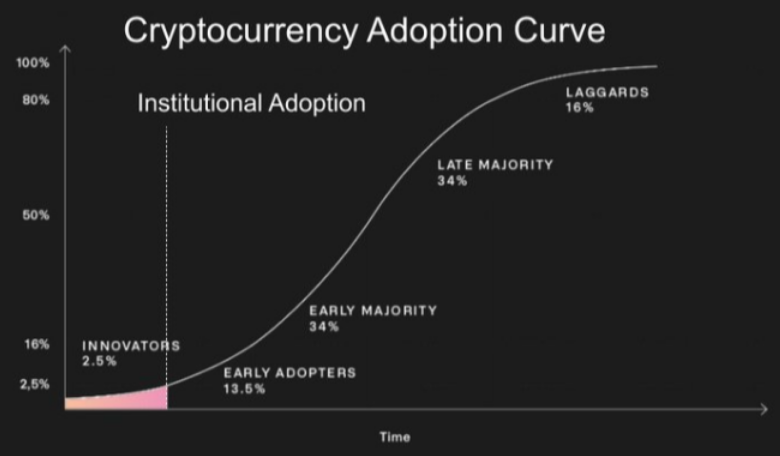
The SEC’s guidance marks the beginning of a new phase:
- Regulatory clarity
- Institutional entry
- Infrastructure scaling
- Mainstream financial integration
For builders and investors, the key question is no longer whether crypto will be regulated—but how to position within a clearer, more structured system.
Conclusion
The SEC’s declaration that most crypto assets are not securities represents a profound shift in regulatory philosophy. By introducing a clear taxonomy, redefining investment contracts, and coordinating with the CFTC, the U.S. is laying the groundwork for a more mature and scalable digital asset ecosystem.
For investors, this means reduced uncertainty and new opportunities. For developers, it signals a more supportive environment for innovation. And for institutions, it provides the clarity needed to deploy significant capital.
However, this transition is not without risks. The balance between innovation and investor protection will remain a critical challenge.
Ultimately, this moment may be remembered as the point at which crypto moved from regulatory ambiguity to structured integration within the global financial system.
