
Key Points :
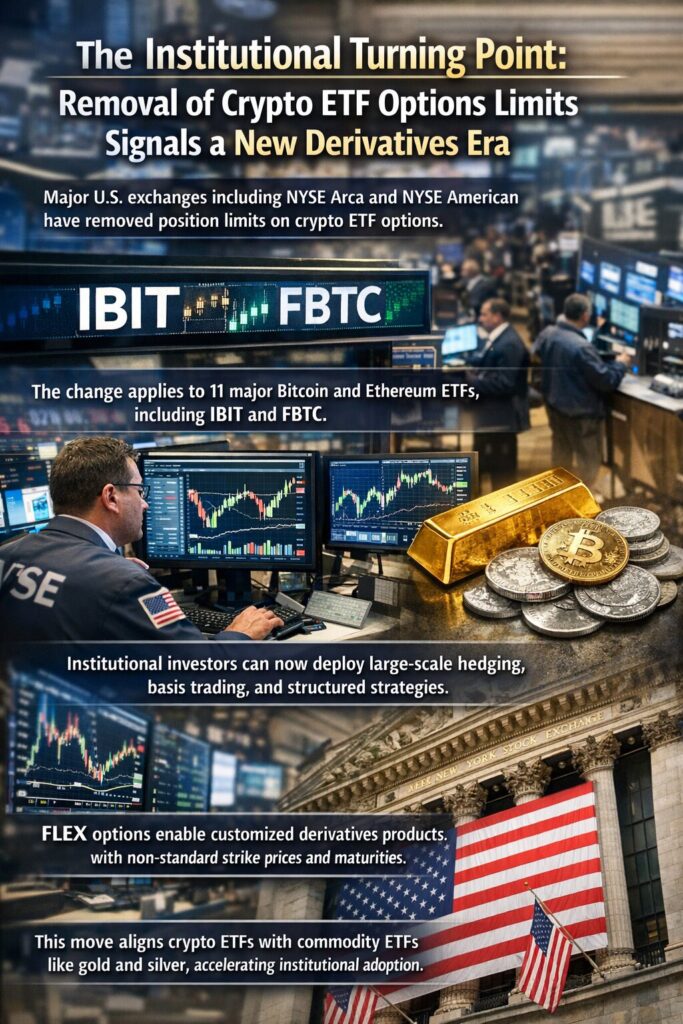
- Major U.S. exchanges including NYSE Arca and NYSE American have removed position limits on crypto ETF options.
- The change applies to 11 major Bitcoin and Ethereum ETFs, including IBIT and FBTC.
- Institutional investors can now deploy large-scale hedging, basis trading, and structured strategies.
- FLEX options enable customized derivatives products with non-standard strike prices and maturities.
- This move aligns crypto ETFs with commodity ETFs like gold and silver, accelerating institutional adoption.
1. A Structural Shift in Crypto Market Infrastructure
The global cryptocurrency market has reached a pivotal turning point with the removal of position limits on crypto ETF options across major U.S. exchanges. NYSE Arca and NYSE American have officially completed the transition, eliminating the long-standing cap of 25,000 contracts per position. This development marks the final step in a broader industry-wide shift that began earlier in 2026, bringing all major U.S. options exchanges into alignment.
Previously, position limits were imposed as a precautionary measure when crypto ETF options first launched in November 2024. Regulators and exchanges were cautious, given the volatility and perceived systemic risks associated with digital assets. However, as the market matured and liquidity deepened, these restrictions increasingly appeared outdated and inconsistent—especially when compared to commodity ETFs such as gold (GLD) and silver (SLV), which operate without such stringent caps.
The removal of these limits is not merely a technical adjustment. It represents a structural evolution of the crypto market, signaling that digital assets are now being treated on par with traditional financial instruments.
2. Institutional Capital Unleashed: New Strategic Possibilities
With the elimination of position limits, institutional investors gain access to significantly expanded strategic capabilities.
2.1 Large-Scale Hedging
Previously, institutions managing large Bitcoin or Ethereum exposures faced constraints when attempting to hedge risk using ETF options. The 25,000-contract cap limited the effectiveness of such strategies, forcing firms to fragment positions or rely on less efficient instruments.
Now, institutions can execute full-scale hedging strategies that align with their actual exposure sizes. This is particularly critical for:
- Asset managers holding spot Bitcoin ETFs
- Treasury desks managing crypto reserves
- Market makers providing liquidity across exchanges
The result is a more stable and efficient market structure, where risk can be managed more precisely.2.2 Basis Trading and Arbitrage Expansion
The removal of limits also unlocks significant opportunities in basis trading—one of the most important revenue strategies in modern financial markets.
Basis trading involves exploiting price differences between:
- Spot ETFs
- Futures contracts
- Options markets
With larger allowable positions, institutional players can deploy capital at scale, improving market efficiency while generating consistent returns. This aligns crypto markets more closely with established asset classes such as equities and commodities.2.3 Overlay Strategies and Yield Generation
Overlay strategies—where derivatives are used to enhance portfolio returns—become far more viable under the new framework.
Examples include:
- Covered call strategies on Bitcoin ETFs
- Protective puts for downside risk management
- Volatility selling strategies for yield generation
These approaches are widely used in traditional finance but were previously constrained in crypto due to regulatory limitations. The new environment opens the door for sophisticated income-generating products targeting institutional and even high-net-worth investors.
3. FLEX Options: Customization Enters the Crypto Era
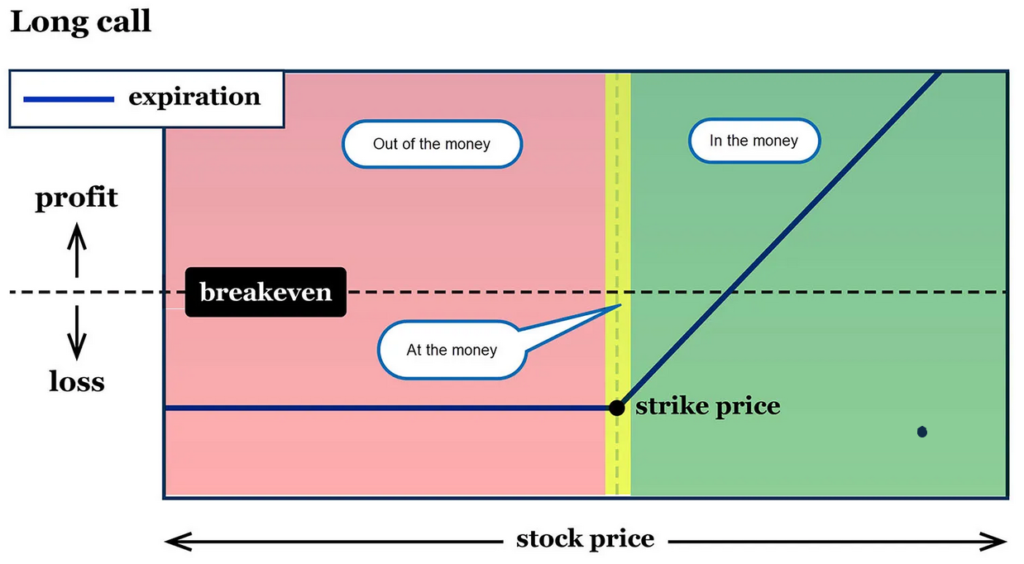
A particularly significant aspect of this regulatory shift is the introduction of FLEX (Flexible Exchange) options for crypto ETFs.
FLEX options allow market participants to customize:
- Strike prices
- Expiration dates
- Contract sizes
This level of flexibility enables the creation of highly tailored financial products.
Illustration: FLEX Options Structure
3.1 Structured Products and Institutional Demand
With FLEX options, institutions can now design structured products such as:
- Capital-protected crypto notes
- Yield-enhanced Bitcoin-linked securities
- Tail-risk hedging instruments
This is particularly relevant for banks, hedge funds, and asset managers seeking to integrate crypto exposure into traditional portfolios without assuming full volatility risk.3.2 Bridging Traditional Finance and Crypto
FLEX options effectively act as a bridge between traditional finance (TradFi) and decentralized assets. They allow institutions to replicate familiar financial engineering techniques within the crypto ecosystem.
This development is aligned with broader trends:
- Tokenization of real-world assets (RWA)
- Institutional custody solutions
- Integration of crypto into portfolio management systems
4. Market-Wide Alignment: The End of Fragmentation
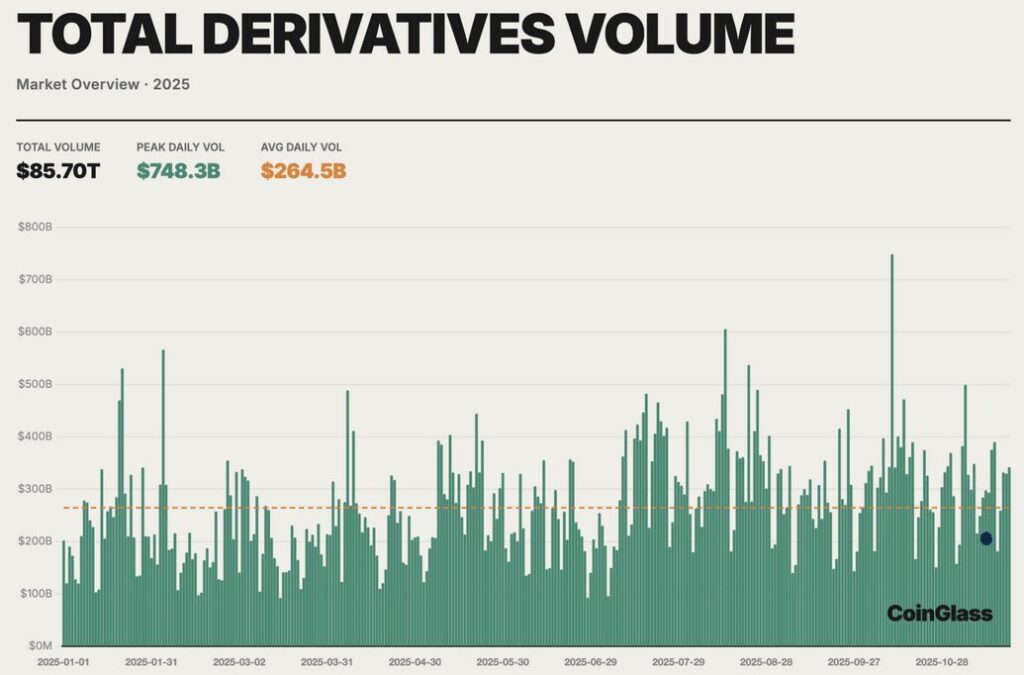
The transition to unlimited position limits did not occur in isolation. It represents a coordinated shift across all major U.S. options exchanges:
- January: Nasdaq ISE and Nasdaq PHLX
- January: MIAX
- February: MEMX
- March: Cboe
- Final phase: NYSE Arca and NYSE American
This synchronized movement eliminates fragmentation and ensures a consistent regulatory environment across platforms.
Illustration: Exchange Adoption Timeline
Such alignment is critical for institutional participation. Large players require:
- Regulatory clarity
- Cross-market consistency
- Scalable infrastructure
The completion of this transition signals that the U.S. crypto derivatives market is now institution-ready.
5. Regulatory Confidence and SEC Positioning
The U.S. Securities and Exchange Commission (SEC) played a crucial role in accelerating this transition.
Notably, the SEC:
- Waived the standard 30-day waiting period
- Approved the rule change for immediate implementation
- Confirmed that similar changes had already been adopted elsewhere
This indicates a growing level of regulatory confidence in crypto markets.5.1 From Caution to Acceptance
The SEC’s stance has evolved significantly:
- 2024: High caution, strict limits, experimental phase
- 2025: Gradual approvals of spot Bitcoin ETFs
- 2026: Full integration into derivatives markets
This trajectory suggests that crypto is no longer viewed as a fringe asset class but as a core component of modern financial systems.
6. The IBIT Factor and Future Scaling
One of the most closely watched developments is the proposal to increase the position limit for BlackRock’s IBIT ETF to 1,000,000 contracts.
If approved, this would:
- Further amplify institutional participation
- Establish IBIT as a dominant liquidity hub
- Set a precedent for other crypto ETFs
Illustration: Institutional Flow into Crypto ETF
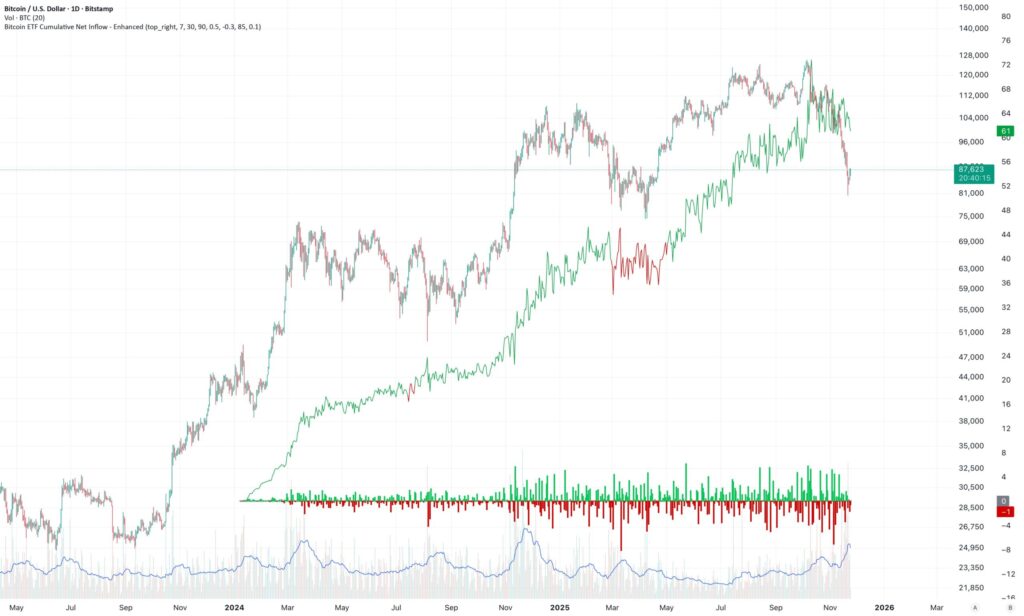
This move highlights the growing dominance of asset managers like BlackRock and Fidelity in shaping the crypto market structure.
7. Implications for Investors and Builders
For readers seeking new crypto assets, revenue opportunities, and practical blockchain applications, this development carries several key implications:7.1 New Revenue Streams
The expansion of derivatives markets creates multiple income opportunities:
- Options selling strategies
- Arbitrage between spot and derivatives
- Structured product distribution
7.2 Increased Market Stability
As institutions deploy hedging strategies, volatility may become more controlled over time. This does not eliminate risk but introduces mechanisms for risk distribution.7.3 Infrastructure Opportunities
For builders and developers, this shift opens new areas:
- Derivatives analytics platforms
- Risk management tools
- Institutional-grade trading infrastructure
- API integrations for options strategies
8. Conclusion: The Beginning of Crypto’s Derivatives Supercycle
The removal of position limits on crypto ETF options represents far more than a regulatory adjustment—it is a signal that the crypto market has entered a new phase of institutional maturity.
By aligning crypto ETFs with traditional financial instruments, enabling large-scale strategies, and introducing customizable derivatives through FLEX options, the market is rapidly evolving into a fully integrated component of global finance.
For investors, this means new opportunities for yield and diversification. For institutions, it unlocks scalable strategies previously unavailable. And for builders, it marks the beginning of a new wave of infrastructure development centered around derivatives and risk management.
The crypto market is no longer just about spot trading or speculative gains. It is becoming a sophisticated financial ecosystem—one where derivatives, structured products, and institutional capital define the next era of growth.
