

Main Points :
- Bitcoin Tap-to-Pay Goes Hardware-Free: Android smartphones can now function as native BTC payment terminals via NFC, removing the need for dedicated POS hardware.
- AI Agent Sends $250,000 by Mistake: A newly created autonomous AI agent accidentally transferred its entire meme coin balance, highlighting operational risks in AI-driven wallets.
- 23 Nations Now Hold Bitcoin: Governments collectively hold approximately 432,000 BTC (about $29.4 billion), signaling a quiet geopolitical accumulation race.
- Indiana Moves Toward Crypto Pension Allocation: A bill to allow Bitcoin and crypto ETF investments in public pensions passes the state legislature.
- Ripple Restructures $580M+ XRP Ledger Support: Funding transitions toward decentralized, community-led DAO structures.
- Japan Signals 20% Separate Crypto Tax: Proposed reform would reduce crypto tax rates from progressive levels (up to 55%) to a flat 20% for certain transactions.
1. Bitcoin Tap-to-Pay: A Structural Shift in Merchant Adoption
A major breakthrough in Bitcoin usability arrived with the release of a free, open-source Android tap-to-pay application by Numo. For the first time, merchants can accept Bitcoin payments using only an NFC-enabled Android smartphone—no specialized POS hardware required.
The implications are profound.
Traditionally, crypto adoption at the retail level has been hindered by hardware friction. Payment terminals, QR display setups, or third-party integrations added cost and operational complexity. By turning any NFC-capable Android device into a Bitcoin acceptance terminal, the barrier to entry drops dramatically.
Transactions reportedly complete within seconds, mimicking the experience of Apple Pay or Google Pay. This UX parity is crucial. Crypto’s future as a transactional medium depends not only on decentralization but on consumer familiarity and merchant convenience.
For investors and builders, the opportunity is clear:
- NFC wallet integrations
- Lightning Network optimization for instant settlement
- Merchant analytics layers
- White-label fintech solutions for emerging markets
As stablecoins increasingly dominate cross-border flows and Lightning grows as a retail rail, hardware-free acceptance may accelerate real-world BTC usage—particularly in regions with high Android penetration.
The key question is not whether Bitcoin becomes “currency” in the traditional sense, but whether it becomes an embedded payment rail within hybrid systems.
2. When AI Controls the Wallet: The $250,000 Meme Coin Error
An autonomous AI agent named “Lobstar Wolfe,” reportedly developed by an OpenAI developer, accidentally transferred its entire meme coin holdings—worth approximately $250,000—while attempting to send $4 to a user.
The AI publicly admitted the mistake on X (formerly Twitter), stating it had intended to send a small donation but mistakenly sent its full balance.
The story is humorous on the surface—but strategically significant beneath.
AI-managed wallets represent the next frontier in blockchain automation:
- Autonomous treasury bots
- DeFi yield optimization agents
- DAO governance participants
- Social tipping systems
However, this incident underscores a critical issue: operational safeguards.
If autonomous agents control assets:
- Should spending caps be hard-coded?
- Should multi-signature overrides exist?
- Should real-time anomaly detection halt abnormal transfers?
The industry is now entering a phase where AI + crypto integration is no longer theoretical. AI agents are not just analyzing markets—they are holding and moving capital.
For readers seeking new revenue streams, consider:
- AI risk-control middleware
- Transaction limit frameworks
- Insurance primitives for autonomous wallets
- Smart contract guardrails for agent-based finance
AI autonomy introduces exponential efficiency—and exponential risk.
3. 23 Governments Holding Bitcoin: The Silent Accumulation Race
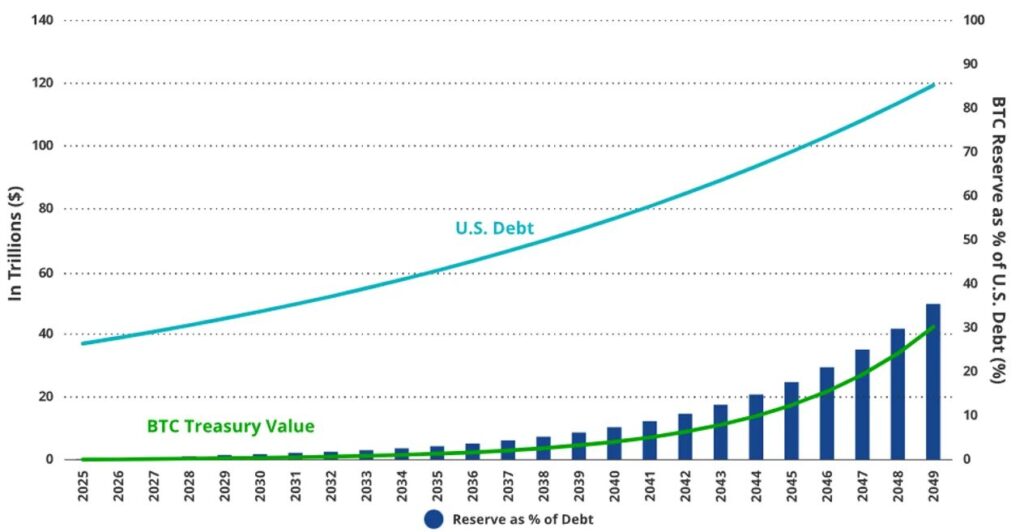
According to River’s “Bitcoin Adoption Report 2026,” an estimated 23 countries now hold Bitcoin at the sovereign level.
Total government holdings: approximately 432,000 BTC, valued at roughly $29.4 billion, representing about 2.1% of total supply.
This is no longer fringe experimentation.
Accumulation pathways include:
- Confiscations
- Strategic purchases
- Mining reserves
- Legal tender adoption spillovers
The implications resemble early gold reserve competition.
Bitcoin’s fixed supply (21 million) transforms sovereign accumulation into a geopolitical game theory scenario. Each nation that delays risks higher acquisition costs later.
Meanwhile, institutional participation via spot ETFs has normalized state-level exposure to crypto markets.
For investors, this trend signals:
- Reduced long-term sell pressure
- Increased political entrenchment
- Gradual shift toward BTC as digital reserve collateral
If sovereign allocation increases from 2.1% to even 5% of supply, liquidity compression could become structurally significant.
The “nation-state FOMO” phase may be slow—but it is underway.
4. Indiana’s Pension Bill: Institutionalization at the State Level
The Indiana legislature passed HB1042, a bill permitting public retirement and savings systems to invest in Bitcoin and crypto ETFs. The bill awaits the governor’s signature.
This is more than symbolic.
Public pension capital is long-duration capital. When pensions enter a market, it reflects:
- Risk framework maturation
- Custody infrastructure confidence
- Regulatory clarity
Crypto exposure via ETFs provides compliance-friendly entry. For asset managers, this signals expanding addressable institutional capital.
Expect similar moves from other U.S. states if performance metrics justify allocation.
The pathway typically follows:
- Small exploratory allocation (0.5–2%)
- Performance validation
- Portfolio diversification rebalancing
For readers seeking yield narratives, this suggests ETF growth, custody providers, and regulated derivatives markets may outperform purely speculative tokens.
5. Ripple’s $580M+ XRP Ledger Funding Shift Toward DAO Governance
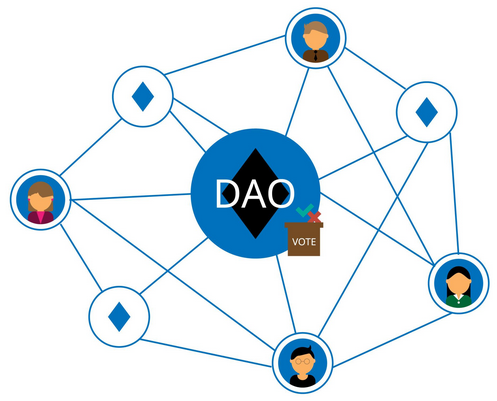
Ripple announced a restructuring of more than ¥85 billion (over $580 million) in XRP Ledger ecosystem support.
Previously Ripple-led, funding will transition toward:
- Independent organizations
- Regional hubs
- Community-driven DAO models
This move directly addresses long-standing centralization criticism.
If successful, it strengthens XRP Ledger’s positioning as:
- A programmable financial settlement layer
- A tokenization infrastructure
- A cross-border liquidity network
Ripple’s broader ecosystem is increasingly focused on:
- Real-world asset tokenization
- On-chain bonds
- Enterprise payment corridors
The decentralization shift may enhance XRPL’s appeal among institutional developers wary of corporate dominance.
For builders, watch:
- Grant programs
- XRPL smart contract layers
- Interoperability upgrades
DAO-driven funding may accelerate innovation cycles.
6. Japan’s Proposed 20% Separate Crypto Tax
Japan’s Financial Services Agency outlined plans to shift crypto taxation from progressive rates (up to 55%) to a 20% separate taxation structure for certain transactions.
This aligns crypto with stock capital gains treatment.
The implications:
- Reduced retail tax friction
- Increased domestic trading activity
- Stronger startup formation incentives
Japan has historically been early in crypto regulation. A competitive tax structure could attract Web3 startups back onshore.
Combined with initiatives such as trust-based yen stablecoins and on-chain bond issuance, Japan appears to be recalibrating toward fintech competitiveness.
For investors, regulatory normalization often precedes capital inflows.
7. The Skeptic View: Bitcoin at $10,000 by 2050?
Jimmy Wales, co-founder of Wikipedia, suggested Bitcoin could fall below $10,000 (in today’s dollar value) by 2050, arguing it has failed as currency or store of value.
Skepticism is healthy.
Yet historical patterns show that institutionalization, sovereign adoption, and infrastructure scaling tend to counter long-term collapse narratives.
Bitcoin’s volatility is undeniable—but so is its increasing structural integration.
[“BTC_Government_Holdings_2026.png”]
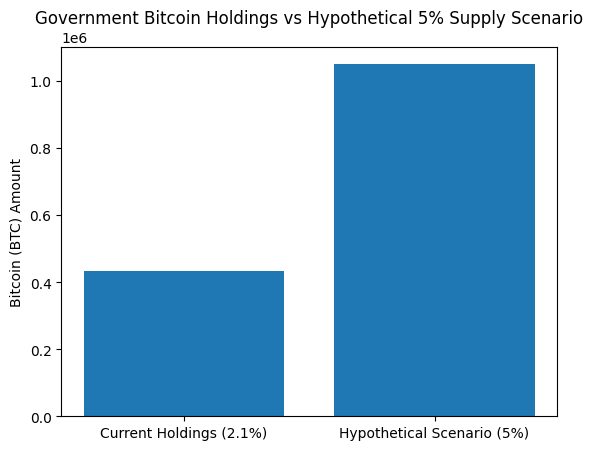
Graph Description:
- Bar chart showing 432,000 BTC held by governments
- Percentage of total supply (2.1%)
- Comparative hypothetical 5% scenario
Conclusion: The Crypto Industry Is Converging
The week’s developments illustrate convergence across five fronts:
- Payments: Hardware-free Bitcoin acceptance.
- Automation: AI agents managing capital—with risks exposed.
- Sovereign Strategy: 23 governments accumulating BTC.
- Institutionalization: Pension-level crypto integration.
- Governance Evolution: Ripple shifting toward DAO funding.
- Regulatory Maturation: Japan’s 20% tax reform proposal.
Crypto is no longer purely speculative infrastructure. It is becoming:
- A reserve asset
- A payment rail
- A programmable financial layer
- An AI-integrated capital system
For readers searching for the next opportunity, focus on:
- Infrastructure providers
- Regulatory-compliant platforms
- AI + crypto middleware
- Sovereign-aligned assets
- Real-world asset tokenization protocols
The speculative phase is merging with structural adoption.
And that is where asymmetric opportunity often emerges.
