
Key Takeaways :
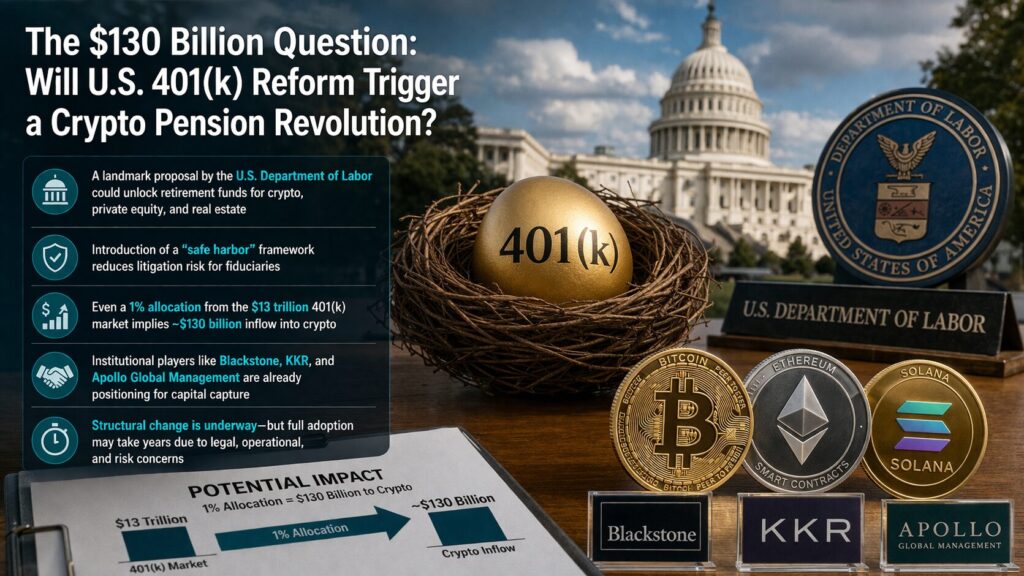
- A landmark proposal by the U.S. Department of Labor could unlock retirement funds for crypto, private equity, and real estate
- Introduction of a “safe harbor” framework reduces litigation risk for fiduciaries
- Even a 1% allocation from the $13 trillion 401(k) market implies ~$130 billion inflow into crypto
- Institutional players like Blackstone, KKR, and Apollo Global Management are already positioning for capital capture
- Structural change is underway—but full adoption may take years due to legal, operational, and risk concerns
Introduction: A Structural Shift in Retirement Finance
The global cryptocurrency market may be on the brink of one of its most consequential structural transformations yet—not driven by retail speculation, but by retirement capital. On March 30, 2026, the U.S. Department of Labor formally introduced a regulatory proposal that could reshape how Americans invest their retirement savings.
At the center of this proposal lies a simple but powerful idea: make it easier—and legally safer—for employers to include alternative assets such as cryptocurrencies in 401(k) retirement plans.
While crypto adoption has traditionally been fueled by individual investors, hedge funds, and increasingly ETFs, this proposal introduces a new category of potential capital: pension money. Historically conservative and risk-averse, pension capital entering crypto would mark a profound shift—not just in capital flows, but in the legitimacy and maturity of the asset class itself.
The Core of the Proposal: The “Safe Harbor” Mechanism
The most critical innovation in this proposal is the creation of a “safe harbor” framework—a legal structure designed to protect fiduciaries (i.e., employers and plan sponsors) from lawsuits when offering alternative investments in retirement plans.
Why This Matters
Although cryptocurrencies were never explicitly banned from 401(k) plans, they were effectively excluded due to legal risks. Since 2016, over 500 lawsuits totaling more than $1 billion have been filed against plan fiduciaries for investment decisions deemed inappropriate.
This created a chilling effect. Even if crypto or private equity offered strong long-term returns, companies avoided them simply because the legal downside outweighed potential benefits.
The Six Criteria for Protection
To qualify for safe harbor protection, fiduciaries must evaluate investments based on six key factors:
- Performance track record
- Fee structure
- Liquidity profile
- Valuation methodology
- Benchmark comparability
- Complexity
This framework does not endorse crypto directly—it instead provides a structured process for evaluating risk, which is crucial for institutional adoption.
Capital at Stake: A Multi-Trillion-Dollar Opportunity
To understand the magnitude of this proposal, one must look at the scale of the U.S. retirement system.
| Category | Size (USD) |
|---|---|
| 401(k) Defined Contribution Plans | ~$13 trillion |
| Individual Retirement Accounts (IRA) | ~$18 trillion |
| Total U.S. Retirement Assets | ~$31 trillion+ |
Even conservative assumptions yield staggering implications.
- 1% allocation → ~$130 billion inflow
- 5% allocation → ~$650 billion inflow
For comparison, the total market capitalization of many major altcoins is far below these figures. This suggests that even marginal allocation shifts could reshape entire segments of the crypto market.
Estimated Crypto Inflows from 401(k) Allocations
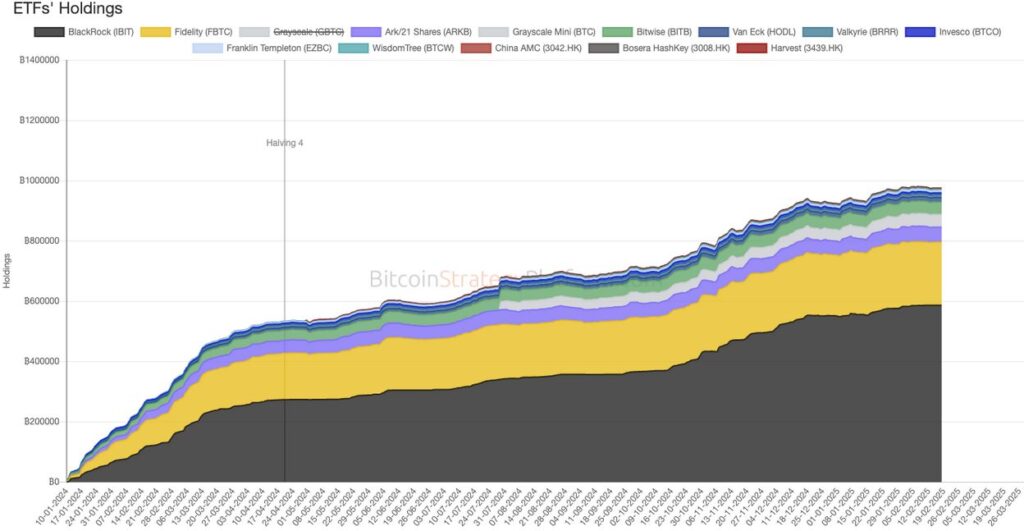
illustrates how different allocation percentages translate into capital inflows.
Policy Evolution: From Restriction to Promotion
The current proposal is not an isolated development—it is the result of a broader political and regulatory shift.
Timeline of Key Events
- 2022: The U.S. Department of Labor warned against crypto in 401(k)s under the Biden administration
- 2025: The warning was rescinded, signaling a softer stance
- 2025: Donald Trump returned to office, promoting the U.S. as a “crypto capital”
- 2025: The GENIUS Act was enacted, providing regulatory clarity for stablecoins
- 2026: The current safe harbor proposal was formally introduced
This trajectory reflects a transition from caution to strategic enablement, aligning regulatory frameworks with evolving financial innovation.
Market Reaction: Institutional Positioning Begins
Following the announcement, shares of major alternative asset managers—including Blackstone and Apollo Global Management—experienced upward momentum.
This reaction is telling.
These firms are not reacting to immediate inflows, but to future optionality. They understand that if pension capital begins allocating to alternative assets, they will be among the primary beneficiaries.
Support vs Skepticism: A Divided Landscape
Supporters’ View
Proponents argue that:
- Fiduciaries do not need permission to innovate—they need clarity and protection
- Modern portfolios should reflect modern markets, including digital assets
- Diversification into alternatives may enhance long-term returns
Skeptical Perspective
Analysts warn that:
- Legal clarity does not guarantee legal immunity
- Adoption will likely be slow, incremental, and indirect (e.g., via target-date funds)
- Full integration may take years, not months
Political Opposition
Figures such as Elizabeth Warren and Bernie Sanders have voiced strong opposition, citing:
- High volatility
- Lack of transparency
- Unsuitability for retirement savings
Risk Considerations: What Investors Must Understand
Despite the optimism, the risks remain substantial.
Crypto-Specific Risks
- Extreme price volatility
- Regulatory uncertainty across jurisdictions
- Custody and security concerns
Structural Risks
- Pension funds require long-term stability, not speculative upside
- Liquidity constraints in private markets
- Complex valuation methodologies
The proposal itself spans over 160 pages, underscoring the complexity of implementing such a system responsibly.
Bitcoin Price Volatility (2025–2026)
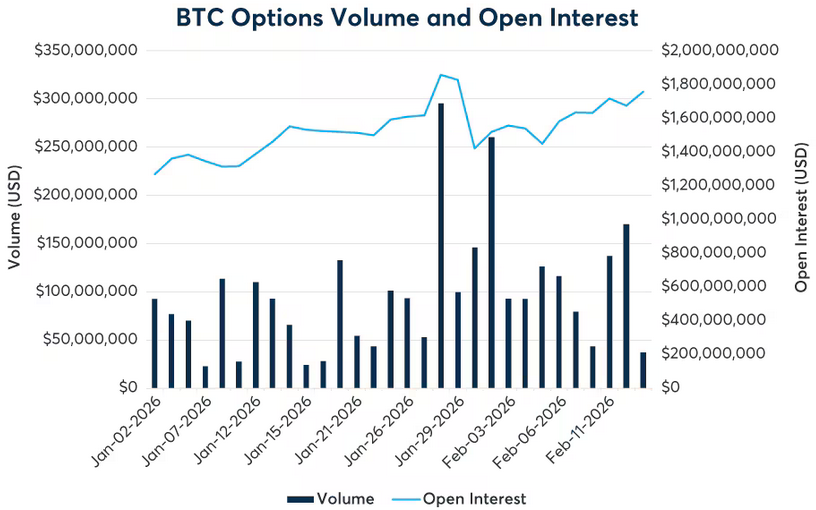
highlights the volatility risks associated with Bitcoin, reinforcing why pension integration is controversial.
Strategic Implications for Crypto Investors
For readers seeking new income opportunities and blockchain applications, this development is not about immediate price action—it is about structural positioning.
What This Means Practically
- Institutional Validation
Retirement fund inclusion would legitimize crypto as a long-term asset class - Liquidity Expansion
Larger capital pools reduce volatility over time (though not immediately) - New Product Innovation
Expect growth in:- Crypto retirement funds
- Hybrid ETFs
- Tokenized pension instruments
- Altcoin Opportunity
If regulations expand beyond BTC/ETH, capital could flow into:- Infrastructure tokens
- Real-world asset (RWA) platforms
- Yield-generating protocols
What Individual Investors Should Do Now
While the proposal is still in the comment phase, preparation is key.
Recommended Actions
- Establish access to compliant crypto platforms
- Diversify across major assets (BTC, ETH) and emerging sectors
- Monitor regulatory developments closely
- Focus on long-term positioning rather than short-term speculation
This is not a “buy now” signal—it is a “prepare now” signal.
Conclusion: A Slow but Inevitable Transformation
The proposed 401(k) reform represents more than a regulatory adjustment—it is a paradigm shift in capital allocation.
If implemented successfully, it could:
- Channel hundreds of billions into crypto markets
- Accelerate institutional adoption
- Redefine the role of digital assets in global finance
However, the path forward is not immediate. Legal challenges, operational hurdles, and political opposition will shape the timeline.
For forward-looking investors, the key insight is clear:
The biggest crypto bull markets are not driven by hype—but by infrastructure and regulation. And this may be one of the most important regulatory developments of the decade.
