
Main Points :
- Over the past five years (from early 2021 to early 2026), silver significantly outperformed Bitcoin, challenging the common belief that crypto always leads in high-return environments.
- While Bitcoin delivered explosive gains over the longer 2018–2026 horizon, the post-2021 macroeconomic regime favored precious metals, particularly silver.
- Inflation shocks, interest-rate volatility, and declining trust in centralized systems reshaped capital flows toward tangible assets.
- Industrial demand for silver—driven by solar energy, EVs, and data infrastructure—became a decisive factor absent in Bitcoin’s narrative.
- For investors seeking new crypto assets, yield opportunities, and practical blockchain applications, the lesson is not “Bitcoin vs. silver,” but portfolio architecture aligned with economic phases.
1. Introduction: Has Bitcoin Really Been Defeated?
In the digital asset community, Bitcoin is often portrayed as an unbeatable long-term winner—an asset that outperforms everything else given enough time. From a purely long-term perspective, that belief is not wrong. Between 2018 and early 2026, Bitcoin rose by approximately 1,030%, dwarfing the performance of most traditional assets.
However, markets are not judged only by absolute returns across long horizons. Timing, macroeconomic context, and capital rotation matter. When we narrow the lens to the most recent five-year period—from January 2021 to January 2026—the story changes dramatically.
During this period, silver delivered returns of roughly 320%, far exceeding Bitcoin’s approximately 129% gain. Gold also surprised many observers, rising about 174%, again outperforming Bitcoin.
This apparent “defeat” of Bitcoin is not a simple failure of digital assets. Rather, it reflects a deeper transformation in the global economic environment—and offers critical lessons for investors looking for the next source of returns, whether in crypto, commodities, or blockchain-enabled real-world assets.
2. Long-Term Context: Bitcoin’s Explosive Era (2018–2026)
Before declaring any verdict, context is essential.
From 2018 to 2026:
- Bitcoin: ~+1,030%
- Silver: ~+550%
- Gold: ~+290%
Over this eight-year span, Bitcoin clearly dominated. This period included:
- The maturation of crypto exchanges and custody solutions
- Institutional entry via futures, ETFs, and corporate treasuries
- A global shift toward digital scarcity narratives
Bitcoin thrived in an environment of:
- Ultra-low interest rates
- Expansive monetary policy
- Growing distrust in fiat currencies
For long-term holders, Bitcoin was—and remains—an extraordinary wealth generator. But markets evolve, and what worked best in one regime may underperform in the next.
3. The Five-Year Reversal: 2021–2026 Performance Breakdown
When focusing strictly on January 2021 to January 2026, leadership rotated decisively.
- Silver: ~+320%
- Gold: ~+174%
- Bitcoin: ~+129%
This reversal surprised many crypto-native investors, especially those who assumed Bitcoin would act as a flawless inflation hedge. Bitcoin did preserve value and generate positive returns—but it did not lead.
Asset Performance Comparison (Jan 2021 – Jan 2026)
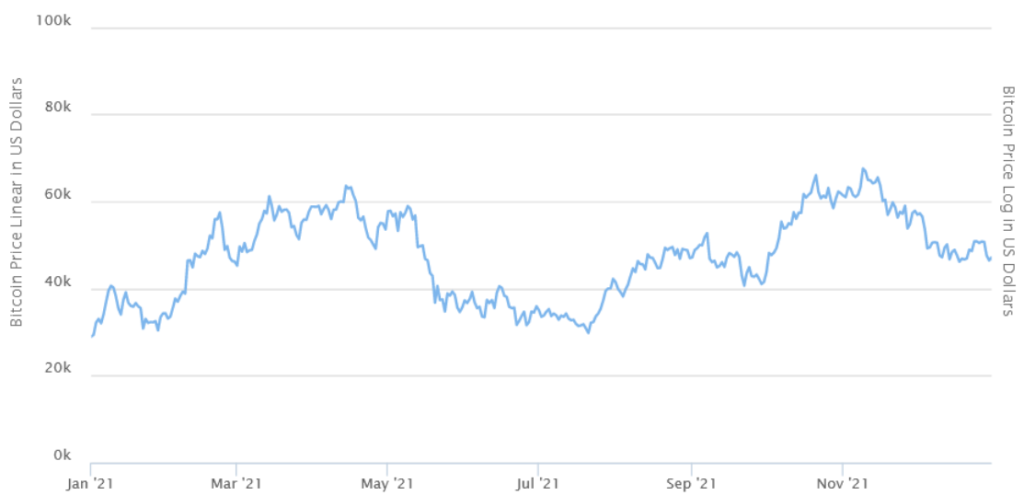
A line chart comparing cumulative returns of Bitcoin, silver, and gold, indexed to 100 at January 2021
The critical question becomes: why did silver outperform Bitcoin during this specific period?
4. Macroeconomic Shifts: Inflation, Rates, and Systemic Stress
The post-2021 world was fundamentally different from the previous decade.
Key developments included:
- Persistent global inflation rather than “transitory” price pressures
- Aggressive interest rate hikes across major economies
- Banking-sector stress and sovereign debt concerns
- Rising skepticism toward centralized financial systems
In theory, Bitcoin should thrive under such conditions—and to an extent, it did. However, higher interest rates changed investor behavior. Capital increasingly favored assets with:
- Tangibility
- Established industrial demand
- Lower volatility relative to speculative growth assets
Silver benefited directly from this shift.
5. Silver’s Dual Nature: Safe Haven and Industrial Backbone
Unlike gold, silver occupies a unique position. It is both:
- A monetary metal, historically used as money and a store of value
- A critical industrial input, essential to modern infrastructure
From 2021 onward, industrial demand surged:
- Solar panels require significant quantities of silver for conductive paste
- Electric vehicles (EVs) rely on silver for electrical systems
- Data centers and 5G infrastructure consume increasing amounts of silver
This created a powerful dynamic: even during economic uncertainty, demand remained structurally strong.
Bitcoin, by contrast, relies almost entirely on monetary and narrative demand. When liquidity tightens, narratives weaken faster than physical supply chains.
6. Bitcoin’s Performance: Resilient, but Not Dominant
It is important to emphasize that Bitcoin did not collapse during this period. A 129% return over five years in a hostile macro environment is far from failure.
Bitcoin demonstrated:
- Durability as a non-sovereign asset
- Continued institutional interest
- Strong network security and hash rate growth
However, Bitcoin remains:
- Highly sensitive to liquidity conditions
- Closely correlated with risk assets during tightening cycles
This reduced its relative attractiveness compared with metals that benefited from both inflation hedging and real-world utility.
7. Implications for Crypto Investors Seeking New Opportunities
For readers searching for:
- New crypto assets
- Alternative yield sources
- Practical blockchain use cases
…the lesson is clear: monolithic bets no longer suffice.
The market is signaling demand for:
- Hybrid models combining digital scarcity with real-world assets
- Tokenization of commodities, energy, and infrastructure
- Blockchain systems that interact with physical supply chains
Silver’s outperformance highlights the appeal of asset-backed representations, where blockchain enhances transparency, settlement, and liquidity—rather than replacing the asset itself.
8. Portfolio Design in the Current Economic Phase
Rather than asking “Bitcoin or silver?”, a more productive question is:
How should portfolios adapt to the current phase of the economic cycle?
Post-2021 conditions favor:
- Inflation-aware assets
- Supply-constrained commodities
- Systems resilient to monetary tightening
Bitcoin still plays a role as:
- Digital collateral
- A hedge against long-term monetary debasement
But metals—and potentially tokenized metals—offer stability and diversification.
Portfolio Architecture by Economic Phase
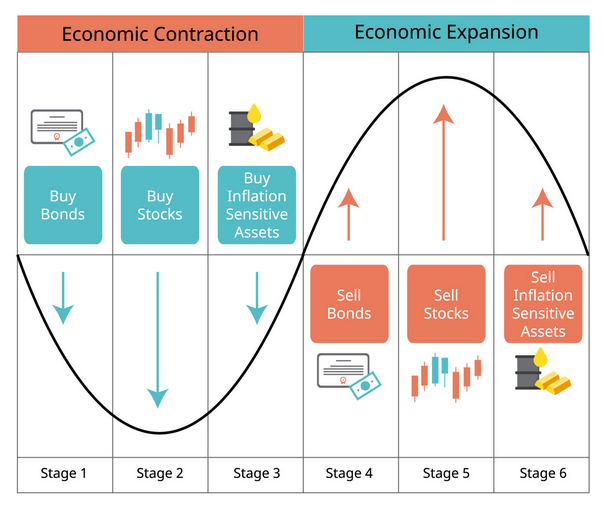
Description: A conceptual diagram showing shifting weight between growth assets, digital assets, and real assets across monetary cycles.
9. What This Means for Blockchain’s Practical Future
The broader implication goes beyond asset prices.
The success of silver underscores the importance of:
- Real-world demand
- Physical constraints
- Transparent supply chains
Blockchain’s next growth phase is likely to emerge not from pure speculation, but from:
- Commodity-backed tokens
- Infrastructure financing
- Energy and resource settlement layers
This aligns with a future where blockchain serves as financial plumbing, not just a speculative arena.
10. Conclusion: Rotation, Not Defeat
Bitcoin has not “lost” in any absolute sense. Over the long term, it remains one of the most successful assets in modern history.
However, the last five years demonstrate that:
- Asset leadership rotates
- Macroeconomic context matters
- Tangible demand can outperform digital narratives
For investors and builders alike, the takeaway is strategic flexibility. Understanding when digital scarcity dominates and when physical scarcity takes the lead will define the next generation of successful portfolios—and blockchain applications.
