
Main Points :
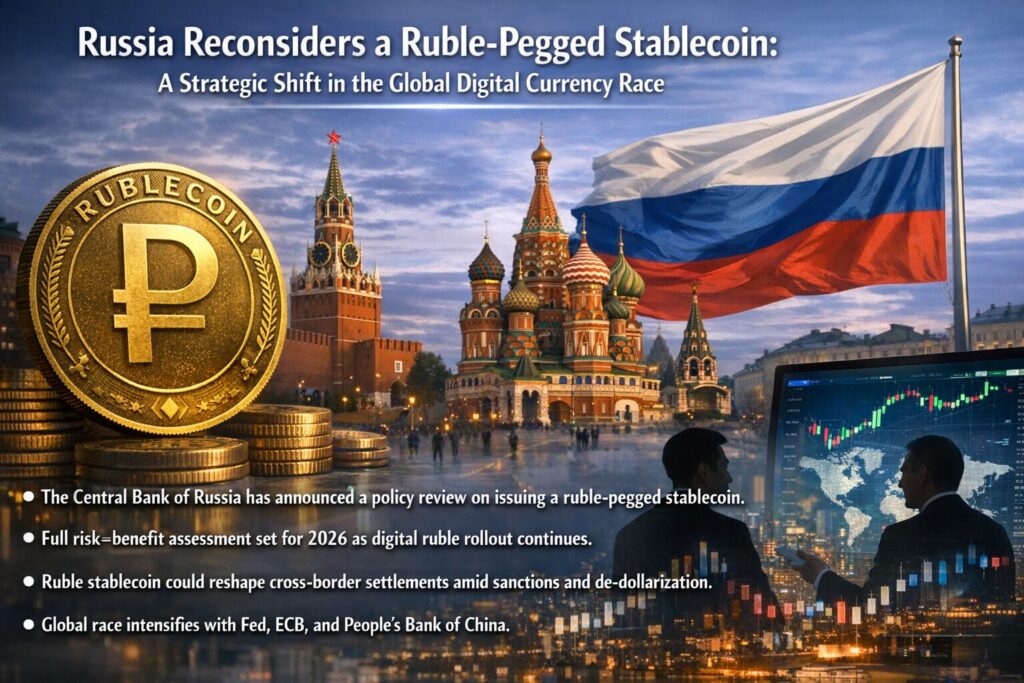
- The Central Bank of Russia has announced a policy review on issuing a ruble-pegged stablecoin.
- Authorities will conduct a full risk–benefit assessment in 2026, signaling a shift from prior resistance.
- The digital ruble (CBDC) remains the priority, with broader rollout expected by 2026.
- A potential ruble stablecoin could reshape cross-border settlement flows amid global sanctions and de-dollarization trends.
- State-backed or regulated private stablecoins may redefine liquidity patterns in crypto exchanges and DeFi.
- The move reflects a broader global race involving entities like Federal Reserve, European Central Bank, and People’s Bank of China.
- For investors and builders, this signals new opportunities in regional digital currency infrastructure.
1. A Policy Reversal in Moscow
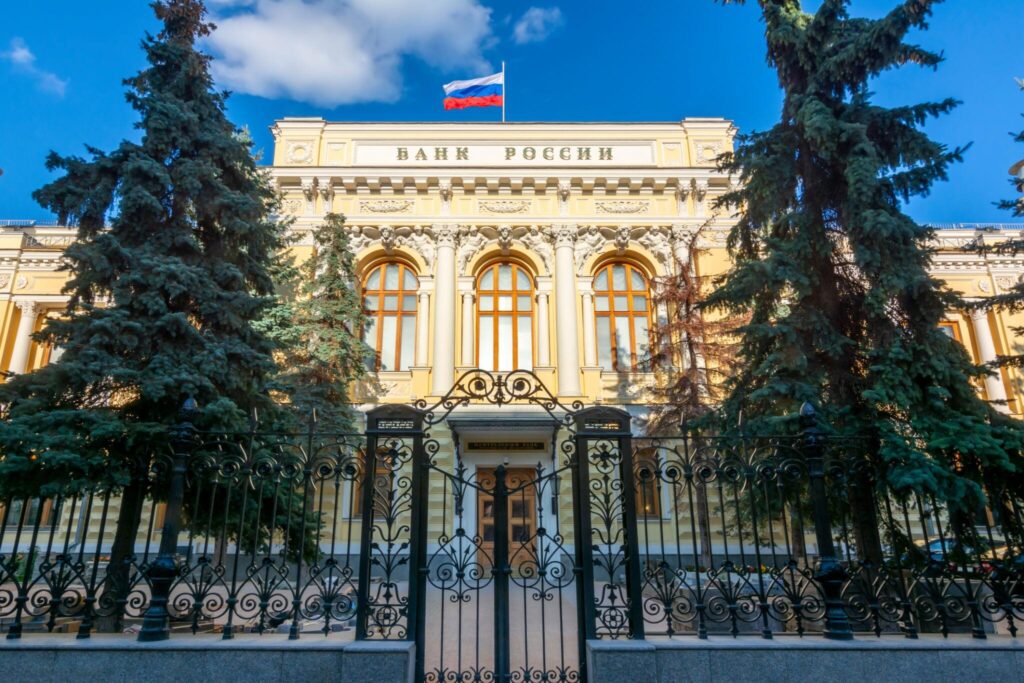
On February 12, 2026, the Central Bank of Russia announced it would reconsider the possibility of issuing a stablecoin pegged to the Russian ruble (USD equivalent value representation for international clarity). The statement was delivered by First Deputy Governor Vladimir Chistyukhin during a financial conference in Moscow focused on digital financial assets and market structure reform.
This announcement marks a significant shift. Historically, Russian regulators had resisted the concept of privately issued ruble-linked stablecoins. Their concern centered on financial stability risks, capital control circumvention, and potential monetary sovereignty erosion. However, in a rapidly evolving global environment—where stablecoins have become core infrastructure for crypto markets and cross-border settlements—the Bank is now conducting a formal reassessment.
Chistyukhin clarified that this does not constitute immediate approval. Rather, authorities will conduct a comprehensive evaluation of risks and benefits during 2026. The results will then be presented for public discussion.
This subtle change in tone is strategically meaningful. It suggests that Russia recognizes stablecoins are no longer speculative side instruments but increasingly essential components of digital financial architecture.
2. Digital Ruble vs. Stablecoin: Parallel Tracks or Competition?
The Central Bank continues to prioritize the digital ruble—Russia’s central bank digital currency (CBDC). The pilot phase began in 2024 with hundreds of thousands of participants. Wider adoption is expected by 2026, with government usage potentially preceding full public rollout.
However, authorities have not clarified how a future ruble-pegged stablecoin would interact with the digital ruble.
From a structural standpoint, the two instruments differ:
- Digital Ruble (CBDC): Direct liability of the central bank; full state backing; programmable monetary control.
- Stablecoin: Could be issued either by the state or regulated private entities; likely operates under a distinct regulatory regime; potentially more flexible in DeFi and exchange ecosystems.
Globally, we observe similar dual-track experiments. The People’s Bank of China has aggressively piloted the e-CNY, while private yuan-linked stablecoins remain restricted. In contrast, the United States—through regulatory discussions involving the Federal Reserve—has seen explosive private stablecoin growth (USDT, USDC), even as a digital dollar remains theoretical.
Russia’s review suggests it may adopt a hybrid approach: maintaining strict control over the digital ruble while permitting regulated stablecoin issuance for specific use cases, particularly cross-border trade settlement.
3. Why Stablecoins Matter in 2026
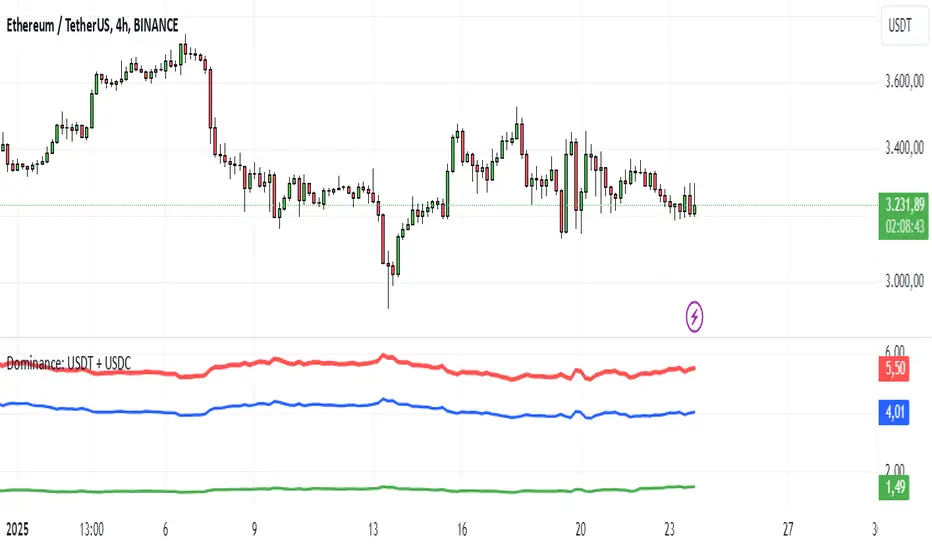
Stablecoins now exceed hundreds of billions of USD in total market capitalization globally. Dollar-pegged tokens dominate liquidity across centralized exchanges and DeFi platforms.
For Russia, several strategic motivations exist:
3.1 Sanctions and Cross-Border Payments
Traditional SWIFT-based settlements remain constrained for Russian entities. A regulated ruble stablecoin could facilitate bilateral trade settlements with partner countries outside the Western financial system.
3.2 De-Dollarization Strategy
A ruble-linked digital asset could support regional trade denominated in local currencies rather than USD. If successful, it may contribute to a gradual fragmentation of global liquidity pools.
3.3 Crypto Infrastructure Integration
Unlike CBDCs, stablecoins integrate seamlessly with:
- Decentralized exchanges (DEX)
- Automated market makers (AMMs)
- Lending protocols
- Cross-chain bridges
If Russia authorizes regulated stablecoins, domestic exchanges and DeFi builders could see accelerated development.
4. Potential Market Impact
Should Russia proceed, several consequences may unfold:
4.1 Liquidity Realignment
Crypto exchanges might introduce RUB-denominated pairs backed by on-chain stablecoins. Liquidity flows could partially shift from USD-based pairs.
4.2 Regional Stablecoin Competition
If multiple jurisdictions introduce sovereign-aligned stablecoins, we may see:
- USD stablecoins (USDT/USDC dominance)
- Euro-pegged tokens
- Yuan-linked digital assets
- Ruble-linked tokens
This could fragment global liquidity, creating arbitrage opportunities but increasing complexity.
4.3 Institutionalization Acceleration
State engagement legitimizes the sector. When central banks openly evaluate stablecoins, institutional investors interpret this as structural validation of digital asset infrastructure.
5. Risk Assessment Framework
Russian regulators have emphasized evaluating:
- Financial stability risks
- Anti-money laundering compliance
- Data protection standards
Stablecoins can amplify bank-run dynamics if reserves are poorly managed. They also introduce jurisdictional enforcement complexity. Russia will likely impose strict reserve backing requirements and custody transparency.
Possible models include:
- Fully state-issued ruble stablecoin.
- Licensed private issuers under central bank oversight.
- Hybrid custody model with central bank reserve verification.
6. Global Context: The Digital Currency Race
The move must be viewed alongside global developments:
- The European Central Bank advances digital euro planning.
- The Federal Reserve studies wholesale CBDC applications.
- China expands cross-border e-CNY testing with trade partners.
The geopolitical dimension is unavoidable. Digital currencies are now instruments of monetary sovereignty and geopolitical leverage.
Russia entering the regulated stablecoin arena may encourage emerging markets to consider similar frameworks.
7. Opportunities for Investors and Builders
For readers seeking new crypto assets and revenue opportunities, this development suggests several angles:
Infrastructure Layer
- Compliance-as-a-service solutions
- On-chain reserve audit protocols
- Cross-border settlement rails
Exchange Development
- RUB trading pairs
- Stablecoin liquidity mining
- Hedging instruments
DeFi Integration
- Ruble-denominated lending pools
- Synthetic ruble derivatives
- Arbitrage strategies across regional stablecoins
The real opportunity lies not merely in speculation but in building middleware connecting sovereign digital currencies with open blockchain ecosystems.
8. Strategic Uncertainty Remains
At present, Russia is only in the investigative phase. Approval is not guaranteed. Implementation timelines remain undefined.
However, the fact that policy reconsideration is underway indicates a recognition: stablecoins are becoming central financial infrastructure rather than fringe crypto instruments.
Conclusion
Russia’s decision to reassess a ruble-pegged stablecoin marks a potentially transformative moment in global digital finance.
While the digital ruble remains the central bank’s primary focus, the exploration of a stablecoin model reflects evolving economic realities—cross-border friction, de-dollarization ambitions, and the institutionalization of crypto markets.
For investors, this represents early-stage positioning in a shifting liquidity landscape. For builders, it signals emerging demand for regulated digital asset infrastructure.
Stablecoins are no longer optional tools; they are becoming pillars of the next financial architecture.
