
Main Points :
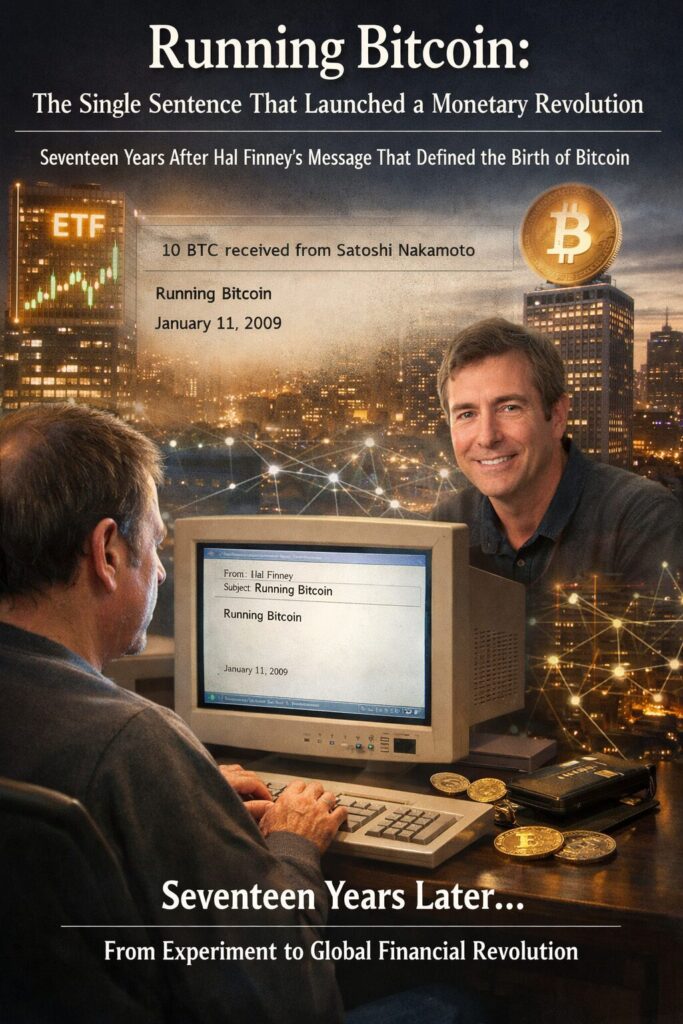
- In January 2009, Hal Finney posted a single phrase—“Running Bitcoin”—that symbolized the first real-world operation of Bitcoin software.
- Finney became the first recipient of a Bitcoin transaction, receiving 10 BTC from Satoshi Nakamoto, an event now foundational to crypto history.
- Seventeen years later, Bitcoin has evolved from an experimental peer-to-peer network into a global financial asset class with institutional adoption, ETFs, and sovereign interest.
- Persistent speculation about whether Finney was Satoshi has been largely rebutted by technical and chronological evidence presented by industry researchers.
- The “Running Bitcoin” moment remains a guiding symbol for builders seeking practical blockchain applications, new digital assets, and sustainable revenue models.
1. The Meaning of “Running Bitcoin”: A Line That Made History
On January 10, 2009, Hal Finney wrote two words that would echo through financial history: “Running Bitcoin.”
At the time, Bitcoin was not a market, not an asset, and not even a community. It was an idea encoded in software—fragile, untested, and running on the conviction of a few cryptography enthusiasts.
Finney’s message was more than a status update. It was the first confirmation that Bitcoin was alive outside its creator’s computer. By compiling and running the Bitcoin node software, Finney effectively transformed Satoshi Nakamoto’s white paper into a living, decentralized system. In retrospect, this was the exact moment Bitcoin ceased to be theoretical and became operational.
For today’s readers—particularly those exploring new crypto assets or practical blockchain use—this distinction matters. Innovation only becomes economically meaningful when code runs in the real world. Finney’s act embodied that transition.
2. Hal Finney: Cryptography, Cypherpunks, and Conviction
Born in 1956, Hal Finney built his career at the intersection of computer science and cryptography. Long before Bitcoin, he was deeply involved in the cypherpunk movement, which advocated privacy, encryption, and individual sovereignty in the digital age.
When Satoshi Nakamoto released the Bitcoin white paper in late 2008, Finney was among the very first to respond. He immediately grasped its implications: a peer-to-peer electronic cash system that did not rely on governments or banks.
Shortly after running the software, Finney received 10 BTC from Satoshi—the first Bitcoin transaction ever recorded between two people. At today’s valuation (expressed purely in U.S. dollars as requested), that transfer would be worth over $900,000. In 2009, it was worth essentially nothing in fiat terms, underscoring the leap of faith involved.
This transaction is not just symbolic. It marks the birth of Bitcoin as a transferable economic unit, setting the stage for exchanges, wallets, and eventually global markets.
3. From Hobbyist Experiment to Global Asset
To understand why “Running Bitcoin” still resonates 17 years later, we must look at how far Bitcoin has traveled.
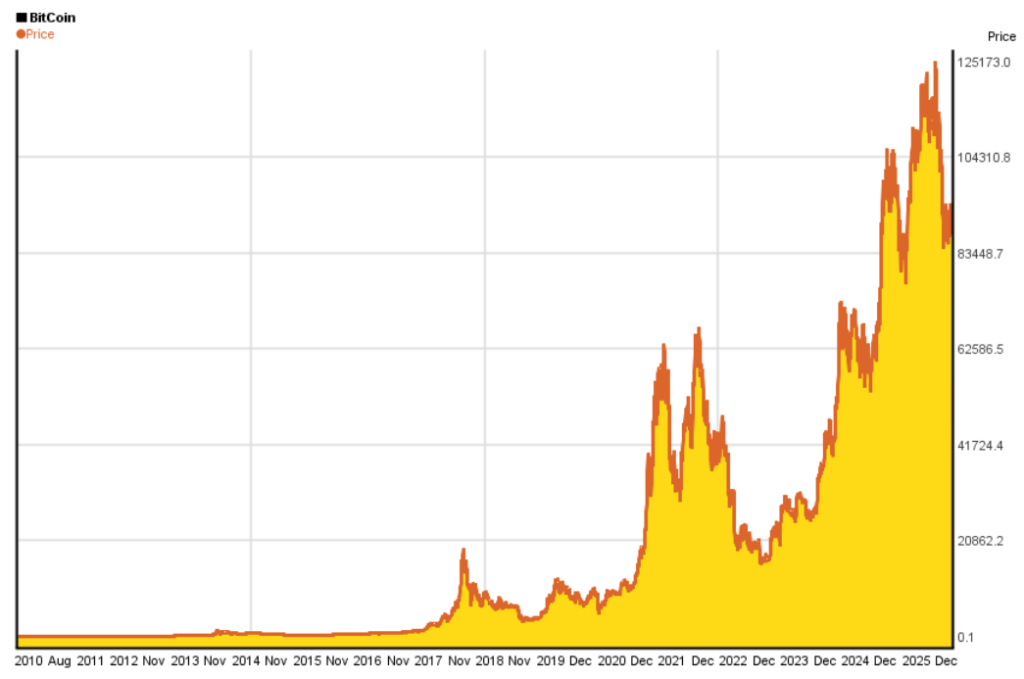
From 2009 to the early 2010s, Bitcoin was sustained by hobbyists and developers. The first real-world commercial use—10,000 BTC for two pizzas—proved that Bitcoin could function as money, even if inefficiently at first.
By the 2020s, Bitcoin had undergone multiple market cycles, survived regulatory crackdowns, and matured into a recognized macro asset. Institutional custodians, regulated derivatives, and spot ETFs have transformed BTC from an outsider experiment into a core digital commodity.
For readers searching for new crypto opportunities, the lesson is clear: today’s obscure protocols and early adopters may represent tomorrow’s financial infrastructure—just as Finney’s early node did in 2009.
4. Was Hal Finney Satoshi Nakamoto?
Speculation about Satoshi’s identity has followed Bitcoin since its inception. Because Finney was the first recipient of BTC and possessed deep cryptographic expertise, many suspected he might be Satoshi himself.
This debate resurfaced in 2024 with an HBO documentary titled Money Electric: The Bitcoin Mystery, which claimed to have uncovered Satoshi’s identity. The series reignited public interest and again placed Finney at the center of discussion.
However, several counterarguments have proven compelling:
- Developer Laszlo Hanyecz noted that Satoshi appeared unfamiliar with Mac OS internals, while Finney and his wife were known Mac users.
- Researcher Jameson Lopp, co-founder of Casa, presented evidence in 2023 showing that Finney was actively running a marathon at the exact time Satoshi was emailing another developer. The final email was sent roughly two minutes before Finney crossed the finish line—strongly suggesting they were not the same person.
These details, mundane yet precise, highlight a recurring theme in Bitcoin culture: truth is often established not by authority, but by verifiable data.
5. Markets, Belief, and the Economics of Mystery
Even today, the question of Satoshi’s identity carries economic weight. Prediction platforms such as Polymarket have hosted markets speculating on who Satoshi might be, reflecting how narrative itself becomes a tradable asset in crypto economies.
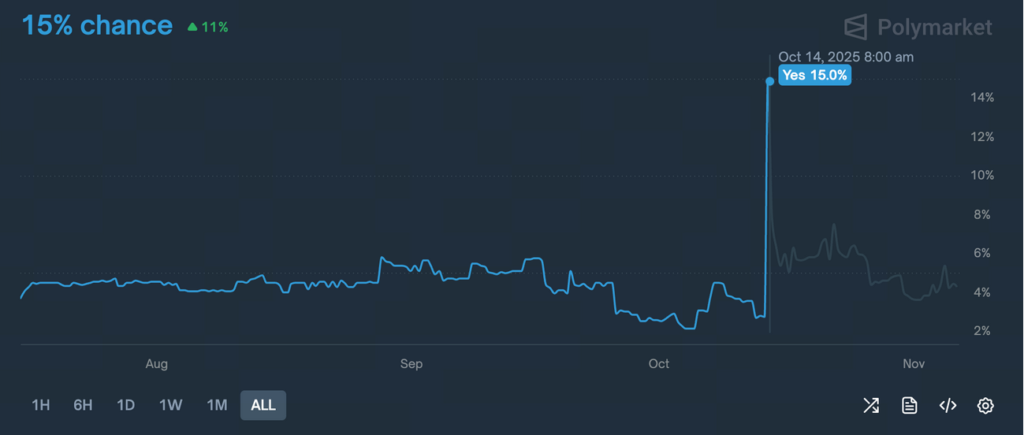
This phenomenon matters for blockchain practitioners. In decentralized systems, belief, narrative, and incentives intertwine. Bitcoin’s origin story—anchored by figures like Finney—continues to influence trust, valuation, and long-term adoption.
6. ALS, Mortality, and Digital Legacy
Hal Finney passed away in 2014 from ALS, a progressive neurodegenerative disease, at the age of 58. Even as his physical abilities declined, he remained intellectually engaged, communicating through assistive technology.
Finney’s story adds a human dimension to Bitcoin’s otherwise technical narrative. He did not live to see Bitcoin reach institutional legitimacy or trillion-dollar market cycles. Yet his contribution remains embedded in the protocol’s earliest blocks.
For builders seeking sustainable blockchain use cases, Finney’s legacy offers a powerful reminder: foundational work often precedes recognition by many years.
7. What “Running Bitcoin” Means Today
Seventeen years on, “Running Bitcoin” is no longer about starting a node on a home computer. It symbolizes:
- Running validators and infrastructure in Layer-2 networks
- Running smart contracts that automate financial logic
- Running compliance-aware crypto services that bridge regulators and decentralization
For readers interested in new revenue streams, the analogy is direct. Early participation in infrastructure—whether nodes, liquidity provision, or protocol development—often yields asymmetric returns over time.
Conclusion: A Sentence That Still Runs the Future
“Running Bitcoin” was never just a tweet. It was a declaration that a new monetary system could exist, powered not by trust in institutions, but by code, mathematics, and voluntary participation.
Seventeen years later, Bitcoin continues to run—on thousands of nodes, across continents, and through balance sheets once thought unreachable. Hal Finney’s quiet confirmation in 2009 remains a north star for anyone exploring where blockchain technology might run next.
