
Main Points :
- Ripple has received conditional approval from the U.S. Office of the Comptroller of the Currency (OCC) to establish Ripple National Trust Bank.
- This marks a significant milestone for RLUSD, Ripple’s U.S. dollar–denominated stablecoin, bringing it closer to full federal oversight.
- The approval reflects years of regulatory preparation and signals a shift toward integrating crypto-native firms into the traditional banking framework.
- OCC emphasized that this is not final authorization; Ripple must still meet all pre-opening conditions.
- The decision aligns with broader U.S. regulatory developments, including updated guidance and the evolving framework around stablecoins.
- Ripple joins a small group of firms—alongside Circle, BitGo, Fidelity, and Paxos—that are reshaping how digital assets intersect with national banking.
1. Ripple and the OCC: A Historic Step Toward Federal Banking Status
Ripple Labs’ conditional approval to establish a U.S. national trust bank represents one of the most consequential regulatory developments in the digital asset industry in recent years. The Office of the Comptroller of the Currency (OCC), the primary regulator of national banks in the United States, granted Ripple preliminary authorization to form Ripple National Trust Bank—a move that, if finalized, would place Ripple under direct federal banking supervision.
For years, crypto companies have operated at the edges of traditional finance, often regulated at the state level or through fragmented federal oversight. Ripple’s approval signals a fundamental shift: a crypto-native company being recognized as capable of meeting the same prudential, compliance, and governance standards as traditional financial institutions.
Stuart Alderoty, Ripple’s Chief Legal Officer, described the approval as the result of “long-term regulatory readiness,” emphasizing that Ripple has deliberately built its products and operations within existing legal frameworks rather than attempting to bypass them. CEO Brad Garlinghouse echoed this sentiment, noting that federal oversight is not a burden but a necessity for any stablecoin aiming for systemic relevance.
2. What “Conditional Approval” Really Means
It is critical to understand what OCC’s decision does—and does not—authorize.
The OCC explicitly stated that conditional approval does not permit Ripple National Trust Bank to commence operations. Before any banking activities can begin, Ripple must satisfy all pre-opening requirements mandated under federal banking law. These include capital adequacy, governance structures, internal controls, risk management systems, and operational readiness.
Furthermore, the OCC retains the authority to amend, suspend, or revoke the approval should circumstances change or if Ripple fails to meet required conditions. This underscores that the approval is provisional, not guaranteed.
Once fully approved, Ripple would join a relatively small cohort of approximately 60 national trust banks currently supervised by the OCC. Trust banks differ from commercial banks in that they typically do not accept retail deposits or engage in traditional lending. Instead, they focus on fiduciary services, custody, settlement, and asset administration—areas highly relevant to digital assets.
3. RLUSD and the Future of Federally Regulated Stablecoins
At the heart of this development lies RLUSD, Ripple’s U.S. dollar–pegged stablecoin. Unlike offshore-issued stablecoins or lightly regulated alternatives, RLUSD is designed to operate under both federal (OCC) and state-level (NYDFS) oversight.
This dual-regulatory structure is significant. While NYDFS has already established itself as one of the strictest state regulators for digital assets, OCC oversight elevates RLUSD into a different category—one closer to traditional payment instruments.
Recent changes in the U.S. regulatory environment, including updates related to the GENIUS Act and broader stablecoin discussions, have emphasized the need for clear federal standards. Ripple’s conditional approval positions RLUSD as a potential blueprint for how compliant stablecoins could operate in the United States over the long term.
From a business perspective, this clarity reduces regulatory uncertainty, making RLUSD more attractive for enterprise use cases such as cross-border payments, treasury operations, and institutional settlement.
4. OCC’s Broader Crypto-Banking Strategy
Ripple is not alone in receiving conditional approval. According to the OCC’s press release, Ripple is one of five firms granted such status in this regulatory wave.
Notably, the OCC also conditionally approved:
- Circle, issuer of USDC, for its application to establish First National Digital Currency Bank.
- BitGo, Fidelity, and Paxos, for converting their existing national trust companies into full national trust banks.
This coordinated set of approvals reflects a broader strategic shift by the OCC. Recent OCC guidance clarified that national banks may engage in certain low-risk crypto-related activities, including acting as intermediaries for digital asset transactions, without necessarily holding crypto assets on their balance sheets.
In effect, the OCC is signaling that crypto activities are no longer inherently incompatible with national banking—provided they are conducted within strict risk and compliance parameters.
5. Why This Matters for Crypto Investors and Builders
For readers seeking new crypto assets, revenue opportunities, and real-world blockchain applications, Ripple’s approval carries several implications.
First, it reinforces the idea that regulatory compliance is becoming a competitive advantage, not a hindrance. Projects that can operate under federal oversight are more likely to gain institutional adoption and long-term sustainability.
Second, it suggests that stablecoins are evolving from trading tools into core financial infrastructure. Federally regulated stablecoins could be used for payroll, remittances, settlement, and even government-linked payment systems.
Third, this development may reshape token valuation narratives. While speculative cycles still dominate parts of the market, regulatory milestones increasingly influence how institutional capital evaluates crypto projects.
6. Comparative Landscape: Ripple, Circle, and the New Banking Model
To better understand Ripple’s position, it is useful to compare it with other firms receiving conditional approval.
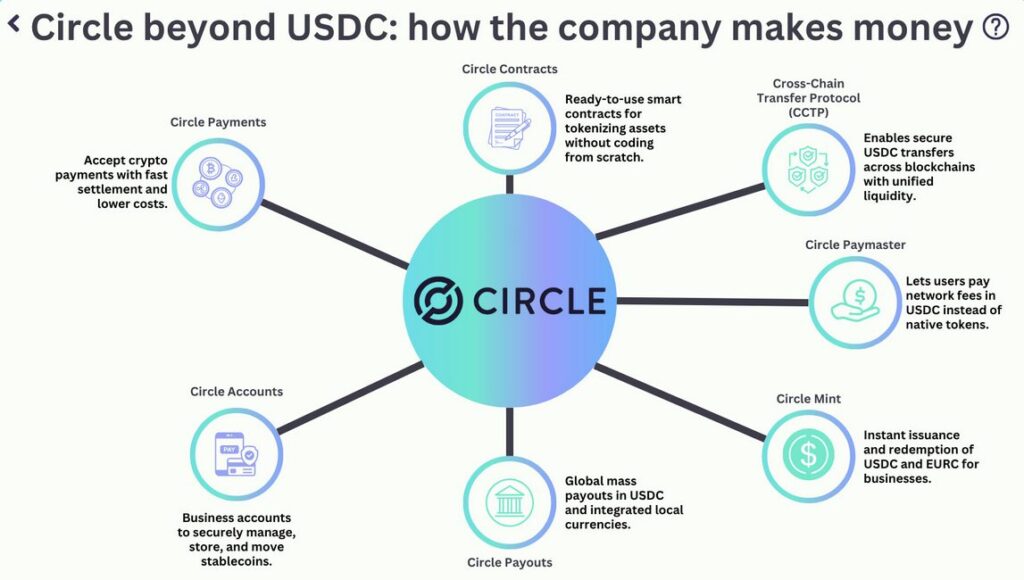
While Circle focuses heavily on stablecoin issuance and reserves, Ripple combines stablecoins with payment rails and enterprise blockchain solutions. This integrated approach could give Ripple a structural advantage as regulated crypto banking matures.
7. Strategic Risks and Remaining Challenges
Despite the optimism, challenges remain.
- Final approval is not guaranteed.
- Federal banking oversight brings higher compliance costs and scrutiny.
- Market competition among regulated stablecoins may compress margins.
- Political and regulatory shifts could still alter the landscape.
Nevertheless, Ripple’s willingness to subject itself to both OCC and NYDFS supervision suggests a long-term strategy aligned with institutional finance rather than short-term speculation.
Conclusion: A Turning Point for Crypto and Traditional Finance
Ripple’s conditional approval to establish a U.S. national trust bank represents more than a corporate milestone—it is a signal that the boundary between crypto and traditional banking is dissolving.
For stablecoins like RLUSD, federal oversight offers legitimacy, scalability, and trust. For the broader blockchain industry, it demonstrates that compliance and innovation are no longer mutually exclusive.
As regulators refine their frameworks and institutions seek compliant digital asset solutions, Ripple’s move may be remembered as one of the defining moments when crypto finance stepped decisively into the regulated mainstream.
