
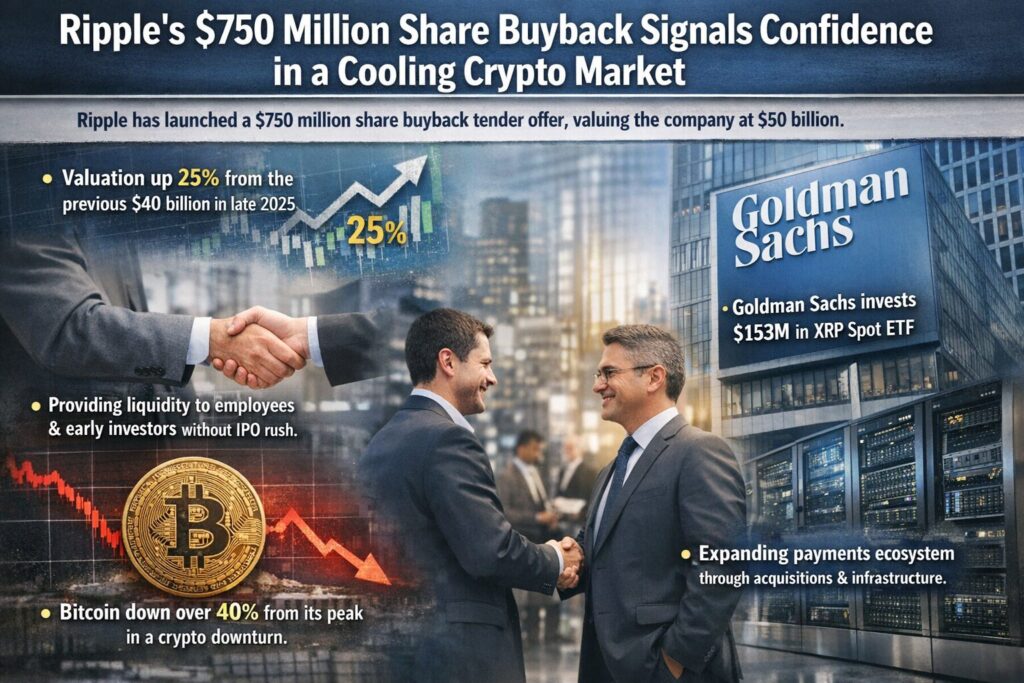
Main Points :
- Ripple has launched a $750 million share buyback tender offer, valuing the company at $50 billion.
- The valuation represents a 25% increase from the previous $40 billion valuation in late 2025.
- The buyback provides liquidity to employees and early investors without rushing into an IPO.
- Ripple’s move comes during a broader crypto market downturn, with Bitcoin down more than 40% from its peak.
- Institutional investors remain engaged, with Goldman Sachs investing over $153 million in an XRP spot ETF.
- Ripple continues to expand its payments ecosystem after major acquisitions and infrastructure investments.
Introduction
The cryptocurrency industry has experienced dramatic cycles of optimism and contraction over the past decade. Even in periods of market slowdown, however, some companies continue to demonstrate confidence in their long-term vision. One of the most notable examples in 2026 is Ripple, the blockchain payments company behind XRP.
Recent reports indicate that Ripple has launched a share buyback program worth up to $750 million, valuing the company at approximately $50 billion. The move represents a significant financial signal to investors, employees, and the broader digital asset industry.
While cryptocurrency markets have faced considerable downward pressure—Bitcoin falling more than 40% from its previous high and XRP experiencing similar volatility—Ripple’s decision suggests that the company believes its strategic position in global payments remains strong.
This article explores the significance of Ripple’s buyback program, the company’s evolving business model, the broader market context, and what this development could mean for investors seeking the next wave of blockchain innovation.
Ripple’s $50 Billion Valuation and the Share Buyback Strategy
A $750 Million Tender Offer
Ripple has reportedly initiated a tender offer of up to $750 million, allowing existing shareholders and employees to sell portions of their holdings back to the company. The buyback uses a company valuation of $50 billion, which marks a significant step up from the $40 billion valuation established during a $500 million funding round in November 2025.
Major institutional investors participated in that funding round, including:
- Citadel Securities
- Fortress Investment Group
- Pantera Capital
- Galaxy Digital
These firms are among the most influential institutions in digital asset finance, and their participation reinforced Ripple’s position as one of the most prominent private companies in the blockchain industry.
The new buyback effectively reaffirms investor confidence in Ripple’s long-term growth potential.
Providing Liquidity Without an IPO
Unlike traditional technology firms that rush toward a public listing, Ripple appears to be taking a more measured approach.
Instead of pursuing an immediate IPO, the company is providing liquidity through private tender offers. This strategy benefits early investors and employees who may want to realize gains without exposing the company to the volatility of public markets.
Ripple President Monica Long has repeatedly emphasized that the company does not currently need to raise capital from public markets, suggesting that Ripple’s balance sheet and revenue streams remain sufficiently strong.
For investors watching the blockchain sector, this signals something important: Ripple is financially stable enough to delay an IPO while still rewarding shareholders.
The Market Context: Crypto Downturn vs Corporate Confidence
Bitcoin and XRP Price Declines
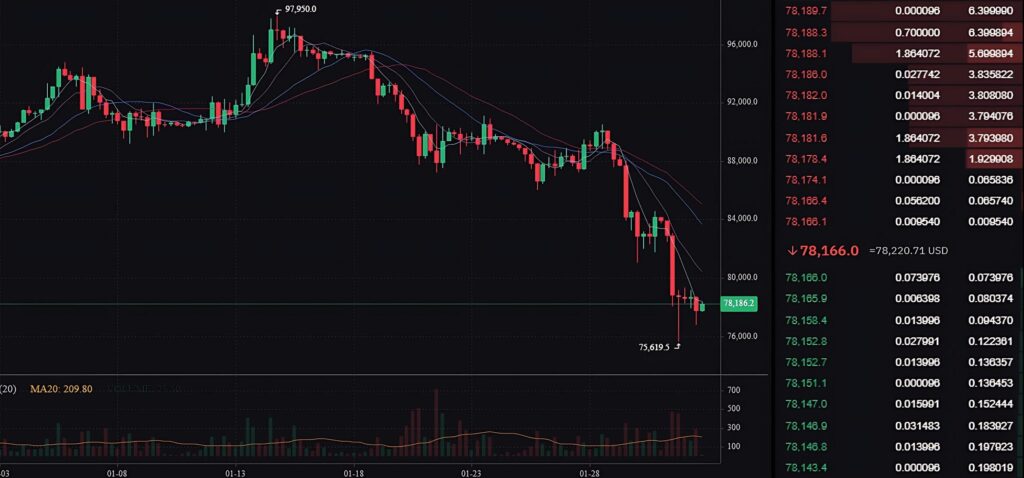
Ripple’s buyback comes at a moment when the broader crypto market is experiencing a downturn.
Bitcoin has reportedly dropped more than 40% from its peak reached in October of the previous year, reflecting tightening liquidity conditions and shifting investor sentiment. XRP has experienced even steeper volatility, falling more than 60% from its local highs.
Such market conditions often force companies to cut costs or delay strategic initiatives. Ripple’s decision to raise its internal valuation during this environment therefore stands out.
It suggests that the company believes the current downturn is temporary rather than structural.
Signaling Strength to the Market
Corporate buybacks are traditionally interpreted as a sign that management believes the company’s equity is undervalued. By repurchasing shares at a higher valuation than the previous funding round, Ripple is effectively sending two signals:
- The company believes its long-term growth trajectory remains intact.
- Ripple has sufficient capital reserves to support aggressive financial strategies.
In the context of the cryptocurrency industry—where many firms struggle to maintain stable cash flow—this type of move carries considerable symbolic weight.
Institutional Interest in XRP and Digital Asset Infrastructure
Goldman Sachs and the XRP ETF
Institutional investors continue to demonstrate interest in digital assets linked to Ripple’s ecosystem.
Recent regulatory filings show that Goldman Sachs has invested $153.8 million in an XRP spot exchange-traded fund (ETF). This position reportedly makes the bank one of the largest holders of the fund.
Institutional involvement is significant because it helps legitimize cryptocurrency markets in the eyes of traditional financial institutions. When major banks allocate capital to digital assets, they create additional liquidity and long-term stability.
For XRP, this could translate into:
- Higher trading volume
- Increased institutional custody solutions
- Greater integration into global financial portfolios
The Rise of Blockchain Payments Infrastructure
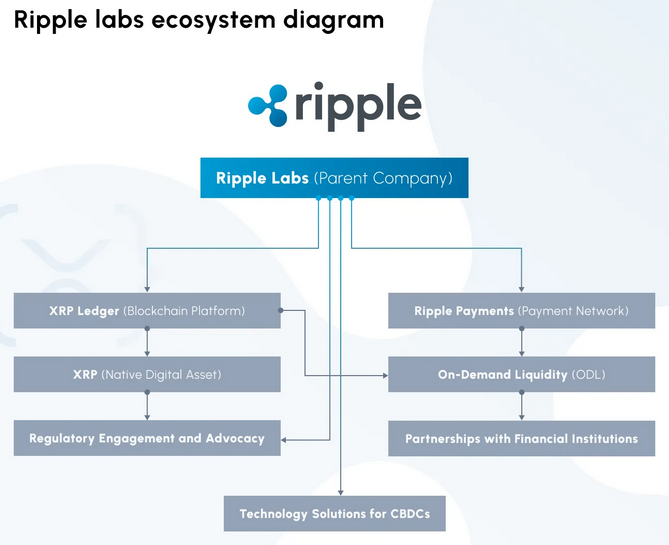
Ripple’s core business is not simply the XRP token but a broader cross-border payments infrastructure built on blockchain technology.
Its network enables financial institutions to settle international transactions quickly and at lower cost compared with traditional correspondent banking systems.
As remittance markets continue to grow globally—especially in regions such as Southeast Asia, Africa, and Latin America—Ripple’s technology could play a significant role in modernizing global payments.
Ripple’s Expansion Strategy and Acquisitions

The Hidden Road Acquisition
One of Ripple’s most significant strategic moves in 2025 was the $1.25 billion acquisition of Hidden Road, a prime brokerage firm that provides trading, financing, and clearing services for institutional investors.
This acquisition expanded Ripple’s capabilities in several areas:
- Institutional trading infrastructure
- Liquidity management
- Prime brokerage services
- Market-making support
By integrating these services, Ripple aims to position itself as a full-stack financial infrastructure provider for digital assets.
Building a Multi-Layer Financial Network
Ripple’s long-term strategy increasingly resembles that of a hybrid financial network combining blockchain technology with traditional financial services.
Key components of this ecosystem include:
- Cross-border payment rails
- Liquidity provisioning
- Institutional trading infrastructure
- Tokenized asset settlement systems
If successful, Ripple could become a foundational platform for blockchain-based financial infrastructure rather than simply a cryptocurrency issuer.
Ripple’s Approach to IPO Timing
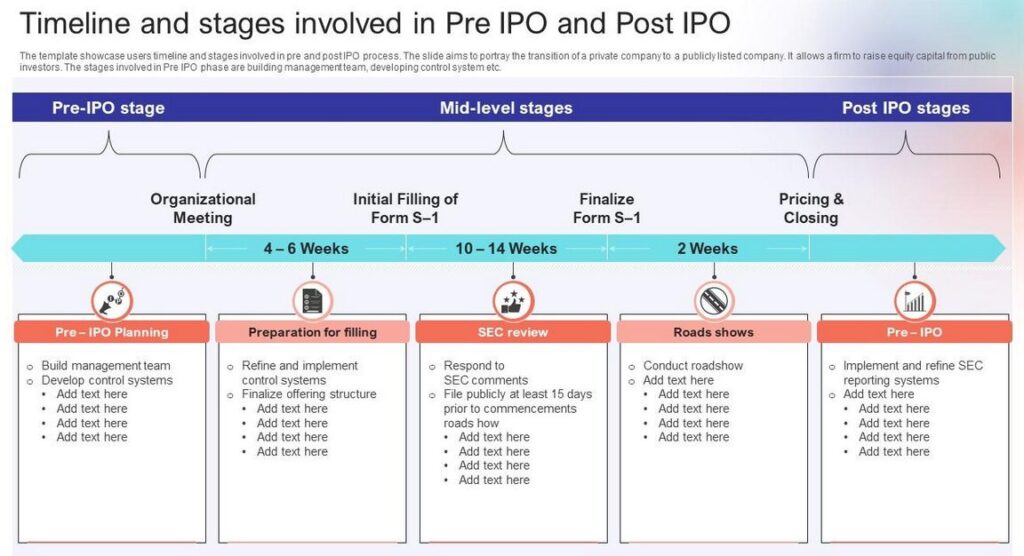
Speculation About a Future Listing
Some analysts have speculated that Ripple could eventually pursue a public listing, possibly through emerging exchanges such as the Texas Stock Exchange.
However, company executives have repeatedly downplayed the urgency of such a move.
Ripple President Monica Long has stated that the company does not need to raise additional capital through public markets, indicating that Ripple’s internal cash flow and funding sources remain strong.
Strategic Patience
Delaying an IPO may provide Ripple with several advantages:
- Greater operational flexibility
- Reduced regulatory scrutiny compared with public markets
- Freedom to pursue acquisitions and partnerships without quarterly earnings pressure
For a company operating at the intersection of blockchain innovation and global finance, such flexibility may be crucial.
What This Means for Crypto Investors
Ripple’s buyback program highlights several broader trends within the digital asset industry.
First, it demonstrates that private blockchain companies are reaching valuations comparable to large fintech firms. A $50 billion valuation places Ripple among the most valuable private technology companies globally.
Second, the move shows that institutional capital continues to flow into crypto infrastructure, even during market downturns.
Third, it suggests that the next phase of the industry may be driven less by speculative tokens and more by real financial infrastructure built on blockchain networks.
For investors searching for emerging opportunities, the most significant developments may lie in:
- Payment infrastructure
- Tokenized financial assets
- institutional trading systems
- regulatory-compliant blockchain platforms
Ripple sits at the intersection of all these areas.
Conclusion
Ripple’s $750 million share buyback represents more than a financial transaction—it is a strategic statement about the future of blockchain finance.
By raising its valuation to $50 billion during a market downturn, Ripple is signaling confidence in its long-term business model and the continued adoption of blockchain-based payment systems.
At the same time, the company is carefully balancing growth with financial discipline. Instead of rushing toward an IPO, Ripple is choosing to provide liquidity through private tender offers while continuing to expand its infrastructure and institutional partnerships.
The broader implication for the cryptocurrency industry is clear: the next phase of growth may be defined less by speculative price surges and more by the construction of real financial systems powered by blockchain technology.
If Ripple succeeds in executing its strategy, it could become one of the central pillars of the global digital asset economy.
