
Main Points :
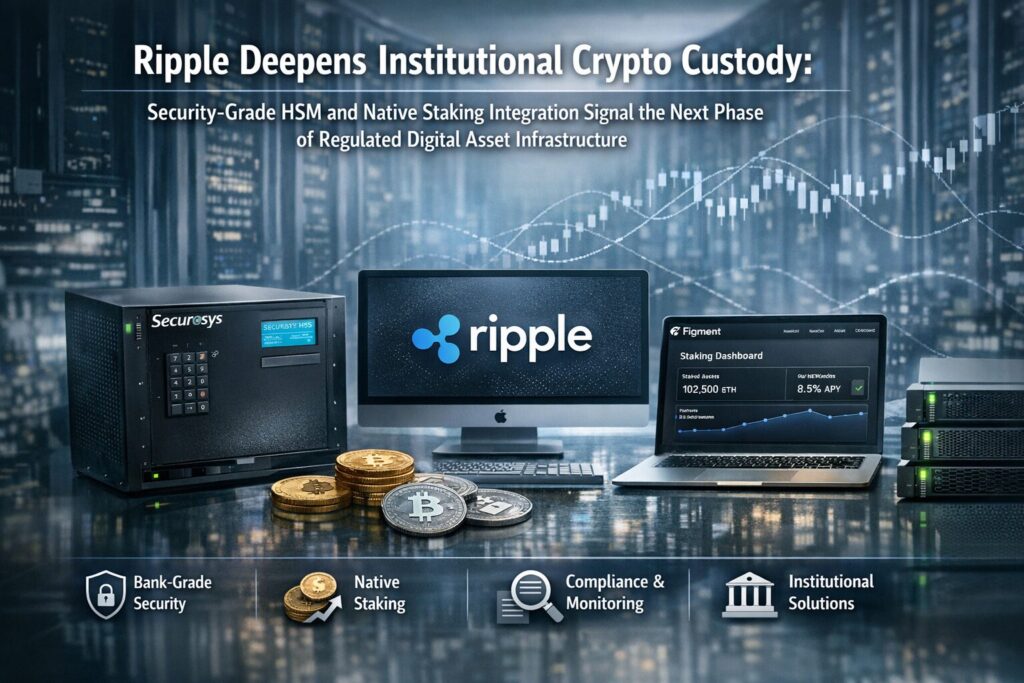
- Ripple has announced strategic partnerships with Securosys and Figment to significantly enhance its institutional-grade custody offering, Ripple Custody.
- The integration combines bank-grade hardware security modules (HSMs) with native Proof-of-Stake (PoS) staking workflows, addressing two of the largest barriers to institutional crypto adoption: security and yield generation.
- This move follows Ripple’s prior integrations with Chainalysis and the acquisition of Palisade, signaling a clear long-term strategy to dominate regulated institutional infrastructure.
- For banks, asset managers, custodians, and regulated fintechs, Ripple is positioning itself not as a token issuer, but as a full-stack digital asset infrastructure provider.
- The combination of custody + compliance + staking creates a new revenue layer for institutions seeking yield without running validator infrastructure.
1. Why Institutional Crypto Custody Is Entering a New Phase
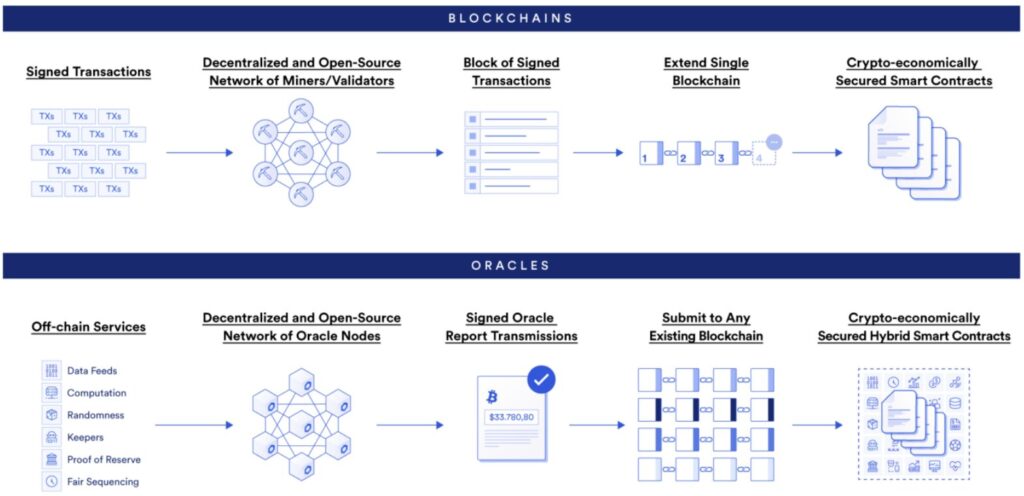
Over the past several years, institutional interest in digital assets has steadily shifted from speculative exposure toward infrastructure-grade participation. Banks, custodians, and regulated financial institutions are no longer asking whether crypto will persist; instead, they are asking how to safely hold, manage, and monetize digital assets within strict regulatory frameworks.
Custody has emerged as the central bottleneck. Unlike retail wallets, institutional custody must satisfy:
- Segregation of duties
- Hardware-level key protection
- Auditability and compliance reporting
- Business continuity and disaster recovery
- Regulatory inspection readiness
Ripple’s announcement on February 9 represents a recognition that custody alone is no longer sufficient. Institutions now demand secure custody plus yield, especially in Proof-of-Stake ecosystems where idle assets represent opportunity cost.
2. Ripple Custody as a Strategic Platform, Not a Feature
Ripple Custody is not positioned as a standalone product. Instead, it is becoming a modular institutional platform that integrates:
- Key management
- Compliance and transaction monitoring
- Secure execution environments
- Yield-generating workflows
This mirrors how traditional financial infrastructure evolved: custody, clearing, settlement, and asset servicing converged into unified platforms.
Ripple’s earlier integration with Chainalysis embedded transaction monitoring and AML analytics directly into custody workflows, while the acquisition of Palisade brought enterprise-grade key orchestration and policy engines. The Securosys and Figment partnerships complete the picture by adding hardware-rooted security and staking-native yield.
3. Securosys Partnership: Hardware Security Without Operational Friction
3.1 What Securosys Brings to Ripple Custody
Securosys is known for its high-assurance hardware security modules (HSMs), widely used by central banks, exchanges, and regulated financial institutions.
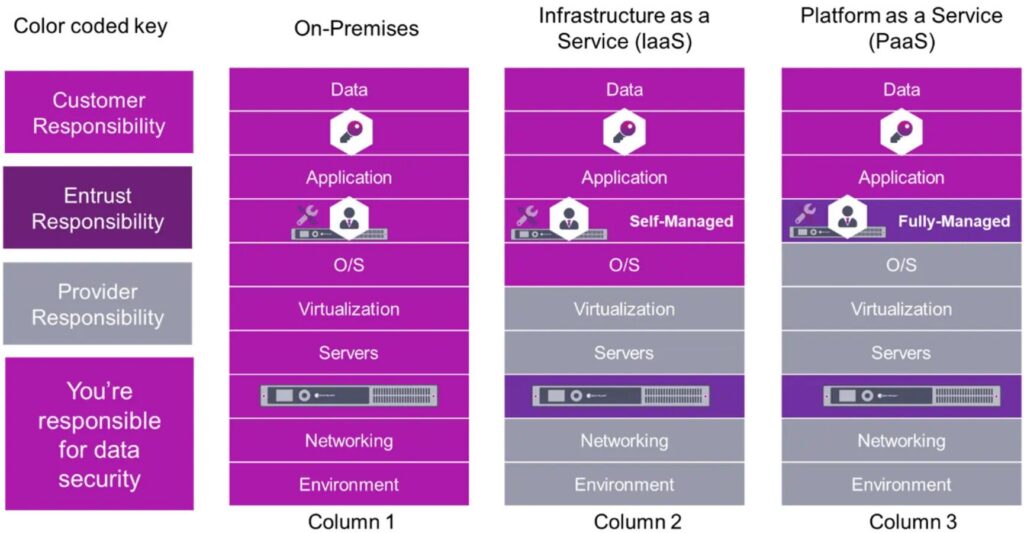
By integrating Securosys’ CyberVault HSM and CloudHSM, Ripple Custody now supports:
- On-premises HSM deployments for highly regulated institutions
- Cloud-based HSMs for faster rollout and scalability
- Hardware-enforced private key isolation
- Fine-grained policy enforcement and approval workflows
Crucially, this eliminates the historical tradeoff between security and speed of deployment.
3.2 Institutional Impact
Previously, deploying HSM-based custody could cost millions of dollars and take months due to procurement, certification, and integration complexity. Ripple’s approach abstracts this complexity, allowing institutions to adopt HSM-backed custody with significantly reduced time-to-market.
This is especially relevant for:
- Banks launching digital asset services
- Trust companies expanding crypto custody
- Regulated fintechs entering staking or tokenization
4. Figment Partnership: Staking as a Native Custody Function
4.1 Why Staking Changes the Economics of Custody
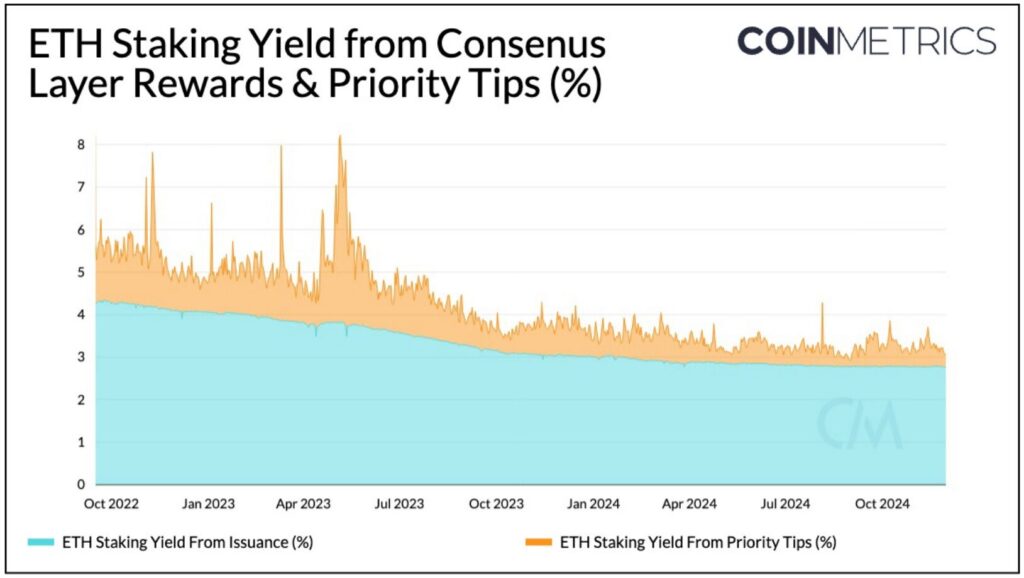
Proof-of-Stake networks such as Ethereum and Solana reward validators and delegators for securing the network. For institutional asset holders, this means:
- Custodied assets can generate yield
- Idle balances become productive capital
- Staking revenue can be shared with end clients
However, running validator infrastructure introduces operational, security, and regulatory risk—particularly for banks.
4.2 Figment’s Role
Figment is currently the largest non-custodial institutional staking provider for Ethereum and Solana, serving more than 1,000 institutional clients including asset managers, exchanges, and custodians.
By integrating Figment directly into Ripple Custody:
- Institutions can offer staking without running validators
- Slashing risk, uptime monitoring, and protocol upgrades are outsourced
- Custody policies and compliance controls remain intact
This effectively turns staking into a configurable custody feature, rather than a separate operational silo.
5. Market Context: Why This Matters Now
5.1 Institutional Yield Pressure
With traditional fixed-income yields fluctuating and inflation-adjusted returns under pressure, institutions are increasingly exploring on-chain yield as a complementary revenue stream.
Staking yields—while variable—offer:
- Transparent reward mechanisms
- Protocol-native incentives
- Non-correlated return profiles
5.2 Regulatory Normalization
Across major jurisdictions, regulators are clarifying custody, segregation, and risk management requirements for digital assets. This has created demand for pre-compliant infrastructure, rather than bespoke in-house builds.
Ripple’s strategy aligns closely with this trend by embedding compliance and security at the infrastructure layer, not as afterthoughts.
6. Competitive Landscape: Ripple vs Other Custody Providers
| Provider | HSM Integration | Native Staking | Compliance Tools | Institutional Focus |
|---|---|---|---|---|
| Ripple Custody | Yes (Securosys) | Yes (Figment) | Yes (Chainalysis) | Strong |
| Coinbase Custody | Yes | Limited | Yes | Strong |
| Fireblocks | Partial | Partial | Limited | Medium |
| Anchorage Digital | Yes | Yes | Yes | Strong |
What differentiates Ripple is its end-to-end vertical integration combined with its deep experience working with banks and regulators globally.
7. Implications for Investors and Builders
For readers seeking new crypto assets, revenue opportunities, or practical blockchain use cases, this development signals several trends:
- Institutional-grade infrastructure is becoming standardized
- Staking yields are moving from DeFi-native to regulated environments
- Tokens associated with infrastructure providers may benefit indirectly from increased adoption
- The line between traditional finance and on-chain finance continues to blur
Rather than chasing short-term narratives, long-term value may increasingly accrue to infrastructure enablers.
8. Conclusion: Ripple’s Quiet but Decisive Pivot
Ripple’s partnerships with Securosys and Figment represent more than incremental feature upgrades. They reflect a strategic repositioning toward becoming a foundational layer for regulated digital asset finance.
By combining hardware-rooted security, compliance-native design, and yield-generating workflows, Ripple Custody addresses the real constraints institutions face today.
As the market matures, winners are unlikely to be those offering the most tokens—but those providing the safest, most compliant paths for institutions to participate at scale.
