

Main Points :
- PNC becomes the first major U.S. bank to offer direct Bitcoin trading to private-bank clients.
- Coinbase’s Crypto-as-a-Service (CaaS) provides trading and custody infrastructure.
- Wealth-management clients can buy, sell, and hold Bitcoin within PNC’s private-bank platform, without external exchanges.
- The move signals a broader institutional shift toward digital-asset integration across traditional finance.
- Recent market developments—U.S. Bitcoin ETFs, global bank adoption, and stronger regulatory clarity—are accelerating private-bank demand.
- The integration is expected to expand to institutional investors next, creating new competition among major banks.
Introduction: A Historic Step for U.S. Banking
The quiet but decisive shift toward digital assets inside traditional financial institutions reached a new turning point when PNC Bank, one of the largest banks in the United States, enabled direct Bitcoin trading for its private-banking (high-net-worth) clients. This marks the first time a major U.S. bank has allowed wealthy clients to buy and sell Bitcoin directly on the bank’s own platform, without sending funds to an external crypto exchange.
By partnering with Coinbase and leveraging the company’s Crypto-as-a-Service (CaaS) infrastructure, PNC is not merely offering Bitcoin exposure—it is integrating digital assets into wealth-management tools, reporting dashboards, and custody environments that private-bank clients already use daily. The move reflects a rapid shift in demand among affluent investors who now view Bitcoin as a long-term strategic asset rather than a speculative fringe instrument.
To understand the significance, this article examines (1) PNC’s service mechanics, (2) why Coinbase’s infrastructure matters, (3) the broader institutional trends driving major banks toward digital assets, and (4) how this development may reshape the competitive landscape for wealth-management services in the United States.
1. The First Major U.S. Bank to Offer Direct Bitcoin Transactions
PNC’s decision is groundbreaking for one key reason:
No other major U.S. bank currently allows its private clients to directly buy and hold Bitcoin inside the bank’s ecosystem.
JPMorgan, Goldman Sachs, Morgan Stanley, and Citi offer Bitcoin exposure only through ETF products or external custodians, and often limit these services to institutional clients. PNC’s approach is different—and far more aggressive:
What PNC Is Offering
- Direct Bitcoin purchases and sales through the client’s existing PNC private-bank portal
- Integrated custody powered by Coinbase
- A unified dashboard allowing clients to view traditional assets and digital assets side-by-side
- Secure storage without requiring the client to handle private keys
- A compliant infrastructure operated entirely within U.S. regulatory oversight
Why Wealth Clients Demand Direct Trading
Private-bank clients, especially those with portfolios over several million dollars, increasingly view Bitcoin as:
- A long-term macro hedge
- An uncorrelated asset compared with traditional markets
- A high-growth opportunity similar to early-stage technology investments
Many wealthy individuals already hold crypto on Coinbase, Gemini, or institutional custodians like Fidelity Digital Assets. PNC’s strategy captures this existing demand rather than losing assets to external platforms.
2. How Coinbase’s CaaS Infrastructure Enables PNC’s Offering
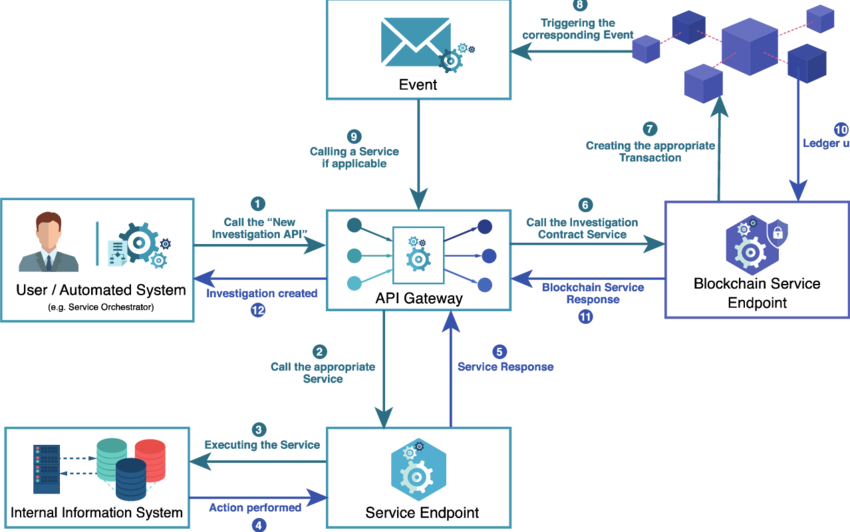
Coinbase’s CaaS (Crypto-as-a-Service) is at the heart of this partnership. Instead of building its own crypto-trading engine, blockchain node infrastructure, and custody services, PNC leverages Coinbase’s system in a white-label format.
What CaaS Provides
- Trading execution (matched through Coinbase liquidity)
- Qualified custody compliant with U.S. regulations
- Settlement and reconciliation infrastructure
- Regulatory-grade reporting
- APIs allowing banks to embed these services into their existing wealth-management portals
This approach gives PNC:
- Speed (months instead of years to launch)
- Regulatory safety
- Scalability as crypto adoption grows across client segments
- Operational risk reduction, since Coinbase handles the technical heavy lifting
Enhanced Portfolio Monitoring for Clients
The platform allows clients to monitor Bitcoin holdings in the same dashboard as:
- Equities
- Bonds
- Cash positions
- Alternative assets
For wealth-management advisors, this unified view creates new opportunities:
- Building diversified portfolios that include digital assets
- Offering risk modeling that incorporates Bitcoin volatility
- Helping clients navigate long-term allocation strategies
3. Why This Moment Matters: Institutional Demand Is Accelerating
PNC’s move does not exist in isolation—it is part of a dramatic shift across the financial industry.
(1) The Rise of U.S. Bitcoin ETFs
Since early 2024, U.S. Bitcoin ETFs have driven tens of billions of dollars in institutional inflows. Wealth clients who previously could not hold Bitcoin due to compliance rules now have regulated access.
This legitimized Bitcoin in the eyes of:
- Family offices
- Pension funds
- Insurance firms
- Private-wealth divisions of major banks
BTC price volatility still exists, but the asset has become “institutional grade.”
(2) Global Banks Are Entering Digital Assets
Outside the U.S., major banks are moving rapidly:
- Standard Chartered launched Bitcoin and ETH trading through its new crypto subsidiary.
- Deutsche Bank is expanding digital-asset custody services.
- Nomura (Japan) invested in its crypto subsidiary Laser Digital.
PNC’s entry signals that U.S. banks are no longer content to watch from the sidelines.
(3) Wealthy Clients Are Already Allocated to Crypto
Recent surveys from Fidelity and EY show:
- Over 80% of high-net-worth investors globally are interested in digital assets.
- Many already hold Bitcoin privately and want bank-managed solutions.
- Wealth clients prefer custody, reporting, and access integrated with their existing private-bank accounts.
PNC is responding directly to these trends.
4. Expansion Plans: Institutional Clients Are Next
PNC has confirmed that its Bitcoin service will initially target private-banking clients—a group generally consisting of individuals with at least $1M+ in investable assets.
However, PNC also stated:
- The service will expand to broader institutional clients
- New features may be introduced based on client demand
- Wider digital-asset support (beyond Bitcoin) remains under consideration
Why Institutional Clients Matter
Institutional investors often require:
- Regulated custody
- Audit-friendly reporting
- Trading through bank-integrated platforms
- Multi-asset portfolio dashboards
If PNC becomes the first major U.S. bank offering bank-native crypto services to institutions, it could:
- Boost its institutional AUM
- Differentiate itself from JPMorgan, Goldman Sachs, and Citi
- Attract fintech partnerships and new revenue streams
5. The Strategic Implications for Wealth Management
PNC’s move accelerates a competitive shift across the banking landscape.
Banks Will Need Crypto Strategies
Until now, major banks have relied on:
- ETF products
- Third-party custodians
- Limited exposure offerings
But wealthy clients are increasingly requesting:
- Direct ownership of Bitcoin
- Low-cost execution
- Integrated portfolio transparency
- Bank-level security
PNC is the first to package all of these into a single offering.
Risk Management and Compliance Benefits
By working with Coinbase, PNC gains:
- Real-time transaction monitoring
- Secure cold storage
- Infrastructure built for regulatory audits
- Reduced operational risk vs. building in-house systems
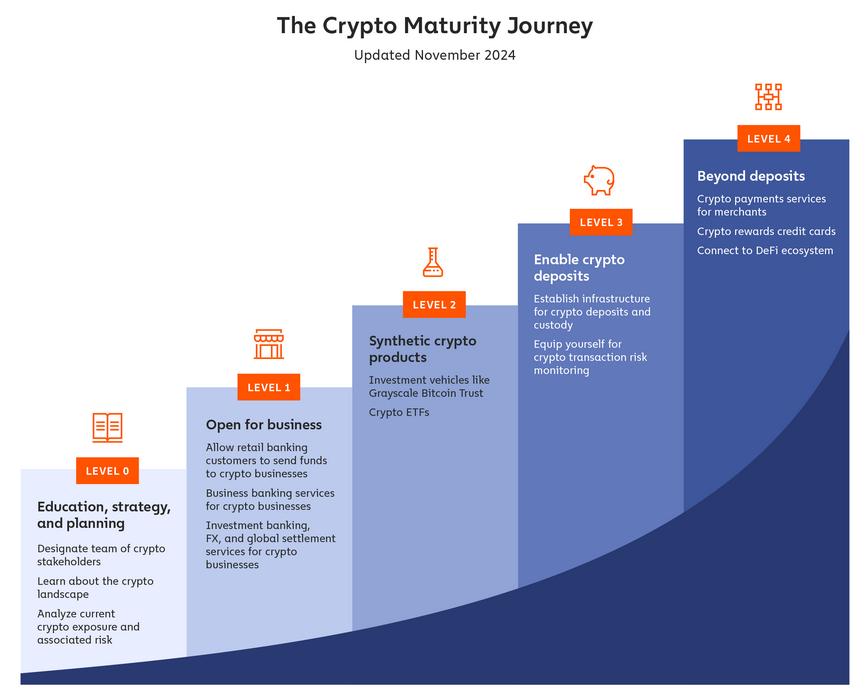
This allows PNC to adopt Bitcoin services without compromising banking compliance standards.Inserted Chart: Bitcoin Adoption Trend Among U.S. Banks (Illustrative)
6. Market Outlook: What This Means for Crypto Investors
For crypto-focused readers seeking new opportunities, PNC’s announcement has several implications:
(1) Wealth-Management Capital Will Flow Into Bitcoin
Private-banking clients control trillions of dollars. Even a 1–2% allocation shift could drive billions into Bitcoin.
(2) Banks May Soon Offer Additional Digital Assets
While PNC starts with Bitcoin, banks may next integrate:
- Ethereum
- Tokenized treasuries
- Stablecoins
- On-chain money-market funds
These are already attracting institutional demand globally.
(3) Tokenization and Stablecoin Payments Will Accelerate
In parallel with Bitcoin integration:
- Major banks are testing tokenized deposits
- U.S. institutions increasingly use USDC for settlement
- Regulators are more open to blockchain settlement solutions
The crypto market is becoming a financial infrastructure layer, not merely an asset class.
Conclusion: A Milestone With Long-Term Consequences
PNC’s integration of Bitcoin trading for wealthy clients is more than a new product launch—it is a signal.
A signal that:
- Crypto is now part of mainstream wealth management
- Major banks cannot ignore client demand
- Institutional adoption is accelerating
- The boundaries between traditional and digital finance are dissolving
For readers looking for the next major wave of crypto opportunity, institutional adoption—especially through the banking system—may become the defining force of the next decade.
Bitcoin has moved from an outsider asset to a portfolio essential, and PNC’s decision confirms that the most powerful force in global finance—private wealth capital—is ready to embrace the digital-asset era.
