
Main Points :
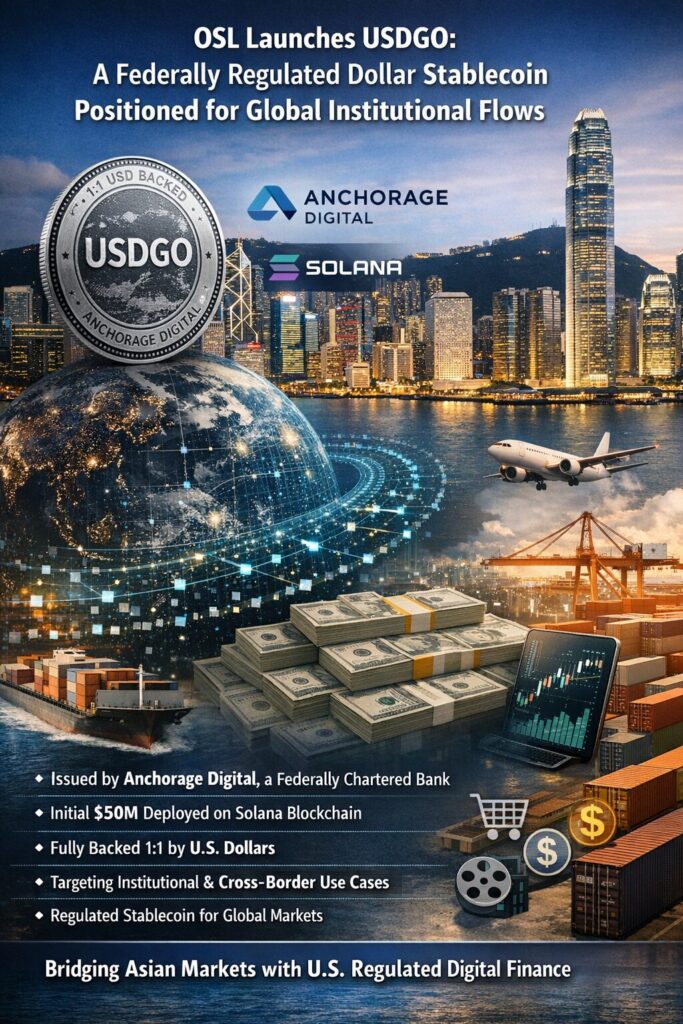
- Hong Kong–based OSL Group has launched a new U.S. dollar–denominated stablecoin, USDGO.
- USDGO is issued by Anchorage Digital, the first federally chartered digital asset bank in the United States.
- The initial issuance of $50 million was deployed on the Solana blockchain, with plans for multi-chain expansion.
- The stablecoin is fully backed 1:1 by U.S. dollars and positioned as a regulated alternative for institutional and corporate users.
- Target use cases include cross-border e-commerce, international trade, financial services, and digital entertainment.
- The launch reflects a broader trend toward regulated stablecoins amid global tightening of crypto oversight.
- USDGO may signal a structural shift in how Asian liquidity hubs integrate with U.S. regulated digital finance.
1. The Launch of USDGO: A Strategic Cross-Border Play
On February 10, Hong Kong-based crypto enterprise OSL Group officially announced the launch of USDGO, a U.S. dollar–denominated stablecoin designed for regulated global usage. The initial issuance amounted to $50 million and was minted on the Solana blockchain. Additional blockchain integrations are expected in the near future.
USDGO is issued by Anchorage Digital, a federally chartered U.S. digital asset bank supervised under U.S. federal banking regulations. OSL Group serves as the branding partner, while its licensed subsidiaries handle regional distribution. In Hong Kong, distribution is conducted exclusively through OSL Digital Securities, the first licensed virtual asset trading platform operator in the region.
This structure is significant. Instead of issuing an offshore stablecoin under loosely defined regulatory frameworks, USDGO is positioned at the intersection of U.S. federal oversight and Hong Kong’s virtual asset licensing regime. The architecture suggests a deliberate attempt to create institutional-grade credibility in a market increasingly sensitive to compliance and transparency.
2. OSL Group: A Licensed Gateway to Institutional Crypto
OSL Group has positioned itself as one of the most compliance-focused crypto enterprises in Asia. Through its subsidiary OSL Digital Securities, the company became the first SFC-licensed virtual asset trading platform in Hong Kong.
This regulatory foundation is critical. Since 2023, Hong Kong has actively promoted itself as a digital asset hub, yet it has emphasized strict licensing and custody rules. Unlike offshore exchanges that target retail traders, OSL’s focus has historically been institutional and professional investors.
The introduction of USDGO complements that strategy. Instead of relying solely on third-party stablecoins such as USDT or USDC, OSL now participates directly in the branding and distribution of a regulated dollar instrument. For institutions that require auditability, banking oversight, and compliance clarity, USDGO may offer a differentiated alternative.
3. Anchorage Digital: Regulatory Infrastructure as Competitive Advantage
Anchorage Digital holds a unique position in the global crypto landscape. It was the first digital asset bank to receive a federal charter from the U.S. Office of the Comptroller of the Currency (OCC). This federal status differentiates it from many stablecoin issuers that operate under state money transmitter licenses or offshore structures.
USDGO is described as being backed 1:1 by U.S. dollars. While details on reserve composition and custody mechanics will determine long-term credibility, federal supervision may reassure institutional treasuries and regulated entities.
In the post-2022 environment—after the collapse of algorithmic stablecoins and high-profile exchange failures—regulatory pedigree is increasingly becoming a market differentiator. USDGO appears designed to capture this compliance premium.
4. Why Launch on Solana?
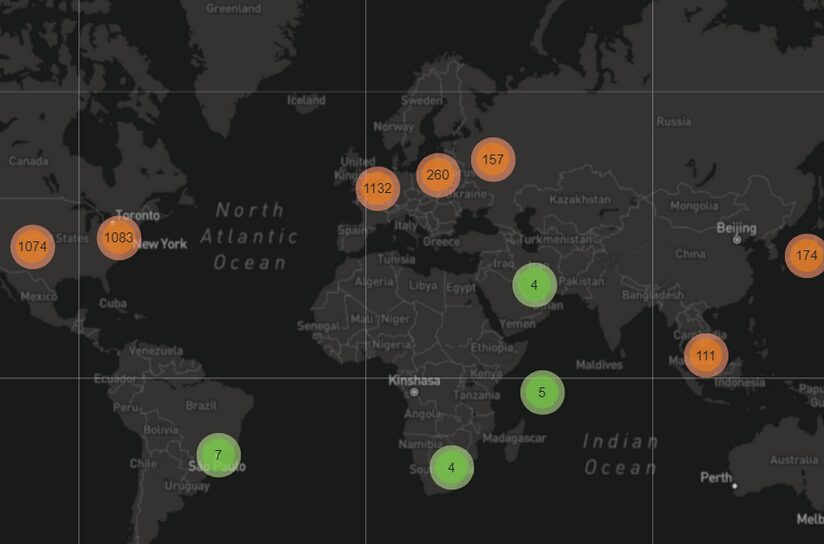
The decision to issue USDGO initially on Solana is strategic. Solana offers high throughput, low transaction costs, and a growing ecosystem of DeFi, payments, and NFT platforms.
As of early 2026, Solana has regained significant developer activity and transaction volume following its post-FTX recovery. Stablecoins on Solana benefit from sub-second settlement and minimal fees, making them suitable for high-frequency payment and trading use cases.
By launching on Solana first, USDGO positions itself for:
- Real-time settlement applications
- Cross-border merchant payments
- DeFi liquidity pools
- On-chain FX-style arbitrage
Multi-chain expansion will likely include Ethereum and potentially other EVM-compatible chains, depending on institutional demand.
5. Use Cases: Beyond Trading
USDGO is marketed as providing 24/7 liquidity across cross-chain, cross-platform, cross-market, and cross-currency environments. Its proposed application areas include:
Cross-Border E-Commerce
Traditional international payment rails often involve multi-day settlement and high fees. A regulated dollar stablecoin could enable near-instant settlement with transparent FX conversion.
International Trade
Trade finance documentation and payment cycles remain inefficient in many corridors. A compliant digital dollar instrument could streamline invoice settlement, particularly for Asia-U.S. trade flows.
Financial Services
Brokerage margin, OTC settlement, and treasury management may benefit from programmable dollar liquidity.
Interactive Entertainment and Digital Platforms
Gaming, creator economies, and digital media increasingly operate across borders. Stablecoins can provide standardized payment rails where local currencies introduce friction.
For readers seeking new revenue opportunities, these verticals may represent integration points rather than mere speculative trading plays.
6. Competitive Landscape: USDGO vs USDT vs USDC
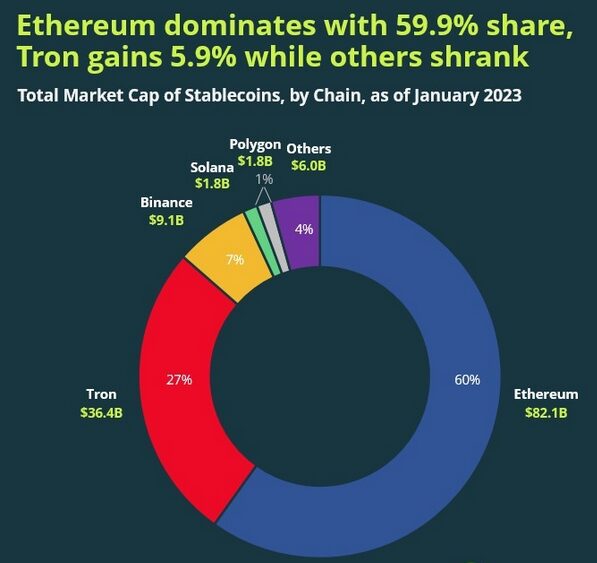
The global stablecoin market is dominated by Tether (USDT) and Circle’s USDC. However, regulatory scrutiny has intensified globally, including new frameworks in the U.S., Europe (MiCA), and Asia.
USDGO differentiates itself by:
- Federal bank issuance structure
- Hong Kong regulated distribution
- Institutional positioning
- Multi-jurisdiction compliance narrative
Whether this will translate into liquidity depth remains uncertain. Stablecoins thrive on network effects; adoption depends on exchange listings, DeFi integration, and merchant partnerships.
7. Market Context: Stablecoins as Infrastructure
Stablecoins now represent a structural component of crypto liquidity. They serve as:
- Base trading pairs
- DeFi collateral
- Cross-border remittance rails
- Treasury reserve instruments
Recent data across the industry shows growing institutional inflows into tokenized U.S. dollar products. Tokenized treasuries, on-chain money market funds, and regulated stablecoins are increasingly converging.
USDGO’s launch may be less about retail speculation and more about institutional settlement infrastructure.
8. Structural Implications for Asia
Hong Kong has actively positioned itself as a regulated digital asset gateway between mainland China and global capital markets. By aligning with a federally chartered U.S. bank, OSL may be bridging two regulatory spheres.
This could:
- Enhance Hong Kong’s role as a compliant crypto hub
- Attract institutional capital seeking regulated exposure
- Increase stablecoin competition in Asia
- Provide alternative settlement rails for regional fintech firms
For investors and builders, the key question is whether USDGO evolves into a widely accepted liquidity layer or remains a niche regulated instrument.
Conclusion
The launch of USDGO represents more than the introduction of another dollar stablecoin. It reflects a broader structural shift toward regulated, institution-ready digital dollar infrastructure.
By combining U.S. federal banking oversight through Anchorage Digital with Hong Kong’s licensed crypto framework via OSL Group, USDGO attempts to occupy a compliance-first segment of the stablecoin market.
For readers exploring new crypto assets, USDGO may not immediately appear as a speculative growth token. However, as infrastructure assets increasingly define blockchain’s next phase, stablecoins anchored in regulatory credibility may become foundational layers for capital flows, trade settlement, and digital financial services.
If adoption expands beyond initial issuance, USDGO could become a case study in how regulated East-West partnerships shape the next evolution of digital finance.
