
Key Points :
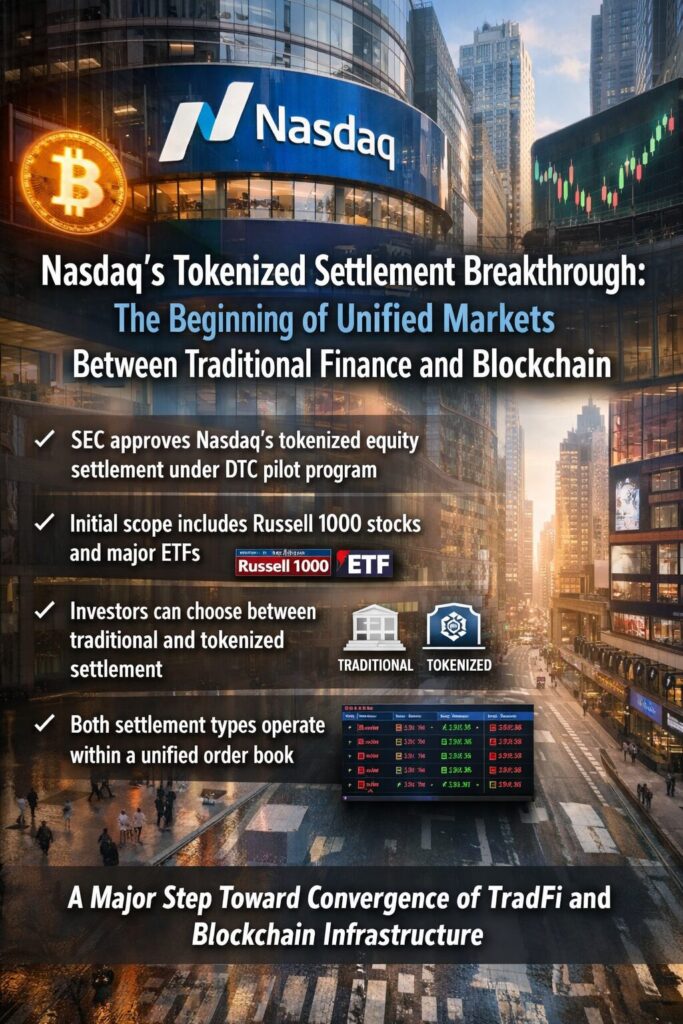
- SEC approves Nasdaq’s tokenized equity settlement under DTC pilot program
- Initial rollout covers Russell 1000 stocks and major ETFs
- Investors can choose between traditional and tokenized settlement at order level
- Both settlement types operate within a unified order book
- Marks a structural shift toward integration of TradFi and blockchain infrastructure
- Signals acceleration of institutional adoption of tokenized assets globally
1. SEC Approval Signals a Structural Turning Point
The U.S. Securities and Exchange Commission (SEC) has officially approved Nasdaq’s proposal to enable tokenized settlement for equities and exchange-traded funds (ETFs), marking one of the most significant developments in the evolution of capital markets. The approval, filed under rule change SR-NASDAQ-2025-072, allows Nasdaq to begin operating under a pilot program facilitated by the Depository Trust Company (DTC).
This move is not merely an incremental improvement in post-trade infrastructure—it represents a foundational shift in how securities can be issued, traded, and settled. Historically, equity settlement has relied on centralized clearing systems with settlement cycles such as T+2 or, more recently, T+1. Tokenization introduces the possibility of near-instant settlement, fundamentally altering liquidity dynamics and capital efficiency.
The DTC pilot program serves as a controlled environment in which tokenized securities can coexist with traditional systems, allowing regulators and market participants to evaluate risks, operational efficiency, and systemic implications.
2. Scope of the Pilot: Russell 1000 and Major ETFs
In its initial phase, the program will focus on highly liquid and widely traded instruments. Specifically, it includes:
- Stocks within the Russell 1000 Index
- Major index-tracking ETFs tied to benchmarks such as the S&P 500 and Nasdaq-100
This selection is strategic. By limiting the pilot to large-cap equities and major ETFs, Nasdaq ensures sufficient liquidity and minimizes volatility risks during the experimental phase.
From a market infrastructure perspective, this also enables meaningful testing of scalability. Large-cap equities represent a significant portion of global trading volume, making them ideal candidates to stress-test tokenized settlement systems under real-world conditions.
3. Dual Settlement Choice Within a Unified Order Book
One of the most innovative aspects of Nasdaq’s implementation is the introduction of a dual-settlement mechanism within a single order book.
Investors can specify an “order flag” at the time of trade execution, choosing between:
- Traditional settlement (via existing clearing systems)
- Tokenized settlement (via blockchain-integrated processes)
Crucially, both types of orders are matched within the same order book and maintain equal execution priority. This design avoids liquidity fragmentation—a major concern in hybrid financial systems.
Conceptual Diagram – Unified Order Book with Dual Settlement
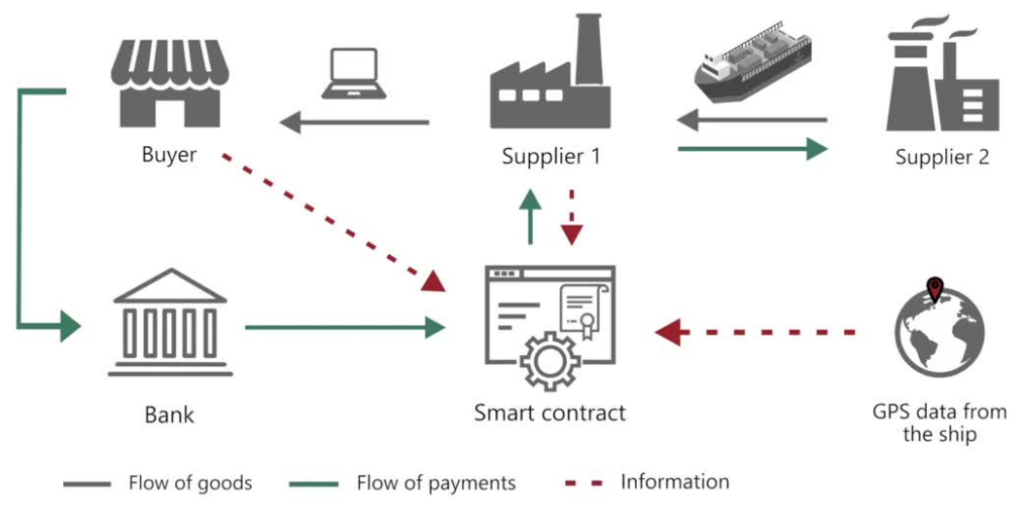
(A diagram showing a single order book with two settlement paths branching into “Traditional Settlement” and “Tokenized Settlement”)
This architecture ensures that market depth remains consolidated while allowing participants to adopt tokenized settlement at their own pace. It also eliminates the need for separate trading venues, which could otherwise dilute liquidity and increase spreads.
4. Operational Advantages: Speed, Cost, and Transparency
Tokenized settlement introduces several operational advantages that are highly relevant for both institutional and retail participants:
4.1 Settlement Speed
Traditional settlement cycles (T+1 or T+2) expose market participants to counterparty risk. Tokenized settlement, by contrast, enables near-real-time finality.
4.2 Cost Reduction
By reducing reliance on intermediaries such as clearinghouses and custodians, tokenization can significantly lower operational costs. This is particularly relevant for cross-border transactions, where settlement complexity is higher.
4.3 Transparency and Auditability
Blockchain-based systems provide immutable transaction records, improving auditability and compliance. This aligns with increasing regulatory demands for transparency in financial markets.
Settlement Time Comparison
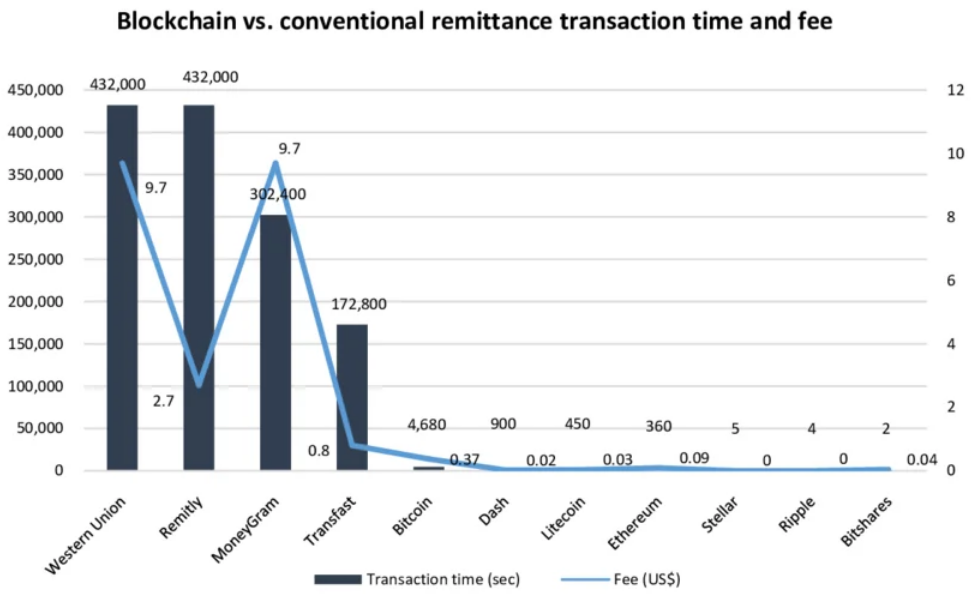
(Bar chart comparing Traditional Settlement (T+2 / T+1) vs Tokenized Settlement (near real-time))
5. Strategic Context: Nasdaq’s Broader Digital Asset Strategy
Nasdaq’s move toward tokenized settlement is not occurring in isolation. It follows a broader strategic push into digital assets, including its partnership with Kraken announced in March 2026.
This collaboration focuses on developing infrastructure for tokenized securities, suggesting that Nasdaq is positioning itself as a hybrid exchange capable of handling both traditional and digital assets seamlessly.
Globally, other financial institutions are pursuing similar initiatives:
- BlackRock exploring tokenized funds
- JPMorgan advancing its Onyx blockchain platform
- European exchanges experimenting with digital securities issuance
Nasdaq’s implementation stands out due to its integration into a live trading environment rather than a sandbox-only approach.
6. Market Implications for Crypto and Blockchain Investors
For readers seeking new crypto assets and revenue opportunities, this development has several important implications:
6.1 Expansion of Tokenized Asset Markets
The tokenization of equities could significantly expand the total addressable market for blockchain-based assets. Unlike cryptocurrencies, tokenized equities are backed by real-world assets, offering a different risk-return profile.
6.2 Infrastructure Plays Become More Valuable
Projects focusing on:
- Settlement layers
- Custody solutions
- Tokenization platforms
are likely to see increased demand as traditional institutions enter the space.
6.3 Arbitrage and Yield Opportunities
Dual settlement systems may create temporary inefficiencies between traditional and tokenized markets, opening arbitrage opportunities. Additionally, tokenized assets could enable new forms of yield generation through DeFi integrations.
7. Risks and Regulatory Considerations
Despite its promise, tokenized settlement introduces new challenges:
- Regulatory uncertainty: Long-term classification of tokenized securities remains under development
- Operational risks: Smart contract vulnerabilities and system integration issues
- Market adoption: Institutional inertia may slow widespread adoption
The DTC pilot program is designed to address these concerns through phased implementation and continuous evaluation.
8. Future Outlook: Toward a Unified Financial System
Looking ahead, several key developments are expected:
- Expansion beyond Russell 1000 to include mid- and small-cap equities
- Integration with global markets and cross-border settlement systems
- Potential adoption of tokenized settlement as a standard rather than an option
Future Market Structure Vision
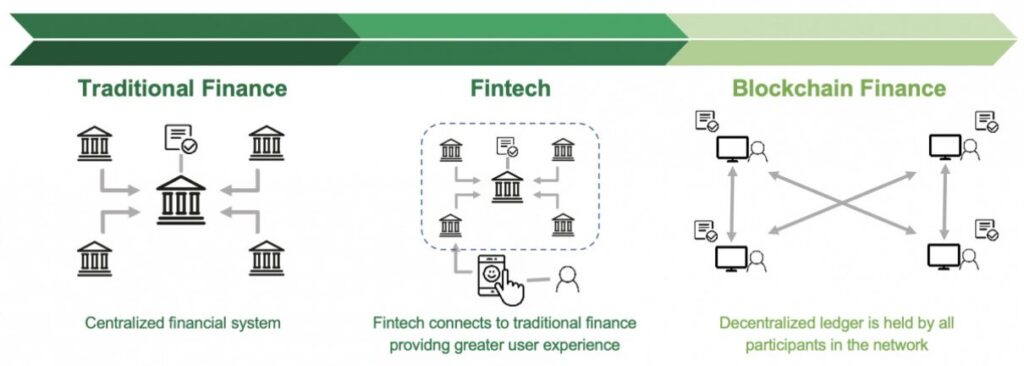
(Diagram showing convergence of TradFi and DeFi into a unified financial system)
If successful, Nasdaq’s initiative could redefine market infrastructure, bridging the gap between traditional finance (TradFi) and decentralized finance (DeFi).
Conclusion
Nasdaq’s launch of tokenized equity settlement under SEC approval represents a landmark moment in financial market evolution. By enabling tokenized and traditional settlement within a unified order book, the initiative avoids liquidity fragmentation while unlocking the benefits of blockchain technology.
For investors and builders in the crypto space, this development signals a new phase of institutional adoption—one where blockchain is no longer an alternative system but an integrated layer within global finance.
As the pilot program progresses, the key question will not be whether tokenization becomes mainstream, but how quickly it reshapes the financial landscape.
