

Main Takeaways :
- Japan’s planned transition of crypto assets under the Financial Instruments and Exchange Act represents a structural reset of the entire domestic crypto industry.
- Statements by the leadership of the Japan Virtual and Crypto Assets Exchange Association (JVCEA) signal an unavoidable consolidation phase.
- Capital adequacy, internal controls, and compliance capabilities—not innovation speed alone—will determine survival.
- Self-regulation is evolving from a defensive obligation into a competitive weapon for global credibility.
- By 2026, Japan aims to rebuild itself as one of the world’s most trusted digital asset financial hubs.
1. Regulatory Shockwaves and the Brutal Survival Test for Exchanges
Japan’s crypto market is entering what can only be described as a historic stress test.
The proposed shift of crypto asset regulation toward the Financial Instruments and Exchange Act (FIEA) is not a routine regulatory update—it is a decisive line drawn between professional financial institutions and speculative-era remnants.
According to remarks from JVCEA leadership, this transition will impose requirements comparable to those faced by securities firms: governance structures, capital buffers, internal audits, conflict-of-interest controls, and strict disclosure obligations. For many small and mid-sized exchanges, these standards are not aspirational goals but existential threats.
This is not simply about compliance paperwork. It is about whether an operator can credibly be entrusted with other people’s assets under a legal framework designed to withstand systemic financial risk. Those unable to meet these expectations will exit the market—voluntarily or otherwise.
In the short term, this process will likely cool market activity. Liquidity may thin, product diversity may narrow, and innovation may appear to slow. Yet history suggests that such contractions are often the necessary precondition for sustainable growth.
What Japan is effectively doing is replacing an experimental sandbox with a regulated financial battlefield. Only institutions capable of enduring prolonged regulatory scrutiny will remain standing.
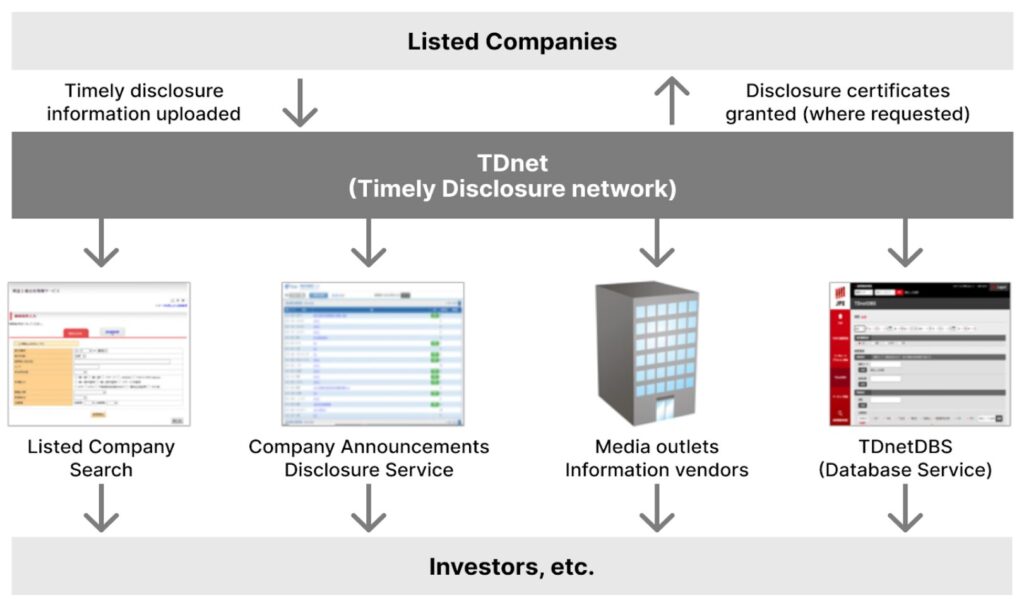
[Timeline diagram showing Japan’s crypto regulatory evolution from PSA to FIEA (2017–2026)]
2. The End of Regulatory Dependence: Self-Regulation as Strategic Armor
One of the most underestimated aspects of Japan’s approach is the elevation of self-regulation.
Historically, many market participants treated regulation as an external constraint imposed by authorities. That mindset is no longer viable.
JVCEA’s repositioning signals a philosophical shift: self-regulation is not a burden but an assertion of market maturity. Exchanges that proactively exceed minimum requirements—rather than merely meeting them—gain strategic credibility both domestically and internationally.
Investor psychology has changed. Retail and institutional participants alike are no longer chasing explosive short-term returns alone. They are prioritizing custody safety, operational transparency, and predictable dispute resolution. In this environment, compliance itself becomes a form of product differentiation.
Japan’s model is especially notable because it integrates traditional financial discipline with digital asset infrastructure. Rather than rejecting legacy finance, it absorbs its strongest elements—risk management, auditability, fiduciary responsibility—and applies them to blockchain-based systems.
This approach positions compliant exchanges not just as trading venues, but as financial infrastructure providers. Those that succeed will enjoy something far more valuable than speculative volume: long-term trust.
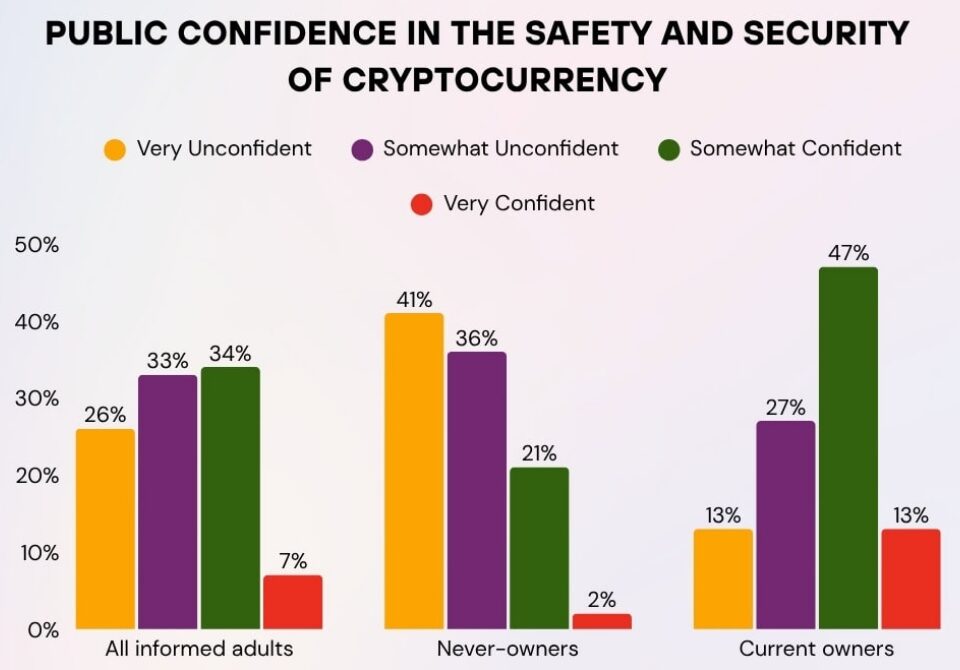
[Comparative chart of compliance costs vs. long-term trust premium in crypto markets]
3. Accelerating Legal Reforms Toward 2026: Rebuilding Japan as a Global Financial Power
By 2026, Japan’s crypto market will look fundamentally different from today.
The convergence of geopolitical risk, capital mobility, and regulatory harmonization has elevated digital assets from speculative instruments to components of national financial strategy.
Under the FIEA framework, opaque speculative flows are expected to be filtered out, making room for institutional capital. Pension funds, asset managers, and corporate treasuries—entities that require legal certainty—are far more likely to engage with a market that speaks the language of regulated finance.
Japan’s strength lies in its meticulous legal culture. When combined with blockchain’s transparency and programmability, the result is a uniquely resilient financial ecosystem. Rather than racing to the bottom on regulatory arbitrage, Japan is positioning itself as a standard-setter.
This will not be a painless transition. Many projects and platforms will not survive the consolidation. However, the assets and institutions that do emerge will carry a premium: credibility in an era defined by systemic uncertainty.
From a global perspective, Japan’s market is evolving from a follower into an architect. By embedding discipline into innovation, it is crafting infrastructure capable of withstanding both market volatility and geopolitical shocks.
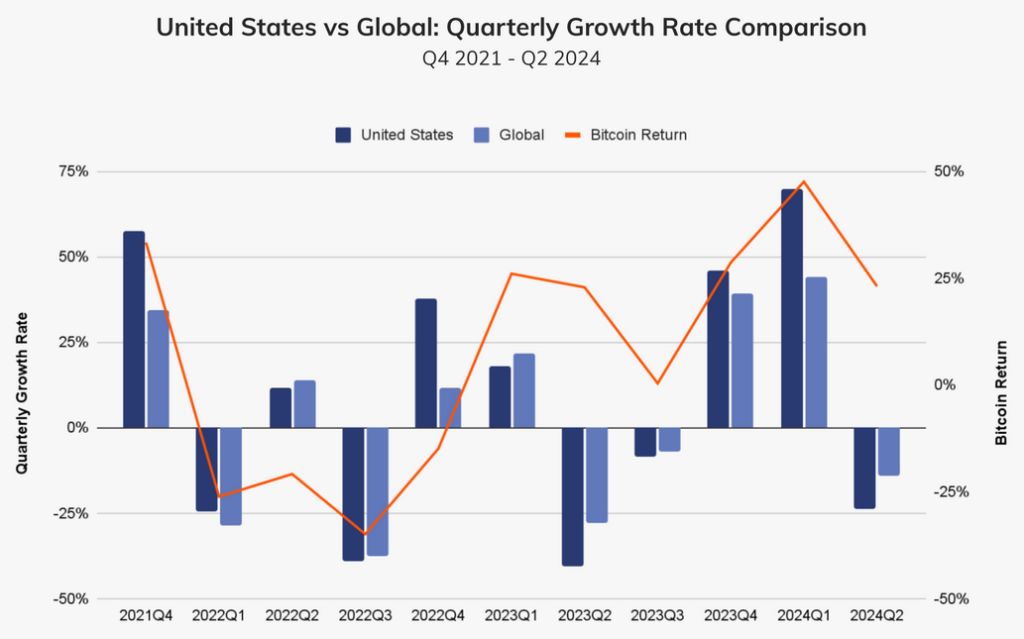
[Global map highlighting Japan as a regulated digital asset hub compared to US/EU/Asia]
Conclusion: Discipline as the Ultimate Competitive Advantage
The warning issued by JVCEA leadership should not be interpreted as a threat—it is an invitation.
An invitation to abandon fragile growth models and rebuild the crypto industry on foundations strong enough to support global capital.
Japan’s transition toward Financial Instruments Law oversight represents a philosophical redefinition of what digital assets are meant to be: not instruments of unchecked speculation, but components of a durable financial system.
Those who adapt will gain access to deeper liquidity, broader partnerships, and institutional legitimacy. Those who hesitate will be remembered as artifacts of an earlier, less disciplined era.
In a world where trust is the scarcest asset, Japan is betting that regulation—when wielded intelligently—can become the strongest engine of innovation.
