

Main Points :
- Institutional investors sold approximately 25,098 BTC equivalent in U.S. spot Bitcoin ETFs by the end of 2025.
- The largest reduction came from Brevan Howard, which cut exposure by over 17,000 BTC equivalent.
- The selling coincided with Bitcoin’s decline from over $120,000 to below $85,000.
- U.S.-listed spot Bitcoin ETFs recorded five consecutive weeks of net outflows, reflecting weakening short-term sentiment.
- The key question for 2026: At what price level will institutional accumulation resume?
1. The 13F Shock: What Institutional Filings Reveal
Recent analysis of fourth-quarter 2025 Form 13F filings submitted to the U.S. Securities and Exchange Commission revealed significant reductions in institutional exposure to spot Bitcoin ETFs.
According to data highlighted by Bloomberg ETF analyst James Seyffart, institutions collectively reduced positions equivalent to approximately 25,098 BTC by year-end 2025.
To put this into perspective:
- At a peak valuation near $120,000 per BTC, this represents roughly $3.0 billion in exposure.
- Even at $85,000 per BTC, the reduced position equates to over $2.1 billion.
This was not retail panic. It was deliberate institutional risk management.
13F filings are particularly important because they disclose equity holdings of institutional investment managers overseeing more than $100 million in assets. In the context of Bitcoin ETFs, these filings provide a window into professional capital allocation decisions.
2. Brevan Howard Leads the Reduction
Among the largest sellers was Brevan Howard, a major global hedge fund, which reportedly reduced more than 17,000 BTC equivalent in spot ETF exposure.
At peak pricing, that reduction alone represented:
17,000 BTC × $120,000 = approximately $2.04 billion
Even at correction levels:
17,000 BTC × $85,000 = approximately $1.45 billion
This scale of repositioning signals disciplined capital rotation rather than emotional selling. Hedge funds operate on strict risk models, volatility thresholds, and macro overlays. When Bitcoin corrected nearly 30% from peak levels, de-risking was consistent with institutional playbooks.
Seyffart commented that the move was “not surprising.” In volatile asset classes, professional managers reduce exposure when trend momentum breaks.
3. Price Context: From Euphoria to Compression
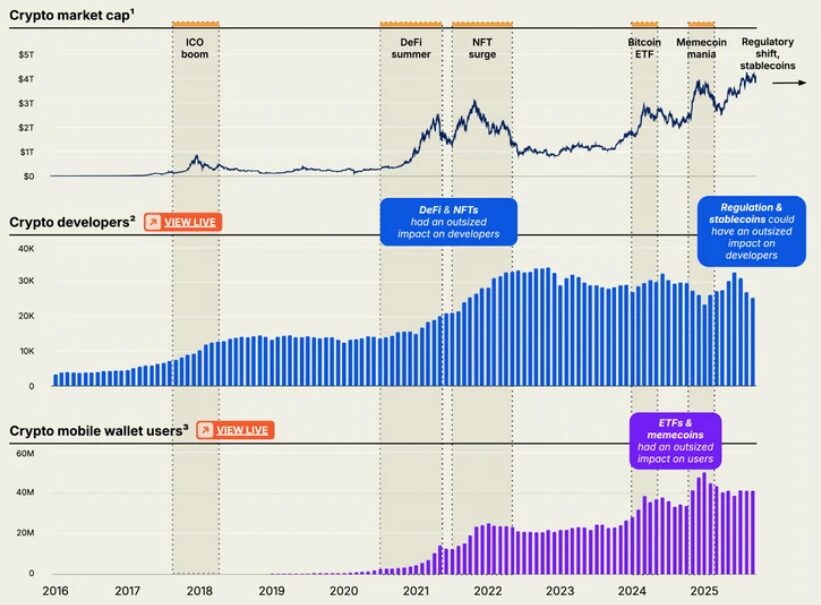
Bitcoin surged above $120,000 in 2025 amid:
- ETF-driven capital inflows
- Post-halving supply constraints
- Growing institutional acceptance
- Expanding derivatives markets
However, price retraced sharply to below $85,000, triggering systematic risk reduction.
Historically, Bitcoin has experienced:
- 30–40% corrections within bull cycles
- Institutional rotation rather than full exit
- Consolidation periods before renewed expansion
The timing of the ETF sell-off aligns almost precisely with this drawdown phase.
4. ETF Outflows: Five Consecutive Weeks
U.S.-listed spot Bitcoin ETFs recently recorded five straight weeks of net outflows.
Major products in this ecosystem include:
- BlackRock
- Fidelity Investments
- Grayscale Investments
Outflows suggest that institutional and advisory channels temporarily cooled exposure.
However, context matters:
- ETF assets under management remain historically high.
- Liquidity depth is significantly greater than in pre-ETF cycles.
- Traditional finance infrastructure now underpins Bitcoin access.
This is structurally different from previous crypto winters.
5. Is This Distribution or Rotation?
The critical distinction is whether institutions are:
- Exiting the asset class, or
- Rotating capital tactically
Several indicators suggest rotation rather than abandonment:
- Hedge funds often hedge via futures rather than liquidate entirely.
- Some institutional allocators shift from spot ETFs to direct custody.
- Family offices frequently accumulate during drawdowns.
Additionally, regulatory clarity in the U.S. has improved relative to previous cycles. The ETF approval process fundamentally altered the access channel for large pools of capital.
6. Accumulation Zones: Where Might Smart Money Return?
The next focus is accumulation behavior in early 2026.
Institutional buying typically resumes when:
- Volatility compresses
- Macro liquidity improves
- Technical support levels hold
- ETF flows stabilize
If Bitcoin consolidates between $75,000–$90,000, this range could become a structural accumulation zone.
Long-term allocators such as pension funds and sovereign-linked vehicles do not chase peaks—they accumulate during stability.
The next round of 13F filings will reveal whether Q1 2026 marked:
- Continued distribution
- Neutral consolidation
- Early-stage re-accumulation
7. Broader Implications for Crypto Investors
For readers seeking new crypto assets, revenue streams, or blockchain applications, several takeaways emerge:
A. ETF Flows Are Sentiment Indicators, Not Absolute Truth
ETF flows often lag price action. Institutions tend to react to volatility rather than predict it.
B. Institutional Selling Can Create Opportunity
Large-scale de-risking often produces:
- Liquidity pockets
- Discounted entry levels
- Stronger base formation
C. Watch Structural Demand Drivers
Beyond ETF flows, consider:
- Corporate treasury adoption
- Layer-2 ecosystem growth
- Tokenized asset markets
- Stablecoin settlement expansion
Bitcoin is no longer an isolated speculative asset—it is embedded in global capital markets.
8. The Maturation of the Market
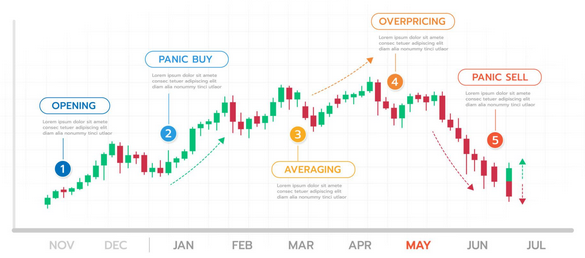
This cycle differs from 2017 or 2021 because:
- Spot ETFs normalized institutional exposure.
- Volatility is increasingly absorbed by derivatives markets.
- Regulatory engagement has expanded.
Institutional capital behaves cyclically—but structurally, exposure continues to deepen over time.
The reduction of 25,000 BTC equivalent may seem dramatic, but relative to global institutional balance sheets, it remains modest.
Conclusion: Strategic De-Risking, Not Structural Exit
The late-2025 institutional reduction of approximately 25,098 BTC equivalent in U.S. spot Bitcoin ETFs reflects disciplined portfolio management amid price volatility—not necessarily loss of long-term conviction.
Key observations:
- The largest seller, Brevan Howard, executed a rational reduction aligned with macro drawdown conditions.
- ETF outflows coincided with a correction from $120,000 to below $85,000.
- Market structure remains fundamentally stronger than prior cycles.
- The next 13F reporting period will be critical in identifying re-accumulation signals.
For investors exploring the next wave of crypto opportunities, the lesson is clear:
Institutional behavior follows cycles—but long-term capital flows continue to integrate Bitcoin into global finance.
The question is no longer whether institutions participate.
The real question is:
At what price will they return aggressively—and how prepared are you before they do?
