
Main Points
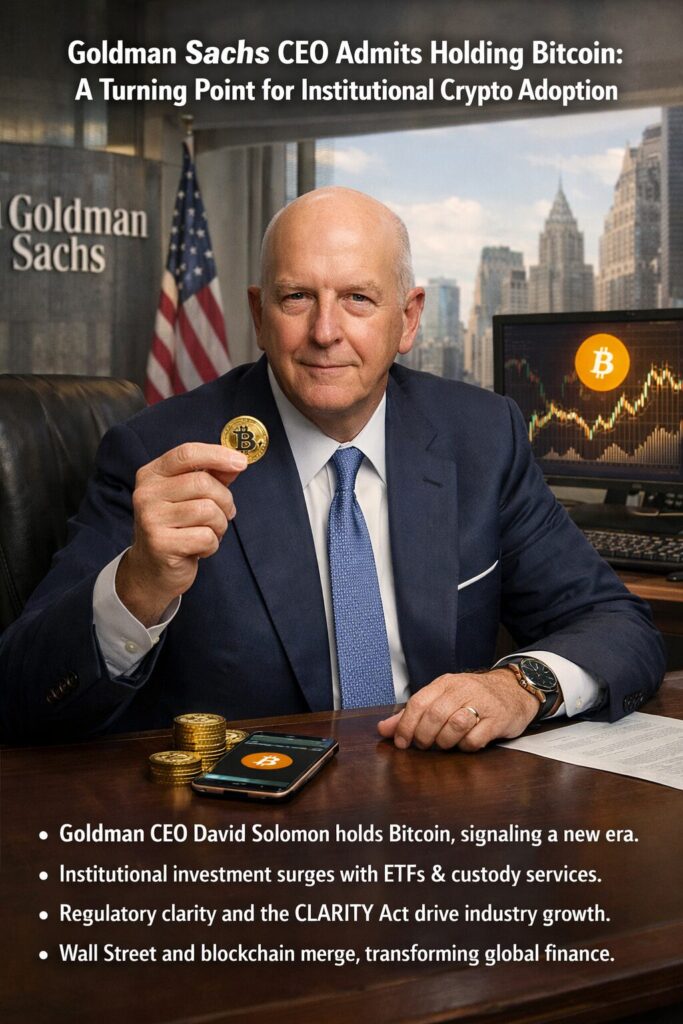
- Goldman Sachs CEO David Solomon publicly acknowledged holding a small amount of Bitcoin.
- His remarks mark a notable shift from earlier skepticism toward cautious engagement.
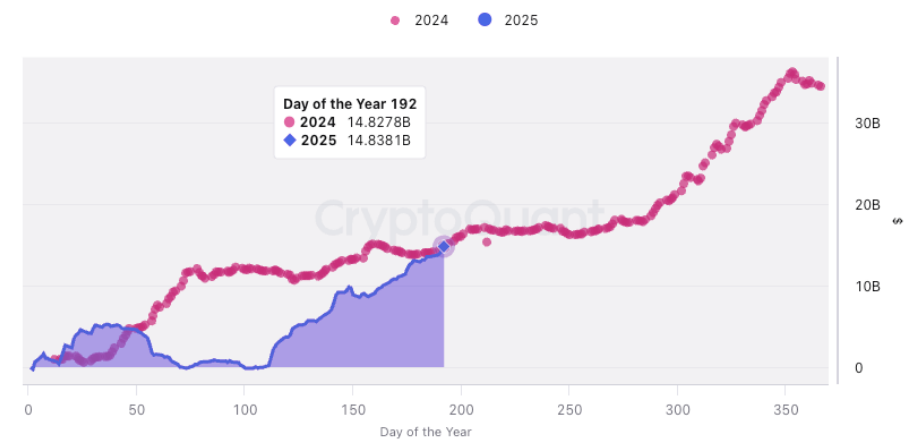
- Institutional involvement in Bitcoin continues to expand, especially through ETFs and custody services.
- Regulatory clarity, including debate around the CLARITY Act, is becoming central to industry growth.
- The convergence of Wall Street capital and blockchain infrastructure signals a structural transformation in global finance.
Introduction: From Skepticism to Ownership
In a development that underscores the accelerating institutional normalization of digital assets, Goldman Sachs CEO David Solomon has publicly confirmed that he personally holds Bitcoin—albeit in a small amount. Speaking at the World Liberty Forum 2026 in Florida, Solomon stated, “I’m still trying to understand how Bitcoin moves. I personally own a little bit of Bitcoin. Just a little.”
For a chief executive once associated with cautious skepticism toward cryptocurrencies, this admission carries symbolic weight. It reflects not merely a personal allocation decision but a broader signal: the world’s most established financial institutions are no longer standing on the sidelines of digital assets. Instead, they are gradually integrating Bitcoin into the architecture of global capital markets.
This moment is not isolated. It comes amid accelerating ETF inflows, corporate treasury allocations, regulatory reform debates, and the expansion of digital asset infrastructure across both public and private financial sectors.
Goldman Sachs and Bitcoin: A Historical Shift
Goldman Sachs has long been a central pillar of traditional finance—advising on mergers and acquisitions, underwriting securities, and managing trillions in assets. Solomon himself stated in July 2024 that Bitcoin was “a speculative investment without a clear use case,” while simultaneously acknowledging its potential as a store of value.
His recent statement does not represent a dramatic ideological reversal. Instead, it represents something more pragmatic: cautious participation.
Institutional behavior typically follows a predictable pattern:
- Skepticism
- Observation
- Controlled exposure
- Structured integration
Goldman Sachs appears to be moving from phase two into phase three.
The firm already offers Bitcoin-related derivatives trading and provides exposure to clients via ETFs and structured products. The CEO’s personal ownership, even in small quantity, reinforces a key reality: Bitcoin is no longer dismissed outright by the highest levels of financial leadership.
Institutional Bitcoin Adoption: The Bigger Picture
To understand the significance of Solomon’s remarks, one must view them within the broader institutional context.
1. Spot Bitcoin ETFs
The approval and growth of spot Bitcoin ETFs in the United States fundamentally altered market access. Billions of dollars have flowed into these products, creating a regulated bridge between traditional brokerage accounts and Bitcoin exposure.
This has:
- Reduced custody complexity for institutions
- Improved liquidity
- Lowered perceived regulatory risk
- Encouraged pension funds and asset managers to explore allocations
2. Treasury Allocations
Corporations increasingly evaluate Bitcoin as a balance sheet hedge against inflation and currency debasement. While allocations vary in size, the strategic rationale centers on asymmetric upside combined with fixed supply.
3. Custody Infrastructure
Institutional-grade custody solutions—cold storage, insurance-backed vaults, and regulated custodians—have matured significantly. This reduces operational barriers for banks and funds.
4. Market Maturation
Volatility remains, but Bitcoin’s market depth and derivatives markets (futures and options) now rival major commodity markets in sophistication.
Regulation: The CLARITY Debate and Rule-Based Systems
At the forum, Solomon aligned himself with U.S. Treasury Secretary Scott Bessent regarding the importance of regulatory clarity. The debate surrounding the CLARITY Act highlights a core institutional concern: markets require rule-based frameworks.
Solomon emphasized that businesses cannot operate sustainably without codified systems. He bluntly stated that those seeking to operate outside rule-based environments might consider relocating to El Salvador—echoing comments from Bessent.
This regulatory discussion is critical.
For institutional capital, regulation is not a barrier; it is an enabler.
Clear frameworks provide:
- Legal certainty
- Investor protection
- Compliance infrastructure
- Capital market integration
Without regulatory clarity, large-scale pension and sovereign capital cannot enter digital asset markets confidently.
Bitcoin as Digital Gold: Store of Value Narrative
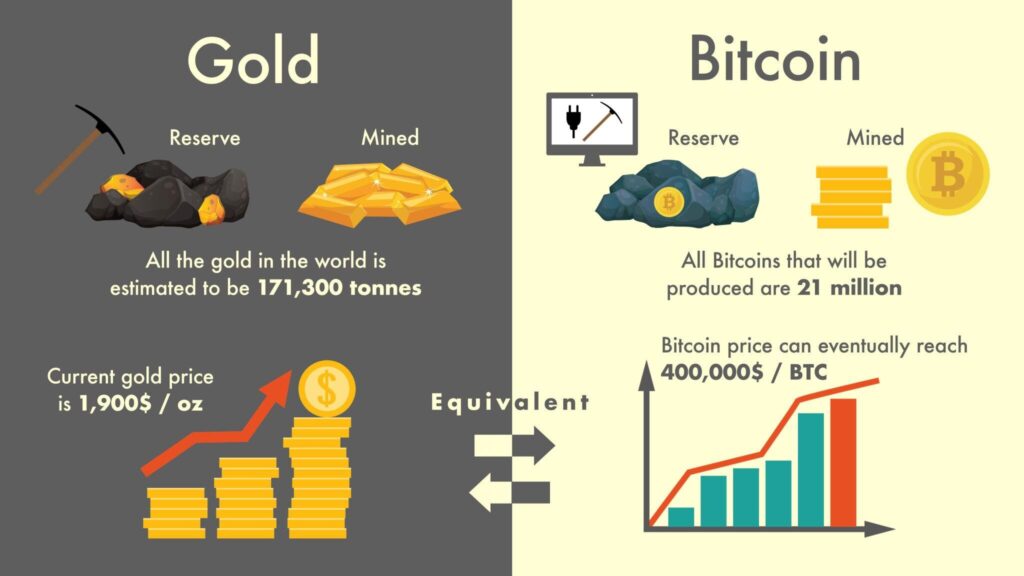
Solomon previously described Bitcoin as potentially serving as a store of value. This framing remains central to institutional adoption.
Bitcoin’s defining characteristics include:
- Fixed supply of 21 million coins
- Decentralized issuance
- Global liquidity
- Censorship resistance
- High portability
Compared to gold:
| Feature | Gold | Bitcoin |
|---|---|---|
| Supply | Expanding (mining) | Fixed at 21M |
| Transport | Physical logistics | Digital transfer |
| Divisibility | Limited | Highly divisible |
| Settlement Speed | Slow | Near-instant globally |
As global debt levels rise and fiat currency debasement concerns persist, Bitcoin increasingly functions as a macro hedge for sophisticated investors.
Implications for Crypto Entrepreneurs and Builders
For readers seeking new revenue opportunities and blockchain applications, this institutional shift has direct implications.
1. Infrastructure is the Real Opportunity
As banks enter crypto, demand for:
- Compliance tools
- Risk analytics
- Custody solutions
- On-chain monitoring
- Regulatory reporting systems
will expand significantly.
2. Tokenization of Real-World Assets (RWA)
Traditional banks are exploring tokenized bonds, equities, and private credit instruments on blockchain rails. This could create multi-trillion-dollar on-chain asset markets.
3. Stablecoin Growth
Institutional participation increases demand for regulated stablecoins for settlement and treasury management.
4. Institutional DeFi
Permissioned DeFi platforms tailored for compliant institutions are emerging as a hybrid model between traditional finance and decentralized infrastructure.
Price Context (All Figures in USD)
While Solomon declined to position himself as a Bitcoin forecaster, price movements remain central to institutional narrative.
Bitcoin has fluctuated between approximately $60,000 and $72,000 in recent months, encountering resistance near $73,000. Volatility persists, but long-term adoption trends remain intact.
Ethereum trades near the $2,000–$2,200 range, while alternative Layer-1 assets like Solana continue building ecosystem traction.
For institutional investors, price volatility is secondary to long-term integration into financial architecture.
Structural Convergence: Wall Street Meets Blockchain
We are witnessing a structural convergence:
- Traditional banks offering crypto services
- Crypto firms seeking regulatory approval
- Governments drafting digital asset legislation
- Asset managers launching tokenized funds
This is not a speculative bubble narrative. It is infrastructure convergence.
When a Goldman Sachs CEO personally owns Bitcoin—even symbolically—it signals that digital assets are entering the realm of normalized portfolio components rather than fringe speculation.
Risks Remain
Despite institutional expansion, risks persist:
- Regulatory fragmentation across jurisdictions
- Custody security risks
- Market manipulation concerns
- Liquidity shocks
- Macroeconomic tightening cycles
Sophisticated allocation requires risk-adjusted modeling rather than ideological commitment.
Conclusion: Symbolism and Structural Momentum
David Solomon’s admission that he holds a small amount of Bitcoin may appear minor in isolation. Yet symbolically, it marks another milestone in the legitimization of digital assets within global finance.
Bitcoin is no longer simply an outsider asset class. It is increasingly a component of institutional portfolio consideration.
For investors, entrepreneurs, and builders:
- Regulatory clarity will define the next phase.
- Infrastructure businesses may outperform pure speculation.
- Institutional capital will demand transparency and compliance.
- Blockchain’s practical applications will determine long-term value creation.
The era of dismissal has ended. The era of structured integration has begun.
