

Key Points :
- Gemini achieved $179.6M annual revenue (+26% YoY) despite declining trading volume
- Q4 revenue reached $60.3M (+39% YoY) — highest in three years
- Workforce reduced by ~30% in early 2026 due to aggressive AI adoption
- AI now contributes to 40%+ of production code, targeting near 100%
- Major executive reshuffle signals deep structural reform
- Withdrawal from UK, EU, and Australia to refocus on the U.S. market
- Launch of Gemini Predictions reflects expansion into new financial verticals
- Estimated $600M net loss in 2025 drives urgency toward “Gemini 2.0” transformation
1. A Paradox: Rising Revenue Amid Declining Trading Volume
Gemini, the U.S.-based cryptocurrency exchange founded by Cameron and Tyler Winklevoss, released its full-year 2025 financial results alongside its Q4 report. At first glance, the numbers present a paradox that reflects broader structural changes in the crypto industry.
On one hand, Gemini reported annual revenue of approximately $179.6 million, representing a 26% year-over-year increase. Even more notable, Q4 revenue surged to $60.3 million, marking a 39% increase compared to the same period in 2024 and achieving the company’s strongest quarterly performance in three years.
However, beneath this growth lies a contrasting metric: trading volume declined sharply. In Q4, Gemini recorded $11.5 billion in trading volume, a 30% drop from the previous quarter. This divergence between revenue and trading activity suggests a shift in monetization strategies—potentially toward higher-margin services, improved fee structures, or alternative revenue streams beyond traditional spot trading.
This trend aligns with a broader industry evolution where exchanges are increasingly diversifying their business models. Rather than relying solely on transaction fees, platforms are exploring staking, custody, derivatives, and even prediction markets to stabilize revenue.
2. AI as a Core Operating Model: 30% Workforce Reduction
Perhaps the most striking development in Gemini’s report is its aggressive integration of artificial intelligence into core operations.
The company disclosed that it reduced its workforce by approximately 30% at the beginning of 2026, attributing this move directly to productivity gains driven by AI tools. According to the Winklevoss twins, AI has increased engineering productivity “by an order of magnitude,” fundamentally altering how the organization operates.
Currently, over 40% of Gemini’s production code involves AI assistance, with a roadmap targeting near-total AI integration. This is not merely a cost-cutting measure—it represents a structural transformation in how fintech companies build, deploy, and maintain systems.
Implications for the Industry
- Lean teams, higher output: Smaller teams can now deliver faster development cycles
- Cost compression: Reduced payroll expenses directly improve operating margins
- Competitive pressure: Exchanges that fail to adopt AI may struggle to keep pace
This mirrors a growing trend across the tech sector, where AI is not just augmenting workflows but redefining organizational design. For crypto exchanges—already operating in highly competitive, low-margin environments—this shift could determine long-term survival.
[“AI-Driven Cost Structure Transformation in Crypto Exchanges”]
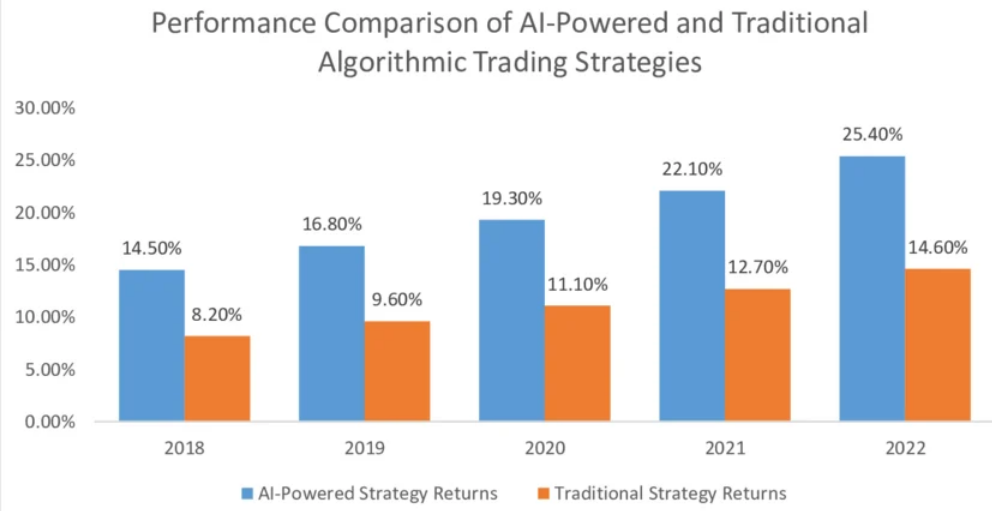
Image Description Suggestion:
A comparative diagram showing traditional exchange cost structure (large workforce, slower output) vs AI-driven model (smaller workforce, higher efficiency, lower cost base).
3. Leadership Shake-Up and Structural Reform
In parallel with operational changes, Gemini underwent a significant leadership overhaul. On February 17, 2026, the company announced the simultaneous departure of three key executives:
- Chief Operating Officer (COO)
- Chief Financial Officer (CFO)
- Chief Legal Officer (CLO)
Notably, the COO role was eliminated entirely, signaling a move toward a more centralized and streamlined decision-making structure. Cameron Winklevoss has since taken direct control of revenue operations.
Such sweeping executive changes are rarely cosmetic. They typically indicate deep structural issues or strategic pivots, and in Gemini’s case, both appear to be true.
The company is reportedly facing an estimated net loss of $600 million for 2025, underscoring the urgency of its transformation efforts
4. Strategic Retrenchment: Exiting Global Markets
Another major pillar of Gemini’s restructuring is its withdrawal from several international markets, including:
- United Kingdom
- European Union
- Australia
This decision reflects a deliberate shift toward geographic focus, with the United States becoming the company’s primary battleground.
Why Retreat?
Several factors likely influenced this move:
- Regulatory complexity: Europe and Australia have introduced increasingly stringent crypto regulations
- Cost of compliance: Maintaining licenses across multiple jurisdictions is resource-intensive
- Market fragmentation: Local competitors and varying user behaviors reduce scalability
By consolidating its efforts in the U.S., Gemini aims to optimize regulatory alignment and operational efficiency, even at the cost of reduced global presence.
This strategy contrasts with competitors like Coinbase, which continue to pursue international expansion. The divergence highlights a key strategic debate in the industry: global scale vs. focused dominance.
5. The Rise of Prediction Markets: Gemini Predictions
In December 2025, Gemini launched a new platform called “Gemini Predictions,” signaling its entry into the rapidly growing prediction market sector.
By the end of February 2026:
- Over 15,000 users had participated in trading
- The number of listed contracts increased by over 350% month-over-month
Prediction markets allow users to speculate on the outcomes of real-world events—ranging from elections to economic indicators—effectively blending finance, data, and crowd intelligence.
Why This Matters
- New revenue stream: Expands beyond traditional crypto trading
- User engagement: Gamified finance attracts a broader audience
- Data monetization: Market probabilities can serve as valuable predictive signals
This move positions Gemini at the intersection of crypto and “information markets,” a sector gaining traction as decentralized platforms like Polymarket gain visibility.
[“Growth of Prediction Markets vs Traditional Crypto Trading”]
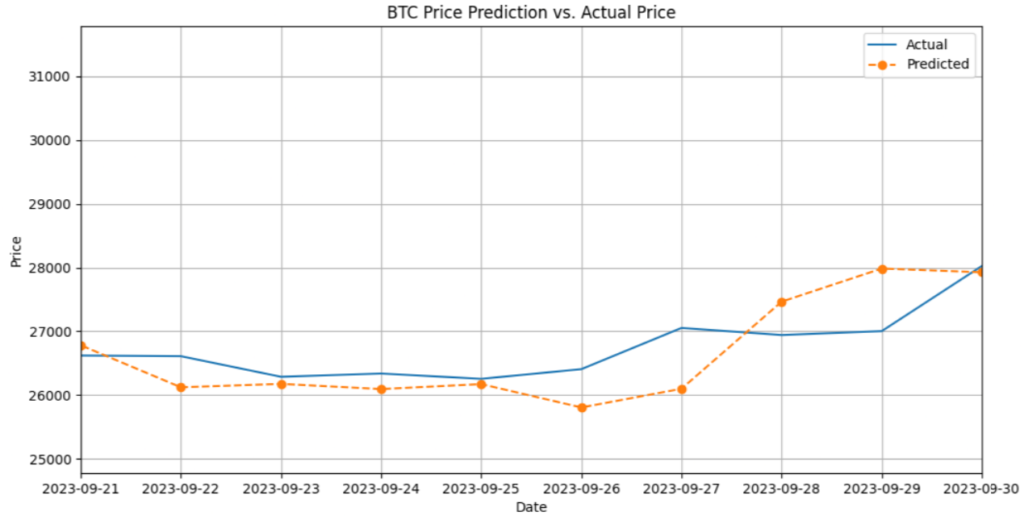
Image Description Suggestion:
A line graph comparing declining spot trading volumes vs rising user engagement in prediction markets.
6. Toward a “Super App”: Crypto Meets Traditional Finance
The Winklevoss twins described 2025 as “the end of Gemini 1.0” and 2026 as the beginning of “Gemini 2.0.” At the heart of this transformation is an ambitious vision: building a financial super app.
This concept involves integrating multiple services into a single platform, including:
- Cryptocurrency trading
- Prediction markets
- U.S. equities
- Potentially payments and lending
The goal is to create a unified ecosystem where users can manage all financial activities seamlessly.
Industry Context
This strategy mirrors broader fintech trends:
- Robinhood expanding into crypto and retirement accounts
- Binance offering a wide range of financial products
- Super apps in Asia (e.g., Grab, Alipay) integrating finance, payments, and services
For Gemini, the super app model could provide:
- Cross-selling opportunities
- Higher user lifetime value (LTV)
- Reduced reliance on volatile trading fees
[“Gemini 2.0 Super App Ecosystem Architecture”]
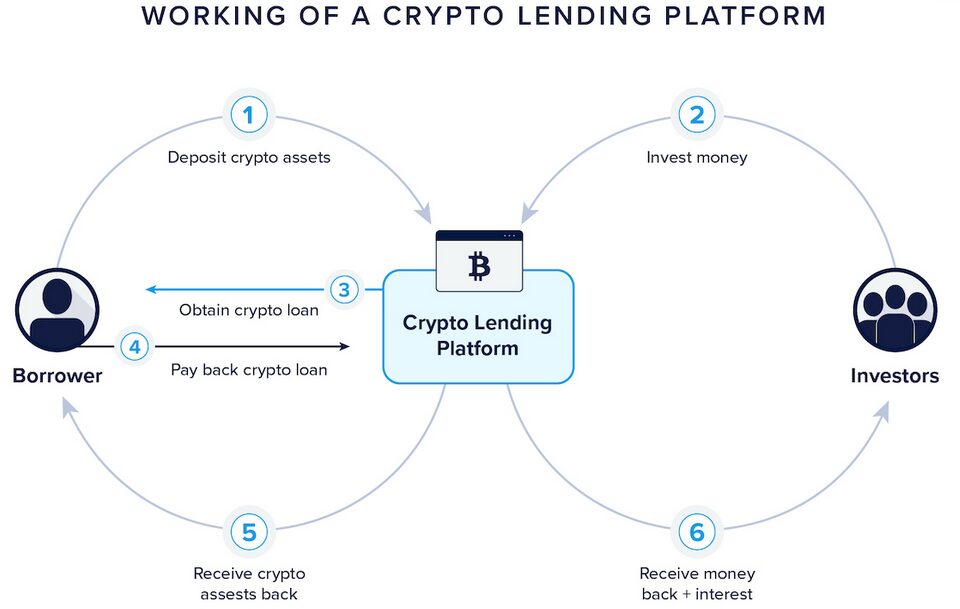
Image Description Suggestion:
A hub-and-spoke diagram showing Gemini as the core platform connected to crypto trading, prediction markets, equities, payments, and AI infrastructure.
7. Broader Industry Trends: Efficiency, Consolidation, and Hybrid Finance
Gemini’s transformation is not occurring in isolation. It reflects several macro trends shaping the crypto and fintech landscape:
1. AI-Driven Efficiency
Across the industry, companies are leveraging AI to reduce costs and improve scalability. This is particularly critical in bear or sideways markets where revenue growth is constrained.
2. Market Consolidation
Exchanges are exiting less profitable regions and focusing on core markets, leading to consolidation and reduced fragmentation.
3. Hybrid Financial Platforms
The line between crypto and traditional finance is blurring. Platforms are increasingly offering both asset classes to capture a wider user base.
4. Alternative Revenue Models
From staking to prediction markets, exchanges are diversifying beyond trading fees to build more resilient business models.
Conclusion: A High-Stakes Transformation
Gemini’s 2025 financial results tell a story of contradiction and transformation. While revenue growth remains strong, underlying challenges—including declining trading volumes and significant losses—have forced the company into a bold strategic reset.
By embracing AI, restructuring leadership, exiting complex international markets, and expanding into new financial verticals, Gemini is attempting to reinvent itself as a leaner, more diversified platform.
The success of “Gemini 2.0” will depend on execution. If the company can effectively integrate AI, capture new revenue streams, and deliver on its super app vision, it may emerge as a stronger, more resilient player in the evolving financial ecosystem.
However, the risks are equally significant. Reduced global presence, reliance on emerging product categories, and ongoing financial pressures mean that the coming years will be निर्णative.
For investors and builders alike, Gemini’s trajectory offers a valuable case study: the future of crypto exchanges will not be defined by trading alone, but by their ability to evolve into comprehensive financial platforms powered by AI and innovation.
