
Main Points :
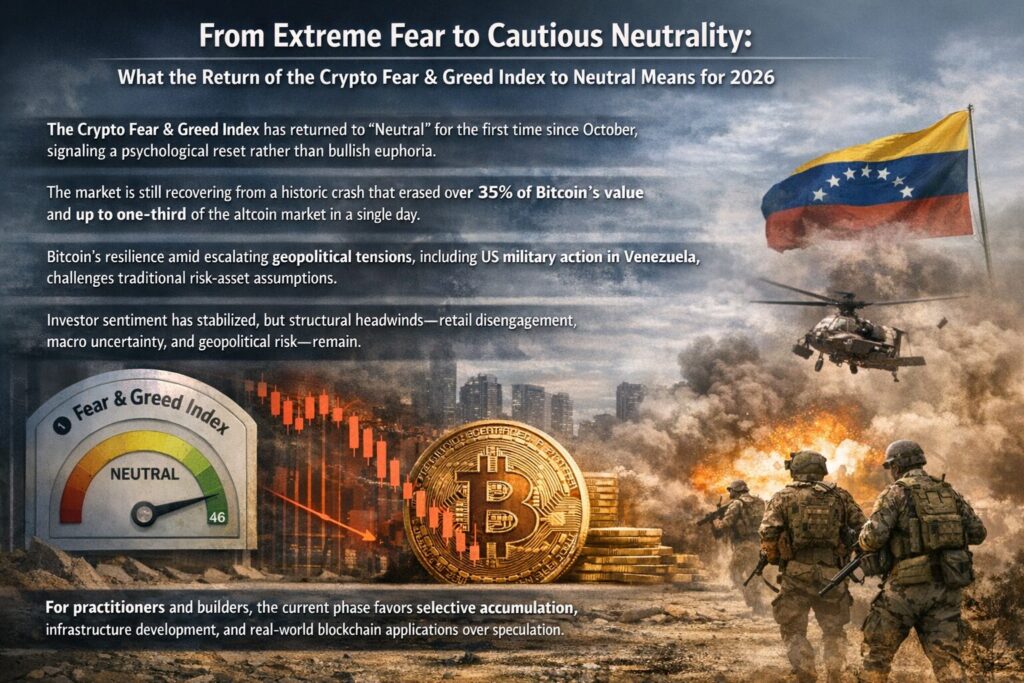
- The Crypto Fear & Greed Index has returned to “Neutral” for the first time since October, signaling a psychological reset rather than bullish euphoria.
- The market is still recovering from a historic crash that erased over 35% of Bitcoin’s value and up to one-third of the altcoin market in a single day.
- Bitcoin’s resilience amid escalating geopolitical tensions, including the US military action in Venezuela, challenges traditional risk-asset assumptions.
- Investor sentiment has stabilized, but structural headwinds—retail disengagement, macro uncertainty, and geopolitical risk—remain.
- For practitioners and builders, the current phase favors selective accumulation, infrastructure development, and real-world blockchain applications over speculation.
1. A Psychological Turning Point: Fear Gives Way to Neutrality
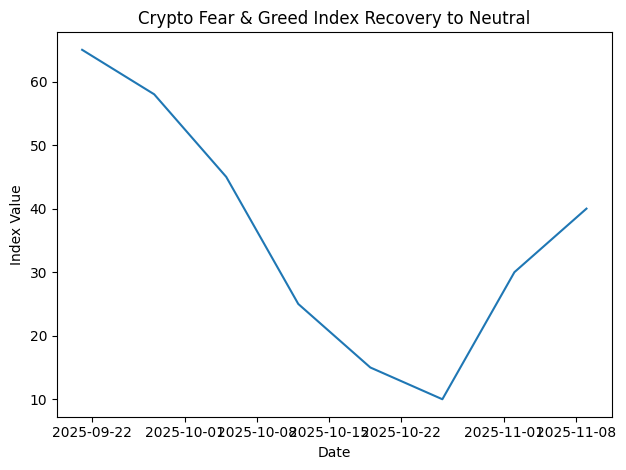
The Crypto Fear & Greed Index, published by CoinMarketCap, shifted back into “Neutral” territory (40) on Sunday, marking the first such reading since October. While this may appear modest on the surface, it represents a meaningful psychological inflection point for the digital asset market.
Unlike bullish spikes driven by hype or leverage, neutrality reflects balance. Investors are no longer dominated by panic selling, yet they are not displaying the overconfidence that typically precedes speculative excess. Historically, such neutral zones often emerge after markets digest major shocks and before a new directional trend forms.
Importantly, this is not a return to optimism—it is a return to rationality.
2. Context Matters: Remembering the 2025 Crypto Market Crash
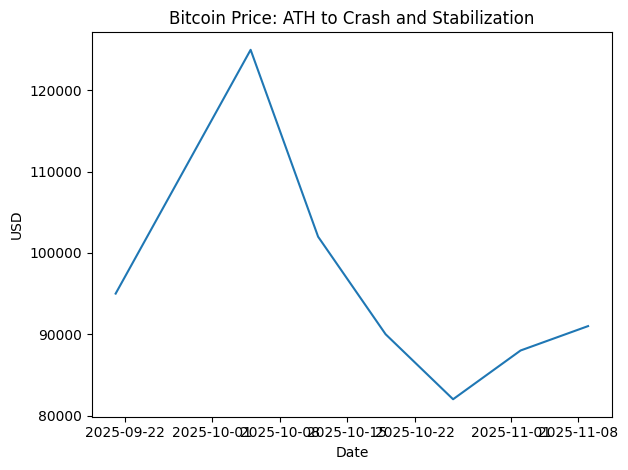
To understand why neutrality matters, one must revisit the events of late 2025. In October, the crypto market experienced a historic collapse that abruptly ended what had been one of the strongest bull runs on record.
Bitcoin had reached an all-time high above $125,000, only to plunge to approximately $80,000 within days—a decline of roughly 35%. This alone would have been significant, but the damage to the broader market was far more severe.
The altcoin market excluding Bitcoin and Ethereum lost nearly 33% of its total market capitalization in a single day. Many smaller tokens effectively collapsed overnight, wiping out months—or years—of speculative gains.
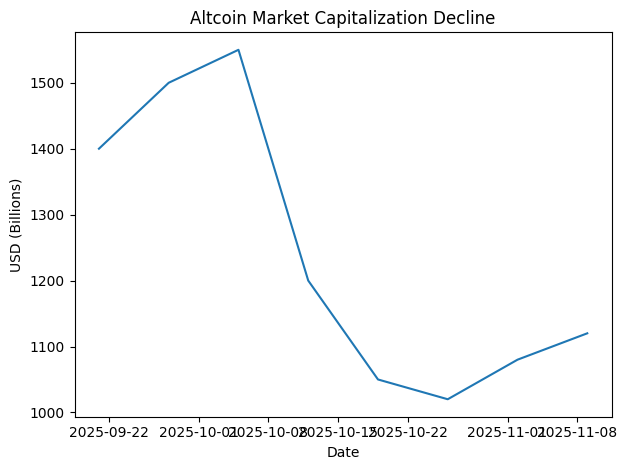
By November, the Fear & Greed Index had fallen to 10, its lowest level of 2025, signaling “Extreme Fear.” This level historically aligns with forced liquidations, capitulation, and the exit of weak hands.
3. Why Neutral Is Not Bullish—and Why That’s Healthy
The return to neutral sentiment should not be mistaken for bullish confirmation. Instead, it suggests that:
- Panic selling has largely subsided
- Leverage has been flushed from the system
- Market participants are reassessing risk rather than chasing momentum
From a structural standpoint, this phase is often where long-term positioning begins, particularly among institutions, infrastructure builders, and capital allocators focused on fundamentals rather than short-term price action.
For readers seeking new crypto assets or revenue opportunities, this environment favors:
- Yield strategies grounded in real cash flow
- Infrastructure-layer projects with clear adoption paths
- Asset-backed or settlement-oriented tokens rather than pure narrative plays
4. Bitcoin and Geopolitics: A Break from Traditional Risk Behavior
One of the most striking developments accompanying this sentiment shift was Bitcoin’s behavior amid escalating geopolitical tensions.
Over the weekend, global media focused on a US military attack on Venezuela, confirmed by US President Donald Trump, who announced the successful operation and the detention of Venezuelan President Nicolás Maduro.
Traditionally, such geopolitical shocks trigger risk-off behavior, leading to sharp sell-offs across equities, commodities, and high-volatility assets. Yet Bitcoin defied this pattern.
Despite the news, Bitcoin:
- Remained stable
- Quickly reclaimed levels above $91,000
- Showed no signs of panic-driven liquidation
This resilience challenges the long-held assumption that cryptocurrencies are merely high-beta risk assets. Instead, Bitcoin increasingly exhibits characteristics of a non-sovereign macro hedge, particularly during events that undermine trust in political or monetary stability.
5. Diverging Analyst Views: Temporary Calm or Structural Shift?
Market analysts remain divided on how to interpret Bitcoin’s response.
One camp argues that:
- The Venezuela incident has limited global economic spillover
- Crypto markets are increasingly decoupled from isolated geopolitical events
- Liquidity conditions matter more than headlines
Another camp urges caution, noting that:
- US traditional markets were closed at the time of the announcement
- Monday’s reopening could trigger broader risk repricing
- Correlation effects may lag rather than appear instantly
This divergence itself reinforces the meaning of a neutral sentiment reading: uncertainty, not conviction, defines the current market.
6. Altcoins: Still in Recovery Mode
While Bitcoin has demonstrated resilience, the altcoin sector remains fragile.
Many projects that lost 50–90% of their value during the crash have not meaningfully recovered. Venture funding has slowed, retail participation remains muted, and only tokens with:
- Clear revenue models
- Regulatory compatibility
- Institutional integration paths
are attracting sustained interest.
For builders and operators, this environment rewards utility over hype—payments, settlement, compliance-friendly DeFi, tokenized real-world assets, and cross-border infrastructure.
7. Strategic Implications for 2026: How to Position from Neutral
As the market enters 2026 with stabilized—but cautious—sentiment, several strategic themes emerge:
- Selective Accumulation
Neutral phases historically offer asymmetric opportunities for disciplined investors. - Infrastructure First
Wallets, compliance tooling, on-chain analytics, and payment rails are gaining relevance over speculative tokens. - Regulatory Alignment as Alpha
Projects designed for EMI, VASP, and institutional compliance are better positioned than offshore gray-zone experiments. - Bitcoin as a Strategic Asset
Increasing evidence supports Bitcoin’s role beyond speculation—treasury reserve, hedge, and settlement layer.
8. Conclusion: Neutral Is the Foundation, Not the Destination
The Crypto Fear & Greed Index returning to neutral does not signal the next bull market—yet. Instead, it marks the end of emotional extremes and the re-emergence of rational decision-making.
For those seeking the next wave of opportunity in crypto, this is not a time for chasing narratives, but for building, positioning, and aligning with real-world demand. Markets driven by fear collapse quickly; markets rebuilt from neutrality endure.
The foundation for the next cycle is being laid—not in excitement, but in discipline.
