Key Takeaways :
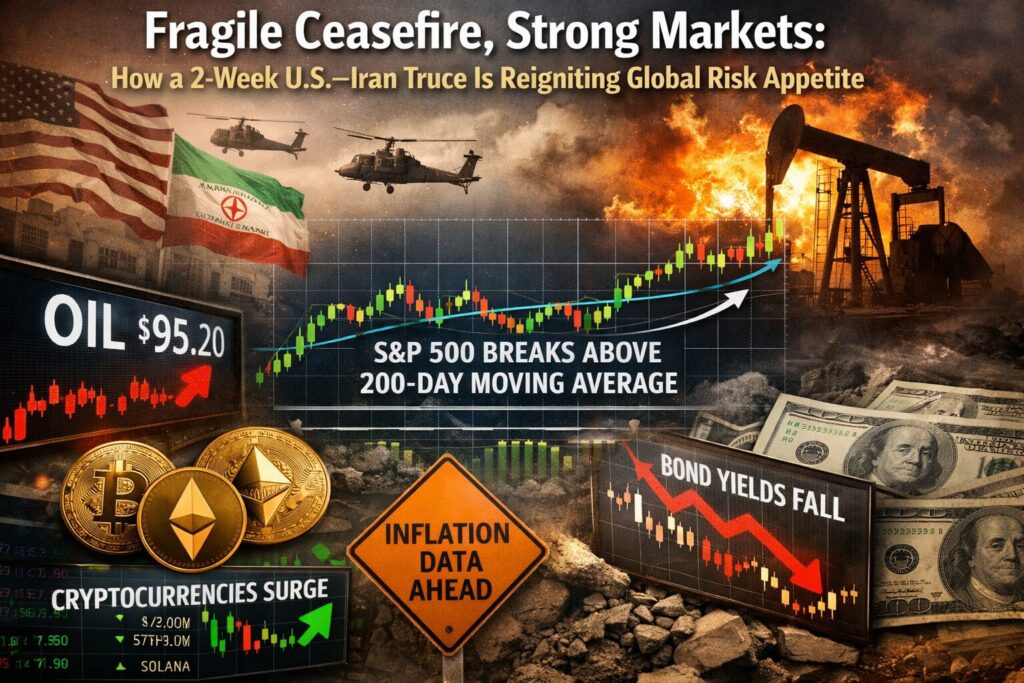
- A fragile 2-week ceasefire between the United States and Iran has triggered a sharp global shift toward “risk-on” sentiment.
- Equity markets surged, with the S&P 500 breaking above its 200-day moving average for the first time in weeks.
- Oil volatility remains extreme: prices plunged below $95 before rebounding amid ongoing geopolitical uncertainty.
- The U.S. dollar weakened while bond yields declined, reflecting renewed expectations of rate cuts.
- Cryptocurrencies—including Bitcoin, Ethereum, Solana, and XRP—are rising in tandem with equities, signaling strong macro correlation.
- The upcoming U.S. PCE inflation data will be critical in determining whether this rally is sustainable.
1. A Fragile Ceasefire Ignites Global Risk-On Sentiment
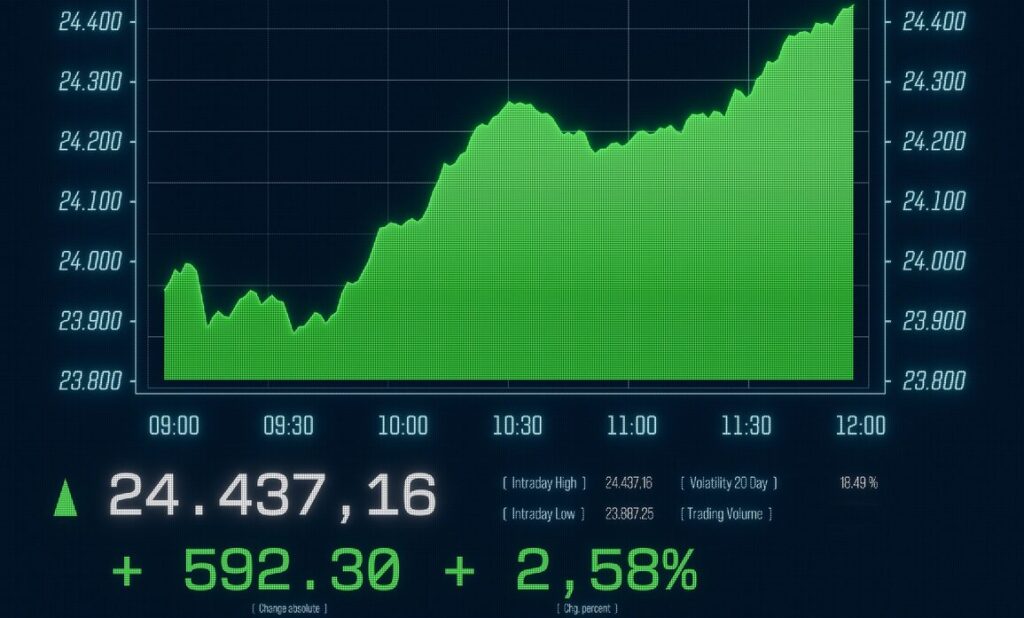
The announcement of a two-week ceasefire between the United States and Iran—reportedly brokered by Pakistan—has dramatically altered global market sentiment. Prior to the agreement, markets were pricing in escalating geopolitical risk, particularly around the Strait of Hormuz, a critical artery for global oil supply.
The ceasefire, however fragile, triggered a rapid unwind of defensive positioning. Investors rotated out of safe-haven assets and into equities, high-beta sectors, and cryptocurrencies. This shift was not merely technical—it reflects a broader recalibration of macro risk assumptions.
The speed of the market reaction highlights how heavily geopolitical risk had been priced into assets. When that risk temporarily subsided, capital flooded back into growth-oriented investments.
However, this optimism rests on shaky foundations. Reports of continued military activity in Lebanon and uncertainty surrounding the first formal negotiation meeting scheduled for April 11 suggest that the ceasefire may be more tactical than structural. Markets, therefore, are entering a phase of “cautious optimism”—a state where upside momentum coexists with latent volatility risk.
2. Equity Markets Surge: A Technical and Psychological Breakout
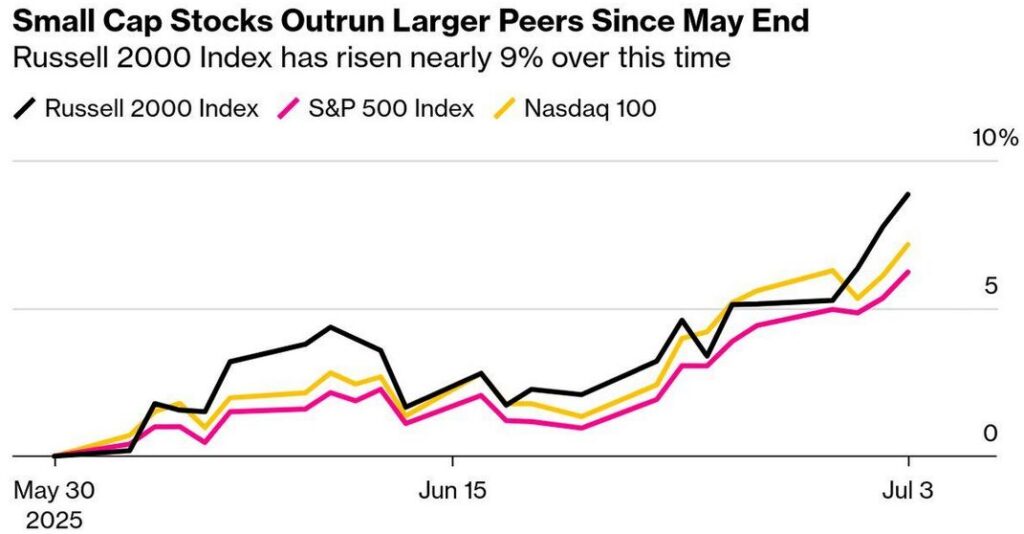
U.S. equities responded with remarkable strength. The S&P 500 surged to approximately $6,782, decisively breaking above its 200-day moving average—a key technical indicator that often signals a transition from bearish to bullish momentum.
This breakout is significant for two reasons:
First, it restores investor confidence in the broader trend. The 200-day moving average is widely followed by institutional investors, and reclaiming it often triggers systematic buying from algorithmic and passive strategies.
Second, the rally was broad-based. Semiconductor stocks, small-cap equities, airlines, travel companies, and housing-related sectors all participated. This breadth suggests that the move is not isolated but reflects a genuine shift in macro expectations.
Japanese equities followed suit, with the Nikkei approaching ¥56,000 (approximately $370), driven by strong momentum in semiconductor-related companies. This reinforces the idea that the rally is global, not localized.
3. Oil Volatility: Collapse, Rebound, and Strategic Implications
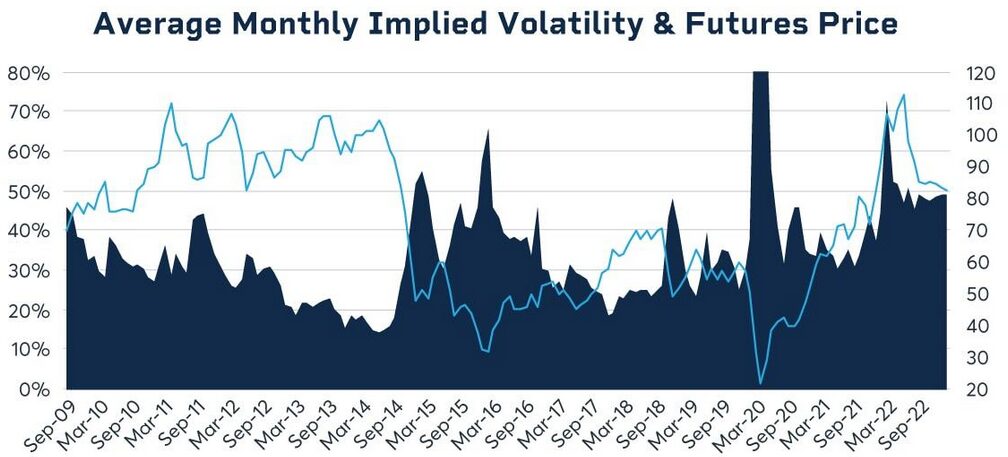

Oil markets experienced one of the most dramatic intraday swings in recent years. WTI crude fell sharply below $95—its largest drop in years—before rebounding toward $97 as concerns about supply disruptions resurfaced.
This volatility reflects a fundamental tension:
- On one hand, the ceasefire reduces the immediate risk of supply shocks.
- On the other, the underlying geopolitical tensions remain unresolved, particularly around the Strait of Hormuz.
For investors, this creates both risk and opportunity. Energy markets are likely to remain highly sensitive to headlines, making them attractive for short-term trading but challenging for long-term positioning.
From a macro perspective, lower oil prices reduce inflationary pressure, which directly impacts monetary policy expectations—a key driver of the current rally.
4. Bonds and the Dollar: Rate Cut Expectations Re-emerge
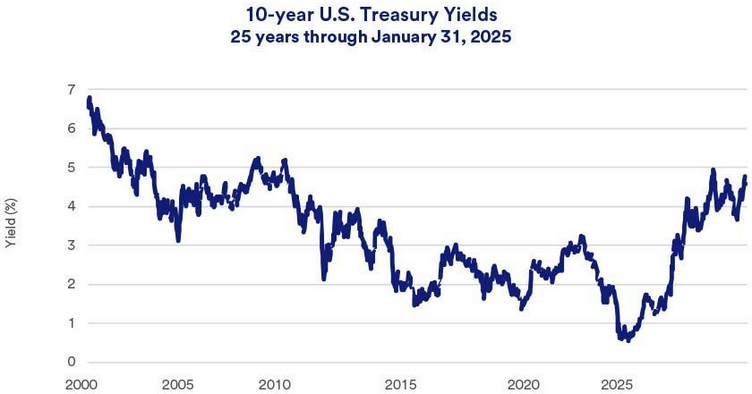
The bond market reacted swiftly to the changing macro landscape. The U.S. 10-year Treasury yield fell to around 4.28%, reflecting reduced inflation expectations driven by declining oil prices.
Simultaneously, the U.S. dollar weakened, erasing much of its year-to-date gains. This is consistent with a “risk-on” environment, where capital flows out of safe-haven currencies and into higher-yielding or growth-oriented assets.
Crucially, the market has begun to price in the possibility of Federal Reserve rate cuts later in the year. This shift is being driven by two factors:
- Lower energy prices reducing headline inflation.
- Growing concerns about the impact of geopolitical instability on economic growth.
However, this narrative remains fragile. Any reversal in oil prices or escalation in geopolitical tensions could quickly reignite inflation fears and push yields higher again.
5. Cryptocurrencies Rise with Macro Tailwinds
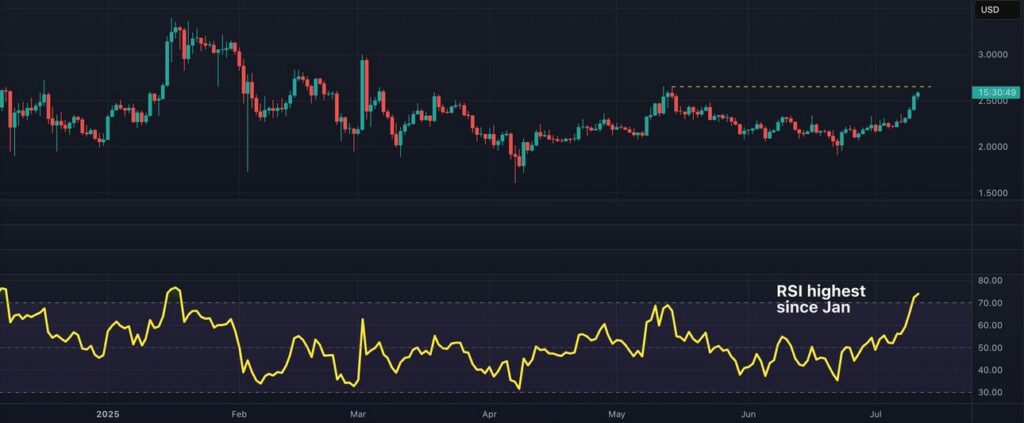
Cryptocurrencies are once again demonstrating their increasing integration with global macro trends.
- Bitcoin rose to approximately $71,000
- Ethereum climbed to around $2,190
- Solana reached $82
- XRP advanced to $1.33
This synchronized movement with equities underscores a critical evolution: cryptocurrencies are no longer behaving purely as alternative assets but are increasingly correlated with broader risk sentiment.
For investors seeking new revenue opportunities, this has several implications:
- Crypto markets can serve as leveraged proxies for macro trends.
- Timing entries based on macro signals (e.g., inflation, oil, rates) is becoming more effective.
- Diversification benefits may be diminishing as correlations increase.
At the same time, structural developments—such as institutional adoption, ETF flows, and on-chain innovation—continue to provide independent drivers of growth.
6. The Critical Role of PCE Inflation Data
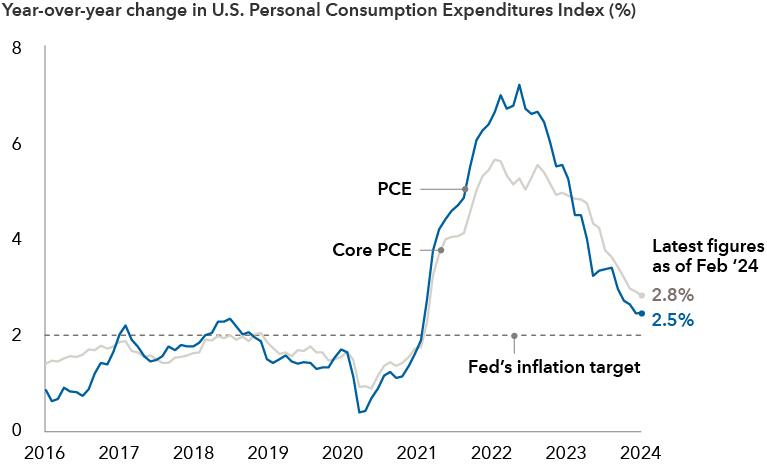
The next major catalyst for markets is the release of the U.S. Personal Consumption Expenditures (PCE) deflator, the Federal Reserve’s preferred measure of inflation.
This data point will play a निर्ण的 role in shaping market expectations:
- A lower-than-expected reading could reinforce the case for rate cuts, extending the current rally.
- A higher reading could challenge the “disinflation” narrative and trigger a reversal in risk assets.
Recent Federal Reserve discussions reveal a divided outlook. Some policymakers are concerned about lingering inflation risks, while others emphasize the potential economic impact of geopolitical instability.
This divergence underscores the uncertainty facing markets—and the importance of incoming data.
7. Strategic Implications for Investors and Builders
The current environment presents a unique combination of opportunity and risk, particularly for those involved in cryptocurrency and blockchain applications.
For Investors
- Monitor macro indicators (oil, yields, inflation) alongside crypto-specific metrics.
- Use volatility as an opportunity for tactical positioning.
- Be cautious of overexposure to correlated assets.
For Builders and Operators
- Increased market activity creates opportunities for transaction-based revenue models.
- Risk-on sentiment can accelerate user acquisition and engagement.
- However, infrastructure must be resilient to sudden reversals in market conditions.
In your context—particularly with EMI/VASP operations and on-chain infrastructure—this environment highlights the importance of:
- Real-time risk monitoring
- Flexible fee structures
- Strong liquidity management
Conclusion: A Rally Built on Uncertainty
The current market rally is both powerful and precarious.
The U.S.–Iran ceasefire has provided a temporary reprieve from geopolitical तनाव, allowing risk assets to rebound sharply. However, the underlying tensions remain unresolved, and the sustainability of the rally will depend on both geopolitical developments and economic data—particularly inflation.
For crypto markets, this moment represents a continuation of a broader trend: increasing integration with global macro dynamics. While this enhances their legitimacy as an asset class, it also exposes them to new forms of volatility.
Ultimately, the key question is not whether the rally will continue—but whether the conditions supporting it can endure.