

Key Takeaways :
- Ethereum’s total staked ETH has reached an all-time high of 35.89 million ETH, representing approximately 29.6% of total supply.
- Rising staking participation is increasingly driven by ETF-related demand and corporate treasury strategies, not only retail validators.
- The disappearance of the validator exit queue suggests renewed confidence in long-term ETH holding.
- Higher staking ratios structurally reduce circulating supply, potentially reinforcing long-term price support.
- Ethereum is evolving from a “smart contract platform” into a yield-bearing base asset within institutional portfolios.
1. A New Milestone for Ethereum Staking
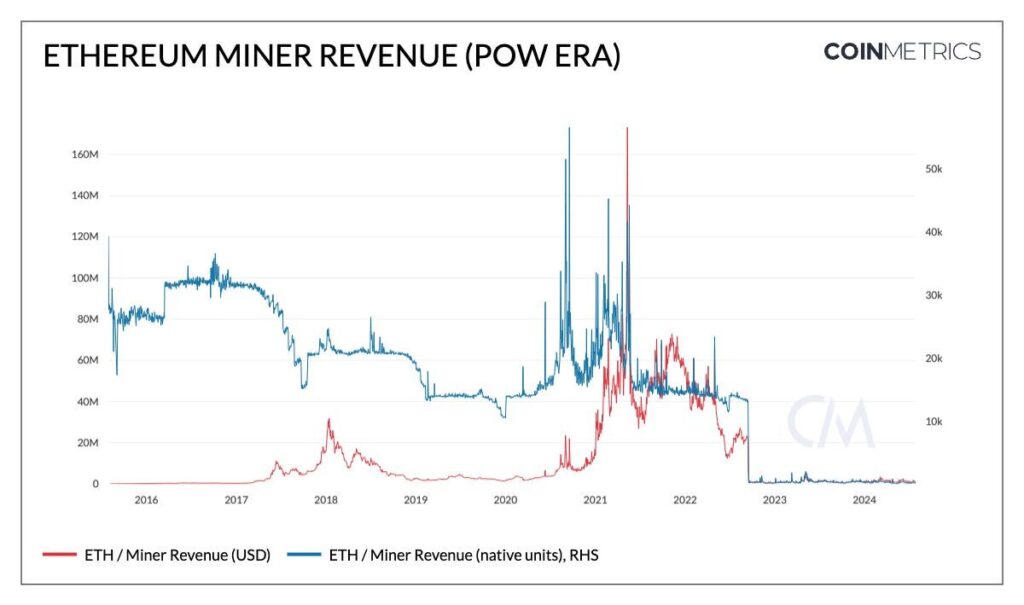
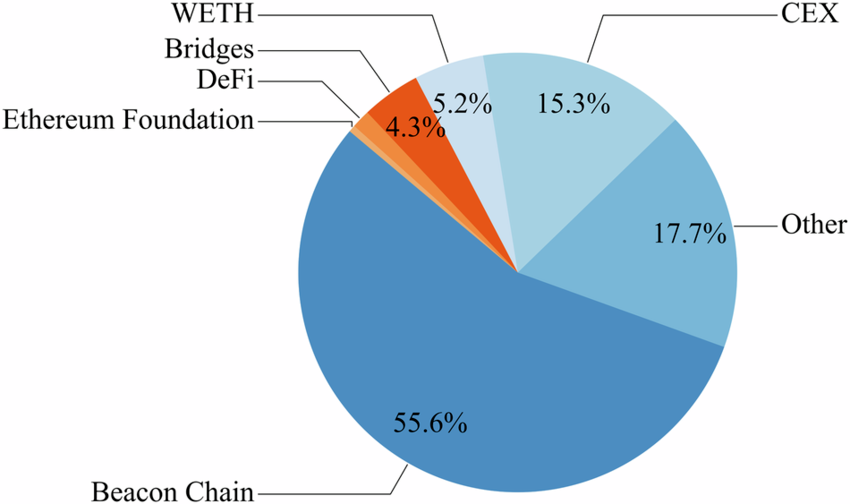
Ethereum has quietly crossed one of its most important structural milestones since transitioning to Proof of Stake. According to data published by Ethereum Validator Queue, the total amount of ETH staked reached 35,891,577 ETH on January 14, marking the highest level ever recorded. This corresponds to 29.57% of Ethereum’s circulating supply, meaning that nearly one-third of all ETH is now locked to secure the network.
While price movements often dominate headlines, this development highlights a deeper transformation occurring beneath the surface. Ethereum is no longer evaluated solely by transaction volume or DeFi activity. Instead, its role as a productive, yield-generating digital asset is becoming central to its valuation narrative.
On January 13, staked ETH briefly declined, but the rebound on January 14 pushed staking balances to a new peak. The rapid recovery indicates that the reduction was likely technical or opportunistic rather than a signal of structural outflows.
2. What Staking Means in Ethereum’s Economic Design
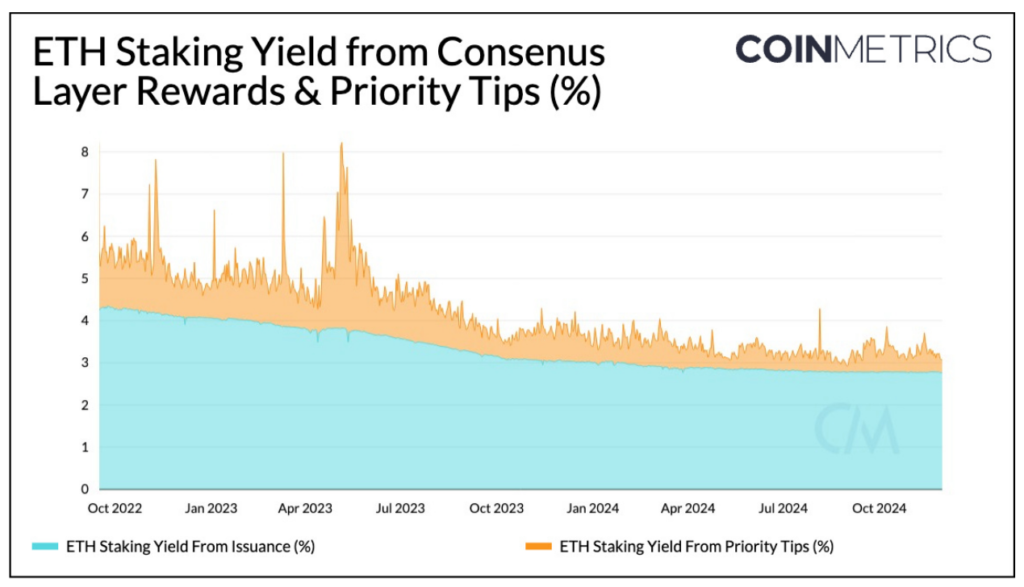
Staking in Ethereum involves depositing ETH to participate in network validation. Validators are rewarded for proposing and attesting to blocks, while dishonest behavior is penalized through slashing. This mechanism aligns security with economic incentives, replacing energy-intensive mining with capital commitment.
From a market perspective, staking performs three critical functions:
- Locks supply, reducing immediate sell pressure
- Generates yield, making ETH comparable to interest-bearing assets
- Encourages long-term holding, strengthening network stability
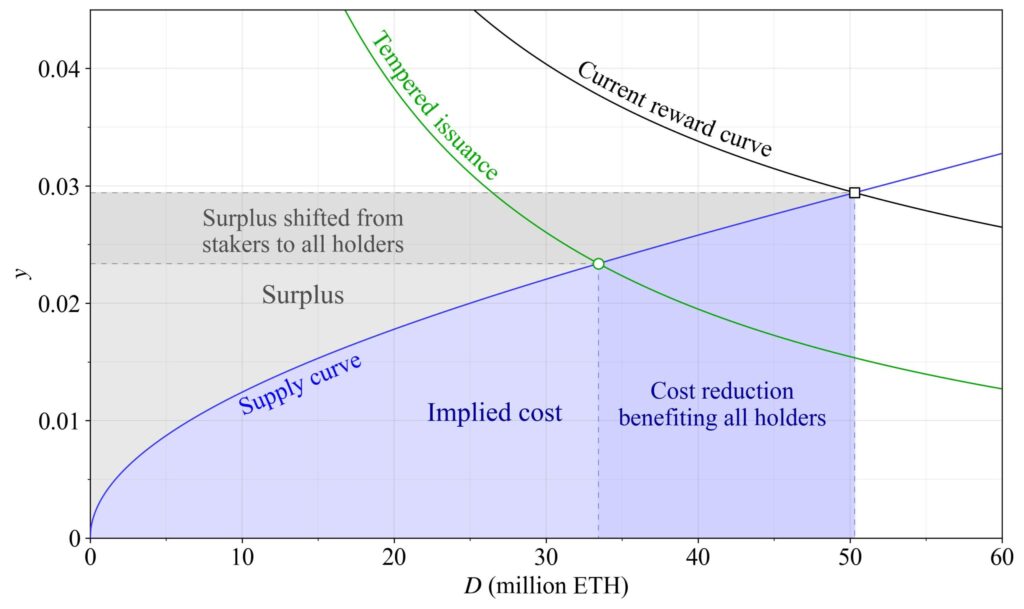
As staking participation increases, Ethereum’s circulating supply becomes structurally constrained. Unlike temporary token locks, staked ETH reflects a voluntary, incentive-driven commitment, often with long investment horizons.
3. The Feedback Loop Between Price and Staking
One reason staking metrics attract attention is their reflexive relationship with price. As more ETH is locked, available supply on exchanges decreases, which can amplify upward price pressure during periods of demand. Rising prices, in turn, improve staking yields in fiat terms, further incentivizing participation.
This positive feedback loop has historically been observed in proof-of-stake networks, but Ethereum’s scale makes it uniquely impactful. With nearly 30% of supply staked, Ethereum is approaching a threshold where liquidity dynamics themselves become a macro factor in price formation.
4. The Disappearance of the Exit Queue: A Signal of Confidence
Another notable development occurred last week: the validator exit queue dropped to zero. This means no ETH was waiting to be withdrawn from staking, a rare occurrence during periods of uncertainty.
The absence of exit demand suggests that validators—both individual and institutional—are choosing to remain locked in, even amid price volatility. Historically, exit queues tend to grow during bearish phases or regulatory uncertainty. Their disappearance points to renewed conviction in Ethereum’s long-term fundamentals.
5. The ETF Effect: Institutional Capital Enters Staking
One of the most significant drivers behind rising staking demand is the evolution of U.S. spot Ethereum ETFs.
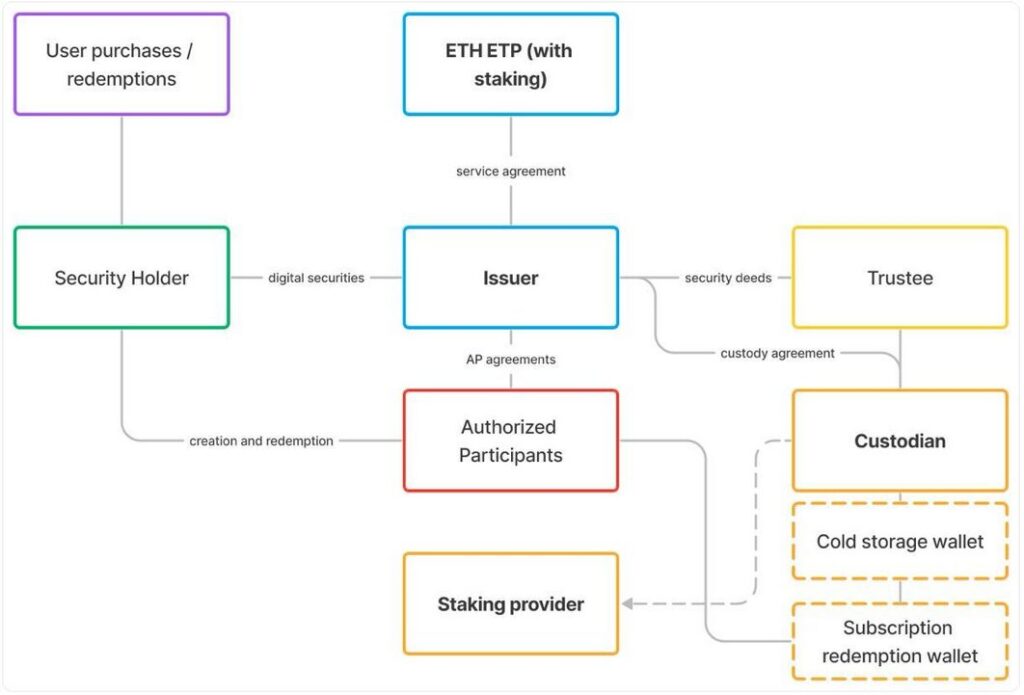
When Ethereum spot ETFs were launched in 2024, staking was intentionally excluded to avoid regulatory classification issues, particularly concerns around securities law. At the time, ETF structures held ETH passively, foregoing staking rewards.
This changed under a more crypto-friendly regulatory environment. Recent regulatory adjustments have allowed ETFs to participate in staking, and staking rewards are now being distributed to investors.
Notably:
- Grayscale began distributing staking rewards from its Ethereum ETF.
- 21Shares followed, officially announcing staking reward distributions last week.
This development effectively transforms Ethereum ETFs from passive price-tracking instruments into yield-bearing investment vehicles, fundamentally altering their attractiveness to institutional allocators.
6. Corporate Treasury Strategies: Ethereum as a Productive Asset
Beyond ETFs, corporate entities are also contributing to the surge in staking. Some companies are no longer content with simply holding ETH on balance sheets; instead, they are actively deploying it to earn yield.
A notable example is BitMine, which announced on January 12 that its staked ETH balance had increased to 1,256,083 ETH, making it the largest known corporate Ethereum holder engaged in staking.
This mirrors earlier Bitcoin treasury strategies but introduces a key difference: Ethereum can generate native yield without rehypothecation or lending risk. For treasurers, staking offers a way to offset holding costs while maintaining exposure to upside price appreciation.
7. Structural Implications for Ethereum’s Supply Dynamics
With nearly 30% of ETH staked, Ethereum’s supply profile now resembles a hybrid between:
- A productive asset (yield-bearing)
- A scarce digital commodity (supply constrained)
Unlike Bitcoin, where supply is fixed and non-productive, Ethereum’s staking model introduces a new valuation dimension. ETH increasingly competes not only with other crypto assets, but also with yield-generating financial instruments, especially in environments where real yields remain attractive.
If staking ratios continue rising toward 35–40%, Ethereum could experience persistent structural tightness in liquid supply, amplifying market sensitivity to incremental demand.
8. Risks and Considerations
Despite its benefits, high staking participation is not without risks:
- Centralization concerns if staking becomes dominated by large institutions
- Liquidity constraints during extreme market stress
- Regulatory uncertainty around staking rewards in certain jurisdictions
However, Ethereum’s diversified validator set and ongoing protocol research—such as improvements to withdrawal mechanics and decentralization incentives—aim to mitigate these risks over time.
9. Conclusion: Ethereum’s Quiet Transformation
Ethereum’s record-breaking staking levels are more than a technical milestone; they reflect a structural shift in how ETH is perceived and used. No longer just fuel for smart contracts, ETH is increasingly treated as a yield-bearing base asset suitable for institutional portfolios, ETFs, and corporate treasuries.
As staking absorbs more supply, Ethereum’s market dynamics are evolving toward reduced volatility on the downside and amplified responsiveness to demand shocks on the upside. For investors seeking new crypto assets, sustainable yield, and practical blockchain utility, Ethereum’s staking economy has become impossible to ignore.
