
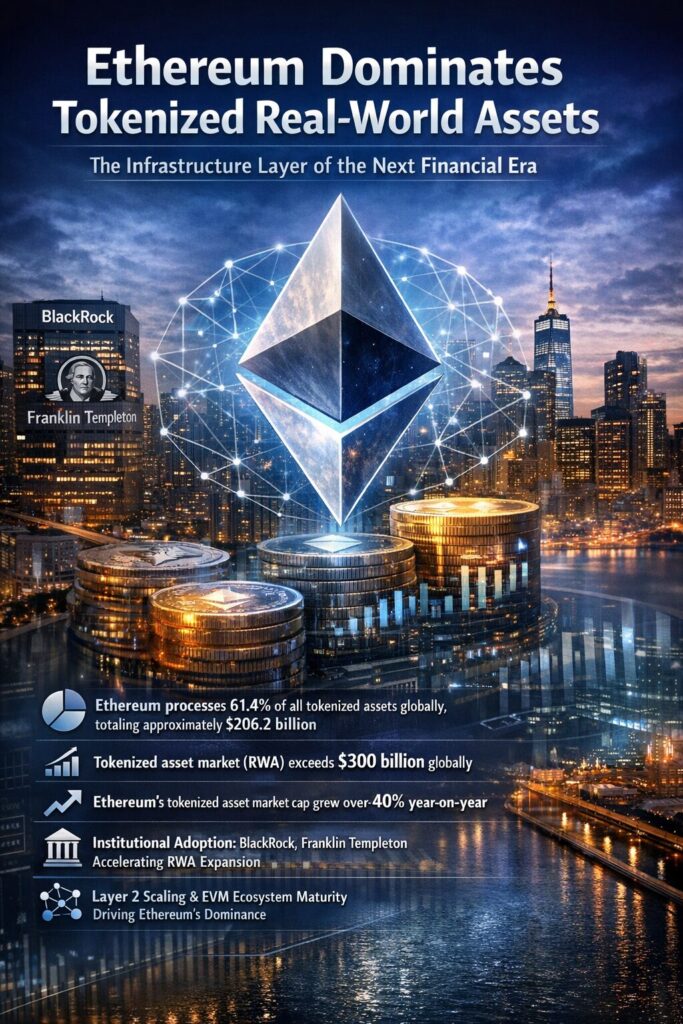
Key Points :
- Ethereum processes 61.4% of all tokenized assets globally, totaling approximately $206.2 billion
- The tokenized asset market (RWA) exceeds $300 billion globally
- Ethereum’s tokenized asset market cap grew over 40% year-on-year
- Institutional adoption (e.g., BlackRock, Franklin Templeton) is accelerating RWA expansion
- Layer 2 scaling and EVM ecosystem maturity are key drivers of Ethereum’s dominance
1. The Rise of Tokenized Assets: A Structural Shift in Finance
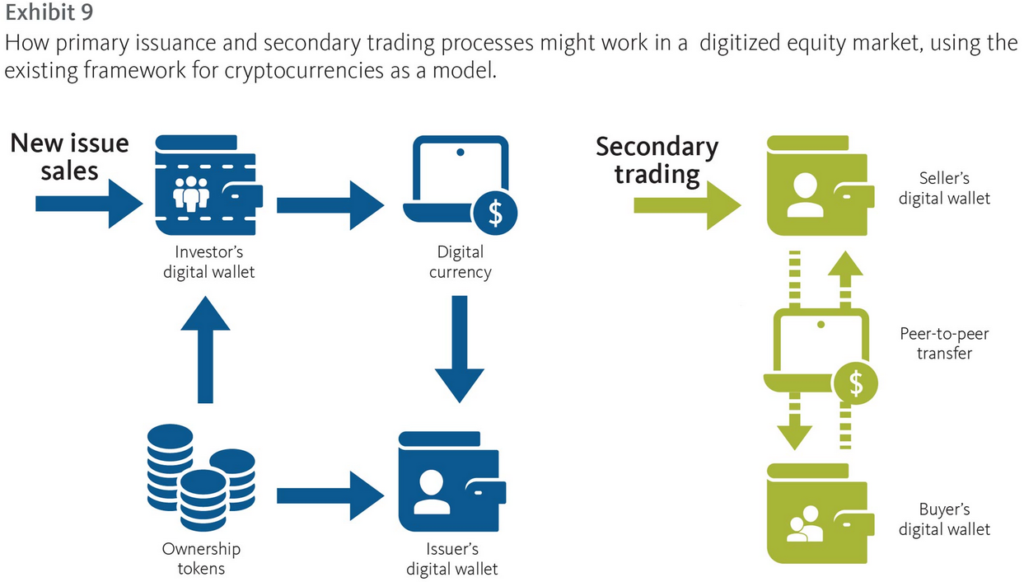
The global financial system is undergoing a fundamental transformation, driven by the tokenization of real-world assets (RWA). Tokenization refers to the process of representing traditional financial instruments—such as government bonds, real estate, equities, and credit instruments—on blockchain networks as digital tokens.
This shift is not merely technological; it represents a re-architecture of financial infrastructure. Traditional systems rely heavily on intermediaries, delayed settlement cycles, and opaque record-keeping. Tokenization introduces programmable ownership, real-time settlement, and transparency—qualities that are particularly attractive to institutional investors.
Recent data published by Token Terminal reveals that Ethereum currently processes 61.4% of all tokenized assets, equivalent to approximately $206.2 billion. This positions Ethereum not just as a blockchain, but as the primary settlement layer for tokenized finance.
The broader RWA market has surpassed $300 billion, and its trajectory suggests exponential growth. This expansion is fueled by a convergence of macroeconomic factors, including rising interest rates, demand for yield-bearing assets, and institutional appetite for blockchain-native financial instruments.
2. Ethereum’s 40% Growth: More Than Just Market Expansion
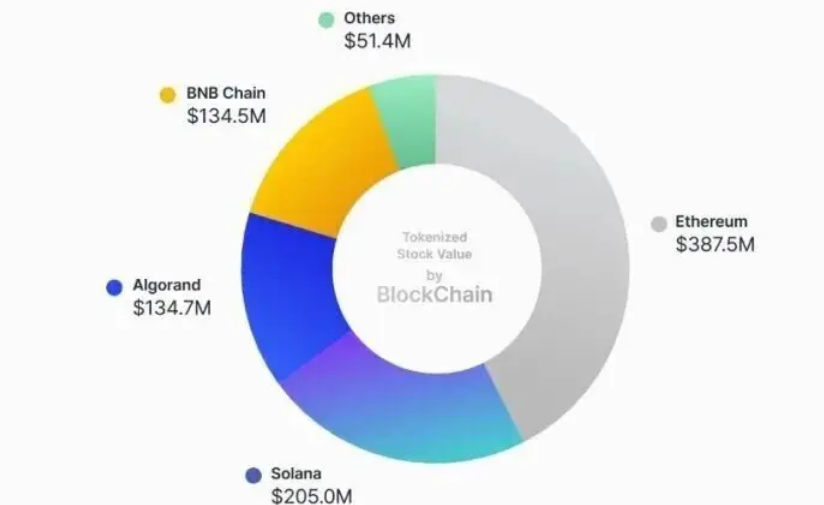
Ethereum’s tokenized asset market has grown over 40% year-on-year, a figure that reflects more than general market expansion—it indicates deepening institutional trust.
Unlike speculative crypto cycles driven by retail sentiment, the RWA sector is anchored in real yield and real assets. For example, tokenized U.S. Treasury products offer stable returns, making them attractive during periods of economic uncertainty.
Major financial institutions such as BlackRock have launched tokenized funds on Ethereum, while Franklin Templeton has developed blockchain-based money market funds. These initiatives signal a broader shift: traditional finance is no longer experimenting with blockchain—it is integrating it into core operations.
Ethereum’s dominance is reinforced by its ability to support these institutional-grade applications. Its smart contract infrastructure enables complex financial logic, including compliance rules, automated interest payments, and on-chain governance.
3. Why Ethereum Leads: Network Effects and Infrastructure Maturity
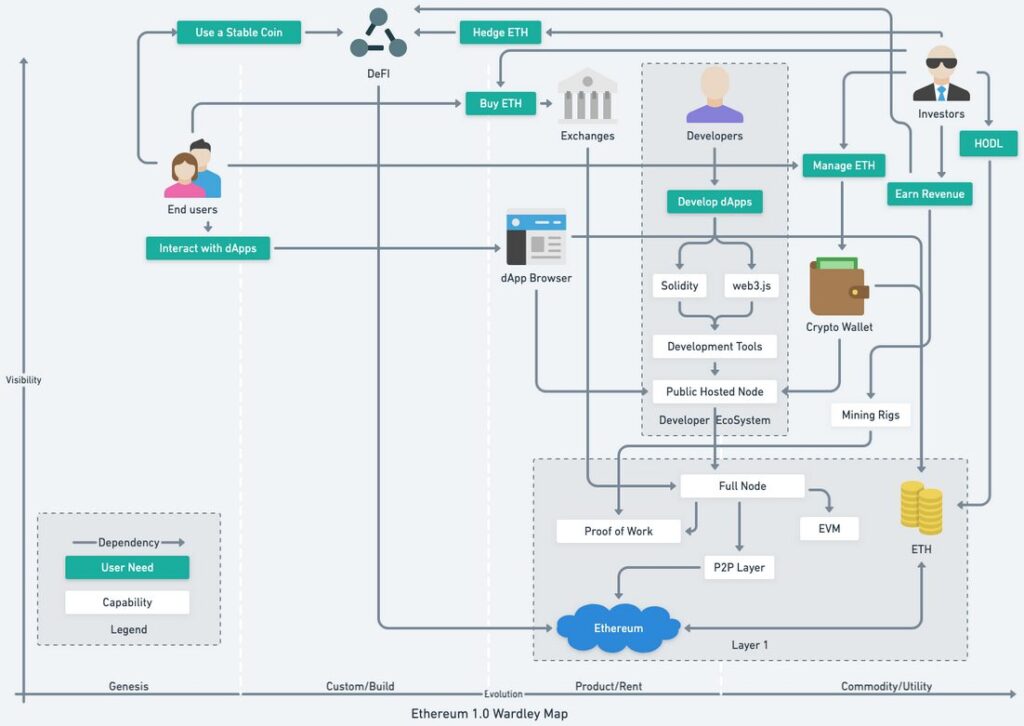
Ethereum’s leadership in tokenized assets is not accidental—it is the result of years of ecosystem development and network effects.
3.1 Smart Contract Reliability
Ethereum pioneered smart contracts, and its infrastructure has been battle-tested across billions of dollars in decentralized finance (DeFi) applications. This track record is critical for institutional adoption, where security and reliability are paramount.
3.2 Developer Ecosystem
Ethereum boasts the largest developer community in blockchain. This ecosystem drives continuous innovation, from DeFi protocols to tokenization platforms, ensuring that Ethereum remains at the forefront of technological advancement.
3.3 EVM Standardization
The Ethereum Virtual Machine (EVM) has become the industry standard, enabling interoperability across multiple blockchains. This reduces friction for developers and institutions, as applications can be deployed across EVM-compatible networks with minimal modifications.
3.4 Layer 2 Scalability
Layer 2 solutions such as rollups significantly reduce transaction costs and increase throughput. This is particularly important for RWA applications, where high-frequency transactions and cost efficiency are essential.
4. Institutional Adoption: The Catalyst for the Next Phase
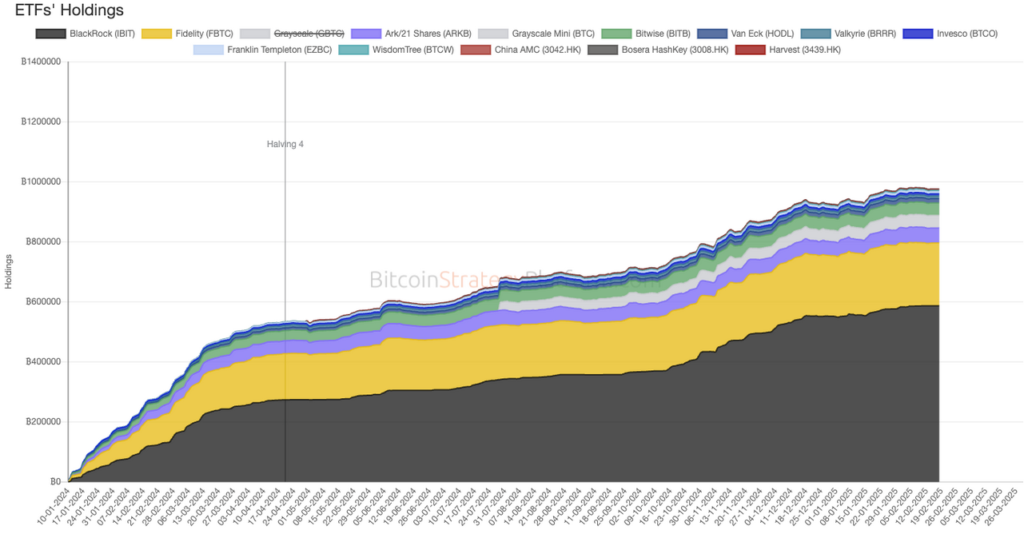
The entry of institutional players marks a turning point for the RWA market. Unlike retail-driven crypto trends, institutional adoption brings scale, credibility, and regulatory alignment.
Firms like BlackRock are not merely investing in crypto—they are building infrastructure for tokenized finance. Their involvement validates blockchain as a viable platform for managing trillions of dollars in assets.
Moreover, tokenization aligns with regulatory trends emphasizing transparency and risk management. On-chain records provide immutable audit trails, simplifying compliance and reducing operational risks.
This convergence of institutional capital and blockchain technology is creating a new financial paradigm—one where traditional and digital assets coexist seamlessly.
5. Market Opportunities: Where the Next Alpha Lies
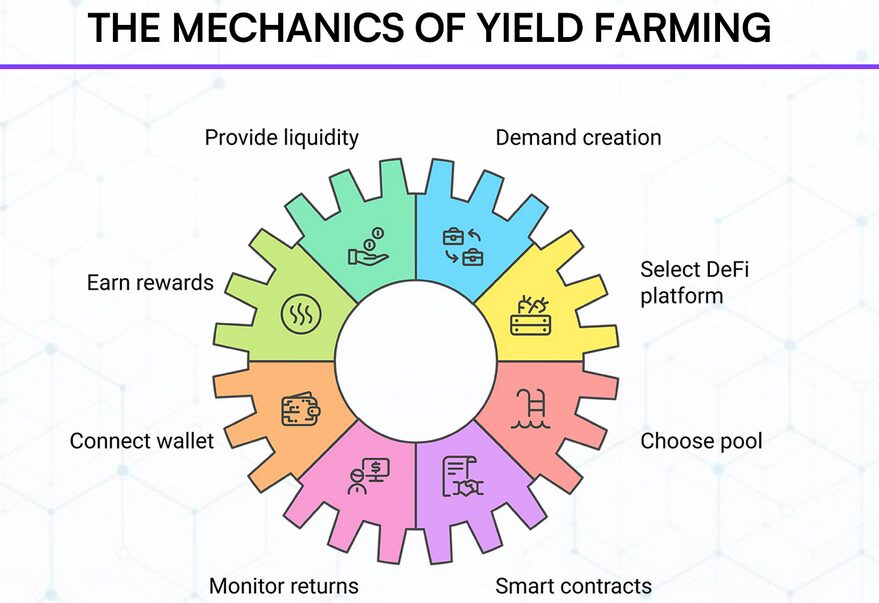
For investors and builders, the rise of tokenized assets presents multiple opportunities:
5.1 Yield Generation
Tokenized bonds and credit instruments offer stable yields, often outperforming traditional savings products.
5.2 Liquidity Unlock
Illiquid assets such as real estate can be fractionalized and traded on secondary markets, unlocking new liquidity.
5.3 Cross-Border Efficiency
Blockchain enables seamless cross-border transactions, reducing costs and settlement times.
5.4 New Financial Products
Programmable assets allow for the creation of innovative financial instruments, including automated derivatives and hybrid products.
For projects like your non-custodial wallet or EMI/VASP infrastructure, this trend is particularly relevant. Integrating RWA tokens could unlock new revenue streams, including yield products and cross-border settlement solutions.
6. Risks and Challenges: Not a One-Sided Narrative
Despite its growth, the RWA market faces several challenges:
- Regulatory uncertainty across jurisdictions
- Custody and compliance complexities
- Smart contract vulnerabilities
- Liquidity fragmentation across chains
Ethereum’s dominance mitigates some of these risks by providing a standardized and secure environment. However, competition from alternative blockchains and evolving regulatory frameworks will shape the market’s future.
Conclusion: Ethereum as the Financial Backbone of Tokenization
Ethereum’s dominance in tokenized assets is not merely a reflection of current market share—it is a signal of where global finance is heading.
As the RWA market surpasses $300 billion and continues to grow, Ethereum is positioned as the foundational infrastructure layer for this new financial system. Its combination of technological maturity, developer ecosystem, and institutional adoption creates a powerful network effect that is difficult to replicate.
For investors, this trend highlights the importance of understanding not just individual assets, but the infrastructure that supports them. For builders, it underscores the opportunity to create applications that bridge traditional finance and blockchain.
In the coming years, the question may no longer be whether assets will be tokenized, but rather which infrastructure will dominate this transformation. For now, Ethereum holds that position—and its lead appears to be strengthening.
