

Key Points :
- El Salvador’s total Bitcoin holdings have surpassed 7,606 BTC (~$510 million)
- The government continues its “1 BTC per day” accumulation strategy under Nayib Bukele
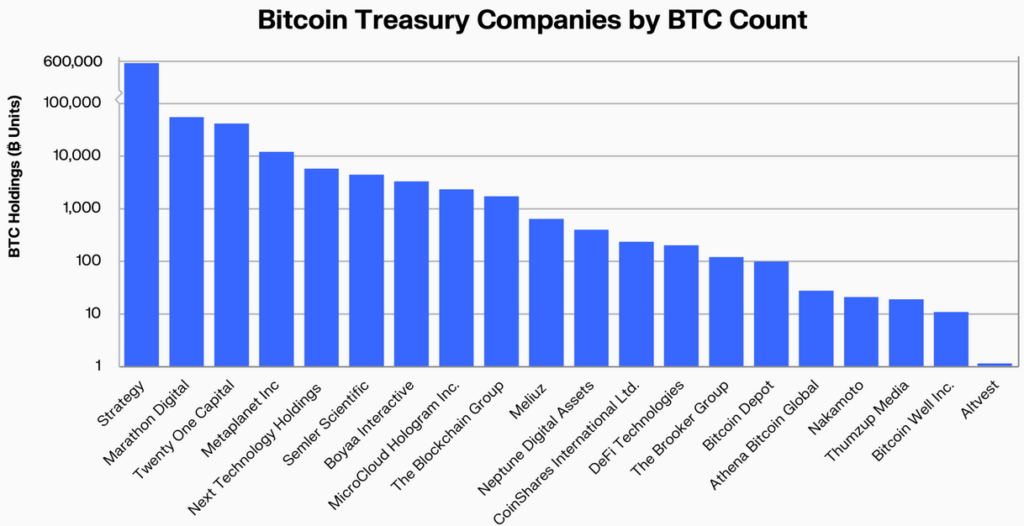
- Institutional and whale accumulation globally is reinforcing Bitcoin’s long-term bullish structure
- Despite macro uncertainty, Bitcoin remains stable around $66,000
- Sovereign-level crypto adoption is reshaping how nations approach reserves and monetary policy
1. El Salvador’s Expanding Bitcoin Treasury
El Salvador has once again captured global attention as its national Bitcoin holdings surpassed 7,606 BTC, equivalent to approximately $510 million at current market prices. This milestone reflects not only a numerical increase but also a reaffirmation of the country’s commitment to Bitcoin as a strategic reserve asset.
Since becoming the first country in the world to adopt Bitcoin as legal tender in 2021, El Salvador has pursued a unique financial experiment. Unlike traditional central banks that hold reserves in fiat currencies or gold, the government has increasingly turned toward Bitcoin as a hedge against inflation, currency debasement, and external financial dependency.
Recent data indicates that the country added approximately 8 BTC over the past seven days and 30 BTC over the past 30 days. These figures align closely with President Bukele’s widely publicized policy of purchasing one Bitcoin per day, a strategy that has continued largely uninterrupted despite market volatility.
This accumulation approach is notable because it reflects a disciplined, dollar-cost averaging strategy at the sovereign level—something rarely seen in global finance. It suggests that El Salvador is not attempting to time the market but instead is focused on long-term positioning.
2. A Sovereign Dollar-Cost Averaging Strategy
El Salvador’s Bitcoin policy is essentially a national-scale implementation of dollar-cost averaging (DCA). By purchasing Bitcoin daily regardless of price fluctuations, the country reduces exposure to short-term volatility while steadily increasing its holdings.
This approach mirrors strategies commonly used by retail investors and institutional funds but is unprecedented at the level of national treasury management. In traditional finance, sovereign reserves are typically allocated among low-risk, highly liquid assets such as U.S. Treasury bonds or foreign currency reserves.
However, El Salvador’s strategy challenges this norm. By accumulating Bitcoin, the government is effectively betting on the long-term appreciation and global adoption of decentralized digital assets.
This raises an important question: Could Bitcoin become a standard component of sovereign reserves in the future?
While the answer remains uncertain, El Salvador’s ongoing accumulation provides a real-world case study that other nations are closely watching.
Growth of El Salvador’s Bitcoin Holdings Over Time
3. Institutional and Whale Accumulation Trends
El Salvador’s strategy does not exist in isolation. Across the global market, institutional investors and large Bitcoin holders—commonly referred to as “whales”—are also increasing their exposure.
Companies such as MicroStrategy have pioneered corporate Bitcoin accumulation strategies, holding billions of dollars worth of BTC on their balance sheets. Similarly, asset managers like BlackRock have entered the space through Bitcoin exchange-traded funds (ETFs), providing institutional-grade access to the asset.
These developments indicate a broader shift: Bitcoin is transitioning from a speculative asset to a recognized store of value within institutional portfolios.
On-chain data further supports this narrative. The number of wallets holding significant amounts of Bitcoin continues to grow, suggesting accumulation rather than distribution. This trend is typically associated with long-term bullish market cycles.
4. Macro Uncertainty and Bitcoin’s Stability
The current macroeconomic environment is characterized by uncertainty. Rising geopolitical tensions in the Middle East, fluctuations in oil prices, and corrections in U.S. equity markets have created a complex backdrop for global investors.
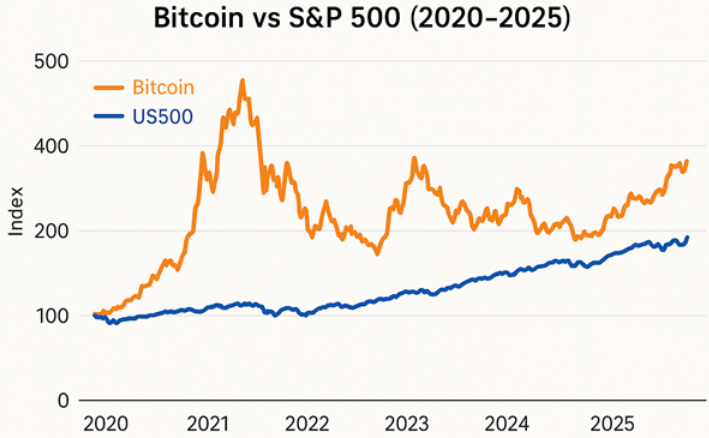
In such conditions, traditional risk assets often experience heightened volatility. However, Bitcoin has demonstrated relative stability, maintaining price levels around $66,000.
This resilience is significant for several reasons:
First, it suggests that Bitcoin is increasingly being viewed as a macro asset rather than merely a speculative instrument.
Second, it indicates growing confidence among investors, who continue to allocate capital into Bitcoin even during periods of uncertainty.
Finally, it reinforces the narrative that Bitcoin may serve as a hedge against traditional financial system risks.
Bitcoin Stability Compared to Traditional Markets
5. The Strategic Implications for Global Finance
El Salvador’s continued accumulation of Bitcoin has implications that extend far beyond its borders.
At its core, this strategy challenges the conventional framework of sovereign finance. Traditionally, countries rely on centralized monetary systems, controlled by central banks and influenced by global financial institutions.
Bitcoin, by contrast, operates on a decentralized network that is not subject to direct government control. By adopting Bitcoin as part of its reserves, El Salvador is effectively diversifying away from traditional financial dependencies.
This could have several long-term implications:
- Reserve Diversification: Countries may begin to include Bitcoin alongside gold and foreign currencies
- Monetary Sovereignty: Bitcoin adoption could reduce reliance on external financial systems
- Innovation Incentives: Nations embracing crypto may attract investment, talent, and technological development
Indeed, El Salvador has already positioned itself as a hub for Bitcoin innovation, attracting crypto entrepreneurs and investment into the region.
6. Risks and Criticisms
Despite its bold strategy, El Salvador’s Bitcoin policy is not without risks.
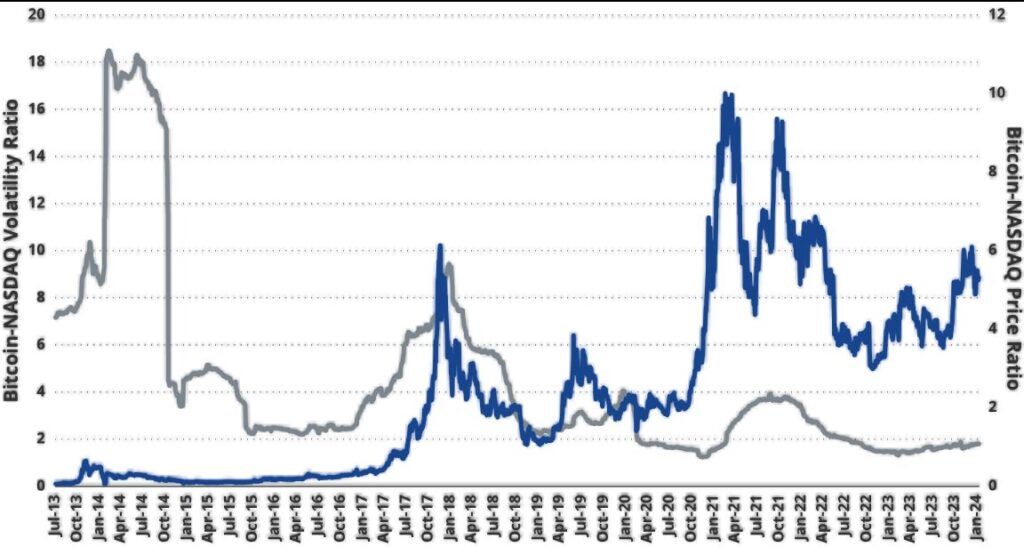
Critics argue that Bitcoin’s volatility could expose the country to significant financial losses, particularly during market downturns. Additionally, concerns have been raised about transparency, fiscal responsibility, and the long-term sustainability of such a strategy.
There are also broader questions about the role of cryptocurrency in national economies. While Bitcoin offers potential benefits, it also introduces new challenges related to regulation, security, and financial stability.
However, it is worth noting that El Salvador appears committed to its long-term vision. Rather than reacting to short-term price movements, the government continues to accumulate Bitcoin steadily.
Bitcoin Volatility and Long-Term Growth Cycles
7. What This Means for Investors and Builders
For investors, El Salvador’s strategy provides an important signal. When a sovereign nation continues to accumulate Bitcoin despite market uncertainty, it reinforces confidence in the asset’s long-term potential.
For builders and entrepreneurs, the implications are equally significant. As governments begin to adopt and integrate blockchain technologies, opportunities for real-world applications will expand.
These include:
- Payment systems and remittances
- Decentralized finance (DeFi) infrastructure
- Tokenized assets and digital identity systems
El Salvador’s experiment may serve as a blueprint for future blockchain-driven economies.
Conclusion: A Long-Term Bet on a New Financial Order
El Salvador’s continued accumulation of Bitcoin represents more than just a national investment strategy—it is a statement about the future of money.
By embracing Bitcoin at the sovereign level, the country is challenging traditional financial norms and exploring new possibilities for economic independence and innovation.
While risks remain, the consistency of its accumulation strategy suggests a strong conviction in Bitcoin’s long-term value. Combined with growing institutional adoption and macroeconomic uncertainty, this trend points toward a potential redefinition of global finance.
Whether El Salvador’s experiment ultimately succeeds or fails, it is already reshaping the conversation around cryptocurrency, sovereignty, and the future of financial systems.
