
Main Points :
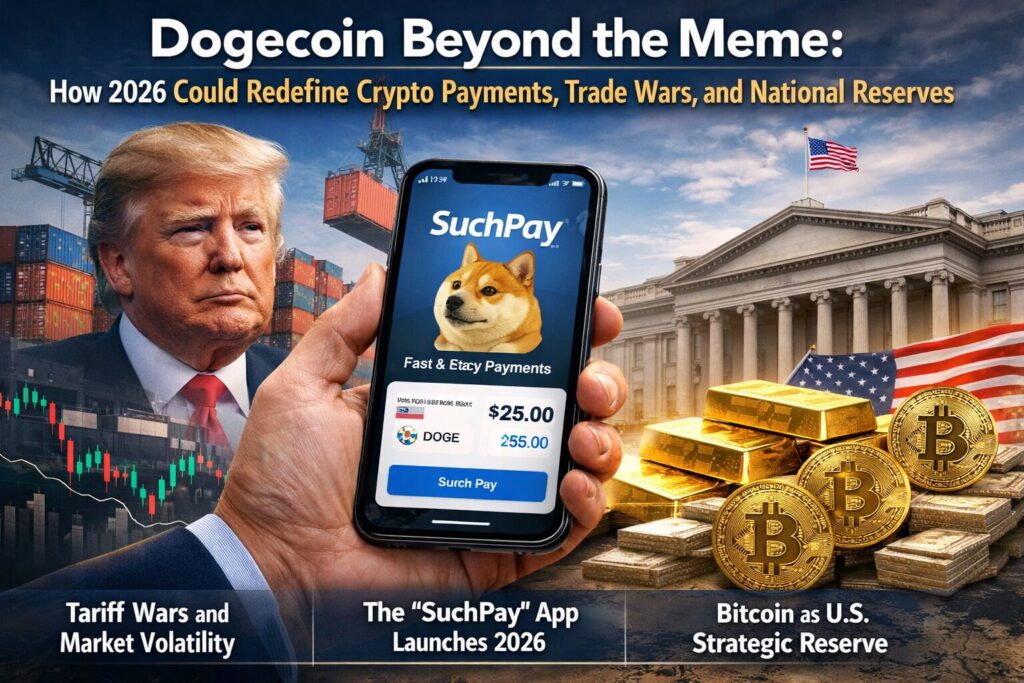
- Dogecoin is transitioning from a meme-driven asset into a practical payment currency through the upcoming launch of the “Such” payment app in 2026.
- Trump-era tariff policies are reshaping global risk appetite, forcing crypto markets into a harsh but necessary selection phase.
- The U.S. Treasury’s decision to retain seized Bitcoin as a strategic reserve marks a historic reclassification of crypto as a national-grade asset.
- Together, these trends signal a structural shift: crypto is no longer experimental—it is becoming embedded in daily commerce, macroeconomics, and state-level strategy.
1. The 2026 Dogecoin Payment Shock: How the “Such” App Could Reshape Everyday Commerce
Dogecoin is no longer content with being the internet’s favorite joke. As 2026 approaches, it is positioning itself to become something far more consequential: a currency that lives inside everyday wallets and routine transactions.
The Dogecoin Foundation has announced that its long-awaited payment application, Such, is scheduled for release in the first half of 2026. This launch represents a decisive break from Dogecoin’s historical identity as a speculative, sentiment-driven asset. Instead, it aims to solve one of crypto’s longest-standing problems—real-world usability.
Until now, Dogecoin’s value proposition was largely cultural. Community enthusiasm and celebrity endorsements drove price action, but practical usage lagged behind. The Such app changes this dynamic entirely. By allowing users to complete payments—from buying a coffee to sending cross-border remittances—in seconds, Dogecoin is staking its claim as a genuine medium of exchange.
Crucially, Such is designed to integrate seamlessly with existing payment infrastructure. Merchants will be able to accept Dogecoin without directly bearing volatility risk, thanks to backend conversion and settlement mechanisms. This lowers the psychological and operational barriers that have historically prevented crypto adoption at the point of sale.
Dogecoin’s technical characteristics support this ambition. Fast confirmation times and consistently low transaction fees stand in sharp contrast to traditional credit card networks, where fees often exceed 2–3% per transaction. For small and medium-sized businesses, especially in emerging markets, this cost differential is not marginal—it is existential.
What began as a meme is now approaching a historical inflection point. The slogan “currency of the people, by the people” is no longer aspirational rhetoric. With a smartphone tap, it becomes operational reality.
As adoption scales, the source of monetary legitimacy also shifts. Instead of central banks anchoring trust, value increasingly derives from millions of daily users choosing Dogecoin for convenience and cost efficiency. If this trajectory holds, 2026 may be remembered as the year Dogecoin shed its meme skin and entered the global payments arena as a serious contender.
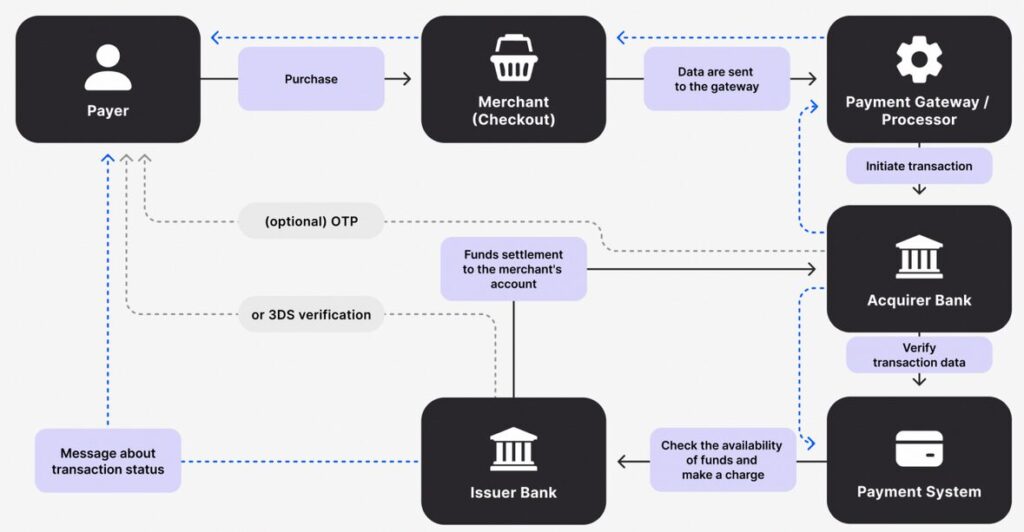
[Dogecoin Payment Flow Diagram – User → Merchant → Settlement]
2. Crypto Dreams Deflected by Tariff Shields: How Trade Wars Enforce Brutal Market Selection
While Dogecoin moves toward everyday relevance, the broader crypto market is navigating a far less forgiving macroeconomic environment.
The resurgence of aggressive tariff policies under the Trump administration has injected fresh volatility into global markets. Rising import costs threaten to reignite inflation at a moment when investors had begun pricing in interest rate cuts. This reversal forces a recalibration of risk across all asset classes.
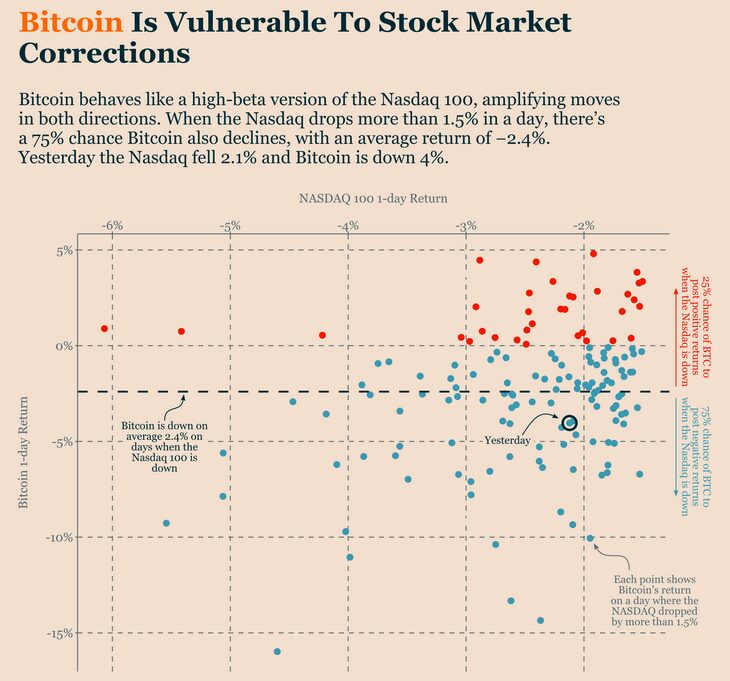
Bitcoin, long marketed as a hedge against systemic instability, has not been spared. In the immediate aftermath of tariff announcements, capital did not flee into digital assets. Instead, it gravitated toward traditional safe havens—gold and the U.S. dollar—assets backed by physical scarcity and geopolitical power.
This response exposes a lingering credibility gap. Despite its fixed supply and decentralized architecture, Bitcoin has yet to achieve universal recognition as a crisis-proof reserve. Trust, not code, remains the decisive variable.
However, this period of correction should not be misunderstood as failure. What the market is undergoing is a cleansing process. Excessive leverage, short-term speculation, and structurally weak projects are being systematically eliminated. In their place, long-term holders and fundamentally sound networks remain.
Trade friction also highlights vulnerabilities in fiat systems. Currency stability depends on political restraint, something tariffs directly undermine. Over time, these pressures may renew interest in assets insulated from unilateral policy decisions—even if that realization comes only after short-term pain.
For investors, the lesson is stark. Survival in this environment depends less on timing price swings and more on understanding structural resilience. Assets that endure geopolitical stress will define the next cycle.
[Comparative Performance Chart – Gold vs USD vs Bitcoin During Tariff Announcements]
3. Seized Bitcoin as a Strategic Reserve: The U.S. Rewrites Crypto’s Role in National Power
Perhaps the most profound signal of crypto’s maturation comes not from markets, but from the state itself.
The U.S. Treasury Secretary recently reaffirmed that Bitcoin seized through criminal investigations will not be liquidated. Instead, it will be retained as a strategic reserve. This decision quietly but fundamentally redefines Bitcoin’s status.
By choosing retention over sale, the United States Department of the Treasury has acknowledged Bitcoin as a legitimate store of national value. This is a remarkable reversal for an asset once dismissed as a criminal tool.
Historically, gold served as the ultimate backstop of sovereign credibility. In the digital age, Bitcoin increasingly occupies a parallel role. It does not replace the dollar, but it complements it—acting as a hedge against systemic and technological threats in a digitized global economy.
This move also has supply-side implications. Bitcoin held by governments is effectively removed from circulation, increasing scarcity. Ironically, state custody may end up reinforcing the very value proposition that Bitcoin’s creators envisioned: resistance to debasement.
Should other nations follow suit, competition for Bitcoin reserves could intensify. What would emerge is not merely a bull market, but a digital arms race—a scramble for cryptographic scarcity.
This is not speculative futurism. It is strategic foresight. By securing Bitcoin now, the U.S. positions itself to retain influence over the next generation of financial infrastructure.
The implication is unavoidable: crypto is no longer an external disruption. It has been absorbed into the core logic of state power.
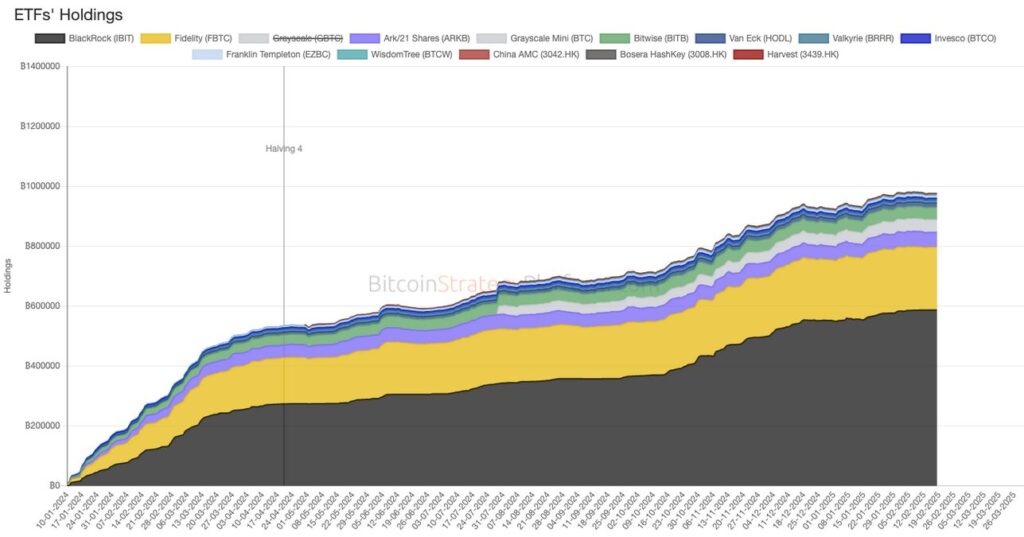
[Bitcoin Supply Allocation – Circulating vs Institutional vs Government Holdings]
Conclusion: From Meme to Money, From Code to Country
Taken together, these developments reveal a single, unambiguous truth. Crypto has crossed a threshold.
Dogecoin’s evolution into a usable payment instrument demonstrates that cultural capital can be converted into economic utility. Trade-war-induced market stress exposes which digital assets possess real durability. And the U.S. Treasury’s reserve strategy confirms that crypto now operates at the level of national interest.
For readers seeking new digital assets, future revenue streams, or practical blockchain applications, the message is clear. The next phase of crypto will not be defined by hype, but by integration—into commerce, into macroeconomics, and into state strategy.
2026 is not merely another year in the crypto cycle. It is the beginning of a structurally different era, where digital assets no longer orbit the financial system, but actively shape it.
