

Main Points :
- **Bitcoin faces a long-term existential question from quantum computing advancements led by Google Research
- Institutional accumulation accelerates across BTC and Ethereum, signaling continued capital inflow
- Ripple Labs and Convera partnership introduces a scalable “stablecoin sandwich” model for global payments
- Solana ecosystem faces a major setback with a large-scale DeFi exploit involving Drift Protocol
- Institutional infrastructure expansion (e.g., B2C2 adoption of Solana) signals divergence between infrastructure growth and application-layer risk
1. Market Overview: A Week of Diverging Signals
(Crypto Price Performance)
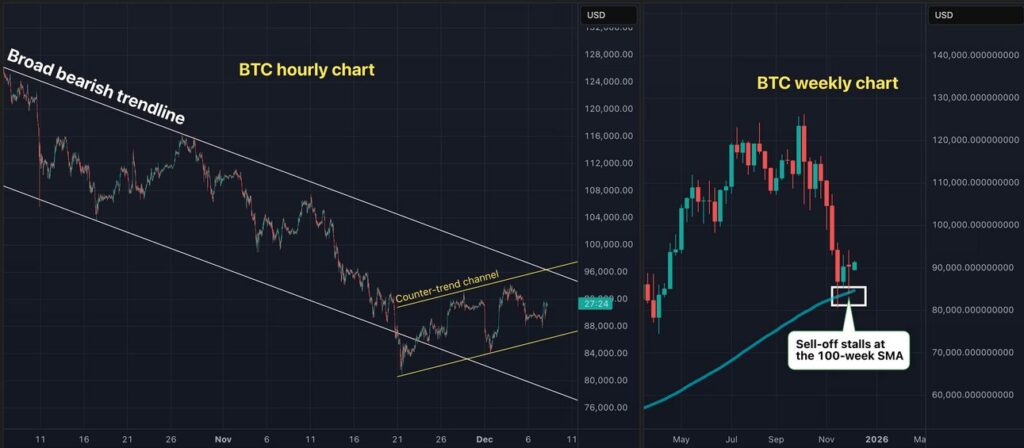
The cryptocurrency market over the past week presented a mixed and somewhat cautious outlook. Prices of major assets declined moderately, reflecting both macro uncertainty and internal industry developments.
- Bitcoin (BTC): $66,956 (-2.8%)
- Ethereum (ETH): $2,059 (-0.4%)
- XRP: $1.32 (-3.7%)
- Solana (SOL): $79.06 (-8.9%)
While these declines may appear modest, they conceal deeper structural shifts underway in the crypto ecosystem. Institutional capital continues to flow in, yet technological risks and security vulnerabilities are simultaneously intensifying.
For investors and builders seeking new revenue streams or blockchain applications, this week offers a critical lesson: growth is no longer linear—it’s bifurcated between infrastructure maturity and systemic risk.
2. Bitcoin: Quantum Threat Meets Institutional Confidence
2.1 Quantum Computing and Cryptographic Risk
(Quantum vs Cryptography Concept)
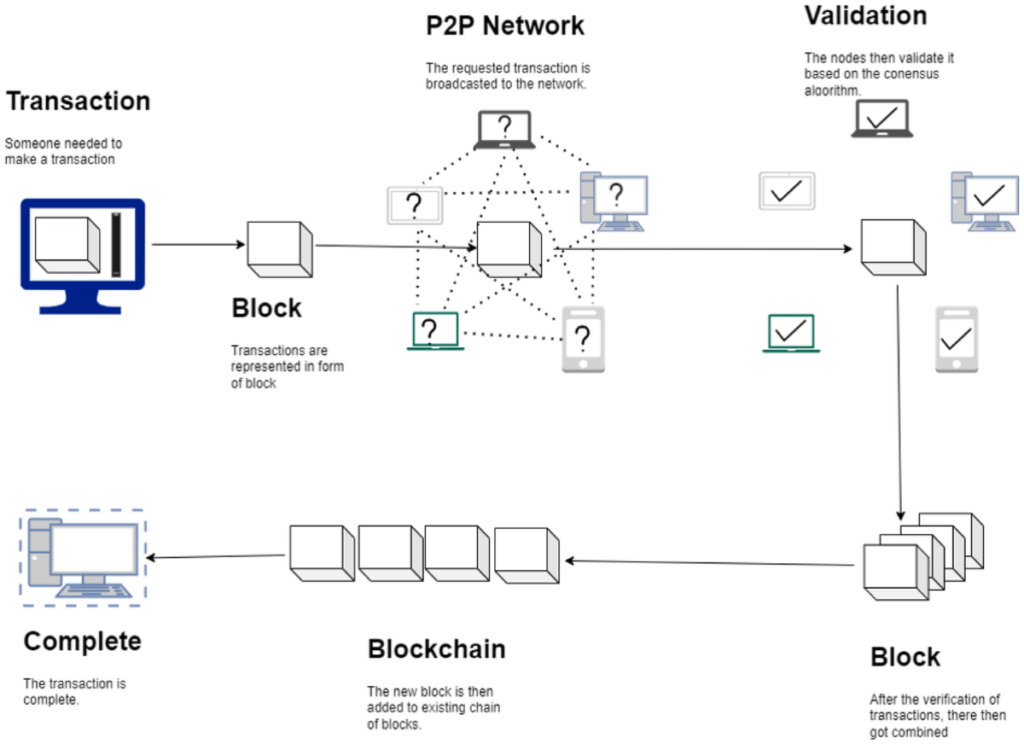
A major development came from Google Research, which published a groundbreaking white paper demonstrating a 10x improvement in resource efficiency for quantum-based cryptographic attacks.
While details of the attack circuits were withheld due to security concerns, the implications are profound:
- Bitcoin’s ECDSA signatures could theoretically be broken faster than previously expected
- The timeline for “quantum risk” may shift from decades to potentially earlier horizons
- Industry urgency around post-quantum cryptography (PQC) is accelerating
This prompted Coinbase CEO Brian Armstrong to publicly commit personal attention to quantum resilience—a rare move that signals seriousness at the highest level.
Strategic Insight:
For long-term investors, Bitcoin is evolving from a “digital gold” narrative into a technological race against future computation paradigms. Projects integrating quantum-resistant schemes early may present new opportunities.
2.2 Institutional Accumulation Continues
Despite technological concerns, institutional behavior remains bullish.
- Strategy (MicroStrategy) resumed Bitcoin accumulation
- Bhutan’s sovereign entity Druk Holding & Investments moved ~374.9 BTC (~$27M), potentially signaling liquidity management or partial liquidation
These actions highlight a key paradox:
Even as existential risks emerge, institutional conviction in Bitcoin as a macro asset remains intact.
3. Ethereum: Capital Consolidation and Yield Strategy
3.1 Institutional ETH Accumulation
(ETH Accumulation Trend)
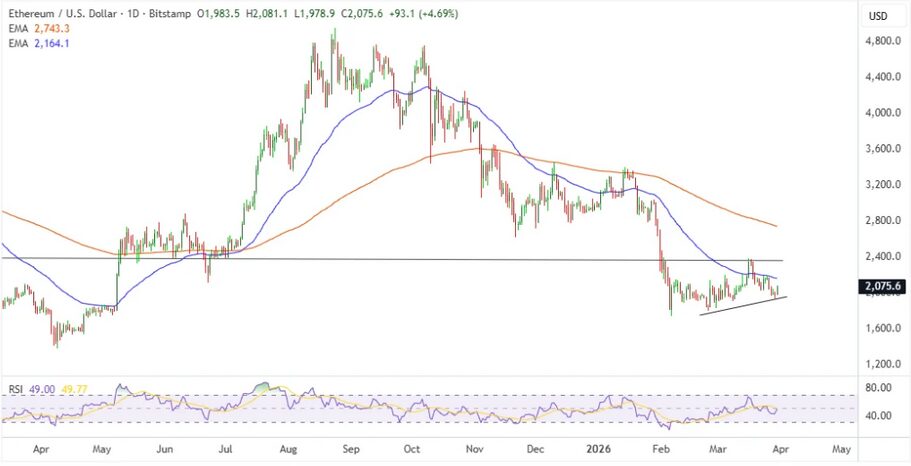
Ethereum saw one of the largest weekly institutional inflows of 2026:
- Bitmine Immersion Technologies purchased ~71,179 ETH (~$147M)
- Ethereum Foundation staked ~45,034 ETH (~$93M)
These moves reinforce Ethereum’s positioning as:
- A yield-generating asset (via staking)
- A foundational layer for DeFi and tokenization
Strategic Insight:
Ethereum is increasingly behaving like a productive financial asset, not just a speculative one. For investors, staking yields and institutional accumulation create a dual return model.
4. XRP: The Rise of Enterprise Stablecoin Infrastructure
4.1 Ripple × Convera Partnership
(Stablecoin Sandwich Model)
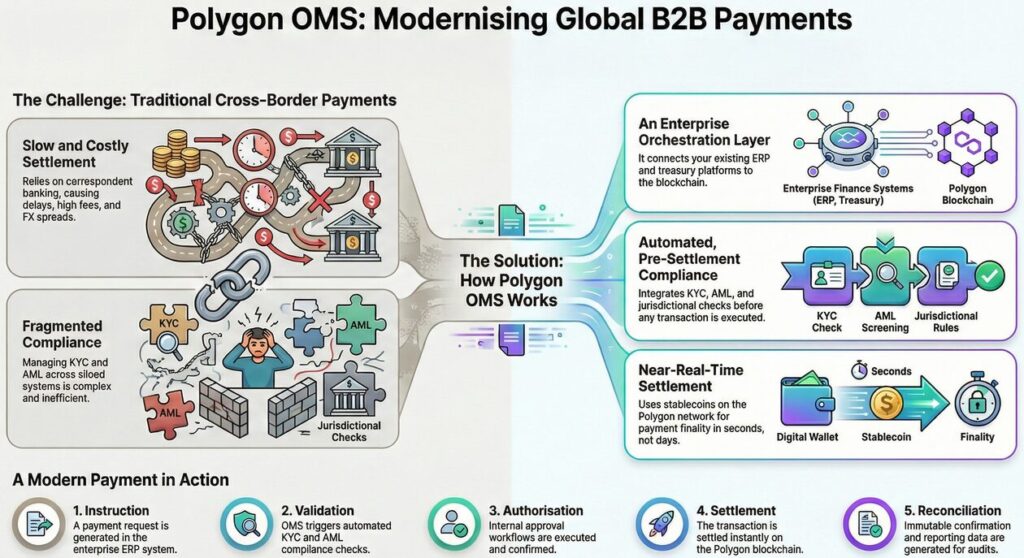
Ripple Labs partnered with Convera to deploy a new cross-border payment architecture using RLUSD.
The “Stablecoin Sandwich” Model:
- Fiat → RLUSD → Fiat
- Blockchain used only for settlement layer
- Covers 200+ countries
This is highly significant because it:
- Avoids volatility exposure for enterprises
- Maintains regulatory compatibility
- Enables near-instant settlement
Strategic Insight:
This model represents a practical bridge between traditional finance and blockchain, aligning closely with real-world adoption.
4.2 Real-World Impact: RLUSD in SME Financing
Ripple’s RLUSD initiative funded:
- 905 small business loans
- Nearly 1,000 jobs created
This demonstrates that stablecoins are moving beyond trading into economic infrastructure, particularly in underserved markets.
5. Solana: Growth Meets Security Fragility
5.1 Drift Protocol Hack
(DeFi Exploit Visualization)
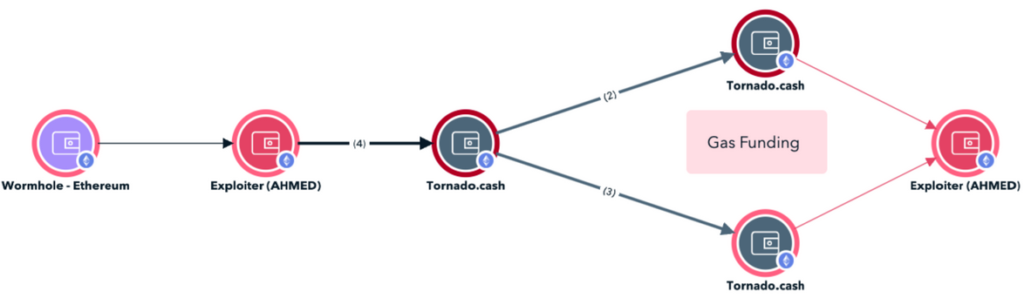
The Solana-based Drift Protocol suffered a massive exploit:
- Estimated loss: $200M–$270M
This ranks among the largest DeFi exploits in recent months and highlights:
- Smart contract risk remains unresolved
- High-speed chains amplify damage potential
- Auditing and runtime monitoring are still insufficient
Strategic Insight:
For builders, security is now the primary differentiator, not speed or cost.
5.2 Institutional Adoption Continues
Interestingly, even amid the hack:
- B2C2 selected Solana as a settlement network
- Supports stablecoins like USDC, USDT, PYUSD, etc.
This reinforces a broader trend:
Infrastructure-level confidence in Solana remains strong, even as application-level risks persist.
6. Macro Trend: The “Two-Speed Crypto Economy”
This week clearly illustrates a structural shift:
Layer 1: Institutional Infrastructure
- Stablecoins
- Settlement networks
- Custody and liquidity
Layer 2: Application Risk Layer
- DeFi protocols
- Smart contract exploits
- User-facing vulnerabilities
This divergence creates opportunities:
- Lower-risk: infrastructure investments (ETH staking, stablecoins, payment rails)
- Higher-risk/high-reward: DeFi innovation
7. Investment Implications for Forward-Looking Participants
For readers seeking new crypto assets, income opportunities, and practical blockchain use cases:
Opportunities:
- Stablecoin infrastructure (e.g., RLUSD ecosystem)
- Ethereum staking and yield strategies
- Institutional-aligned chains (Solana, Ethereum)
Risks:
- Quantum computing threats (long-term)
- Smart contract exploits (short-term)
- Regulatory tightening on cross-border flows
Conclusion: From Speculation to Systems Competition
The crypto market is no longer driven solely by price speculation. It is transitioning into a competition between financial systems:
- Bitcoin vs future computation (quantum)
- Ethereum as programmable finance
- XRP as enterprise settlement layer
- Solana as high-speed infrastructure
At the same time, vulnerabilities—both technological and operational—are becoming more visible.
For investors and builders, the key takeaway is clear:
The next phase of crypto is not about which coin goes up—but which system survives and integrates into the global economy.
