
Main Points :
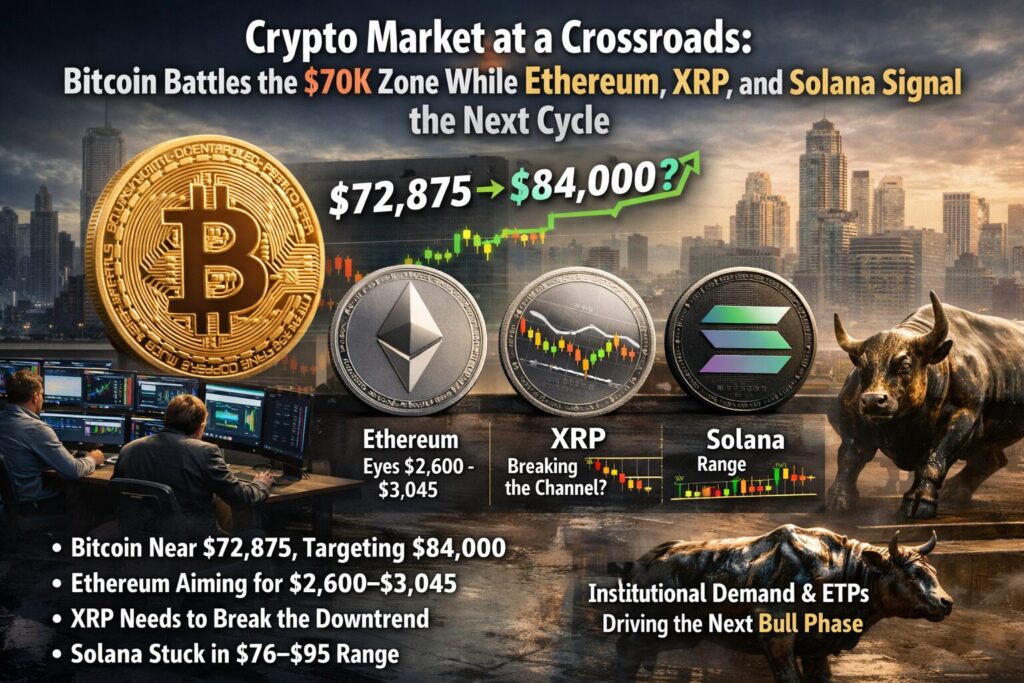
- Bitcoin is struggling near the $72,875 resistance, with a potential bullish breakout targeting $84,000.
- Ethereum is attempting to reclaim momentum above $2,111, with upside potential toward $2,600–$3,045.
- XRP shows weakening selling pressure, but must break the descending channel to confirm a recovery.
- Solana remains range-bound between $76 and $95, awaiting a breakout to determine direction.
- Institutional capital and ETF demand are shaping the broader crypto cycle, potentially driving the next bull phase.
1. Bitcoin’s Battle Around the $70K Zone
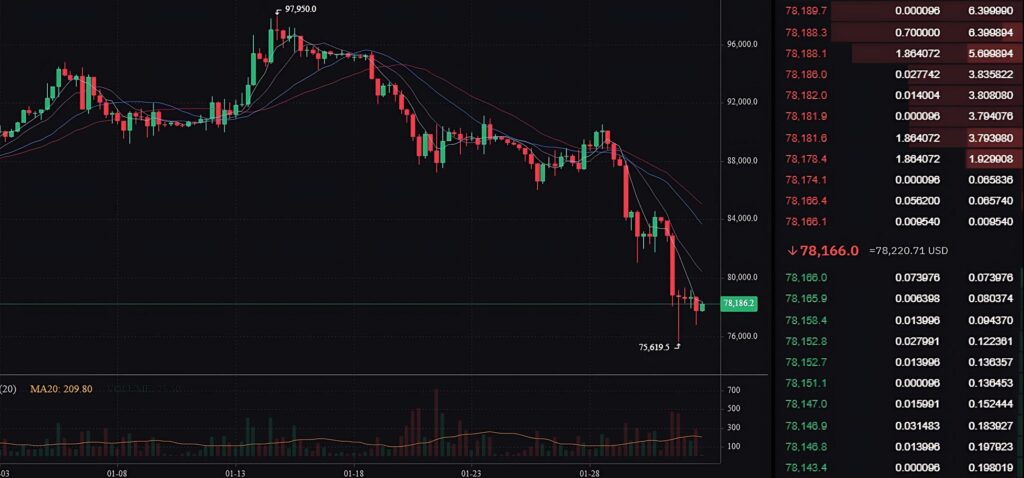
Bitcoin continues to face a critical technical battle in the $70,000 range, a zone that has become one of the most closely watched areas in the global cryptocurrency market. After attempting to move higher earlier this week, Bitcoin was rejected near the 50-day Simple Moving Average (SMA) around $72,875, indicating strong selling pressure from bearish traders.
This level is significant because many institutional traders and algorithmic trading strategies rely on the 50-day SMA as a trend indicator. When Bitcoin fails to break above it, short-term traders often interpret the move as a signal that momentum is weakening.
However, bullish investors are still attempting to defend the 20-day Exponential Moving Average (EMA) around $68,815. Maintaining support above this level could provide the foundation for another attempt to break through resistance.
If buyers succeed in pushing the BTC/USDT pair above $74,508, the market could confirm a bullish ascending triangle pattern. Technical analysts frequently interpret this pattern as a continuation signal, meaning the previous upward trend could resume.
In that scenario, the projected technical target would be around $84,000.
On the other hand, failure to hold support could shift momentum back to bearish traders. If Bitcoin breaks below the triangle support line, the price may decline toward $62,500, and potentially even $60,000.
The importance of this price zone cannot be overstated. With the increasing influence of institutional investors, ETF flows, and macroeconomic factors, Bitcoin’s behavior around the $70K range may determine the direction of the broader crypto market for the next several months.
2. Ethereum Attempts to Regain Momentum
Ethereum is also approaching a pivotal technical moment.
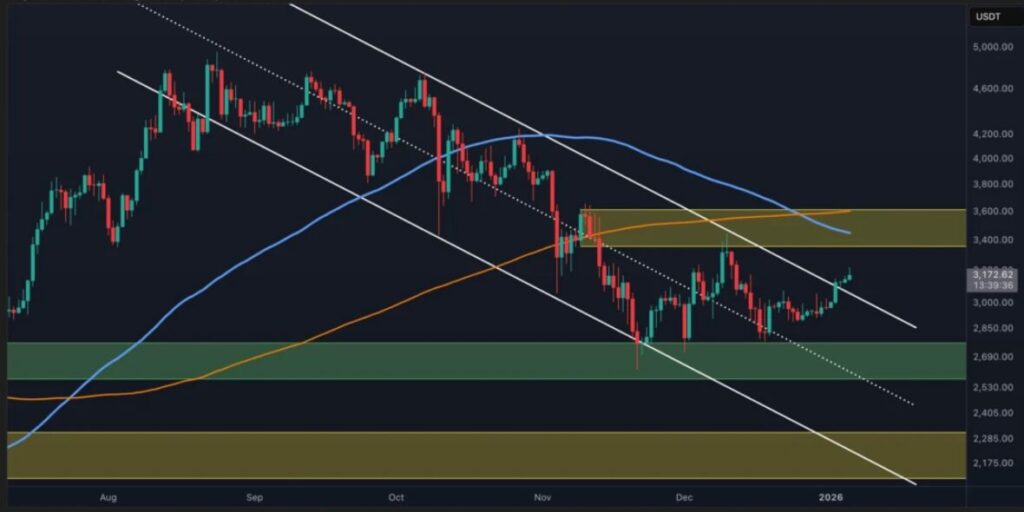
On Tuesday, buyers attempted to push ETH above the $2,111 resistance level, but sellers quickly stepped in, preventing a sustained breakout. This suggests that the market is currently uncertain about Ethereum’s short-term direction.
Nevertheless, bulls are making another attempt to reclaim control.
If Ethereum successfully climbs above $2,111 and the 50-day SMA near $2,208, the path toward $2,600 becomes significantly clearer. A breakout beyond that level could allow ETH to test the $3,045 resistance zone, which previously acted as a strong barrier.
Such a move would also align with broader trends in the Ethereum ecosystem. Over the past year, Ethereum has been supported by several structural developments, including:
- growing institutional interest in Ethereum ETFs,
- increasing adoption of Layer-2 scaling networks,
- and the continued growth of DeFi and tokenized assets.
These trends suggest that Ethereum remains a core infrastructure layer for blockchain-based financial applications.
However, if Ethereum fails to maintain upward momentum and drops below $1,916, the market could enter a consolidation phase. In that case, ETH may trade sideways between $1,750 and $2,200 for several days or even weeks.
3. XRP Shows Signs of Stabilization
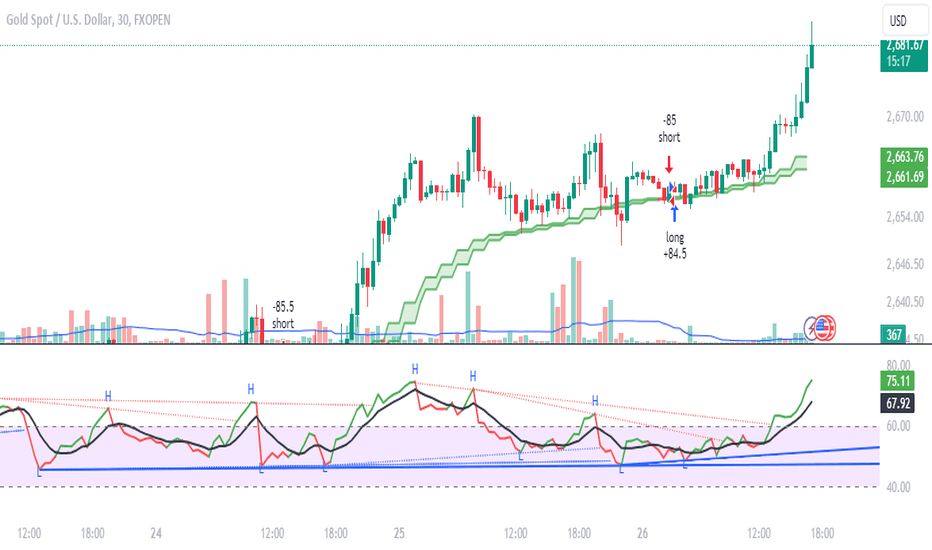
XRP recently managed to move above its 20-day EMA near $1.39, which is often interpreted as a positive short-term signal.
However, the candlestick chart revealed a long upper wick, indicating that sellers remain active at higher price levels.
From a technical perspective, the indicators are currently neutral.
- The 20-day EMA is flattening.
- The Relative Strength Index (RSI) is slightly below the neutral midpoint.
These signals suggest that selling pressure may be gradually weakening, but buyers have not yet taken full control.
The next key objective for bulls is to push the price toward the descending channel resistance line. If XRP breaks out of that structure, it could mark the beginning of a stronger recovery phase.
However, bearish traders are likely to defend the moving averages aggressively. If XRP falls below $1.27, the probability of a breakdown below the support line would increase.
XRP’s future also depends heavily on broader developments in the Ripple ecosystem, including regulatory clarity and institutional adoption of cross-border payment technology.
4. Solana’s Range Reflects Market Balance
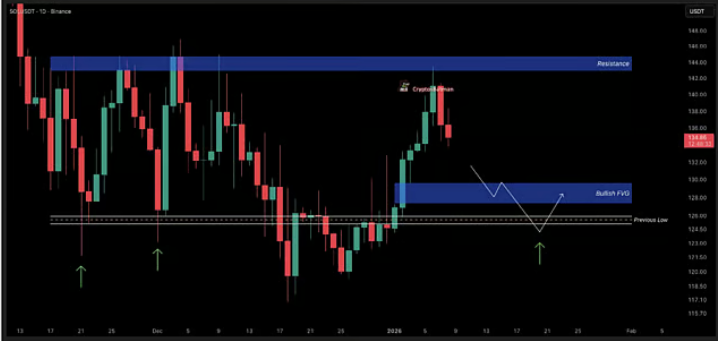
Solana currently represents one of the clearest examples of a market waiting for direction.
The cryptocurrency has been trading between $76 and $95, forming a well-defined horizontal range that reflects a balance between buyers and sellers.
Both the 20-day EMA near $85 and the RSI indicator are almost flat, confirming the lack of a clear trend.
This type of market structure often precedes a strong breakout, as volatility builds during the consolidation phase.
If buyers manage to push the price above $95 and hold that level, Solana could regain bullish momentum. In that scenario, the next target would be approximately $117, where significant resistance may appear.
Conversely, a breakdown below $76 would signal that bearish traders have gained control. The price could then retest the February low around $67, with a possible extension toward $57.
Solana remains one of the most closely watched ecosystems due to its high-performance blockchain architecture and growing adoption in areas such as DeFi, gaming, and decentralized social networks.
5. Broader Crypto Trends Driving the Market
The current technical battle across major cryptocurrencies is not occurring in isolation. Several macro-level trends are influencing the digital asset market.
Institutional Investment
Large financial institutions continue to expand their exposure to cryptocurrency markets. Bitcoin ETFs in the United States have attracted billions of dollars in inflows since their launch, creating new demand from pension funds and asset managers.
Tokenization of Real-World Assets
Another emerging trend is the tokenization of traditional financial assets such as bonds, real estate, and commodities. Blockchain platforms—including Ethereum and Solana—are increasingly being used to represent real-world value on-chain.
Stablecoin and Payment Infrastructure
Stablecoins have become one of the most widely used blockchain applications. Global transaction volume for stablecoins now rivals that of major card networks in some regions.
This development suggests that blockchain technology is moving beyond speculative trading and into practical financial infrastructure.
Regulatory Clarity
Governments around the world are gradually introducing clearer frameworks for digital assets. While regulations vary widely, the trend toward formal recognition of cryptocurrency markets may attract additional institutional capital.
6. What This Means for Investors and Builders
For investors searching for the next profitable opportunity, the current market phase may represent a critical transition.
Historically, periods of consolidation in Bitcoin have often preceded large market moves. When Bitcoin establishes a clear trend, capital tends to flow into altcoins, accelerating innovation and speculative investment.
At the same time, builders and entrepreneurs are focusing on real-world applications of blockchain technology.
These include:
- cross-border payments
- decentralized finance infrastructure
- tokenized securities
- decentralized identity systems
- and new forms of digital ownership.
Projects that successfully bridge traditional finance and blockchain technology may become the dominant platforms of the next crypto cycle.
Conclusion
The cryptocurrency market currently stands at an important technical and structural crossroads.
Bitcoin’s battle around the $70,000 region may determine the direction of the broader market in the coming months. Ethereum, XRP, and Solana are each showing distinct technical patterns that could signal the next phase of the cycle.
If bullish momentum returns and key resistance levels are broken, the market could enter another expansion phase fueled by institutional capital, technological innovation, and growing global adoption of blockchain infrastructure.
For investors and developers alike, the coming months may present both significant risks and extraordinary opportunities.
Understanding the technical signals, macro trends, and emerging blockchain use cases will be essential for identifying the next generation of crypto winners.
