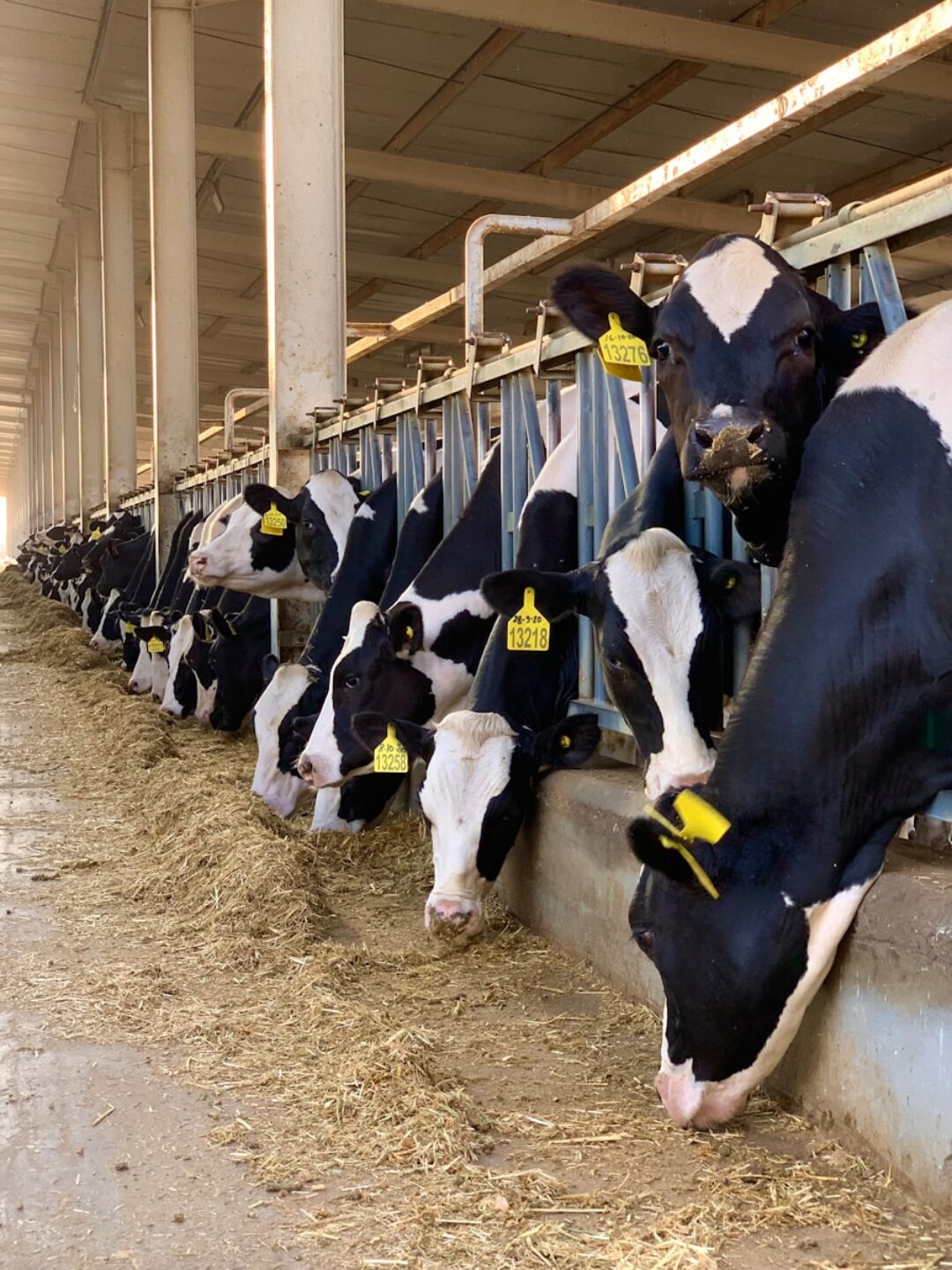
Brazil’s B3 stock exchange has registered one of the world’s first tokenized livestock loans, where ten dairy cows were digitized and pledged as collateral for a R$100,000 loan.
Fazenda Engenho Velho, a dairy farm in Paraná, secured a R$100,000 CPR‑F loan (approximately $19,600) by pledging ten tokenized cows valued at R$120,000.
The loan was originated by BMP Sociedade de Crédito Direto and registered on Brazil’s B3 exchange, with credit rights transferred to Target FIDC, a Brazilian investment fund.
Each cow was assigned a unique digital identity linked to Cowmed’s AI‑powered smart collars, which monitor health and activity in real time. This innovation eliminates the need for physical inspections and ensures lenders can track collateral value continuously.
The transaction is part of Brazil’s push to modernize agricultural credit markets – a groundbreaking deal that demonstrates how blockchain and agricultural technology can transform access to credit for farmers, turning biological assets into verifiable financial instruments.
Tokenization allows farmers to access financing more quickly, while lenders gain transparency and assurance through auditable registries and live data feeds.
A Revolutionary Step Away from Traditional Financing
Traditionally, farmers in Brazil rely on CPRs (Cédula de Produto Rural)—rural product notes tied to future harvests or livestock sales—to secure financing. These instruments often require lengthy negotiations and physical inspections, limiting access to small and mid‑sized farms.
Through the tokenization of cattle, Brazil has effectively created digital twins of biological assets, enabling them to serve as standardized collateral.
This model is revolutionary because it combines blockchain registries with agricultural telemetry, turning cows into financeable assets without removing them from the farm. It reduces transaction costs, accelerates loan approvals, and opens new channels for credit funds hungry for yield backed by hard assets.
With this, farmers benefit from speed and flexibility, while lenders gain visibility into collateral health and productivity.
The pilot deal also sets a precedent for scaling. Cowmed estimates that 20% of the 100,000 cows it monitors could be tokenized within two years, representing roughly R$400 million in potential collateral. Target FIDC has already signaled plans to expand issuance to R$5 million by the end of 2026.
How the Innovation can Reshape Brazil
Brazil’s agribusiness sector is one of the largest in the world, and access to credit is critical for sustaining production. The success of Brazil’s pilot shows that tokenized livestock can bridge agritech and capital markets.
It also positions Brazil as a global leader in real‑world asset (RWA) tokenization, demonstrating how blockchain can be applied beyond traditional finance to agriculture and supply chains.
As more farms adopt smart collars and digital registries, tokenized livestock loans could scale rapidly, remolding Brazil’s rural credit system and offering a model for other agricultural economies worldwide.