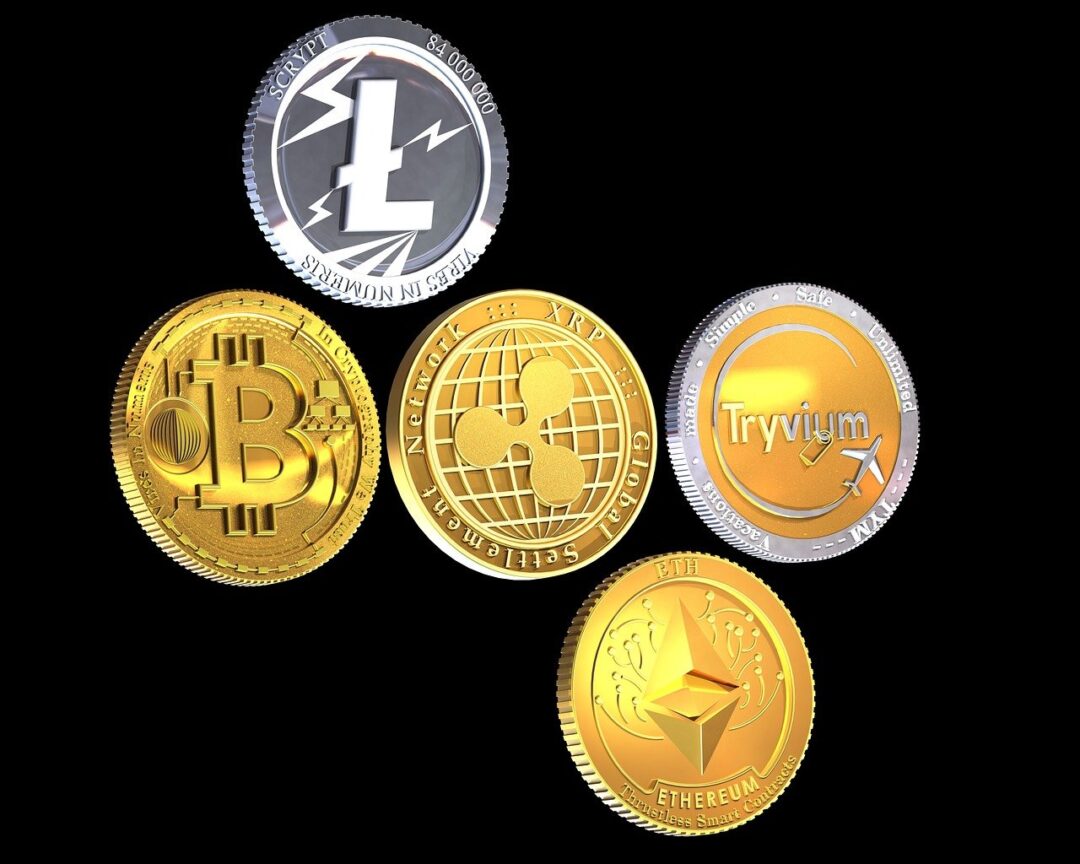
Coinbase, the largest publicly listed cryptocurrency exchange in the United States, is preparing to expand its offerings beyond digital assets into tokenized stock trading and equities options. This move, which has been in development for months, represents a significant step toward merging traditional finance with blockchain technology. If successful, Coinbase could become the first major crypto exchange to offer a unified platform where users can trade cryptocurrencies, tokenized shares of companies, and derivatives tied to both asset classes.
The Vision Behind Tokenized Stocks
Tokenized stocks are digital representations of equity shares issued on a blockchain. They allow investors to buy fractional ownership in companies without going through traditional brokerage accounts. For Coinbase, the appeal lies in accessibility. Millions of users already hold crypto wallets, and by offering tokenized stocks, the company can give them exposure to equities without requiring them to leave the platform.
Fractionalization is a key advantage. Instead of buying a full share of a company like Tesla or Apple, investors could purchase a fraction, lowering the barrier to entry. Tokenized stocks also trade around the clock, unlike traditional equities that are limited to market hours. This aligns with Coinbase’s ethos of 24/7 access to financial markets.
Integrating Equities Options
Beyond tokenized stocks, Coinbase is preparing to roll out options trading tied to both crypto and equities. Options are financial contracts that give investors the right, but not the obligation, to buy or sell an asset at a predetermined price. They are widely used in traditional finance for hedging and speculation.
By offering crypto options alongside equities options, Coinbase aims to create a hybrid marketplace. Traders could hedge Bitcoin exposure with options while simultaneously speculating on tokenized shares of major companies. This integration could attract institutional investors who are accustomed to using derivatives for risk management.
Regulatory Challenges
The expansion into tokenized stocks and equities options raises significant regulatory questions. In the United States, securities are overseen by the Securities and Exchange Commission (SEC), while derivatives fall under the Commodity Futures Trading Commission (CFTC). Coinbase will need to navigate both regulatory regimes, ensuring compliance while maintaining its crypto‑native identity.
The timing is notable. The Digital Asset Market CLARITY Act, which seeks to establish a federal framework for crypto, is advancing in Congress. If passed, it could provide the legal clarity Coinbase needs to fully integrate tokenized securities. Until then, the company may rely on partnerships with regulated entities or pilot programs in jurisdictions with more favorable rules.
Market Implications
Coinbase’s move could reshape both crypto and traditional finance. For crypto markets, the introduction of tokenized stocks and options would expand the range of assets available, potentially attracting new users who are more familiar with equities. For traditional markets, it could accelerate the adoption of blockchain technology in securities trading.
The implications for liquidity are profound. Tokenized stocks could trade globally, bypassing the limitations of national exchanges. This could create new pools of liquidity, particularly in emerging markets where access to U.S. equities is limited. Options trading could further deepen liquidity, providing tools for hedging and speculation that are currently absent in most crypto markets.
Coinbase’s Strategic Position
Coinbase has long positioned itself as more than just a crypto exchange. Its custody services cater to institutions, its wallet products serve retail users, and its venture arm invests in blockchain startups. By entering tokenized equities, Coinbase is signaling that it wants to be a full‑spectrum financial platform.
The company’s infrastructure gives it an advantage. With millions of verified users, robust compliance systems, and deep liquidity in crypto markets, Coinbase is well‑placed to bridge the gap between digital assets and traditional securities. Its brand recognition also helps, as users may trust Coinbase more than smaller, less established platforms offering tokenized stocks.
The Global Context
Coinbase’s initiative is part of a broader global trend. In Europe, platforms like FTX Europe (before its collapse) experimented with tokenized equities. In Asia, exchanges in Singapore and Hong Kong have explored similar offerings. The difference is scale. Coinbase’s reach in the U.S. market gives it the potential to mainstream tokenized stocks in a way smaller platforms cannot.
The move also reflects growing demand for integrated financial services. Younger investors, in particular, prefer platforms that offer multiple asset classes in one place. By combining crypto, tokenized equities, and options, Coinbase is catering to this demographic.
Risks and Criticisms
Not everyone is convinced. Critics warn that tokenized stocks could create confusion, particularly if they are not backed by actual shares held in custody. Questions about settlement, voting rights, and corporate governance remain unresolved. If tokenized stocks are not legally recognized as equivalent to traditional shares, investors could face risks.
Options trading also carries risks. Derivatives are complex instruments that can amplify losses. Regulators may worry that retail investors could misuse options, leading to financial harm. Coinbase will need to implement safeguards, such as education programs and risk disclosures, to mitigate these concerns.
The Future of Finance
Despite the risks, Coinbase’s expansion highlights a broader shift in finance. The lines between crypto and traditional markets are blurring. Tokenization is emerging as a powerful tool, not just for stocks but for bonds, real estate, and other assets. Options and derivatives are being reimagined on blockchain platforms.
If Coinbase succeeds, it could set a precedent for other exchanges. The idea of a unified platform where users can trade crypto, equities, and derivatives could become the norm. This would represent a fundamental transformation of financial markets, making them more accessible, efficient, and global.
Final Thought
Coinbase gearing up to launch tokenized stock trading and integrated options is more than a corporate expansion, it is a statement about the future of finance. By bridging crypto and equities, the company is positioning itself at the forefront of a generational shift.
The question is not whether tokenized stocks and crypto options will exist, but who will lead their adoption. With its scale, infrastructure, and brand, Coinbase is making a strong case that it intends to be that leader. The coming months will reveal whether regulators, investors, and markets are ready to embrace this vision.