
Key Points :
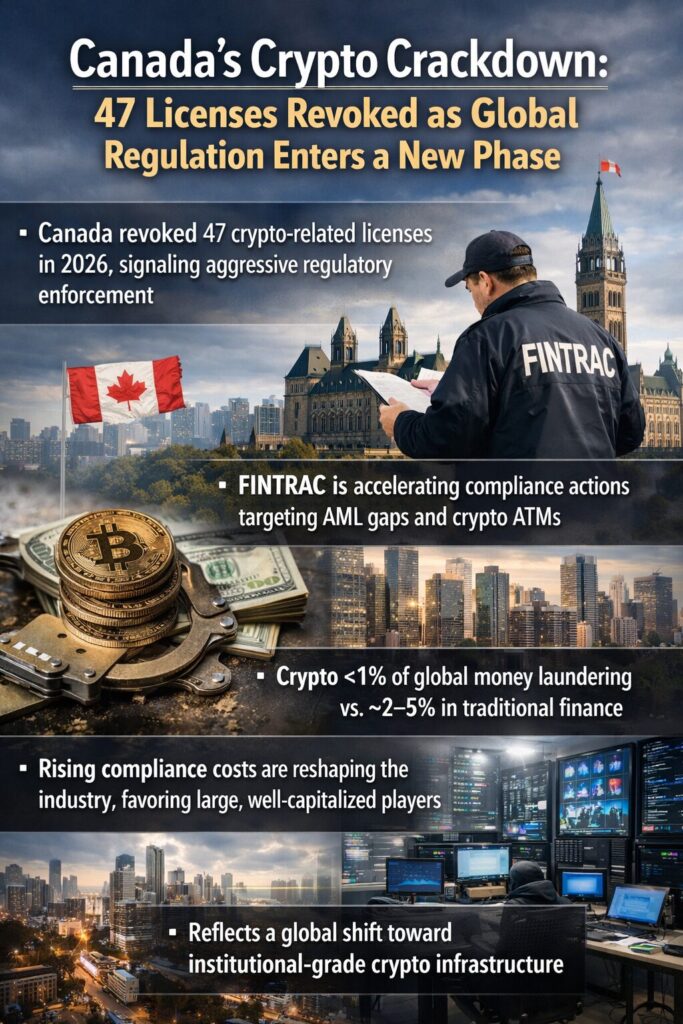
- Canada revoked 47 crypto-related licenses in 2026, signaling aggressive regulatory enforcement
- FINTRAC is accelerating compliance actions targeting AML gaps and crypto ATMs
- Despite regulatory focus, crypto accounts for <1% of global money laundering, compared to ~2–5% in traditional finance
- Rising compliance costs are reshaping the industry, favoring large, well-capitalized players
- This trend reflects a global shift toward institutional-grade crypto infrastructure
1. Canada Escalates Crypto Enforcement: What Happened
In 2026, Canadian authorities took a decisive step toward tightening cryptocurrency regulation by revoking 47 licenses tied to crypto-related firms. This move, led by the Financial Transactions and Reports Analysis Centre of Canada (FINTRAC), reflects a broader policy direction aimed at strengthening oversight across digital asset markets.
Out of approximately 50 Money Services Business (MSB) license cancellations, an overwhelming majority were associated with cryptocurrency companies. This concentration highlights the government’s concern that crypto platforms, particularly smaller or less mature operators, may pose compliance risks in areas such as anti-money laundering (AML) and fraud prevention.
Finance Minister François-Philippe Champagne emphasized that the pace of enforcement has “significantly accelerated”, marking a shift from passive oversight to proactive regulatory intervention. Authorities are not only revoking licenses but also increasing scrutiny on operational standards, reporting practices, and transaction monitoring systems.
For affected businesses, the consequences are immediate. License revocation effectively halts operations, although firms are given 30 days to appeal the decision. However, in practice, reinstatement is rare unless substantial compliance improvements are demonstrated.
2. Why Canada Is Targeting Crypto Firms
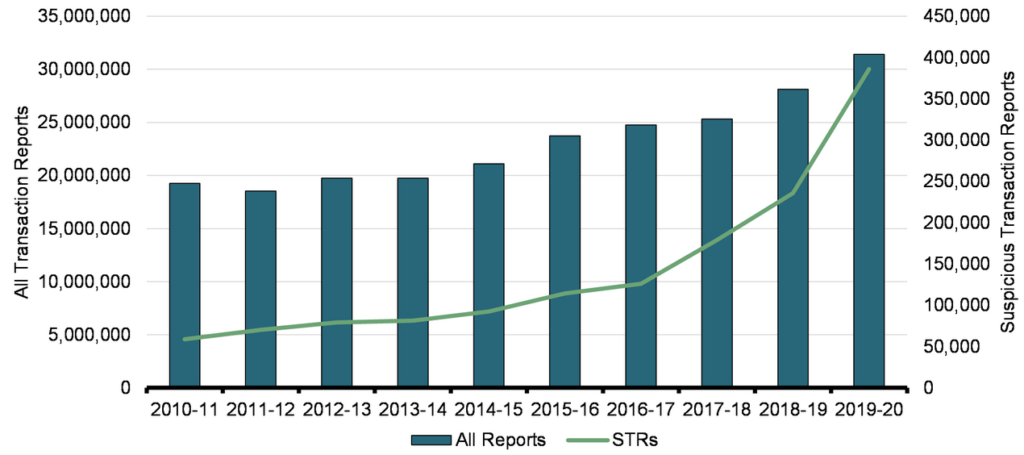
The regulatory crackdown is rooted in concerns about financial crime. Authorities argue that many crypto businesses have failed to implement adequate controls, particularly in:
- Customer identity verification (KYC)
- Suspicious transaction reporting
- Record-keeping obligations
Under Canadian law, all crypto operators must register with FINTRAC before commencing operations. They are also required to monitor transactions and report any suspicious activity above certain thresholds.
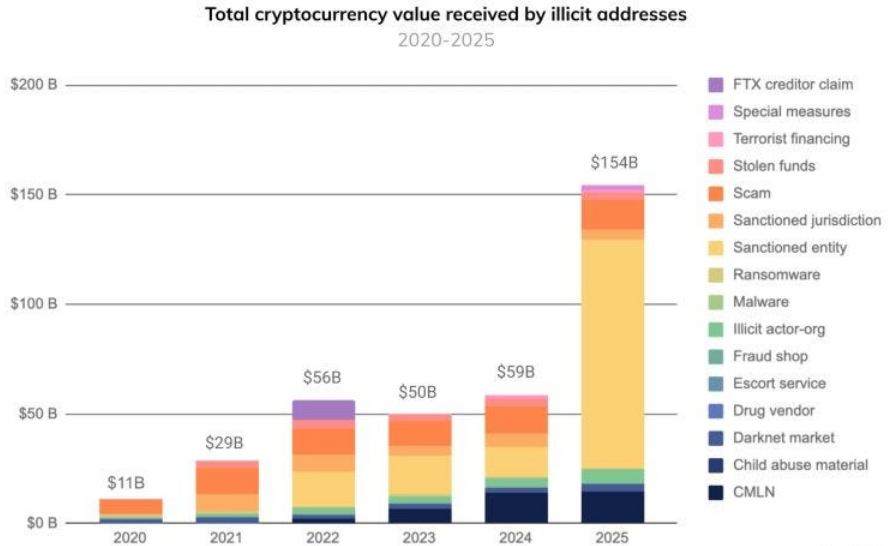
Interestingly, global data from the Financial Action Task Force (FATF) reveals a paradox. While crypto is heavily scrutinized, it actually represents a small fraction of global illicit financial flows.
- Traditional finance: 2%–5% of global GDP (~$2 trillion to $5 trillion)
- Cryptocurrency: Less than 1% (~under $1 trillion equivalent activity)
This raises an important strategic question:
Is crypto being over-regulated relative to its actual risk?
3. Crypto ATMs and the New Enforcement Frontier
One specific area of concern highlighted by Canadian authorities is the use of crypto ATMs, which have been increasingly linked to fraud and scam-related activities.
Unlike centralized exchanges, crypto ATMs often:
- Operate with limited identity verification
- Enable rapid, irreversible transactions
- Are accessible to non-technical users, making them targets for scams
As a result, regulators are tightening controls around these machines, including stricter registration requirements and enhanced monitoring.
This trend is not unique to Canada. Globally, regulators in jurisdictions such as the United States and Europe are also implementing stricter frameworks for crypto ATM operators.
4. The Cost of Compliance: Survival of the Largest
The immediate impact of these regulatory actions is a sharp increase in compliance costs.
For crypto firms, maintaining regulatory approval now requires:
- Advanced transaction monitoring systems
- Integration with Travel Rule providers (~$3–$5 per transaction)
- Dedicated compliance teams
- Continuous reporting and auditing
In USD terms, this translates into significant operational overhead:
- Small firms: $50,000–$200,000 annually in compliance costs
- Mid-size firms: $200,000–$1 million+
- Large exchanges: multi-million dollar compliance budgets
This cost structure creates a natural barrier to entry, effectively pushing smaller players out of the market.
As a result, the industry is undergoing consolidation, where:
- Large, regulated entities gain market share
- Smaller, non-compliant firms exit or relocate
5. Global Implications: A Blueprint for Other Countries
Canada’s actions are part of a broader global trend toward stricter crypto regulation.
Key developments include:
- The EU’s MiCA framework, enforcing uniform licensing across member states
- The U.S. increasing enforcement actions against exchanges and stablecoin issuers
- Asia (including Japan and Singapore) tightening AML and licensing requirements
This convergence suggests that the future of crypto will resemble traditional finance in terms of regulatory expectations.
6. Strategic Opportunities for Investors and Builders
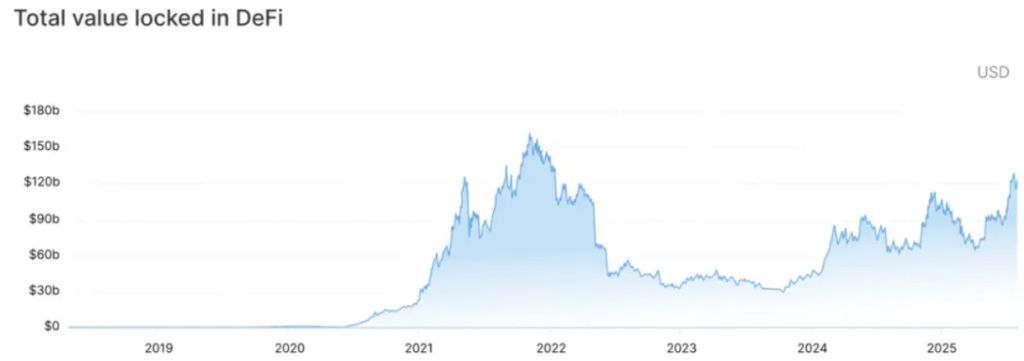
Despite the regulatory pressure, this environment creates new opportunities.
1. Compliance Infrastructure as a Business Model
Solutions such as:
- KYC/KYT providers
- Travel Rule compliance tools
- Blockchain analytics platforms
are becoming critical infrastructure, with growing demand from regulated institutions.
2. Institutional-Grade Platforms
Exchanges and wallets that prioritize compliance can gain trust and attract:
- Institutional investors
- Payment partners
- Banking integrations
3. Emerging Markets Advantage
Regions with evolving regulatory frameworks (e.g., Southeast Asia) may become innovation hubs, provided they balance compliance with growth.
7. Conclusion: From Wild West to Financial System Integration
Canada’s revocation of 47 crypto licenses is more than a domestic enforcement action—it is a signal of a structural transformation in the global crypto industry.
The era of loosely regulated experimentation is ending. In its place, a new paradigm is emerging:
- Compliance-driven operations
- Institutional participation
- Integration with traditional financial systems
For investors and entrepreneurs, the key takeaway is clear:
The next wave of crypto growth will not come from avoiding regulation—but from mastering it.
