

Key Points :
- Brazil has enacted a new anti-organized crime law enabling seizure and liquidation of crypto assets
- Confiscated Bitcoin and digital assets can now be converted into public security funding (USD-denominated value)
- Courts are empowered to freeze, manage, and sell assets early—even before final conviction in some cases
- This marks a global shift toward treating crypto as both a target and a funding source in enforcement strategy
- Operational risks (custody, key management) remain a major challenge, as seen in global incidents
[Flow Diagram: “From Seizure to Security Funding”]
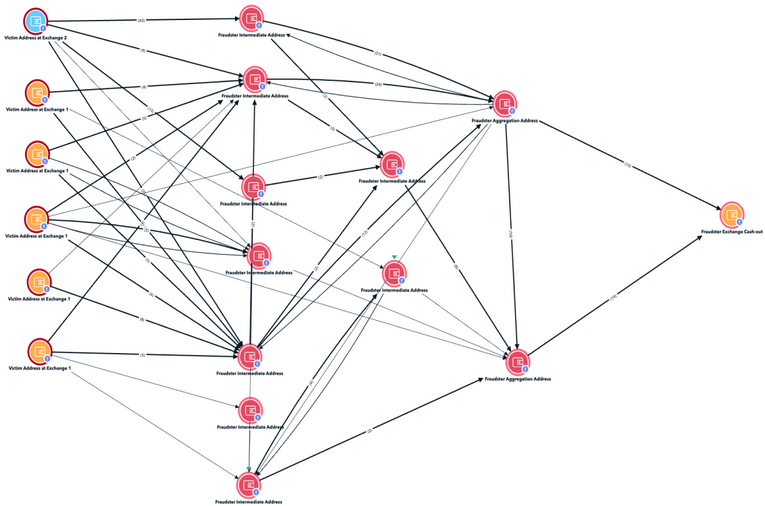
Introduction: A Structural Shift in Crypto Governance
On March 24, 2026, Luiz Inácio Lula da Silva signed into law a sweeping anti-organized crime framework known as the “Lei Raul Jungmann.” While at first glance this appears to be a conventional law enforcement measure, its deeper implications are far more transformative—especially for the global cryptocurrency ecosystem.
For the first time, Brazil has explicitly embedded digital assets—including Bitcoin—into a legal pipeline that allows not only their seizure but also their rapid liquidation and redeployment into state funding mechanisms. In practical terms, this means that crypto is no longer merely an asset class to regulate—it is becoming an instrument of state power.
This shift reflects a broader global evolution: cryptocurrencies are transitioning from fringe financial tools to integrated components of sovereign enforcement, fiscal policy, and economic strategy.
Legal Architecture: Seizure, Freezing, and Early Liquidation
At the core of the new legislation lies a powerful legal mechanism. Judges are now authorized to:
- Freeze digital assets and associated financial rights
- Seize both physical and digital property linked to criminal activity
- Authorize the early sale of confiscated assets before final adjudication
This last element is particularly significant. Traditionally, seized assets remain locked until legal proceedings conclude—sometimes for years. However, under the new Brazilian law, courts may approve liquidation earlier, allowing proceeds to be immediately redirected.
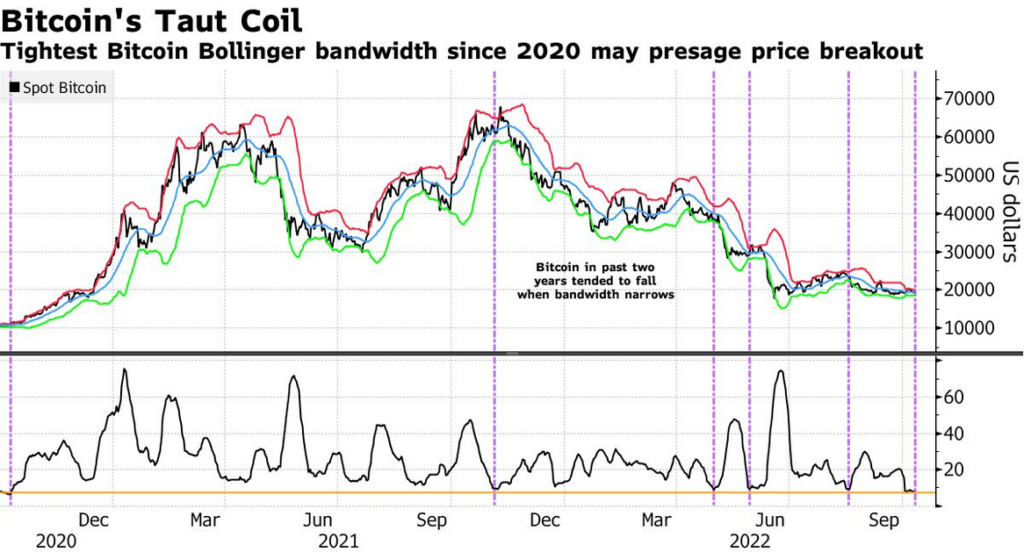
From a financial perspective, this reduces volatility risk. For example, if authorities seize BTC valued at $60,000 per coin, delaying liquidation could expose the state to price swings. Early liquidation locks in value, transforming speculative assets into predictable fiscal inputs.
[“Bitcoin Volatility vs Government Liquidation Timing”]
Economic Reframing: From Illicit Asset to Public Revenue
Perhaps the most groundbreaking aspect of the law is its explicit economic function. Proceeds from seized crypto assets are directed into public security funds, such as Brazil’s national and state-level safety programs.
This effectively creates a feedback loop:
- Criminal organizations use crypto
- Authorities seize those assets
- Assets are liquidated into USD-equivalent value
- Funds are reinvested into law enforcement
This model mirrors asset forfeiture systems used in traditional finance but extends them into decentralized finance ecosystems. The implication is profound: crypto is no longer just regulated—it is monetized by the state.
For investors and builders, this introduces a new macro consideration. Crypto flows are now partially influenced by enforcement-driven liquidity events, especially in jurisdictions adopting similar frameworks.
Strategic Context: Brazil’s Escalating Crypto Enforcement
This law did not emerge in isolation. It is part of a broader crackdown on crypto-related criminal activity in Brazil.
- In September 2025, illegal Bitcoin mining operations were uncovered in Rio de Janeiro
- In November 2025, Brazil’s central bank announced stricter enforcement on illicit crypto and stablecoin usage
- Rising adoption of crypto among organized crime groups accelerated legislative urgency
These developments highlight a critical trend: as crypto adoption expands, so does its misuse—and consequently, regulatory sophistication.
Brazil is positioning itself not just as a regulator but as an active participant in crypto capital flows.
Global Comparisons: Lessons from South Korea and Beyond
Brazil’s initiative also reflects lessons learned from international failures in crypto asset management.
In South Korea, authorities faced two high-profile incidents:
- Loss of access to seized Bitcoin worth approximately $9 million (≈ $9M)
- Accidental exposure of seed phrases, temporarily risking assets worth approximately $32 million (≈ $32M)
These cases underscore a critical vulnerability: custody risk.
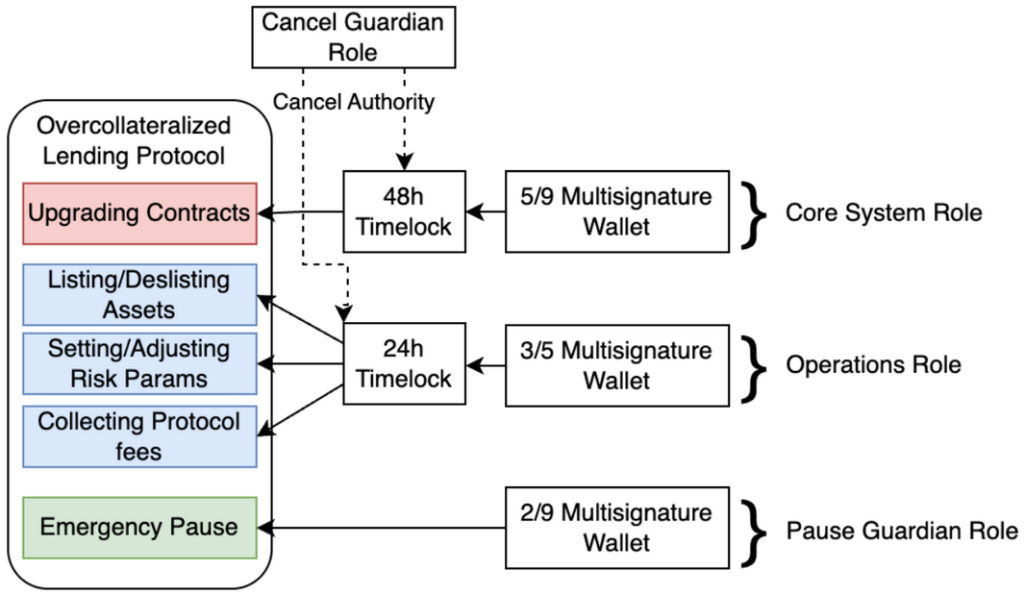
Unlike fiat assets, crypto requires secure key management. Without institutional-grade custody infrastructure, even seized assets can be lost, stolen, or compromised.
Brazil’s law acknowledges this challenge by allowing exceptions where public agencies cannot technically manage assets—potentially enabling partnerships with specialized custodians.
[Diagram: “Crypto Custody Risk Layers”]
Implications for Crypto Markets and Builders
For market participants, this development introduces several second-order effects:
1. Increased Sell Pressure from Seized Assets
Government liquidation of confiscated crypto could introduce periodic sell pressure, especially during large enforcement actions.
2. Institutionalization of Enforcement Liquidity
Crypto markets may begin to price in state-driven supply events, similar to how traders monitor central bank actions in traditional finance.
3. Demand for Custody Infrastructure
There is a growing opportunity for:
- Institutional custody providers
- Key management solutions
- Compliance-integrated wallets
This aligns closely with your interest in non-custodial wallet design: transparency and security will become critical differentiators, especially if interacting with regulated or enforcement-adjacent flows.
4. Legal Arbitrage Across Jurisdictions
Different countries will adopt varying approaches. Some may emulate Brazil, while others remain permissive. This creates opportunities—and risks—for cross-border crypto operations.
The Bigger Picture: Crypto as a Tool of Sovereignty
What Brazil has implemented is more than a law—it is a paradigm shift.
Crypto is evolving into a dual-use financial layer:
- For individuals: a decentralized store of value and transfer mechanism
- For states: a trackable, seizable, and monetizable asset class
This duality aligns with your “Two-Extremes Model” concept:
- Asset-Backed Representation → State-controlled, regulated, enforceable
- Autonomous Trust Tender → Decentralized, censorship-resistant
Brazil’s move clearly strengthens the former—but does not eliminate the latter.
Conclusion: Enforcement Meets Opportunity
Brazil’s legalization of crypto seizure and monetization marks a turning point in the relationship between governments and digital assets.
On one hand, it reinforces the state’s ability to combat crime by targeting financial infrastructure at its core. On the other, it introduces new dynamics into crypto markets—where enforcement actions can influence liquidity, pricing, and infrastructure demand.
For investors, the takeaway is clear: regulatory frameworks are no longer external risks—they are active market forces.
For builders, especially those designing wallets, exchanges, or compliance systems, the opportunity lies in bridging these worlds:
- Secure custody without compromising decentralization
- Transparent systems that satisfy both users and regulators
- Infrastructure that anticipates—not reacts to—state involvement
In this emerging landscape, crypto is no longer just about freedom from institutions. It is about navigating—and leveraging—them.
