
Main Points :
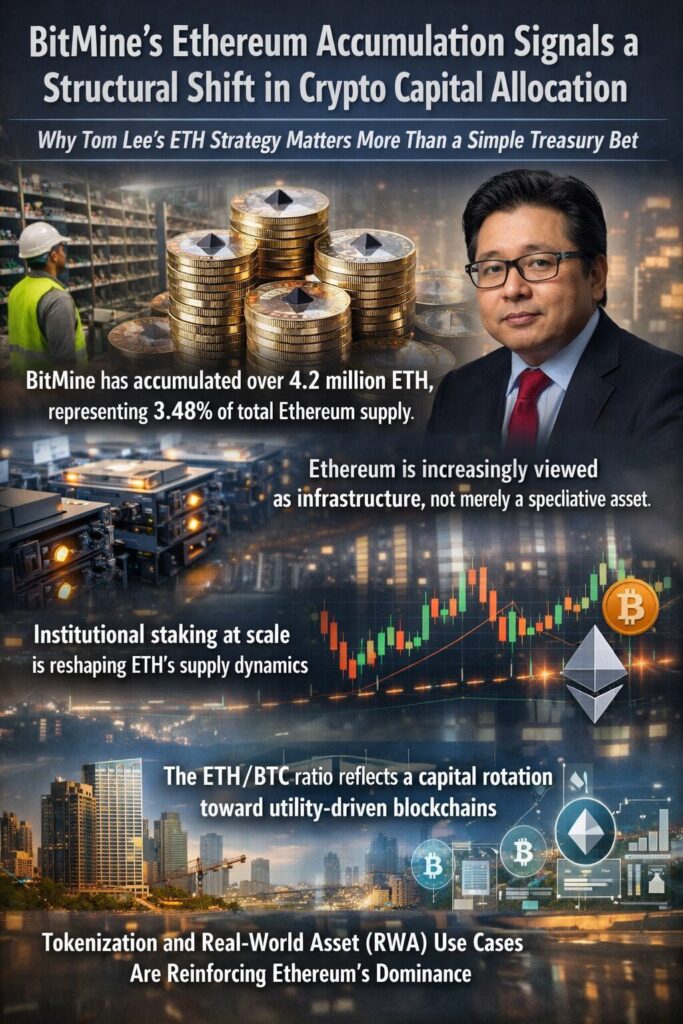
- BitMine has accumulated over 4.2 million ETH, representing 3.48% of total Ethereum supply
- Ethereum is increasingly viewed as infrastructure, not merely a speculative asset
- Institutional staking at scale is reshaping ETH’s supply dynamics
- The ETH/BTC ratio reflects a capital rotation toward utility-driven blockchains
- Tokenization and real-world asset (RWA) use cases are reinforcing Ethereum’s dominance
Introduction: From Speculation to Strategic Accumulation
In January 2026, Nasdaq-listed BitMine made a disclosure that quietly but decisively reshaped the institutional narrative around Ethereum. The company announced that its Ethereum holdings had reached 4,203,036 ETH, accumulated at an average cost of $3,211 per ETH, alongside Bitcoin reserves, equity holdings, and nearly $979 million in cash.
At first glance, this may appear to be yet another example of a crypto-exposed treasury strategy. In reality, it represents something far more structural: a deliberate, long-term bet on Ethereum as the foundational settlement and tokenization layer of modern finance.
Under the leadership of Tom Lee, BitMine’s actions align with a growing institutional realization that Ethereum’s value proposition extends beyond price appreciation—it lies in its role as programmable financial infrastructure.
Ethereum Holdings at a Supply-Level Scale
BitMine’s Ethereum position now accounts for 3.48% of Ethereum’s total supply of approximately 120.7 million ETH. The company’s stated objective is to reach 5% of total supply, meaning it has already achieved nearly 70% of its target.
This is not passive exposure. Over the past week alone, BitMine added 35,268 ETH, signaling ongoing accumulation rather than a one-time allocation.
Portfolio Breakdown (as of January 19, 2026):
- Ethereum: 4,203,036 ETH (avg. cost $3,211)
- Bitcoin: 193 BTC
- Equity Holdings: $22 million (Eightco Holdings)
- Cash: $979 million
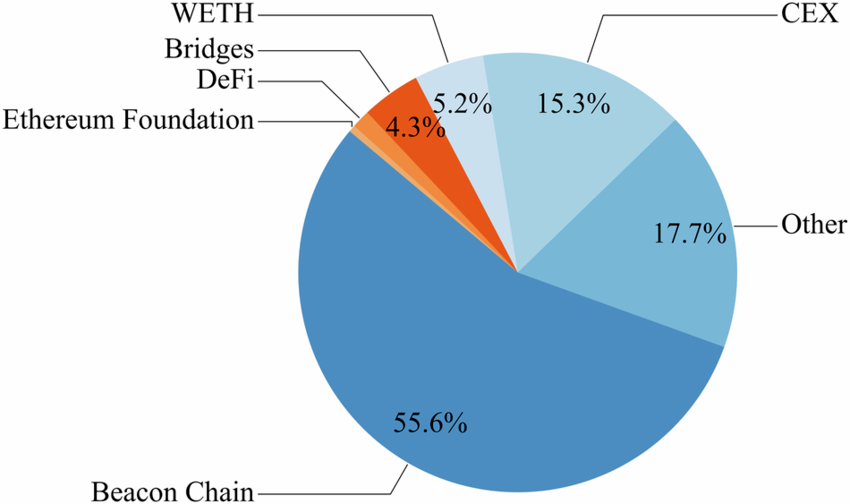
[Ethereum Total Supply vs BitMine Holdings]
Why Ethereum, Not Just Bitcoin?
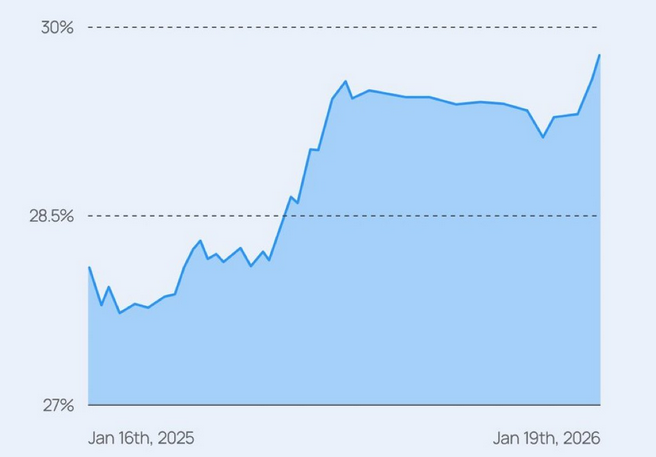
Tom Lee’s commentary provides a crucial insight into this allocation decision. Since mid-October, the ETH/BTC price ratio has steadily risen, reflecting a market reassessment of Ethereum’s relative utility.
Bitcoin continues to dominate as a store of value and monetary hedge. Ethereum, however, has evolved into something distinct:
- A settlement layer for stablecoins
- The primary execution environment for tokenized assets
- A programmable base for decentralized finance and institutional experimentation
Lee notes that Wall Street-driven tokenization initiatives—ranging from funds to real-world asset representations—are overwhelmingly being built on Ethereum. Markets, in turn, are beginning to price this reality.
Staking: Turning Treasury into Yield-Bearing Infrastructure
Perhaps the most underappreciated aspect of BitMine’s strategy is its aggressive use of staking.
As of January 19, 2026:
- Staked ETH: 1,838,003 ETH
- Increase in one week: 581,920 ETH
This means a substantial portion of BitMine’s holdings is removed from liquid circulation, contributing to supply tightening while simultaneously generating yield.
From a corporate treasury perspective, this represents a fundamental shift:
- ETH is no longer idle inventory
- It functions as productive capital
- Yield is protocol-native rather than counterparty-dependent
[Growth of Staked ETH in Institutional Treasuries]
Tokenization and the Ethereum Gravity Effect
The broader implication of BitMine’s accumulation lies in Ethereum’s growing role in tokenization.
Tokenization of:
- Treasury products
- Funds
- Credit instruments
- Commodities
- Equity-like representations
requires:
- Smart contract maturity
- Developer depth
- Liquidity density
- Institutional-grade security assumptions
Ethereum remains the only blockchain that satisfies all four at scale.
As tokenized assets migrate on-chain, Ethereum benefits from a gravity effect: once financial primitives are deployed there, network switching costs become prohibitive.
Market Implications: Supply, Volatility, and Strategic Scarcity
With over 1.8 million ETH staked and millions more held long-term, BitMine is effectively converting ETH into a strategic reserve asset.
Key implications:
- Reduced liquid supply
- Lower reflexive sell pressure
- Structural support for long-term valuation
- Increased importance of ETH as collateral
Unlike speculative hoarding, this behavior mirrors how sovereigns and institutions treat strategic commodities.
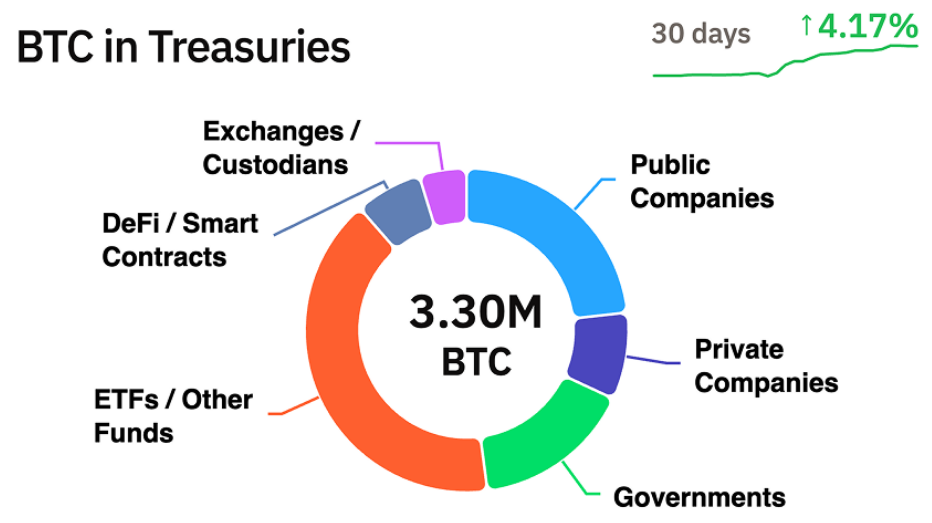
[Liquid vs Illiquid Ethereum Supply Dynamics]
Conclusion: Ethereum as Financial Infrastructure, Not a Trade
BitMine’s Ethereum accumulation is not a short-term market call. It is a statement about where financial infrastructure is being built.
Bitcoin remains digital gold. Ethereum, increasingly, is becoming digital finance itself.
For investors seeking new crypto assets, yield opportunities, and real-world blockchain applications, the lesson is clear: the most significant opportunities may lie not in volatility, but in owning the rails upon which future finance runs.
BitMine’s strategy underscores a broader transition—away from speculative positioning and toward structural participation in decentralized financial infrastructure.
