
Main Points :
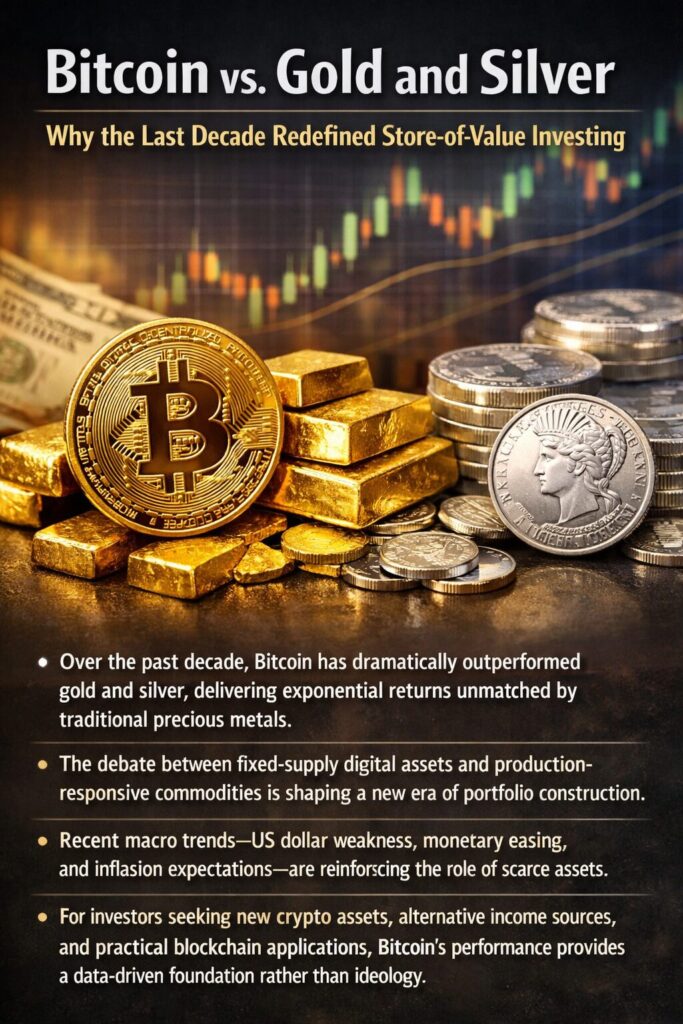
- Over the past decade, Bitcoin has dramatically outperformed gold and silver, delivering exponential returns unmatched by traditional precious metals.
- The debate between fixed-supply digital assets and production-responsive commodities is shaping a new era of portfolio construction.
- Recent macro trends—US dollar weakness, monetary easing, and inflation expectations—are reinforcing the role of scarce assets.
- For investors seeking new crypto assets, alternative income sources, and practical blockchain applications, Bitcoin’s performance provides a data-driven foundation rather than ideology.
Introduction: A Decade That Changed the Investment Narrative
The past ten years have been transformative for global finance. Traditional assumptions about value preservation, scarcity, and risk hedging have been challenged by the emergence of Bitcoin. Once dismissed as a speculative experiment, Bitcoin has grown into a globally recognized asset class—one that now competes directly with gold and silver, the historical pillars of store-of-value investing.
According to data shared by analyst and author Adam Livingston, Bitcoin’s performance since 2015 has eclipsed that of precious metals by orders of magnitude. While gold and silver have certainly appreciated, their gains pale in comparison to Bitcoin’s exponential rise. This divergence has reignited a long-standing debate: What truly constitutes a superior store of value in the modern financial system?
This article summarizes the original discussion, expands on it with recent macroeconomic trends, and explores what these dynamics mean for investors focused on cryptocurrencies, new revenue opportunities, and real-world blockchain utility.
Bitcoin’s Performance Since 2015: Numbers That Reshaped Perception

Since 2015, Bitcoin has delivered a cumulative return of approximately 27,701%. In contrast, silver has risen roughly 405%, while gold has increased by about 283% over the same period. Even after adjusting for Bitcoin’s early, highly volatile years, the gap remains enormous.
Critics often argue that Bitcoin’s early growth phase distorts comparisons. However, Livingston addressed this point directly, noting that even if Bitcoin’s first six years are excluded, the asset still significantly outperforms gold and silver on comparable time horizons. In other words, the performance gap is not merely a result of Bitcoin’s infancy—it reflects a structural difference.
Why This Matters
For investors evaluating long-term capital allocation, these figures are not trivial. They challenge the assumption that precious metals are the default hedge against monetary instability. Bitcoin’s data suggests that digital scarcity, enforced by code rather than geology, may be more powerful than previously imagined.
The Counterargument: Shorter Time Frames and Market Cycles
Not everyone agrees with a decade-long comparison. Prominent gold advocates argue that Bitcoin’s momentum has stalled in recent years. They suggest that a four-year comparison window, roughly aligning with Bitcoin’s halving cycles, provides a more realistic assessment.
From this perspective, gold’s recent price surge appears more compelling, especially as Bitcoin has experienced periods of consolidation. This argument resonates with investors who prioritize capital preservation over growth, and who view volatility as a primary risk.
However, focusing solely on short windows risks missing the broader structural trend: Bitcoin’s supply is mathematically capped, while precious metals respond to price signals through increased production.
Production Cost vs. Fixed Supply: A Structural Divide
One of the most insightful responses to the gold-versus-Bitcoin debate comes from commodity economics. Matt Gorihar, co-founder of an asset management firm focused on Bitcoin, highlights a fundamental principle: commodity prices tend to converge toward production costs over time.
When gold or silver prices rise, mining activity increases. Previously unprofitable deposits become viable, supply expands, and upward price pressure is gradually reduced. This dynamic has governed commodity markets for centuries.
Bitcoin operates under a different rule set:
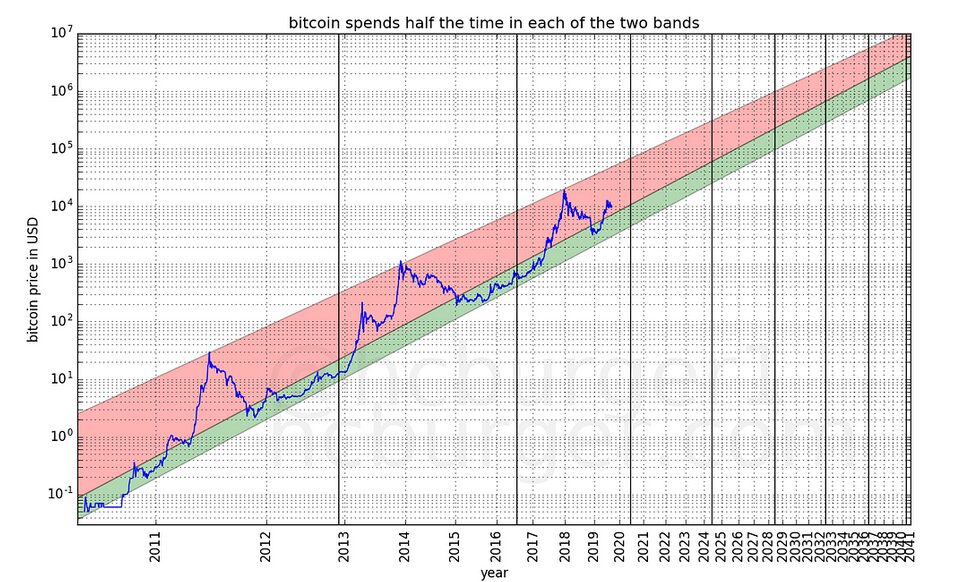
- Total supply is capped at 21 million coins
- Issuance is programmatically reduced through halving events
- No price increase can accelerate supply beyond protocol limits
This distinction explains why Bitcoin behaves less like a commodity and more like a synthetic monetary asset—one that is immune to traditional supply responses.
Recent Market Context: Gold and Silver at All-Time Highs
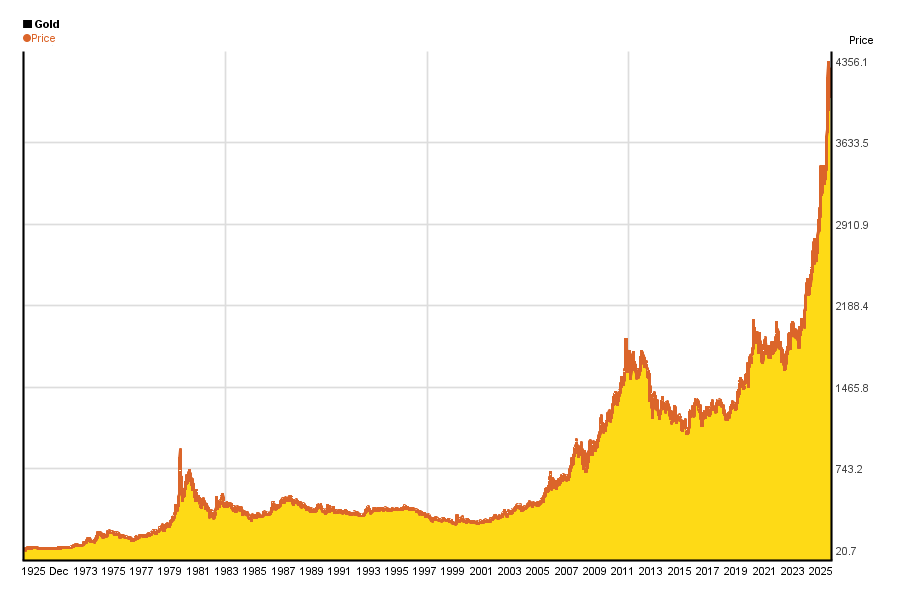
The debate has intensified as precious metals themselves have reached historic price levels. In 2025, gold climbed to approximately $4,533 per ounce, while silver surged to around $80 per ounce, both setting new all-time highs.
These moves underscore the reality that investors are actively seeking scarce assets amid global uncertainty. Yet even as metals rally, Bitcoin’s long-term performance continues to dominate the conversation.
The US Dollar Factor: Why Scarcity Is Back in Focus
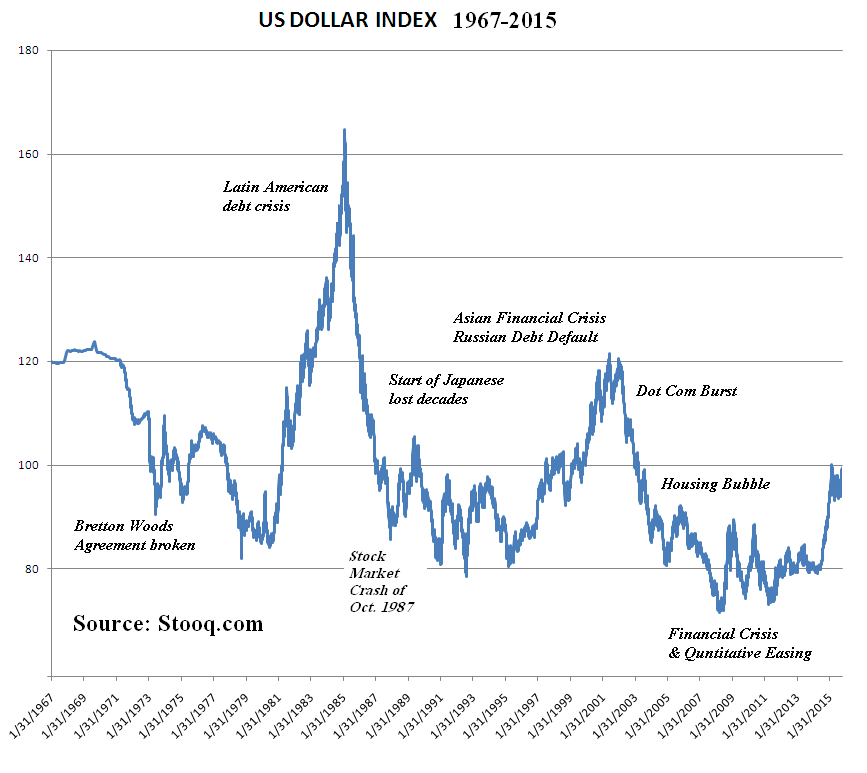
Another critical variable is the US dollar. In 2025, the US Dollar Index (DXY) declined by roughly 10%, marking one of its weakest annual performances in the past decade. The DXY measures the dollar’s strength against a basket of major currencies, including the euro, Japanese yen, and British pound.
A weakening dollar historically benefits scarce assets. When fiat purchasing power erodes, investors naturally gravitate toward assets that cannot be easily debased. This macro backdrop has provided tailwinds not only for gold and silver, but also for Bitcoin.
Analysts such as Arthur Hayes argue that inflation-tolerant monetary policy and renewed liquidity injections create a favorable environment for all scarcity-based assets—digital and physical alike.
Bitcoin as a Modern Store of Value: Beyond Ideology
What distinguishes Bitcoin today is not just price performance, but infrastructure maturity:
- Institutional custody and ETF products
- Integration into payment and settlement systems
- Use as collateral in decentralized finance
- Adoption as a treasury reserve asset by corporations
For readers interested in practical blockchain use, Bitcoin’s evolution demonstrates how a decentralized asset can transition from speculative novelty to financial infrastructure.
Unlike gold, Bitcoin can be transferred globally within minutes, programmatically audited, and integrated into automated financial systems. These attributes expand its utility beyond passive value storage.
Portfolio Implications: Gold, Silver, and Bitcoin Together?
Importantly, the debate does not require choosing a single winner. Many sophisticated investors now view Bitcoin, gold, and silver as complementary hedges, each responding differently to macroeconomic stress.
- Gold: Stability, deep liquidity, historical trust
- Silver: Industrial demand plus monetary hedge
- Bitcoin: High growth potential, fixed supply, digital portability
From a portfolio construction standpoint, Bitcoin’s historical outperformance suggests it deserves consideration not as a replacement, but as an additional pillar of long-term strategy.
Conclusion: What the Last Decade Tells Us About the Next One
The data from the past ten years delivers a clear message: Bitcoin has redefined expectations for store-of-value assets. Its outperformance relative to gold and silver is not accidental, but rooted in structural supply mechanics and accelerating adoption.
At the same time, recent rallies in precious metals and dollar weakness confirm that scarcity—whether digital or physical—remains central to modern investing. For those seeking new crypto assets, emerging income opportunities, and real-world blockchain applications, Bitcoin’s trajectory offers both a case study and a roadmap.
As monetary systems continue to evolve, the conversation is no longer about whether Bitcoin belongs alongside gold and silver—but how investors can intelligently integrate all three in a rapidly changing financial landscape.
